An argon-filled transfer case is strictly necessary to maintain the chemical integrity of alkali metal samples during transport. Because these metals degrade rapidly upon contact with ambient air, the case serves as a mobile protective barrier, ensuring the sample remains in an inert atmosphere from the preparation glovebox to the vacuum analysis chamber.
Core Takeaway Alkali metals react almost instantly with oxygen and moisture, altering their surface composition. An argon-filled transfer case acts as a critical "bridge," preserving the sample's pristine state to ensure that subsequent analysis reflects the true material, not an oxidized contamination layer.
The Chemistry of Contamination
Reactivity with Ambient Air
Alkali metals are characterized by their high chemical instability in standard atmospheric conditions. When exposed to ambient air, they react immediately with oxygen and moisture.
Rapid Degradation
This reaction is not slow; it occurs on immediate contact. Without a protective barrier, the sample undergoes rapid degradation before it can even be loaded into analysis equipment.
Compromised Spectroscopic Features
For analytical techniques like surface spectroscopy, the physical surface of the sample is the primary data source. If the sample oxidizes during transport, the equipment will analyze the contamination layer rather than the alkali metal itself, rendering the data useless.
The Role of the Transfer Case
A Mobile Protective Barrier
The transfer case functions as a portable extension of your preparation environment. It maintains the inert conditions established in the glovebox while the sample moves through uncontrolled environments.
Bridging the Gap
There is often a physical distance between the preparation area (glovebox) and the analysis equipment (vacuum chamber). The transfer case bridges this gap, preventing any exposure to the atmosphere during the transition.
Argon as the Shield
Argon is used because it is an inert noble gas. It displaces reactive air within the case but does not chemically interact with the alkali metal, preserving the sample's original state.
Understanding the Trade-offs
Operational Complexity
Using a transfer case adds steps to the experimental workflow. It requires careful docking and undocking procedures to ensure the vacuum or inert seal is never broken during the transfer.
Equipment Dependency
The reliability of your data becomes dependent on the mechanical integrity of the transfer case. If the case has a micro-leak or a failing seal, the sample will be compromised regardless of how perfect the preparation was.
Making the Right Choice for Your Goal
To ensure your data is valid, consider the following regarding sample transport:
- If your primary focus is Surface Analysis: You must use an argon-filled transfer case; even momentary exposure to air will alter surface spectroscopic features and invalidate your results.
- If your primary focus is Bulk Property Testing: While surface oxidation is less critical for bulk properties, alkali metals are volatile enough that an inert transfer is still highly recommended to prevent safety hazards or gross degradation.
The transfer case is not an optional accessory; it is a fundamental requirement for valid alkali metal research.
Summary Table:
| Feature | Impact of Ambient Air Exposure | Benefit of Argon Transfer Case |
|---|---|---|
| Sample Integrity | Rapid degradation and oxidation | Preserves pristine chemical state |
| Data Accuracy | Analyzes contamination layer | Reflects true material composition |
| Atmosphere | Reactive (Oxygen/Moisture) | Inert (Argon Shield) |
| Safety | High reactivity hazards | Controlled, stable environment |
| Workflow | Compromised sample quality | Seamless glovebox-to-vacuum bridge |
Secure the Integrity of Your Sensitive Samples with KINTEK
In alkali metal research and battery development, even a second of air exposure can invalidate weeks of work. KINTEK specializes in comprehensive laboratory pressing and sample handling solutions designed to bridge the gap between preparation and analysis.
Whether you require manual or automatic presses, heated models, or specialized glovebox-compatible equipment, our solutions ensure your materials remain uncontaminated. From cold and warm isostatic presses to precision-engineered transfer tools, we provide the stability your research demands.
Don't let oxidation compromise your data. Contact our laboratory specialists today to find the perfect inert-atmosphere solution for your research facility.
References
- Steffen Oswald, Daria Mikhailova. Electron Spectroscopic Investigations of Alkaline‐Based Battery‐Relevant Reference Materials. DOI: 10.1002/sia.7397
This article is also based on technical information from Kintek Solution Knowledge Base .
Related Products
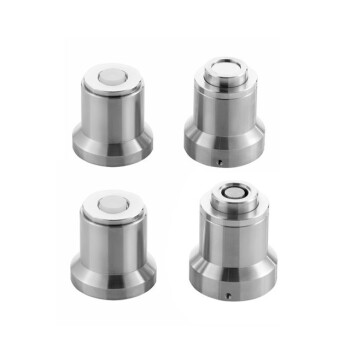
- Lab Button Battery Disassembly and Sealing Mold
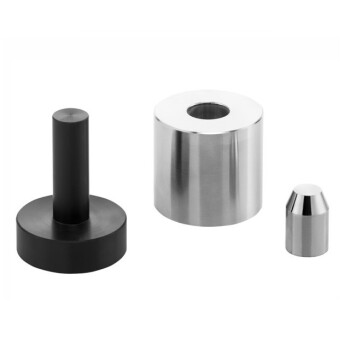
- Lab Cylindrical Press Mold for Laboratory Use
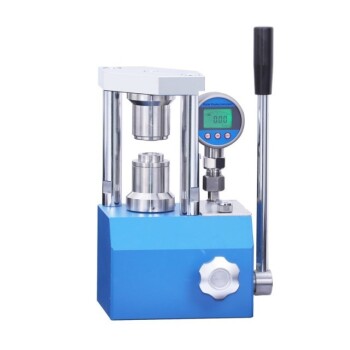
- Button Battery Sealing Machine for Button Batteries
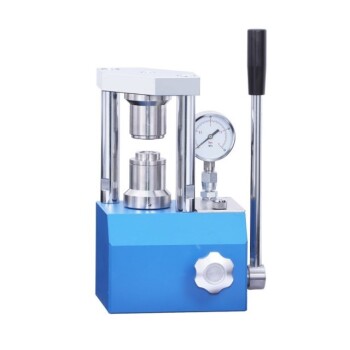
- Manual Button Battery Sealing Machine for Battery Sealing
- Manual Laboratory Hydraulic Press Lab Pellet Press
People Also Ask
- How does a sealed battery mold facilitate the assembly and testing of asymmetric supercapacitors using VO2?
- What is the function of specialized battery molds and sealing consumables? Optimize Your In-situ XRD Testing Today
- How does the geometry of laboratory molds influence mycelium-based composites? Optimize Density and Strength
- Why are specialized battery test molds used? Ensure Peak Performance for All-Solid-State Sodium Batteries (ASSIBs)
- What role do battery testing molds play in electrolyte performance? Exploring Pressure vs. Viscoelasticity