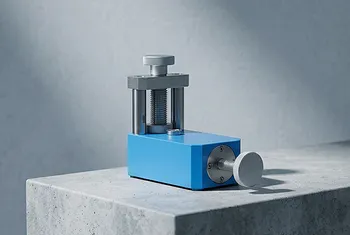
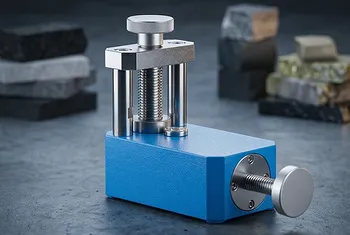
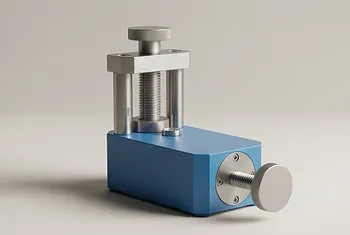
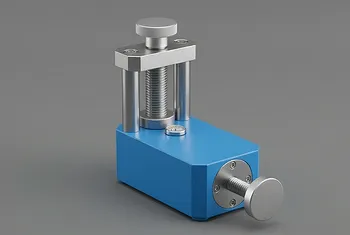
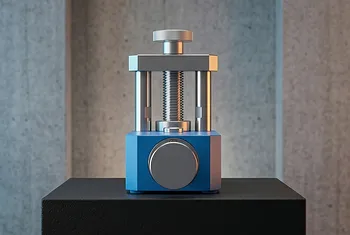
Thematics Heated Platen Press

heated platen press

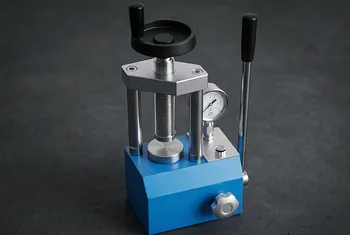
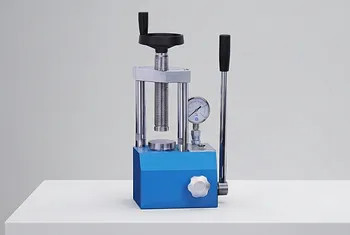
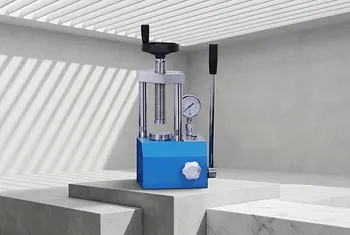
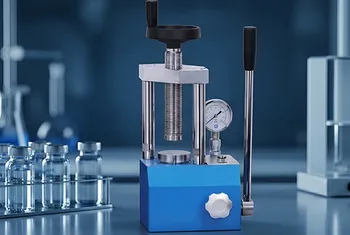
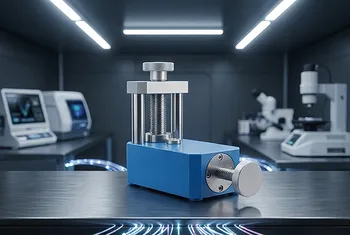
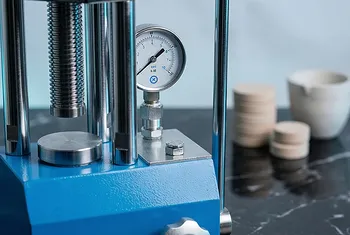
Heated platen presses are essential tools in modern laboratories, offering precise temperature and pressure control for a variety of applications. These presses are widely used in infrared and XRF spectroscopy for sample preparation, polymer film creation, pharmaceutical pill manufacturing, and laminating processes. Our product line includes:

  • Split Automatic Heated Hydraulic Press Machine: Features 300°C heating capabilities for efficient and precise sample preparation, perfect for research labs.
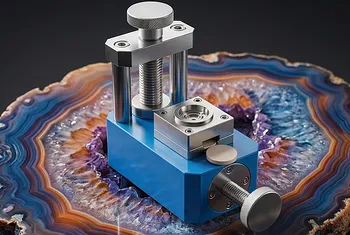
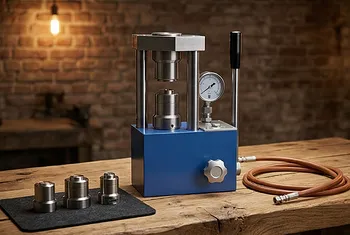
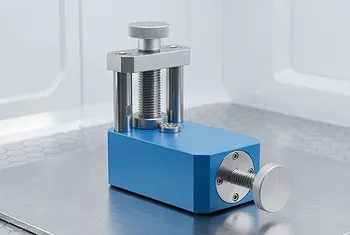
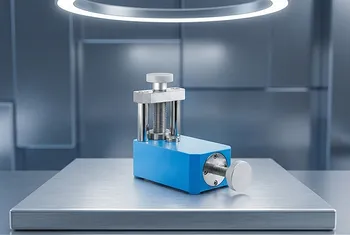
  • Lab Heat Press Special Mold: Customizable molds that enhance lab efficiency with durable and reliable performance.
  • Infrared Heating Quantitative Flat Plate Mold: Equipped with PID control for uniform heat distribution and high-temperature stability, ensuring accurate sample preparation.

Advanced Features and Benefits of Heated Platen Presses

Heated platen presses are engineered to deliver superior performance in laboratory and industrial settings. These machines combine controlled pressure and temperature to achieve optimal results in material processing. Below, we delve into the key characteristics, operational principles, and advantages of our heated platen presses.

Key Characteristics

  1. Precision Control: Our presses are equipped with advanced PID temperature controllers and hydraulic systems to ensure precise pressure and temperature settings, crucial for consistent sample preparation.
  2. Safety Features: Designed with user safety in mind, our machines include closed molding areas to contain fumes, protection doors with safety locks, and automatic control systems with intuitive interfaces.
  3. Durability and Customization: Built to withstand rigorous use, our presses offer customizable molds and plates to meet diverse research and production needs.

Operational Principles

The heated platen press operates through a combination of positive and negative pressure, enhanced by specialized adhesives. The process involves several stages:

  1. Table Feeding: The material is placed on the press table.
  2. Heating: The platen heats the material to the desired temperature.
  3. Vacuuming: A vacuum is applied to remove air pockets and ensure even material distribution.
  4. Forming: Pressure is applied to shape the material.
  5. Demolding: The finished product is removed from the press.

This process is driven by oil pressure and compressed air, ensuring high efficiency and minimal workpiece deformation.

Advantages

  1. Enhanced Heating Efficiency: Uniform temperature distribution across the platen ensures consistent results and reduces energy consumption.
  2. Improved Workpiece Quality: Precise control over pressure and temperature leads to products with consistent thickness and superior mechanical properties.
  3. Energy Savings: Reduced heat generation and optimized processes contribute to lower operational costs.
  4. Environmental Compliance: Our machines adhere to strict emission standards, making them an eco-friendly choice for modern labs.

Customizable Solutions

We understand that every lab has unique requirements. Our team of experts is ready to assist you in selecting or customizing a heated platen press that fits your specific needs. Whether you require specialized molds, higher temperature ranges, or unique pressure settings, we can tailor our products to meet your demands.

Why Choose Our Heated Platen Presses?

  • Proven Reliability: Trusted by researchers and manufacturers worldwide for their durability and performance.
  • Cutting-Edge Technology: Incorporating the latest advancements in heating and pressure control to deliver unmatched precision.
  • Comprehensive Support: From installation to maintenance, our team provides ongoing support to ensure your press operates at peak efficiency.

Get in Touch

Ready to enhance your lab’s capabilities with a high-performance heated platen press? Contact us today to discuss your requirements or request a demo. Our experts are here to help you find the perfect solution for your application.

Invest in precision and efficiency with our heated platen presses – where innovation meets reliability.

FAQ

What Are The Main Applications Of A Heated Platen Press?

Heated platen presses are widely used in infrared spectroscopy for sample preparation, XRF spectroscopy for elemental analysis, polymer film preparation, pharmaceutical pill making, and laminating processes to bond multiple material layers.

What Safety Features Are Commonly Found In Heated Platen Presses?

Common safety features include closed molding areas to contain fumes, protection doors with safety locks to prevent accidental access, and automatic control systems with user-friendly interfaces for safe operation.

How Does A Heated Platen Press Operate?

A heated platen press operates by applying positive pressure combined with negative pressure and special adhesives. It features high pressure, low temperature, and short processing times to reduce workpiece deformation. The process involves table feeding, heating, vacuuming, forming, and demolding, driven by oil pressure and compressed air.

What Are The Advantages Of Using A Heated Platen Press?

Heated platen presses offer several advantages including enhanced heating efficiency through uniform temperature distribution, improved workpiece quality via consistent thickness and closure force, reduced heat generation for energy savings, and environmental friendliness by adhering to strict emission standards.

What Types Of Heated Platen Presses Are Available?

There are several types of heated platen presses available, such as split automatic heated hydraulic press machines with heated plates, lab heat press special molds, and infrared heating quantitative flat plate molds for precise temperature control.

REQUEST A QUOTE

Our professional team will reply to you within one business day. Please feel free to contact us!


Related Articles

The Unseen Saboteur: Why Thermal Precision in Lab Presses is Non-Negotiable

The Unseen Saboteur: Why Thermal Precision in Lab Presses is Non-Negotiable

Explore the critical role of temperature control in lab presses and how minor fluctuations can invalidate research and compromise material integrity.

Read more
The Physics of Trust: A Disciplined Approach to Laboratory Press Safety and Reliability

The Physics of Trust: A Disciplined Approach to Laboratory Press Safety and Reliability

Explore the systemic risks of lab press neglect and how a disciplined maintenance protocol protects personnel, data, and your investment.

Read more
Beyond the Furnace: How Direct Hot Pressing Reshapes Materials Research

Beyond the Furnace: How Direct Hot Pressing Reshapes Materials Research

Explore how direct hot pressing technology accelerates material discovery by delivering superior density, microstructure control, and repeatability.

Read more
Beyond Brute Force: The Elegant Physics of Modern Hot Press Heating

Beyond Brute Force: The Elegant Physics of Modern Hot Press Heating

Explore lab press heating principles—resistance, induction, and FAST/SPS. Learn how the right thermal control defines material precision and integrity.

Read more
The Tyranny of the Void: How Vacuum Hot Pressing Creates Near-Perfect Materials

The Tyranny of the Void: How Vacuum Hot Pressing Creates Near-Perfect Materials

Discover how vacuum hot pressing overcomes material flaws by combining heat, pressure, and vacuum to achieve near-theoretical density and purity.

Read more
Beyond Tonnage: The Subtle Art of Specifying a Laboratory Press

Beyond Tonnage: The Subtle Art of Specifying a Laboratory Press

Selecting a lab press requires a deep look beyond max tonnage. Discover how control, uniformity, and precise calculations lead to repeatable results.

Read more
The Physics of Consistency: How Hydraulic Presses Overcome Human Error

The Physics of Consistency: How Hydraulic Presses Overcome Human Error

Hydraulic presses use Pascal's Law to trade distance for force, overcoming human variability to deliver consistent, repeatable results in the lab.

Read more
The Alchemy of Force and Fire: Why Precision in Hot Pressing Defines Material Innovation

The Alchemy of Force and Fire: Why Precision in Hot Pressing Defines Material Innovation

Mastering material science requires precise control over heat and pressure. Discover how heated lab presses orchestrate these forces to unlock innovation.

Read more
Beyond Brute Force: The Subtle Art of Material Consolidation with Hot Pressing

Beyond Brute Force: The Subtle Art of Material Consolidation with Hot Pressing

Hot pressing isn't just fabrication; it's a technique that re-engineers a material's internal structure for ultimate density and strength.

Read more
More Than a Machine: The Physics and Psychology of a Perfect Polymer Film

More Than a Machine: The Physics and Psychology of a Perfect Polymer Film

Discover how a heated lab press dictates a polymer's final state. Precision in temperature, pressure, and cooling is the key to reliable data.

Read more
The Tyranny of the Void: How Hot Pressing Crafts Near-Perfect Materials

The Tyranny of the Void: How Hot Pressing Crafts Near-Perfect Materials

Discover how hot pressing eliminates microscopic voids to create materials with unparalleled strength and performance for aerospace, medical, and electronics.

Read more
The Physics of Fatigue: Why Laboratory Hot Presses Fail and How to Prevent It

The Physics of Fatigue: Why Laboratory Hot Presses Fail and How to Prevent It

Understand the cumulative effects of thermal, mechanical, and electrical fatigue on lab hot presses and learn how robust design ensures longevity.

Read more
The Unseen Force: Why Gravity Defines Safety in Laboratory Press Design

The Unseen Force: Why Gravity Defines Safety in Laboratory Press Design

Discover how gravity dictates lab press safety. Learn why up-stroking designs are inherently safer and the standard for modern laboratories.

Read more
The Architecture of Trust: Why Your Most Important Lab Instrument Isn't an Analyzer

The Architecture of Trust: Why Your Most Important Lab Instrument Isn't an Analyzer

In material analysis, inconsistent samples are the silent killer of reliable data. A lab press builds trust by creating a standardized foundation.

Read more
The Internal Architecture of Strength: Why Hot Pressing Forges a New Class of Materials

The Internal Architecture of Strength: Why Hot Pressing Forges a New Class of Materials

Hot pressing is not just shaping; it's a method for re-engineering a material's internal architecture to achieve near-perfect density and strength.

Read more
The Unseen Variable: Why Your Lab Press Dictates Your Data's Integrity

The Unseen Variable: Why Your Lab Press Dictates Your Data's Integrity

Learn why choosing a lab press is about repeatable outcomes, not just max pressure. A guide to matching a press to your application's needs.

Read more
Beyond Tonnage: A First-Principles Guide to Selecting a Laboratory Hot Press

Beyond Tonnage: A First-Principles Guide to Selecting a Laboratory Hot Press

Choosing a lab press isn't about specs; it's about process. Learn to avoid costly errors by focusing on pressure, control, and repeatability.

Read more
The Three-Body Problem of Pellet Pressing: Material, Machine, and Method

The Three-Body Problem of Pellet Pressing: Material, Machine, and Method

A systems-thinking approach to lab press issues, focusing on the interplay between material, machine, and method for consistent, reliable results.

Read more
The Pressure to Be Perfect: How Hot Isostatic Pressing Achieves Absolute Material Integrity

The Pressure to Be Perfect: How Hot Isostatic Pressing Achieves Absolute Material Integrity

Explore how Hot Isostatic Pressing (HIP) eliminates internal flaws, bonds materials, and forges perfect density for critical components.

Read more
From Powder to Perfection: The Physics of Trustworthy Analysis

From Powder to Perfection: The Physics of Trustworthy Analysis

Inaccurate lab data often stems from physical chaos in samples. A hydraulic press imposes order, ensuring analysis measures material, not noise.

Read more