Within 8 hours on working days, 24 hours on holidays
heated hydraulic press
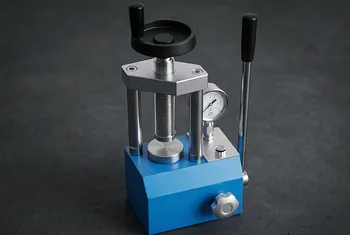
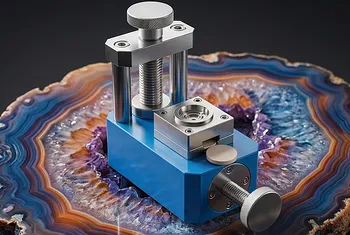
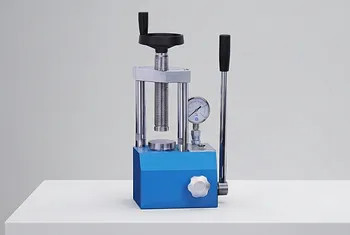
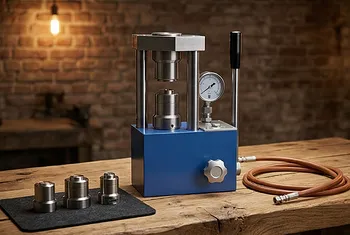
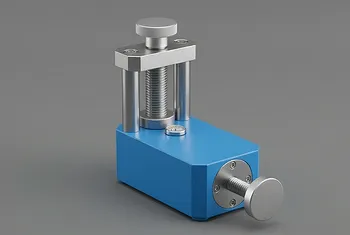
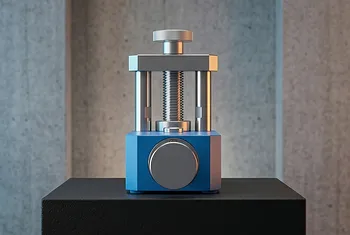
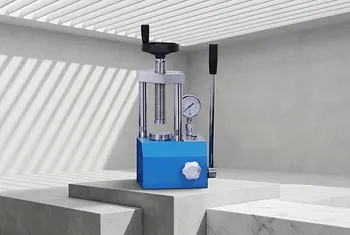
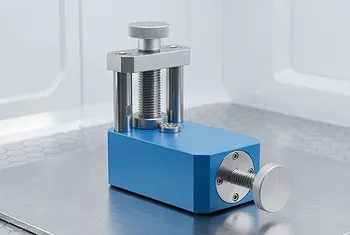
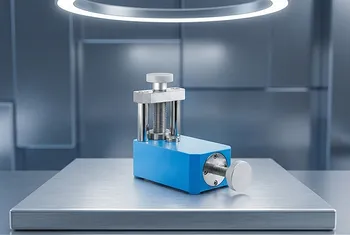
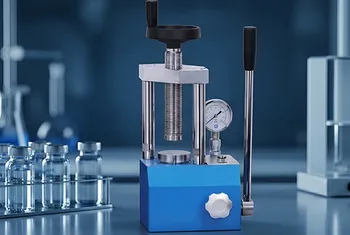
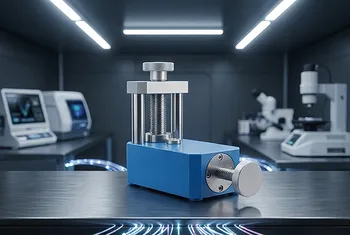
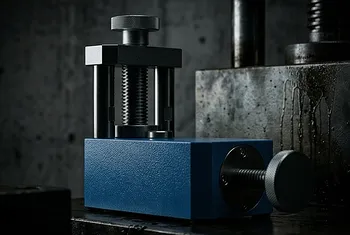
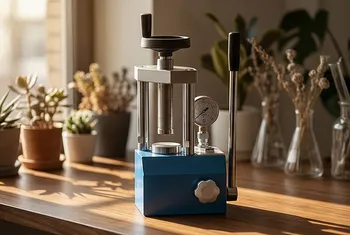
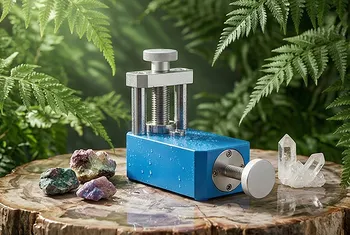
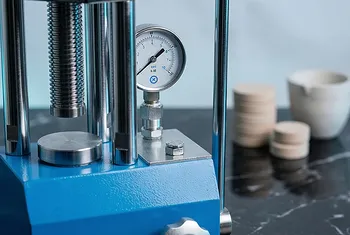
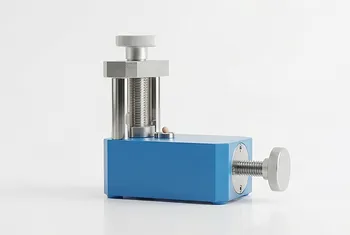
Heated hydraulic press machines are essential tools in laboratories and industrial settings for a variety of applications, including material testing, sample preparation, and thermal curing. These machines combine hydraulic force with precise temperature control to handle sensitive materials effectively. Our product range includes:
Heated Hydraulic Press with Vacuum Box: Perfect for oxidation-free sample preparation, ensuring uniform pressure and heat distribution.
Manual Heated Hydraulic Press: Offers high-temperature sample prep with integrated hot plates, ideal for material research and ceramics.
Automatic Heated Hydraulic Press: Features programmable controls for precision heating and rapid cooling, enhancing lab productivity.
High-Temperature Heated Hydraulic Press: Designed for extreme temperature applications, providing consistent results for sintering and material processing.
Each model is built to deliver reliable performance, durability, and ease of use, catering to diverse laboratory needs.
Detailed Overview of Heated Hydraulic Press Machines
Heated hydraulic press machines are sophisticated devices that integrate hydraulic force with precise temperature control to meet the demanding requirements of modern laboratories and industrial applications. These machines are built on the principle of Pascal's law, where pressure applied to a confined fluid is transmitted uniformly, enabling the generation of significant compressive force with minimal input.
Key Features and Benefits
Precision and Control: Our heated hydraulic presses come equipped with advanced digital controls for both pressure and temperature, allowing for exact adjustments to meet specific experimental or production needs. This ensures consistent quality and repeatability in sample preparation.
Versatility: These machines are suitable for a wide range of applications, including:
Material Testing: Evaluate the strength and durability of materials under high pressure and temperature.
Sample Preparation: Ideal for creating uniform samples for research in pharmaceuticals, ceramics, and composite materials.
Thermal Curing and Bonding: Achieve precise thermal curing processes that standard hydraulic presses cannot handle.
Robust Design: Constructed from high-quality materials, our presses are designed to withstand extreme conditions, ensuring long-term reliability and minimal maintenance.
Customizable Solutions: We understand that every lab has unique requirements. Our team can tailor the press specifications, including pressure capacity, temperature range, and plate size, to fit your specific needs.
How It Works
The hydraulic system generates force through a piston that compresses hydraulic oil, transmitting pressure uniformly across the heated plates. This allows for even distribution of heat and pressure, critical for achieving consistent results. The integration of heated plates enables processes that require both mechanical force and thermal energy, such as sintering or thermal bonding.
Advantages Over Conventional Presses
Enhanced Efficiency: Automated models reduce manual intervention, speeding up processes and improving productivity.
Superior Results: Precise control over temperature and pressure ensures high-quality outcomes, whether for research or production.
Cost-Effectiveness: Durable construction and low operational costs make these presses a smart investment for both small labs and large industries.
Why Choose Our Heated Hydraulic Presses?
Our commitment to innovation and quality ensures that you receive a machine that not only meets but exceeds your expectations. Whether you need a compact manual press for occasional use or a high-capacity automated system for continuous operation, we have the perfect solution.
Ready to enhance your lab's capabilities?Contact us today to discuss your requirements and discover how our heated hydraulic presses can revolutionize your workflow. Our experts are here to provide personalized advice and support, ensuring you get the right equipment for your needs.
FAQ
What Is The Principle Of A Heated Hydraulic Press?
A heated hydraulic press operates based on Pascal's principle, which states that pressure applied to a confined fluid is transmitted equally in all directions. In a hydraulic press, pressure from a piston (acting like a pump) generates mechanical force. This force is transferred through hydraulic oil from a smaller cylinder to a larger one, where greater force and pressure are applied.
What Are The Advantages Of Using A Heated Hydraulic Press?
Heated hydraulic presses offer several advantages, including the ability to perform thermal curing, bonding, or shaping that standard hydraulic presses cannot achieve. They provide precise control over temperature and pressure, ensuring consistent quality. These presses are versatile, cost-effective, and suitable for both small-scale laboratories and large-scale industrial applications. Additional benefits include consistent pressure application, compact design, ease of use, and repeatability in sample production.
What Are The Common Applications Of A Heated Hydraulic Press?
Heated hydraulic presses are used in a variety of applications such as forging, molding, punching, clinching, powder compacting, concrete compression testing, scrap baling, ceramics manufacturing, and laboratory testing. They are particularly valuable in material testing to evaluate strength, durability, and behavior under high pressure and temperature. These presses are also used for tension testing and to study the effects of high pressure on various substances, aiding in material science and engineering research.
What Features Should I Look For In A Heated Hydraulic Press?
Key features to look for in a heated hydraulic press include a robust hydraulic system capable of delivering several tons of closure force, precise pressure gauges and controls for accurate adjustment and monitoring, and heated plates for thermal processes. Additional desirable features may include digital pressure control, programmable settings for temperature and pressure, rapid cooling capabilities, and a durable design suitable for both laboratory and industrial environments.
How Does A Heated Hydraulic Press Differ From A Standard Hydraulic Press?
A heated hydraulic press differs from a standard hydraulic press primarily in its ability to apply heat in addition to pressure. This allows for processes like thermal curing, bonding, and shaping that require controlled temperature conditions. The heated plates or chambers enable precise temperature management, making these presses ideal for applications involving sensitive materials or processes that require both high pressure and heat, such as material testing and sample preparation in laboratories.
This website uses cookies to enhance your browsing experience,
analyze site traffic, and serve better user experiences. By continuing to use this site, you consent to our use of
cookies. Learn more in our cookie policy.