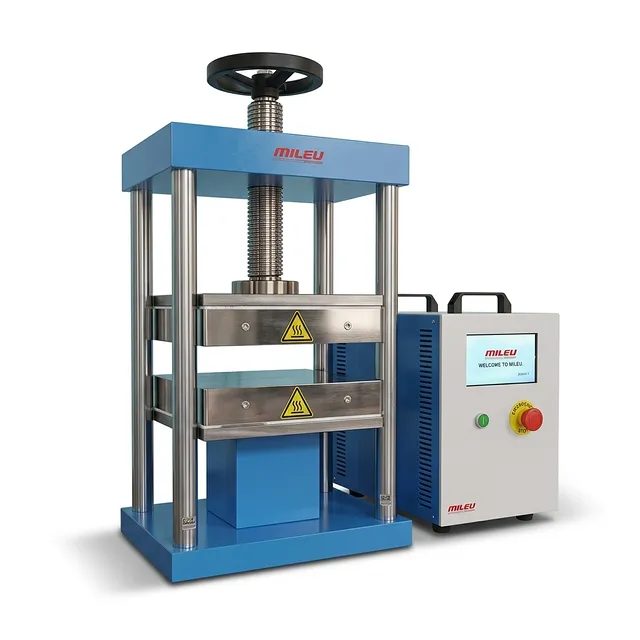
Automatic Heated Lab Press
Split Automatic Heated Hydraulic Press Machine with Heated Plates
Item Number : PCSE
Price varies based on specs and customizations
- Pressure Range
- 0-40.0 tons / 0-30.0 tons
- Mold heating temperature
- Room temperature-300.0°C / 500.0°C (Optional)
- Hot platen size
- 400×400mm / 300×300mm

Shipping:
Contact us to get shipping details Enjoy On-time Dispatch Guarantee.
Why Choose Us
Easy ordering process, quality products, and dedicated support for your business success.
KINTEK Split Automatic Heated Lab Press: Precision & Efficiency for Your Research
Elevate your laboratory's sample preparation capabilities with KINTEK's specialized lab press machines. Our Split Automatic Heated Lab Press is engineered for precision, automation, and versatility, making it an indispensable tool for demanding research environments.
Discover the KINTEK Split Automatic Heated Lab Press
See our advanced lab press in detail. Designed for optimal performance and ease of use:
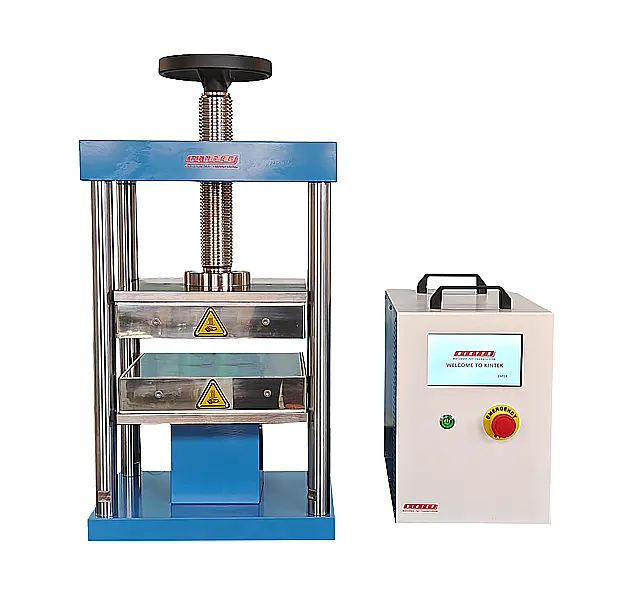
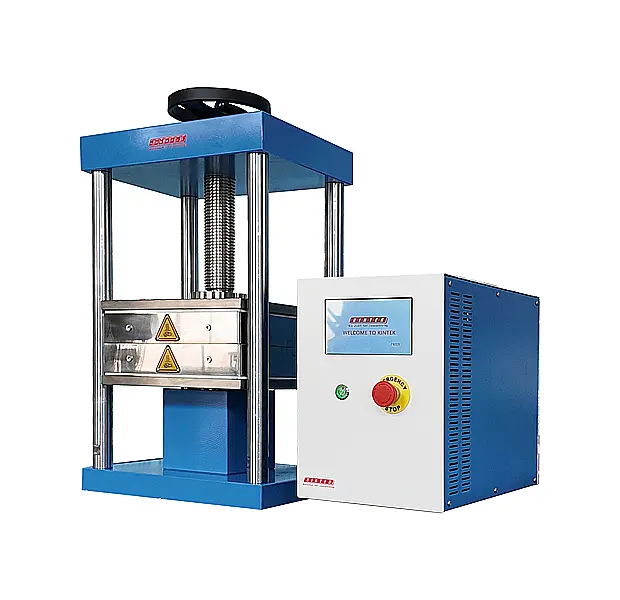
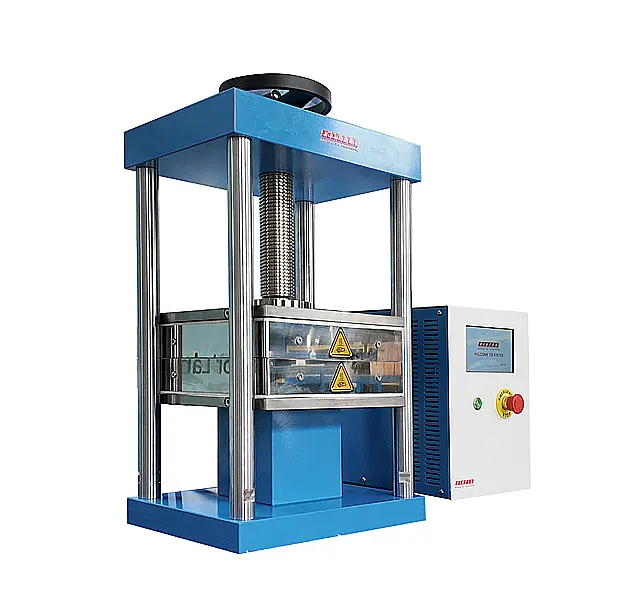
Key Features & Benefits: Why Choose KINTEK?
Our Split Automatic Lab Hot Press is designed to streamline your workflow and deliver consistent, high-quality results. It consists of a robust hydraulic press with two independently controlled heated platens, reaching temperatures up to 300°C.
- Automated Precision: Automatically executes pressurization, pressure holding, and pressure relief procedures for consistent and repeatable sample preparation, crucial for high-pressure control requirements.
- Versatile Heating: Features fast-heating platens (up to 300°C) that can be heated individually or simultaneously, accommodating a wide range of material processing needs.
- Durable Construction: Platens are crafted from hardened Cr12MoV alloy with a perfectly flat surface, ensuring longevity and uniform pressure distribution. Molds utilize Japanese high-speed steel for superior hardness and deformation resistance.
- Efficient Cooling: Incorporates a water-circulating fast cooling system to protect the press and expedite your workflow (optional water cooling machine available).
- Compact & Adaptable: Boasts a small footprint and light weight, making it easy to carry, move, and ideally suited for use within vacuum glove boxes for controlled environment processing.
- Reliable Operation:
- Chrome-plated cylinder and superior sealing prevent rust and oil leakage.
- One-piece mainboard structure integrates the oil pool, main board, and oil cylinder, minimizing seal connections and enhancing reliability.
- Digital display pressure gauge offers precise pressure control with an accuracy of 0.01MPa.
- Externally located oil pool with a filtration device allows for easy oil replacement and maintenance.
Interested in how these features can benefit your specific application? Reach out to our specialists today!
Applications: Powering Innovation Across Industries
KINTEK hydraulic lab presses are indispensable tools in a variety of demanding fields. Their efficiency, compact design, and adaptability make them ideal for:
- Material Research Labs: For developing and testing new materials, alloys, and composites.
- Pharmaceuticals: Essential for tablet formulation, drug delivery system research, and quality control.
- Catalytic Reactions: Preparing catalyst pellets and studying reaction kinetics under pressure and heat.
- Ceramics & Electronic Industries: Forming ceramic components, multilayer electronic devices, and new material samples.
- Vacuum Environment Processing: Its small footprint and portability allow for easy integration into vacuum glove boxes for specialized sample preparation.
- Hot Pressing: With integrated heating plates, it expertly serves particular material processing needs requiring both heat and pressure.
Intuitive Operation Interface
Our user-friendly interface provides complete control over your sample preparation process:
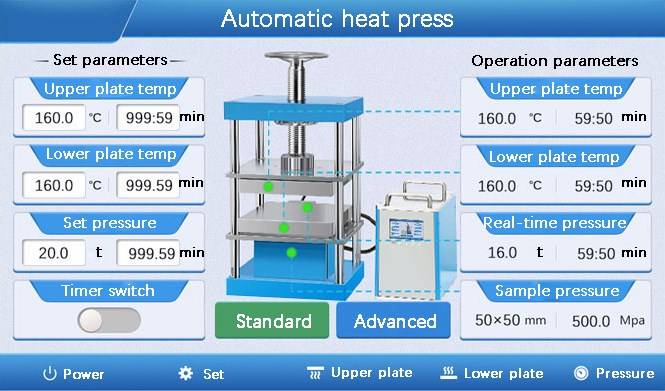
- Standard Interface: Easily set crucial parameters like pressure, temperature, time, and sample size.
- Dedicated Controls: Buttons for pressurization, upper plate heating, lower plate heating, and timing functions.
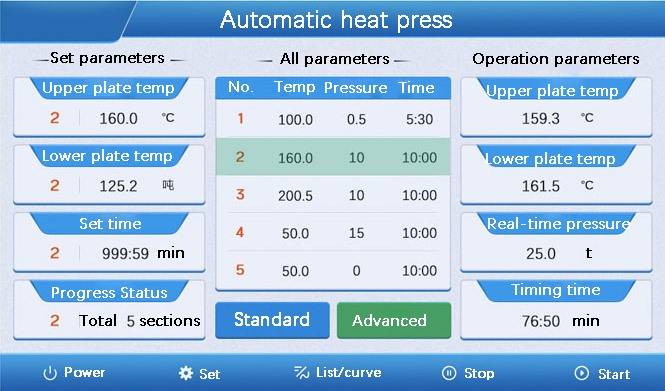
- Programmed Operation: Start button initiates pressurization and heating according to multi-stage programs.
- Safety & Settings: Stop button for immediate process termination and a setting button to access the configuration menu.
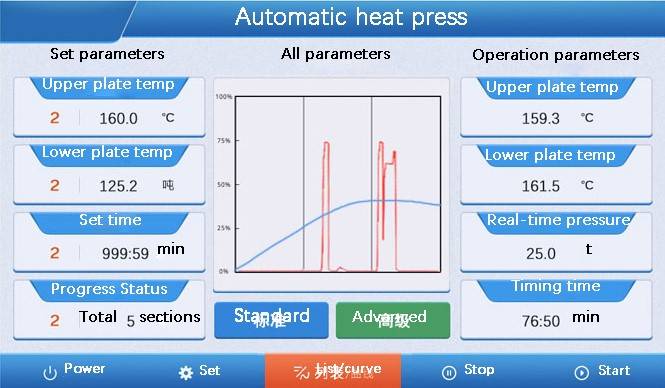
- Data Visualization: Switch between list and graph displays for easy monitoring and analysis of process data.
Technical Specifications
| Instrument model | PCSE-40T4040 | PCSE-30T3030 |
|---|---|---|
| Pressure Range | 0-40.0 tons | 0-30.0tons |
| Pressurization process | Program pressurization - Program holding -Timed pressure relief | Program pressurization - Program holding - Timed pressure relief |
| Mold heating temperature | Room temperature-300.0°C | Room temperature -300.0°C / 500.0°C (Optional) |
| Insulation method | Imported insulation board | Imported insulation board |
| Cooling method | Quick cooling with water cooling [optional water cooling machine] | Quick cooling with water cooling [optional water cooling machine] |
| Hot platen size | 400×400mm (M×N) | 300×300mm (M×N) |
| Host size | 500×480X650mm (K×P×H) | 380×350×600mm (K×P×H) |
| Dimensions | 850×480X650mm (L×W×H) | 700×400×600mm (L×W×H) |
| Powersupply | 5500W (220V/110V can be customized) | 3500W (220V/110V can be customized) |
| Weight | 480 Kg | 280 Kg |
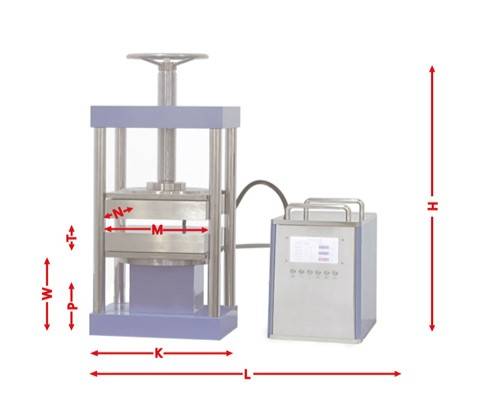
Easy Operation Steps (Visual Guide)
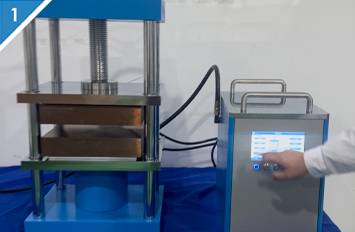
1. Place the sample in the heat press.

2. Enter the heating pressure and temperature.
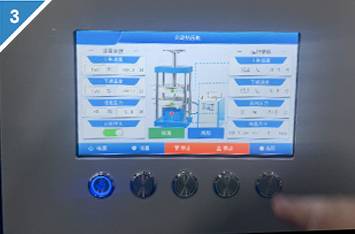
3. Start heating.
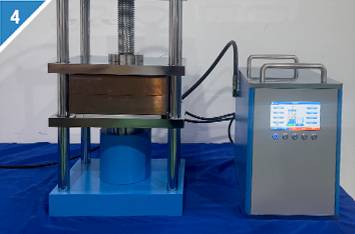
4. Start pressurization.
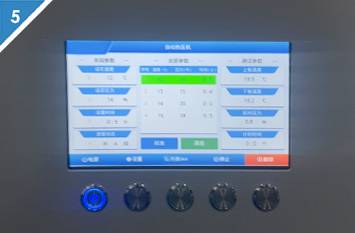
5. Optionally, perform multi-stage heating and pressurization according to the program.
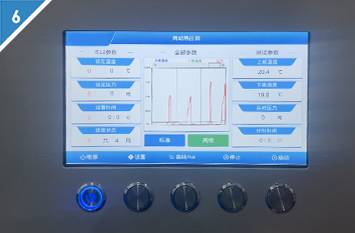
6. Browse the historical graph for process analysis.
For detailed instructions on operation, accessory replacement, and precautions, please click here to view our comprehensive guide.
Ready to Enhance Your Lab's Capabilities?
KINTEK is dedicated to providing high-quality lab press solutions that meet your specific research needs. Whether you require an automatic lab press, a lab isostatic press, or a heated lab press, we have the expertise to assist you.
To learn more, discuss your requirements, or request a quote for the Split Automatic Heated Lab Press, please contact us. Our team is ready to help you find the perfect solution for your laboratory.
Fill out our Contact Form or call us today!
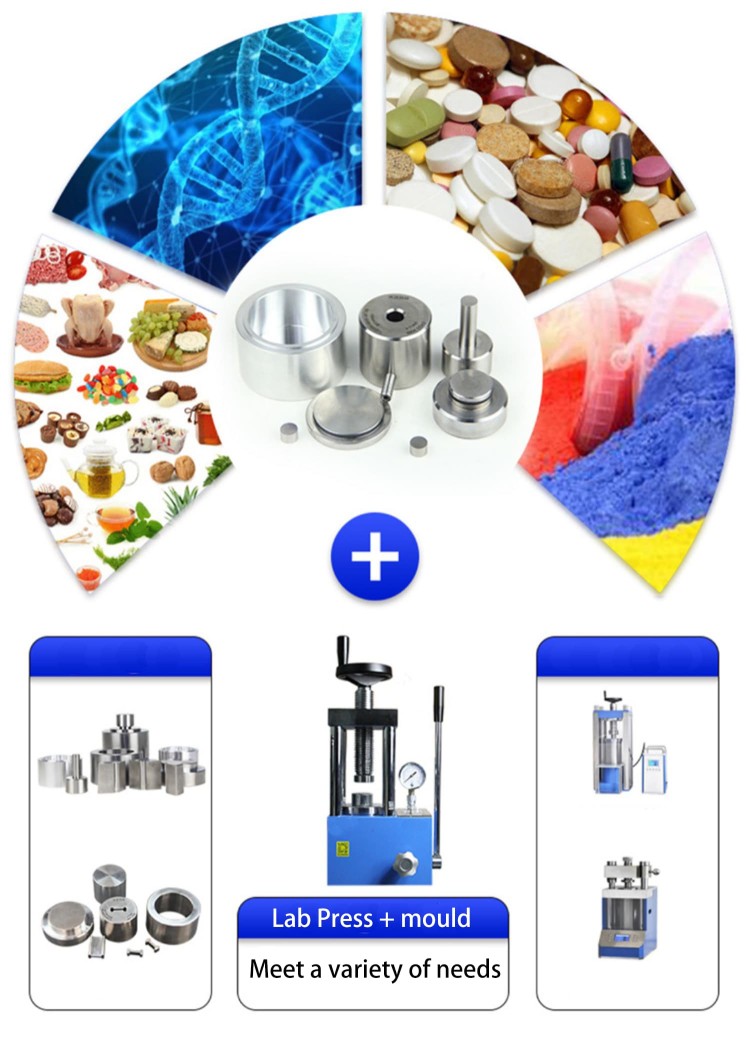
Full range of types of laboratory press molds
We have a full range of molds for you to choose from, and the molds fit the body perfectly.
If you need molds with special shapes, we can also customize them for you.
The Right Lab Press Awaits
Expert Advice? We're Here. Get in Touch!
Trusted by Industry Leaders

FAQ
What Is A Laboratory Hydraulic Press Used For?
What Is The Principle Of A Heated Hydraulic Press?
What Are The Main Applications Of A Heated Platen Press?
What Are The Main Applications Of Press Molds In Laboratories?
What Is A Laboratory Hot Press Machine Used For?
What Are The Main Features Of A Laboratory Hydraulic Press?
What Are The Advantages Of Using A Heated Hydraulic Press?
What Safety Features Are Commonly Found In Heated Platen Presses?
What Types Of Press Molds Are Available For Laboratory Use?
What Are The Key Features Of A Laboratory Hot Press Machine?
How Does A Laboratory Hydraulic Press Work?
What Are The Common Applications Of A Heated Hydraulic Press?
How Does A Heated Platen Press Operate?
What Are The Key Features Of Laboratory Press Molds?
What Are The Main Components Of A Laboratory Hot Press Machine?
What Are The Advantages Of Using A Laboratory Hydraulic Press?
What Features Should I Look For In A Heated Hydraulic Press?
What Are The Advantages Of Using A Heated Platen Press?
What Materials Are Commonly Used To Make Press Molds?
How Does A Laboratory Hot Press Machine Work?
What Types Of Laboratory Hydraulic Presses Are Available?
How Does A Heated Hydraulic Press Differ From A Standard Hydraulic Press?
What Types Of Heated Platen Presses Are Available?
What Are The Advantages Of Using Press Molds In Laboratories?
What Are The Advantages Of Using A Laboratory Hot Press Machine?
Why Is A Laboratory Hydraulic Press Ideal For Sample Preparation In Spectroscopy?
Can Press Molds Be Customized For Specific Laboratory Needs?
What Safety Features Are Included In Laboratory Hydraulic Presses?
How Do Press Molds Ensure High-precision Sample Preparation?
Can Laboratory Hydraulic Presses Be Used For High-temperature Applications?
What Are The Benefits Of Using Heated Press Molds?
How Do Press Molds Contribute To Efficient Laboratory Workflows?
What Should I Consider When Choosing A Press Mold For My Laboratory?
REQUEST A QUOTE
Our professional team will reply to you within one business day. Please feel free to contact us!
Related Products

Laboratory Split Manual Heated Hydraulic Press Machine with Hot Plates
Boost lab efficiency with KINTEK's heated lab presses—precise temperature control, durable design, and rapid cooling for consistent results. Explore now!

Automatic Heated Hydraulic Press Machine with Heated Plates for Laboratory
KINTEK Automatic Heated Hydraulic Lab Press: Precision heating, uniform pressure, and automated control for superior sample processing. Ideal for labs and research. Contact us today!

Automatic Heated Hydraulic Press Machine with Hot Plates for Laboratory
KINTEK Automatic Lab Heat Press: Precision heating, programmable control, and rapid cooling for efficient sample preparation. Enhance lab productivity today!

Automatic High Temperature Heated Hydraulic Press Machine with Heated Plates for Lab
KINTEK High Temperature Hot Press: Precision sintering & material processing for labs. Achieve extreme temperatures & consistent results. Custom solutions available.

Manual Heated Hydraulic Lab Press with Integrated Hot Plates Hydraulic Press Machine
KINTEK's precision lab presses offer efficient, high-temperature sample prep for material research, pharmacy, and ceramics. Explore models now!

Laboratory Manual Heated Hydraulic Press Machine with Hot Plates
KINTEK's Manual Hot Press delivers precise material processing with controlled heat and pressure. Ideal for labs needing reliable bonds and high-quality samples. Contact us today!

Laboratory Hydraulic Split Electric Lab Pellet Press
KINTEK Split Electric Lab Press: Precision sample preparation for research. Compact, versatile, with advanced pressure control. Ideal for material studies.

Heated Hydraulic Press Machine with Heated Plates for Vacuum Box Laboratory Hot Press
KINTEK Heated Hydraulic Lab Press with Vacuum Box ensures precise sample preparation. Compact, durable, and featuring digital pressure control for superior results.

Heated Hydraulic Press Machine With Heated Plates For Vacuum Box Laboratory Hot Press
Enhance lab precision with KINTEK's Heated Vacuum Lab Press for uniform, oxidation-free samples. Ideal for sensitive materials. Get expert advice now!

24T 30T 60T Heated Hydraulic Lab Press Machine with Hot Plates for Laboratory
High-quality hydraulic lab presses for precise sample preparation. Choose automatic or heated models for material research, pharmacy, and more. Get a quote now!

Automatic Laboratory Hydraulic Press Lab Pellet Press Machine
Upgrade your lab with KINTEK's Automatic Lab Press – precision, efficiency, and versatility for superior sample preparation. Explore models now!

Automatic Laboratory Hydraulic Press for XRF and KBR Pellet Pressing
KinTek XRF Pellet Press: Automated sample prep for precise XRF/IR analysis. High-quality pellets, programmable pressure, durable design. Boost lab efficiency today!

Electric Split Lab Cold Isostatic Pressing CIP Machine
KINTEK Lab Electric Cold Isostatic Press ensures precise sample preparation with uniform pressure. Ideal for material science, pharmaceuticals, and electronics. Explore models now!

Laboratory Hydraulic Press 2T Lab Pellet Press for KBR FTIR
KINTEK 2T Lab Hydraulic Press for precise FTIR sample prep, durable KBr pellet creation, and versatile material testing. Ideal for research labs.

Manual Laboratory Hydraulic Press Lab Pellet Press
KINTEK's Protective Manual Lab Hydraulic Press ensures safe, precise sample preparation with durable construction, versatile applications, and advanced safety features. Ideal for labs.

Manual Laboratory Hydraulic Pellet Press Lab Hydraulic Press
Boost lab efficiency with KINTEK's precision hydraulic presses—compact, leak-proof, and ideal for spectroscopy. Custom solutions available.

Laboratory Hydraulic Press Lab Pellet Press Machine for Glove Box
Precision lab press for glove boxes: Compact, leak-proof design with digital pressure control. Ideal for inert atmosphere material processing. Explore now!

Laboratory Hydraulic Pellet Press for XRF KBR FTIR Lab Press
KINTEK Lab Press Machines: Precision hydraulic presses for sample prep. Automatic, heated, and isostatic models for research labs. Get expert advice now!

Laboratory Hydraulic Press Lab Pellet Press Button Battery Press
KINTEK Lab Press Machines: Precision hydraulic presses for material research, pharmacy, and electronics. Compact, durable, and low maintenance. Get expert advice today!

Cylindrical Lab Electric Heating Press Mold for Laboratory Use
KINTEK's Cylindrical Electric Heating Press Mold offers rapid heating (up to 500°C), precise control, and customizable sizes for lab sample preparation. Ideal for battery, ceramic, and material research.
Related Articles
The Architecture of Slow: Why Physical Precision Dictates Chemical Destiny
In fertilizer research, the chemical formula is only half the story. Discover why heated hydraulic presses are the essential tools for standardizing nutrient release kinetics.
The Architecture of Certainty: Why the Laboratory Press is the Anchor of Material Science
Explore how precision heated hydraulic presses eliminate variables in rubber and pigment testing, transforming raw mixtures into standardized, data-ready specimens.
The Vanishing Boundary: The Hidden Thermodynamics of LTCC Lamination
Explore the critical role of heated hydraulic presses in LTCC fabrication, where thermoplastic flow and molecular diffusion turn layered tapes into monolithic green bodies.
The Alchemy of 160°C: Why Precision Pressing is the Silent Backbone of Rubber Science
Explore the systemic importance of heated hydraulic presses in rubber vulcanization, balancing thermal energy and mechanical force to ensure material integrity.
The Architecture of Density: Why Precision Molding Defines High-Entropy Alloy Success
Discover how automatic hydraulic presses eliminate experimental noise in HEA synthesis by standardizing green body density and structural integrity.
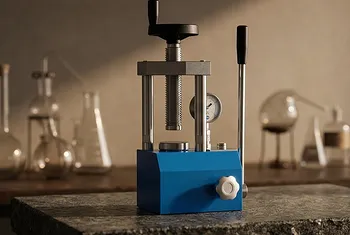
The Invisible Architecture: Why Precision Heat and Pressure Dictate Material Fate
Explore the systemic necessity of heated plate presses and steel molds in rubber nanocomposite vulcanization. Learn how controlled energy ensures chemical cross-linking fidelity.
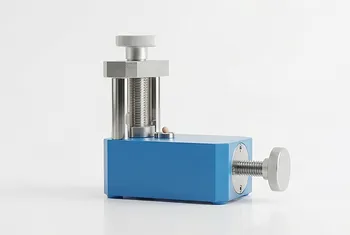
The Architecture of Force: Engineering Integrity in Copper-Based Composites
Explore how precision hydraulic pressing transforms loose copper powders into high-density green compacts, overcoming bridging effects and ensuring sintering success.
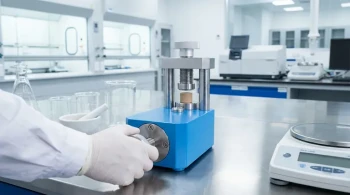
The Physics of Precision: Why Hydraulic Presses Dominate Where Control Matters Most
Discover why hydraulic presses excel beyond raw power. Learn how their precise control over force makes them essential for complex industrial and lab tasks.
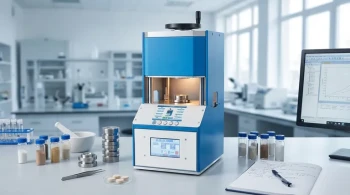
The Physics of Consistency: How Hydraulic Presses Overcome Human Error
Hydraulic presses use Pascal's Law to trade distance for force, overcoming human variability to deliver consistent, repeatable results in the lab.
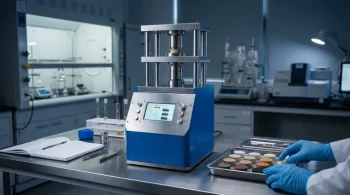
The Physics of Repeatability: Why Hydraulic Presses Are the Bedrock of Lab Consistency
Discover how hydraulic presses use Pascal's Law and engineering controls to deliver perfect, repeatable pressure for laboratory applications.
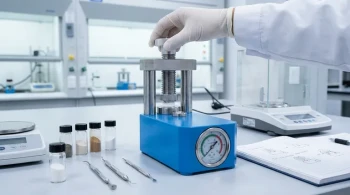
Beyond Brute Force: The Quiet Power of Controlled Pressure in Material Science
Explore how hydraulic presses offer more than just power. Discover the critical role of controlled force in applications from aerospace to lab material science.
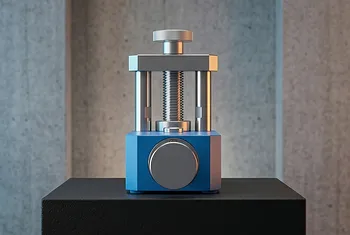
The Mechanics of Transformation: Why Pressure Redefines Wood Modification
Explore how thermo-mechanical coupling in hydraulic presses outperforms traditional ovens by enabling deep chemical penetration and structural stabilization.