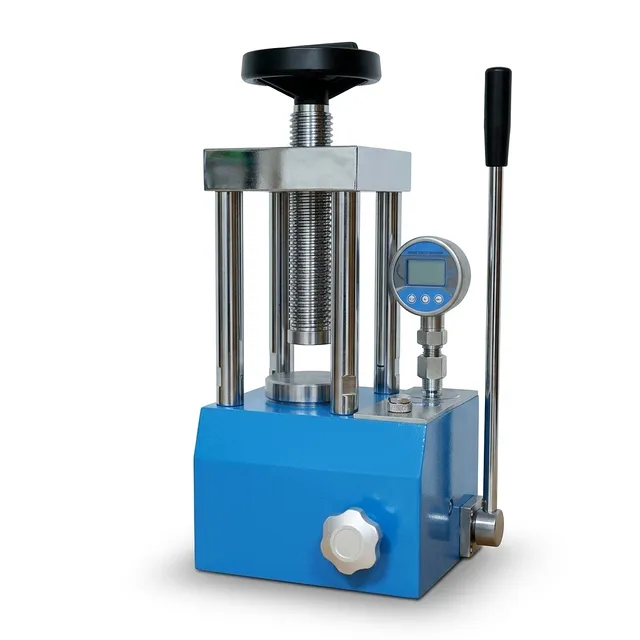
Manual Lab Press
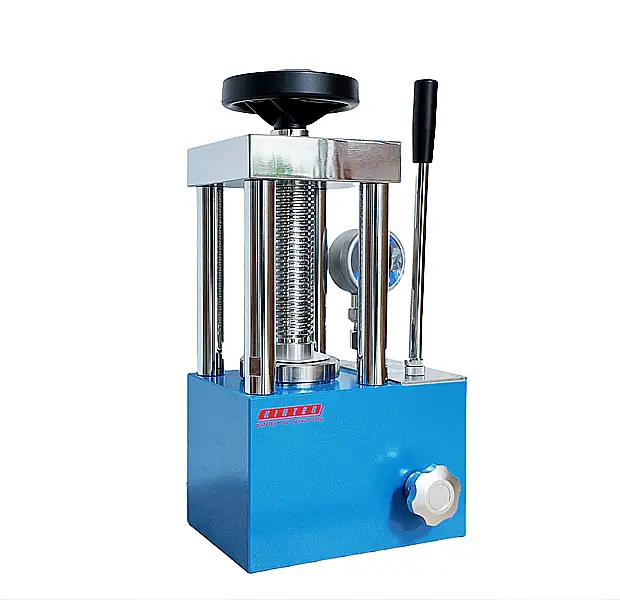
Manual Laboratory Hydraulic Pellet Press Lab Hydraulic Press
Item Number : PCMP
Price varies based on specs and customizations
- Pressure range
- 0-40T (25MPa~30MPa)
- Piston diameter
- Φ32mm~Φ130mm
- Workbench diameter
- Φ50mm~Φ140mm

Shipping:
Contact us to get shipping details Enjoy On-time Dispatch Guarantee.
Why Choose Us
Easy ordering process, quality products, and dedicated support for your business success.
Elevate Your Research with KINTEK Lab Hydraulic Presses
KINTEK specializes in providing high-performance lab press machines, including automatic lab presses, lab isostatic presses, and heated lab presses, meticulously designed to meet the demanding needs of modern laboratories. Whether you're in material research, pharmacy, catalytic reactions, ceramics, or electronic industries, our lab hydraulic presses are engineered for efficient and reliable sample preparation.
Discover how KINTEK can enhance your lab's efficiency and precision. For a personalized consultation or to request a quote, please contact us today.
Why Choose KINTEK Lab Hydraulic Presses? Key Benefits & Features
Our Manual Lab Hydraulic Presses are designed with the user in mind, offering a combination of performance, convenience, and durability:
- Compact & Portable: Small footprint and light weight make our presses easy to carry, move, and ideal for use within space-constrained environments like vacuum glove boxes.
- Efficient Operation: Features like the pressure gauge with double pressure indicators (displaying both pressure and pressure intensity) and a double scale dial save valuable time by eliminating complicated pressure conversions.
- Optimized for Spectroscopy:
- Our 12-24T model machines produce samples that meet the requirements for infrared spectrometer analysis.
- Our 24-40T model machines are suitable for samples intended for fluorescence spectrometer analysis.
- Durable & Leak-Proof Construction:
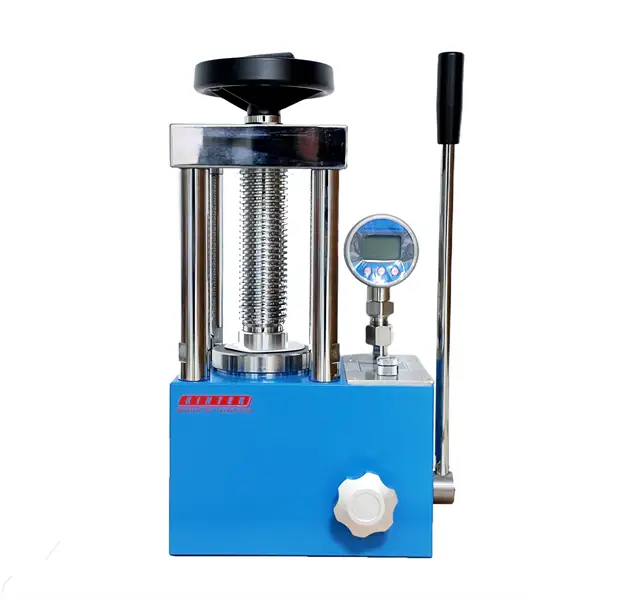
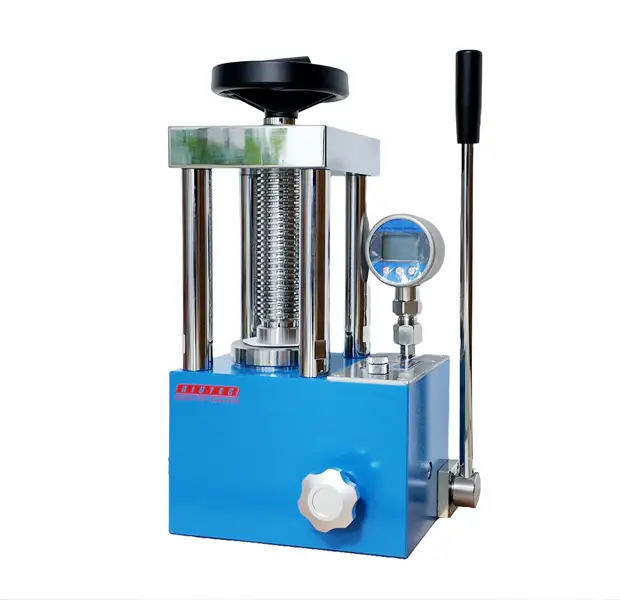
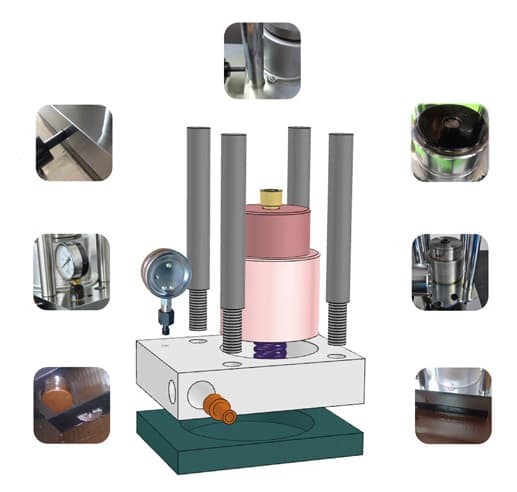
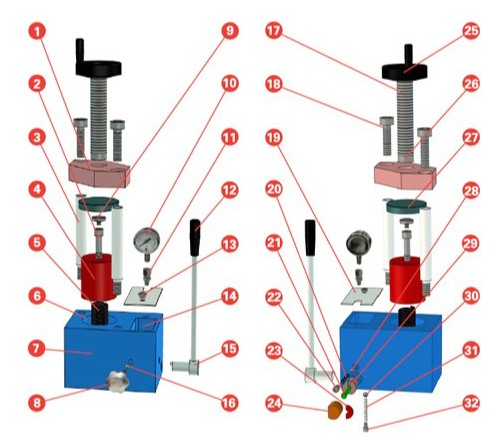
- Chrome-plated oil cylinder offers a smooth surface, rust prevention, and excellent sealing with high-quality rubber gaskets to prevent oil leakage.
- The integrated mainboard structure (oil sump, mainboard, oil cylinder in one body) minimizes sealing connections, further reducing the risk of leaks.
- Precision Engineering:
- Top board utilizes electroplated countersunk socket head cap screws for a beautiful, space-saving, and smooth finish.
- Extended tension springs provide excellent resilience, ensuring the oil cylinder (up to 30mm return trip for most models) doesn't deform easily.
- Dies are crafted from high-quality, imported Japanese quick-cutting steel, ensuring high hardness, resistance to deformation, and a long service life.
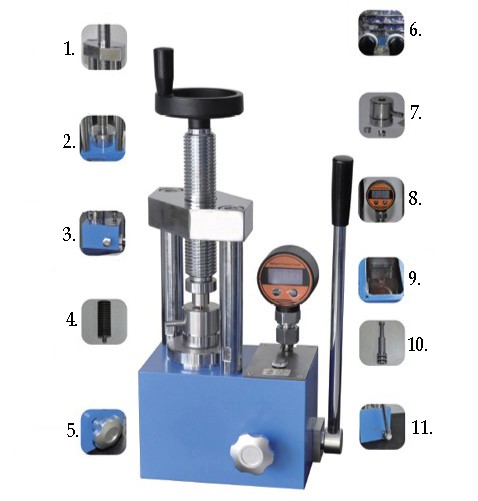
- An optional digital pressure gauge can offer pressure control accuracy as precise as 0.01MPa for highly sensitive applications.
- User-Friendly Design:
- Aluminum alloy hand-wheel is beautiful, practical, sturdy, and durable.
- The oil sump is conveniently located on the surface of the main unit for easy oil changes, and a hydraulic filter is integrated into the oil circuit.
- A dedicated plunger with a specially customized structure ensures an excellent sealing effect.
- The pressurizing device is strategically placed in the bottom of the main unit for a reasonable angle, saving pressurizing force and preventing tilt.
Need higher tonnage or specific modifications? Manual Lab Hydraulic Presses above 60T can be designed according to your unique requirements. Discuss your custom needs with our experts.
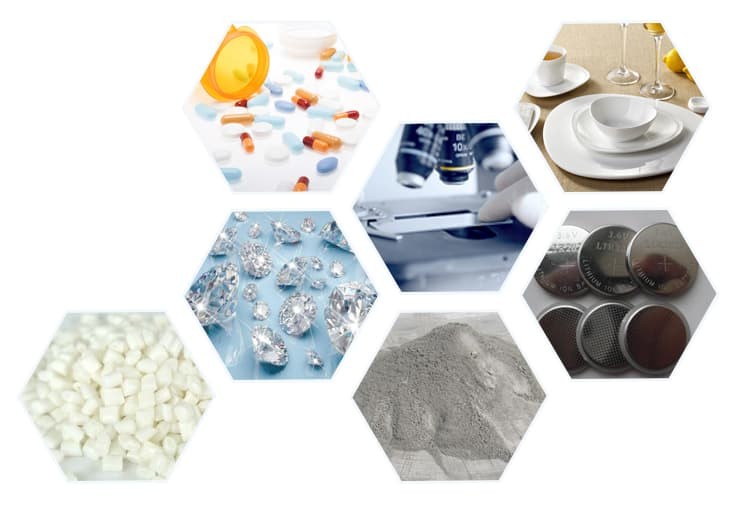
Versatile Applications
KINTEK Lab Hydraulic presses are indispensable tools, widely used for sample preparation in diverse fields:
- Material Researching Labs
- Pharmaceutical Development
- Catalytic Reaction Studies
- Ceramics Manufacturing and Testing
- Electronic Industries
Their efficiency, small footprint, and ability to operate within a vacuum glove box (for processing under vacuum environments) make them a valuable asset for any advanced laboratory.
Detailed Views & Components
Explore the meticulous design and quality components of our Manual Lab Hydraulic Presses.
Technical Specifications
Choose the model that best fits your laboratory's requirements. For assistance in selecting the right press, or for information on custom configurations, please get in touch with our specialists.
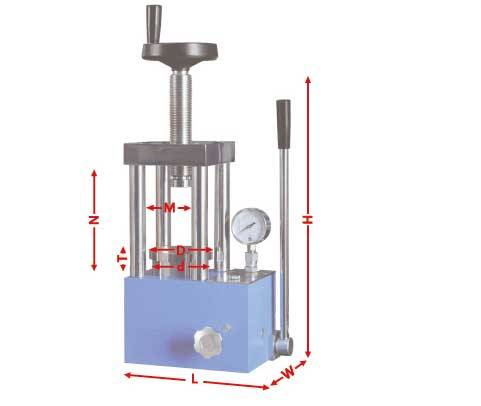
| Instrument model | PCMP-2T | PCMP-5T | PCMP-12T | PCMP-15T | PCMP-24T | PCMP-30T | PCMP-40T |
|---|---|---|---|---|---|---|---|
| Pressure range | 0-2T (25MPa) | 0-5T(0-31.4MPa) | 0-12T(0-30MPa) | 0-15T(0-30MPa) | 0-24T(0-34MPa) | 0-30T(0-31.5MPa) | 0-40T(0-30MPa) |
| Piston diameter | Φ32mm (d) | Φ45mm (d) | Φ70mm (d) | Φ80mm (d) | Φ95mm (d) | Φ110mm (d) | Φ130mm (d) |
| Integral structure | No sealing connection, oil leakage reduced | No sealing connection, oil leakage reduced | No sealing connection, oil leakage reduced | No sealing connection, oil leakage reduced | No sealing connection, oil leakage reduced | No sealing connection, oil leakage reduced | No sealing connection, oil leakage reduced |
| Pressure gauge | Pressure and pressure intensity display | Pressure and pressure intensity display | Pressure and pressure intensity display | Pressure and pressure intensity display | Pressure and pressure intensity display | Pressure and pressure intensity display | Pressure and pressure intensity display |
| Maximum pressure (T) | 30mm | 30mm | 30mm | 30mm | 30mm | 40mm | 50mm |
| Pressure stability | ≤1MPa/10min | ≤1MPa/10min | ≤1MPa/10min | ≤1MPa/10min | ≤1MPa/10min | ≤1MPa/10min | ≤1MPa/10min |
| Workbench diameter | Φ50mm (D) | Φ80mm (D) | Φ80mm (D) | Φ90mm (D) | Φ105mm (D) | Φ120mm (D) | Φ140mm (D) |
| Number of columns | Two | Two | Two | Two | Four | Four | Four |
| Working space | 85×120mm(M×N) | 96×130mm(M×N) | 96×130mm(M×N) | 140×150mm(M×N) | 80×150mm(M×N) | 92×160mm(M×N) | 106×185mm(M×N) |
| Dimensions | 210×150×350mm(L×W×H) | 225×155×380mm(L×W×H) | 225×155×380mm(L×W×H) | 245×175×390mm(L×W×H) | 245×175×415mm(L×W×H) | 275×195×420mm(L×W×H) | 295×215×500mm(L×W×H) |
| Weight | 12 Kg | 28Kg | 28Kg | 38Kg | 42Kg | 56Kg | 75Kg |
Easy Operation & Maintenance
Our Manual Lab Presses are designed for straightforward operation. Always prioritize safety by wearing protective gloves and eye goggles, and carefully review the user manual before use.
Step-by-Step Guide:
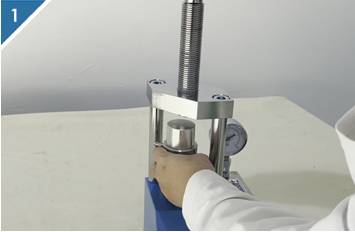
Step 1: Place the mold in the center of the tablet press.
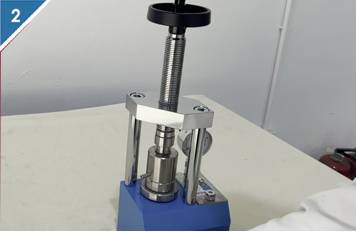
Step 2: Tighten the tablet press oil drain valve clockwise.
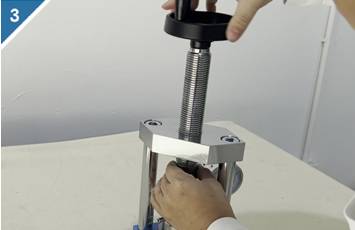
Step 3: Tighten the screw to fix the mold.
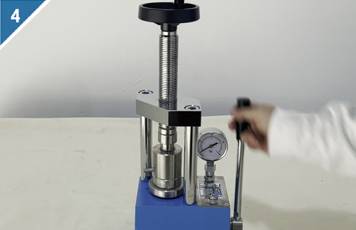
Step 4: Shake the handle pressure rod back and forth to reach the required pressure.
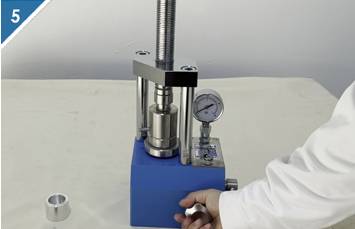
Step 5: Loosen the oil drain valve counterclockwise to release the pressure.
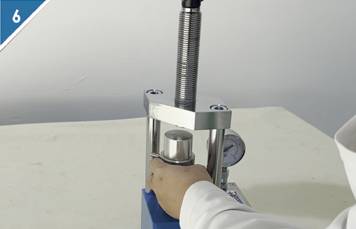
Step 6: Remove the pressed mold from the tablet press.
For detailed instructions on replacing accessories and other precautions, please click this link to learn more.
If you have any questions regarding operation, maintenance, or which press is right for you, don't hesitate to reach out to our support team.
Partner with KINTEK for Your Lab Press Needs
At KINTEK, we are committed to providing robust, reliable, and user-friendly lab press solutions that empower your research and development. Our expertise in lab equipment ensures you receive not just a machine, but a solution tailored to your laboratory's success.
Ready to enhance your sample preparation capabilities? Contact us via the form below to discuss your requirements, get a detailed quote, or learn more about our full range of laboratory presses.
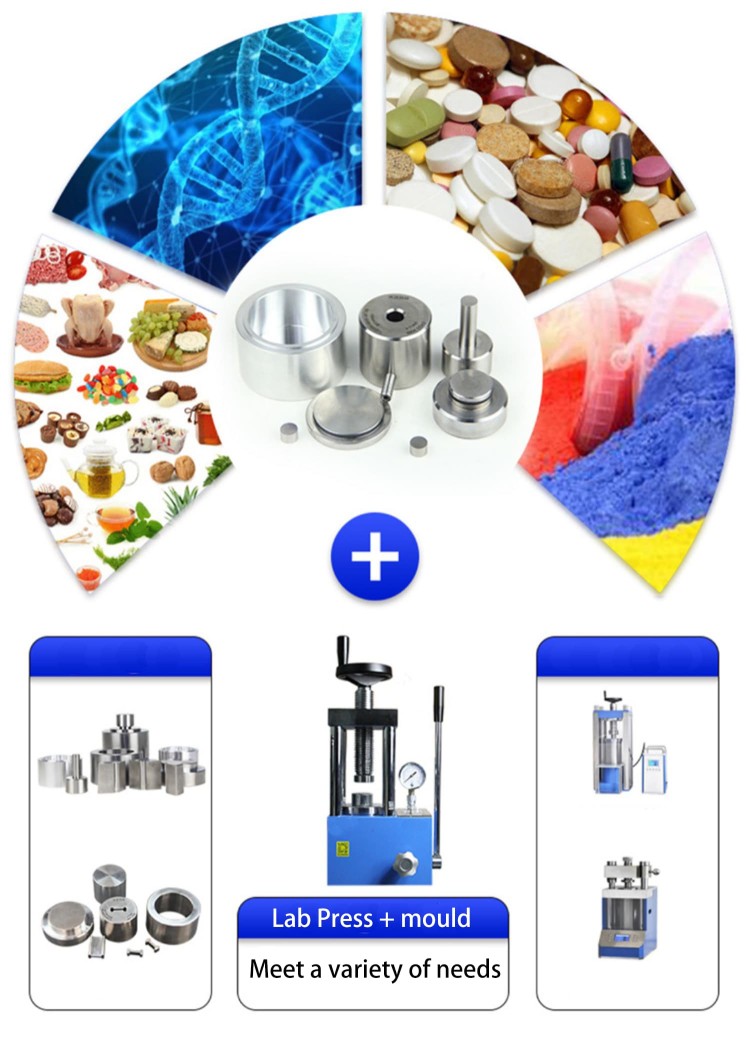
Full range of types of laboratory press molds
We have a full range of molds for you to choose from, and the molds fit the body perfectly.
If you need molds with special shapes, we can also customize them for you.
The Right Lab Press Awaits
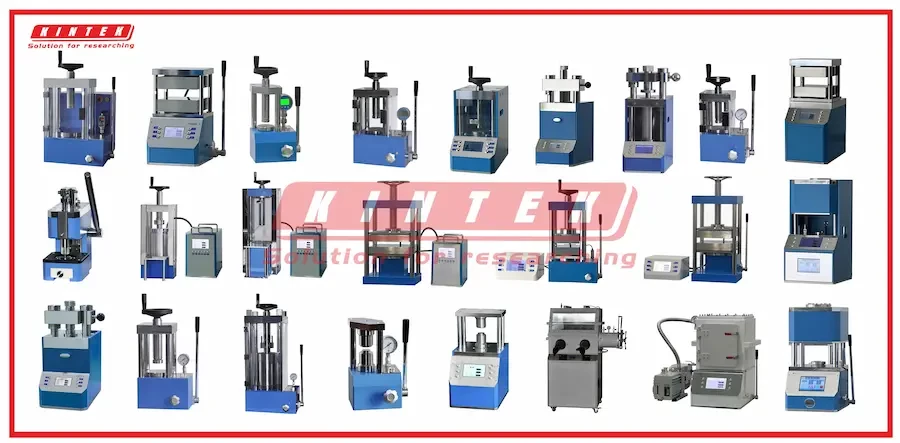
Expert Advice? We're Here. Get in Touch!
Trusted by Industry Leaders

FAQ
What Is A Laboratory Hot Press Machine Used For?
What Is A Laboratory Hydraulic Press Used For?
What Are The Main Applications Of A Laboratory Pellet Press?
What Are The Main Applications Of A KBr Pellet Press?
What Are The Main Applications Of Press Molds In Laboratories?
What Are The Key Features Of A Laboratory Hot Press Machine?
What Are The Main Features Of A Laboratory Hydraulic Press?
What Features Should I Consider When Choosing A Laboratory Pellet Press?
What Are The Key Features Of A KBr Pellet Press?
What Types Of Press Molds Are Available For Laboratory Use?
What Are The Main Components Of A Laboratory Hot Press Machine?
How Does A Laboratory Hydraulic Press Work?
How Does A Laboratory Pellet Press Work?
How Does A KBr Pellet Press Work?
What Are The Key Features Of Laboratory Press Molds?
How Does A Laboratory Hot Press Machine Work?
What Are The Advantages Of Using A Laboratory Hydraulic Press?
What Are The Advantages Of Using A Laboratory Pellet Press?
What Are The Advantages Of Using A KBr Pellet Press?
What Materials Are Commonly Used To Make Press Molds?
What Are The Advantages Of Using A Laboratory Hot Press Machine?
What Types Of Laboratory Hydraulic Presses Are Available?
What Types Of Laboratory Pellet Presses Are Available?
What Are The Drawbacks Of Manual KBr Pellet Presses?
What Are The Advantages Of Using Press Molds In Laboratories?
Why Is A Laboratory Hydraulic Press Ideal For Sample Preparation In Spectroscopy?
Can Press Molds Be Customized For Specific Laboratory Needs?
What Safety Features Are Included In Laboratory Hydraulic Presses?
How Do Press Molds Ensure High-precision Sample Preparation?
Can Laboratory Hydraulic Presses Be Used For High-temperature Applications?
What Are The Benefits Of Using Heated Press Molds?
How Do Press Molds Contribute To Efficient Laboratory Workflows?
What Should I Consider When Choosing A Press Mold For My Laboratory?
REQUEST A QUOTE
Our professional team will reply to you within one business day. Please feel free to contact us!
Related Products

Automatic Laboratory Hydraulic Press Lab Pellet Press Machine
Upgrade your lab with KINTEK's Automatic Lab Press – precision, efficiency, and versatility for superior sample preparation. Explore models now!

Manual Laboratory Hydraulic Press Lab Pellet Press
KINTEK's Protective Manual Lab Hydraulic Press ensures safe, precise sample preparation with durable construction, versatile applications, and advanced safety features. Ideal for labs.

Automatic Laboratory Hydraulic Press for XRF and KBR Pellet Pressing
KinTek XRF Pellet Press: Automated sample prep for precise XRF/IR analysis. High-quality pellets, programmable pressure, durable design. Boost lab efficiency today!

Manual Heated Hydraulic Lab Press with Integrated Hot Plates Hydraulic Press Machine
KINTEK's precision lab presses offer efficient, high-temperature sample prep for material research, pharmacy, and ceramics. Explore models now!

Laboratory Hydraulic Press 2T Lab Pellet Press for KBR FTIR
KINTEK 2T Lab Hydraulic Press for precise FTIR sample prep, durable KBr pellet creation, and versatile material testing. Ideal for research labs.

Laboratory Hydraulic Pellet Press for XRF KBR FTIR Lab Press
KINTEK Lab Press Machines: Precision hydraulic presses for sample prep. Automatic, heated, and isostatic models for research labs. Get expert advice now!

Laboratory Manual Heated Hydraulic Press Machine with Hot Plates
KINTEK's Manual Hot Press delivers precise material processing with controlled heat and pressure. Ideal for labs needing reliable bonds and high-quality samples. Contact us today!

Laboratory Split Manual Heated Hydraulic Press Machine with Hot Plates
Boost lab efficiency with KINTEK's heated lab presses—precise temperature control, durable design, and rapid cooling for consistent results. Explore now!

Laboratory Hydraulic Press Lab Pellet Press Machine for Glove Box
Precision lab press for glove boxes: Compact, leak-proof design with digital pressure control. Ideal for inert atmosphere material processing. Explore now!

Automatic Heated Hydraulic Press Machine with Hot Plates for Laboratory
KINTEK Automatic Lab Heat Press: Precision heating, programmable control, and rapid cooling for efficient sample preparation. Enhance lab productivity today!

Laboratory Hydraulic Press Lab Pellet Press Button Battery Press
KINTEK Lab Press Machines: Precision hydraulic presses for material research, pharmacy, and electronics. Compact, durable, and low maintenance. Get expert advice today!

Automatic Heated Hydraulic Press Machine with Heated Plates for Laboratory
KINTEK Automatic Heated Hydraulic Lab Press: Precision heating, uniform pressure, and automated control for superior sample processing. Ideal for labs and research. Contact us today!

Laboratory Hydraulic Split Electric Lab Pellet Press
KINTEK Split Electric Lab Press: Precision sample preparation for research. Compact, versatile, with advanced pressure control. Ideal for material studies.

Manual Cold Isostatic Pressing CIP Machine Pellet Press
KINTEK Lab Manual Isostatic Press ensures superior sample uniformity & density. Precision control, durable construction, and versatile forming for advanced lab needs. Explore now!

Automatic High Temperature Heated Hydraulic Press Machine with Heated Plates for Lab
KINTEK High Temperature Hot Press: Precision sintering & material processing for labs. Achieve extreme temperatures & consistent results. Custom solutions available.

24T 30T 60T Heated Hydraulic Lab Press Machine with Hot Plates for Laboratory
High-quality hydraulic lab presses for precise sample preparation. Choose automatic or heated models for material research, pharmacy, and more. Get a quote now!

Split Automatic Heated Hydraulic Press Machine with Heated Plates
KINTEK Split Automatic Heated Lab Press: Precision hydraulic press with 300°C heating for efficient sample preparation. Ideal for research labs.

Lab Ring Press Mold for Sample Preparation
High-precision Ring Press Dies for uniform pellets in labs & industry. Durable Cr12MoV alloy, sizes Φ3-80mm. Boost efficiency & accuracy today!

Heated Hydraulic Press Machine with Heated Plates for Vacuum Box Laboratory Hot Press
KINTEK Heated Hydraulic Lab Press with Vacuum Box ensures precise sample preparation. Compact, durable, and featuring digital pressure control for superior results.

Heated Hydraulic Press Machine With Heated Plates For Vacuum Box Laboratory Hot Press
Enhance lab precision with KINTEK's Heated Vacuum Lab Press for uniform, oxidation-free samples. Ideal for sensitive materials. Get expert advice now!
Related Articles
The Physics of Transparency: Why Pressure is the Silent Architect of Spectroscopic Clarity
Explore the critical role of laboratory hydraulic presses in FT-IR spectroscopy for Copper(II) complexes and how high-pressure molding eliminates light scattering for high-resolution data.
The Architecture of Density: Why Pressure is the Silent Architect of Solid-State Batteries
Explore how laboratory hydraulic presses transform sulfide powders into high-performance solid electrolytes by overcoming grain boundary resistance and porosity.
The Architecture of Heat: Why Sample Density Dictates the Truth in Metal Hydride Research
Explore how laboratory hydraulic presses bridge the gap between loose powders and accurate thermal conductivity data through precise density control and geometric standardization.
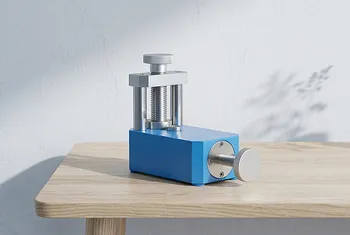
The Architecture of Density: Why Pressure is the Foundation of Precision
Discover why laboratory hydraulic presses are essential for sample pretreatment. Learn how consolidation, geometric uniformity, and density eliminate analytical noise.
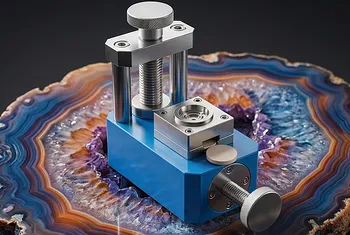
The Geometry of Electrons: Why Surface Precision is the Silent Partner in SECM Research
Discover how laboratory hydraulic presses transform powder catalysts into precision electrodes, eliminating topography errors and ohmic resistance in SECM analysis.
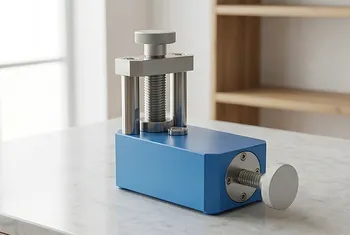
The Geometry of Ionic Flow: Why Precision Pressing Dictates Material Truth
Explore how laboratory hydraulic presses eliminate measurement artifacts in solid-state electrolytes like PbxSr1-xSnF4 by transforming powder into dense polycrystals.

The Physics of Trust: A Disciplined Approach to Laboratory Press Safety and Reliability
Explore the systemic risks of lab press neglect and how a disciplined maintenance protocol protects personnel, data, and your investment.
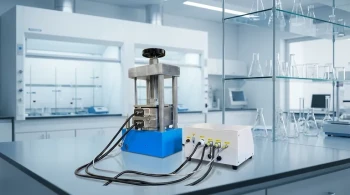
The Anatomy of Repeatability: Deconstructing the Modern Laboratory Press
Discover how lab press precision is a system, not a feature. It's a union of hydraulics, control feedback, and mechanical integrity.
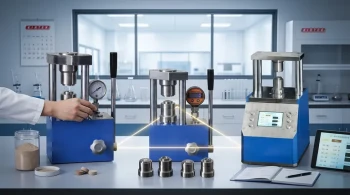
The Three-Body Problem of Pellet Pressing: Material, Machine, and Method
A systems-thinking approach to lab press issues, focusing on the interplay between material, machine, and method for consistent, reliable results.
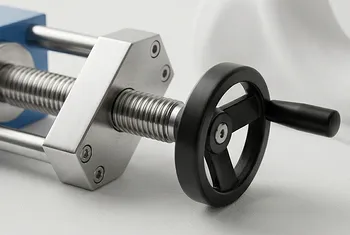
The Silent Symmetry: Why Homogeneity is the Soul of the Pressed Pellet
Explore how mixture homogeneity dictates the structural integrity and analytical reliability of micropore-confined organic solid pellets in laboratory pressing.
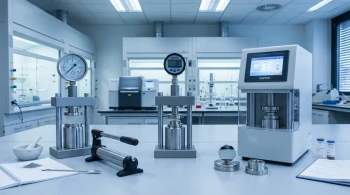
The Unseen Variable: Why Your Lab Press Dictates Your Data's Integrity
Learn why choosing a lab press is about repeatable outcomes, not just max pressure. A guide to matching a press to your application's needs.
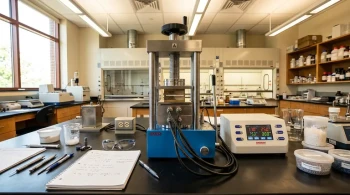
Beyond Tonnage: The Subtle Art of Specifying a Laboratory Press
Selecting a lab press requires a deep look beyond max tonnage. Discover how control, uniformity, and precise calculations lead to repeatable results.