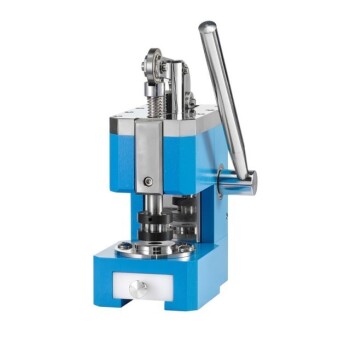
Laboratory microwave equipment facilitates extraction by structurally altering the seed at a cellular level. It generates electromagnetic radiation that rapidly ruptures the cell membranes of black cumin seeds, significantly reducing the physical resistance that normally impedes oil discharge. Additionally, the equipment utilizes a targeted thermal effect to stabilize the oil chemically by neutralizing degradation enzymes before the pressing begins.
Core Takeaway Microwave pretreatment acts as a dual-function catalyst for cold pressing: it physically breaks down cell barriers to boost extraction efficiency while chemically stabilizing the oil by neutralizing spoilage-causing enzymes.
Enhancing Extraction Efficiency
Rupturing Cell Membranes
The primary physical barrier to oil extraction is the seed's cellular structure. Microwave equipment generates electromagnetic radiation that interacts directly with the seed matrix.
This interaction rapidly induces the rupture of cell membranes. By breaking down these biological walls, the internal structure of the seed is opened up, making the oil more accessible.
Improving Mass Transfer
Once the cell membranes are ruptured, the "path of resistance" for the oil is removed.
This structural change significantly lowers the resistance to oil discharge. Consequently, mass transfer efficiency improves, allowing a higher volume of oil to be released during the subsequent pressing phase compared to untreated seeds.
Preserving Oil Quality and Stability
Thermal Inactivation of Enzymes
Beyond physical structure, microwave treatment addresses chemical stability through a controlled thermal effect.
This heat effectively inactivates specific enzymes native to the seeds, specifically lipase and lipoxygenase. Without this step, these enzymes would remain active and degrade the oil quality over time.
Controlling Oxidation and Hydrolysis
The inactivation of enzymes is critical for the long-term viability of the oil.
By suppressing lipase and lipoxygenase, the process prevents hydrolysis and oxidation reactions during both extraction and storage. This helps strictly control the Acid Value (AV) and Peroxide Value (PV), ensuring the oil remains fresh and stable.
Alignment with Clean Label Standards
Avoiding Organic Solvents
Utilizing laboratory microwave equipment in conjunction with cold pressing supports a physical extraction methodology.
This approach eliminates the need for organic solvents like hexane. This ensures the chemical purity of the final product and aligns with "Clean Label" industry trends that prioritize safety and transparency.
Retaining Bioactive Integrity
Because the microwave-assisted process yields high-quality oil, post-processing requirements are minimized.
The resulting oil typically does not require complex refining steps such as degumming, deacidification, or bleaching. This allows the oil to retain its original flavor profile and natural bioactive compounds, making it ideal for pharmaceutical and premium food applications.
Understanding the Trade-offs
Managing Thermal Input
While the thermal effect is beneficial for enzyme inactivation, it introduces a variable that must be carefully managed.
The goal of "cold pressing" is to minimize heat damage. Therefore, the microwave treatment must be precise; excessive heating could inadvertently degrade heat-sensitive nutrients or compromise the classification of the oil as "cold-pressed."
Making the Right Choice for Your Goal
To maximize the benefits of microwave-assisted extraction, align your process parameters with your specific end-product requirements:
- If your primary focus is Extraction Yield: Prioritize the intensity of the electromagnetic radiation to ensure maximum rupture of cell membranes for improved mass transfer.
- If your primary focus is Shelf-Life Stability: Focus on the thermal parameters to ensure complete inactivation of lipase and lipoxygenase, thereby keeping Acid and Peroxide Values low.
- If your primary focus is Clean Label Certification: Emphasize the solvent-free nature of the physical extraction process to appeal to premium food and pharmaceutical markets.
By leveraging microwave technology to target cellular resistance and enzymatic activity, you transform a standard mechanical process into a highly efficient, stability-focused extraction system.
Summary Table:
| Feature | Impact on Extraction | Primary Benefit |
|---|---|---|
| Microwave Radiation | Ruptures cellular membranes | Increases mass transfer & oil yield |
| Thermal Effect | Inactivates Lipase & Lipoxygenase | Lowers Acid Value (AV) & Peroxide Value (PV) |
| Physical Process | Eliminates organic solvents | Supports 'Clean Label' & chemical purity |
| Enzyme Control | Prevents hydrolysis & oxidation | Extends shelf-life & bioactive integrity |
Elevate Your Extraction Efficiency with KINTEK
Maximize your laboratory's potential with KINTEK’s precision microwave and pressing solutions. Whether you are optimizing battery research or extracting high-value bio-oils, our comprehensive range of manual, automatic, heated, and isostatic presses is designed to meet the most rigorous scientific standards.
Our value to you:
- Precision Control: Achieve the perfect balance of thermal inactivation and structural rupture.
- Versatile Solutions: Specialized equipment for diverse applications, from pharmaceutical oils to advanced material research.
- Enhanced Stability: Ensure the chemical purity and long-term stability of your final products.
Ready to transform your extraction or pressing workflow? Contact KINTEK today to find the perfect laboratory solution for your specific goals!
References
- Mina Sanati Agah, Samad Bodbodak. Quality of oil extracted by cold press from <i>Nigella sativa</i> seeds conditioned and pre‐treated by microwave. DOI: 10.1002/fsn3.4021
This article is also based on technical information from Kintek Solution Knowledge Base .
Related Products
- Lab Manual Microtome Slicer for Tissue Sectioning
- Cylindrical Lab Electric Heating Press Mold for Laboratory Use
- Lab Double Plate Heating Mold for Laboratory Use
- Laboratory Hydraulic Press Lab Pellet Press Machine for Glove Box
- Electric Lab Cold Isostatic Press CIP Machine
People Also Ask
- Why is a precision disc cutter used to process samples? Ensure Accuracy in Gel Content and Swelling Ratio Testing
- Why is it necessary to use a high-precision disc cutter for coin cells? Ensure Data Accuracy and Prevent Shorts
- How does a precision disc puncher ensure experimental accuracy? Standardize Your Battery Research Samples
- How do chemical etchants assist in Micro EDM microstructure analysis? Reveal Heat-Affected Zones and Recast Layers
- Why is a blade grinder necessary for PLA composites? Master Pretreatment for Perfect Hot-Press Molding