Molds & Accessories
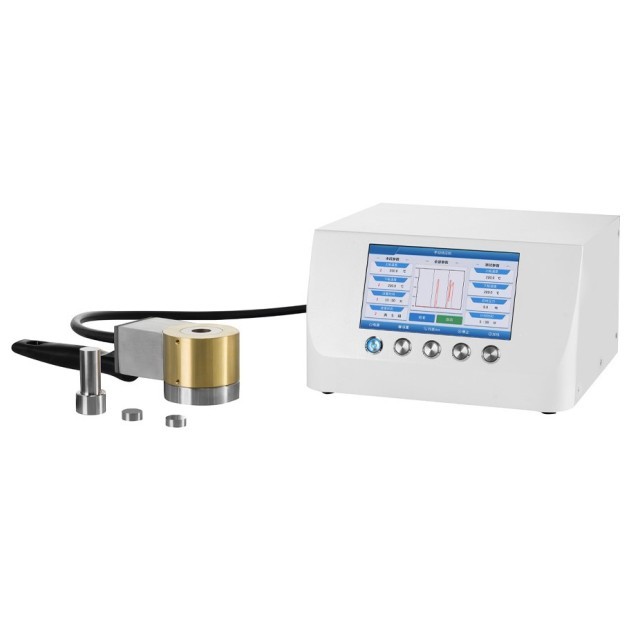
Cylindrical Lab Electric Heating Press Mold for Laboratory Use
Item Number : PMH
Price varies based on specs and customizations
- Heating temperature
- Room temperature-300.0°C (Models up to 500°C available)
- Sample size
- Φ10, Φ13, Φ15, Φ20, Φ30, Φ40mm (Customizable)
- Power supply
- 300 W (220V/110V can be customized)

Shipping:
Contact us to get shipping details Enjoy On-time Dispatch Guarantee.
Why Choose Us
Easy ordering process, quality products, and dedicated support for your business success.
Discover the KINTEK Cylindrical Electric Heating Press Mold
KINTEK's Cylindrical Lab Electric Heating Press Mold is engineered for superior performance and efficiency in your laboratory. Benefit from its compact design, rapid heating capabilities (up to 500°C with a heating rate of 10-15°C/min), high-temperature stability, and intuitive, user-friendly operation. This versatile mold is designed to efficiently prepare samples ranging in size from Φ5mm to Φ40mm. For enhanced temperature control, it can be equipped with an optional water cooling device. Whether your research involves batteries, superconductors, ceramics, or new material development, our heated press mold is built to deliver consistent and reliable sample preparation.
Product Details & Interface
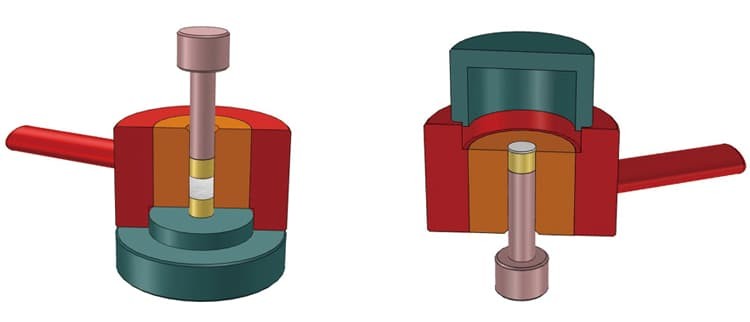
Explore the key components and user interface of our Cylindrical Electric Heating Mold:
![Cylindrical electric heating mold [300℃]](https://image.kinteksolution.com/images/products/112/CwWPjZpLfQblFxDH0Dyw.jpg)
![Cylindrical electric heating mold [500℃]](https://image.kinteksolution.com/images/products/112/WYZi02fVZsR1Qh0ayRWC.jpg)
Intuitive Operation Interface
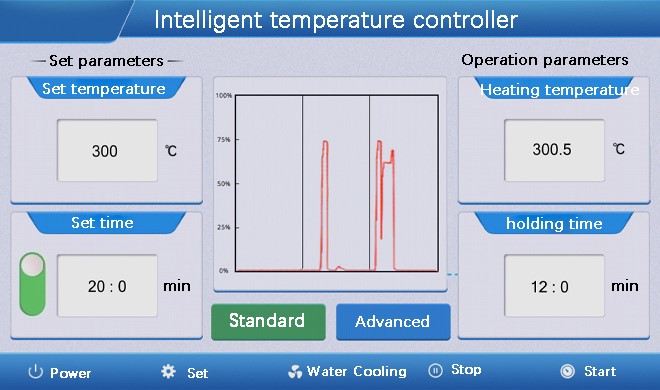
Operation interface - (Standard mode)
- Standard Interface: Easily set the mold heating temperature and constant temperature time.
- Water Cooling Button: Control an externally connected water cooling machine directly through the thermostat for efficient cooling.
- Heating Button: Initiate the mold heating process with a single press.
- Stop Button: Safely stop the mold heating process at any time.
- Timing Switch: Conveniently turn the timing function on or off as needed.
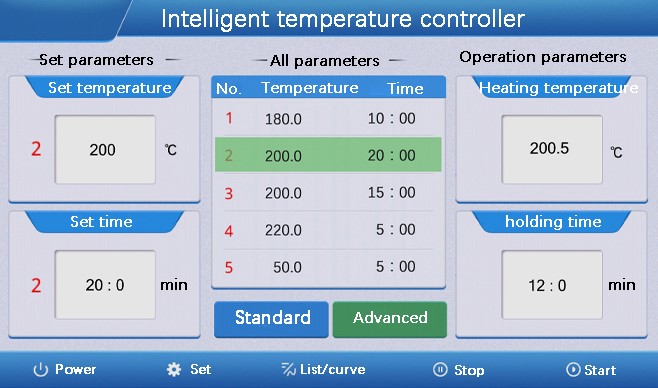
- Start Button (Advanced Mode): Execute multi-stage heating programs for complex applications.
- Stop Button (Advanced Mode): Halt the heating process during a program if necessary.
- List/Curve Display: Switch between list view and a curve chart for real-time monitoring of the heating process.
Technical Specifications
| Press the shape of the sample | 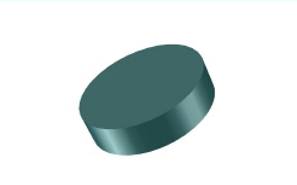 |
| Heatingtemperature | Room temperature-300.0C (Models up to 500°C available) |
| Material of lint | Alloy tool steel:440C |
| indenter hardness | HRC60-HRC62 |
| Sample size | Φ10, Φ13, Φ15, Φ20, Φ30, Φ40mm (Customizable) |
| Depth ofcavity | 40mm(N) |
| External dimansions | Φ78*138mm, Φ90*138mm(L**H) |
| Power supply | 300 W (220V/110V can be customized) |
| Mold weight | Approximately 9kg |
| Dimensional diagram | 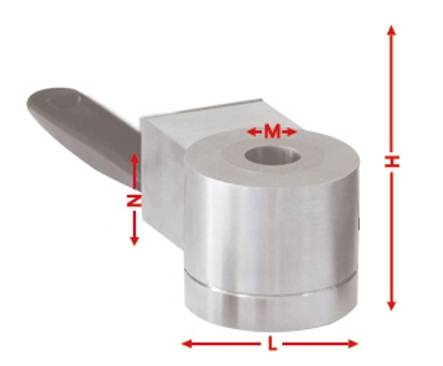 |
Mold Pressure Conversion Table
| Mold pressure [Mpa] | 50 | 100 | 300 | 400 | 600 | 800 | 1000 | 1200 | 1500 |
|---|---|---|---|---|---|---|---|---|---|
| Φ8 T | 0.25 | 0.5 | 1.5 | 2.01 | 3.01 | 4.02 | 5.02 | 6.03 | 7.53 |
| Φ10 T | 0.39 | 0.78 | 2.35 | 3.14 | 4.71 | 6.28 | 7.85 | 9.42 | 11.7 |
| Φ12 T | 0.56 | 1.13 | 3.39 | 4.52 | 6.78 | 9.04 | 11.3 | 13.5 | 16.9 |
| Φ13 T | 0.66 | 1.32 | 3.98 | 5.3 | 7.96 | 10.6 | 13.2 | 15.9 | 19.9 |
| Φ15 T | 0.88 | 1.76 | 5.3 | 7.06 | 10.6 | 14.1 | 17.6 | 21.2 | 26.5 |
| Φ20 T | 1.57 | 3.14 | 9.42 | 12.5 | 18.8 | 25.1 | 31.4 | 37.6 | 47.1 |
Tip: Molds are generally used within the range of 100-800MPa. The maximum pressure limit for these molds is 1500MPa.
Wide Range of Applications
Our Cylindrical Electric Heating Press Mold is indispensable for sample preparation across various scientific and industrial fields. It is widely utilized in:
- Battery Research: Preparing electrode materials and solid electrolytes.
- Superconductor Development: Crafting high-density superconductor samples.
- Cement and Ceramics: Forming samples for material testing and analysis.
- Catalysis: Preparing catalyst pellets for performance evaluation.
- Silicate Analysis: Creating samples for compositional and structural studies.
- Powder Metallurgy: Compacting metal powders for sintering.
- Geological and Marine Sciences: Analyzing sea mud and other geological samples.
- Biochemical Analysis: Preparing samples for various biochemical assays.
- New Material R&D: A crucial tool for developing and testing novel materials.
Furthermore, this versatile mold is compatible with various analytical instruments, including calcium iron analyzers, infrared spectrometers, X-ray fluorescence (XRF) spectrometers, and other testing equipment, facilitating seamless integration into your existing laboratory workflows.
Simple Operation Steps
Follow these straightforward steps to prepare your samples using the Cylindrical Electric Heating Mold:
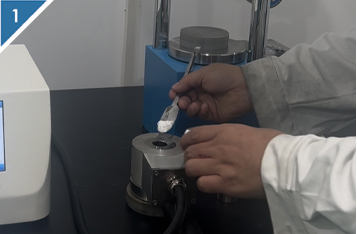
1. Place the sample powder or material into the mold cavity.
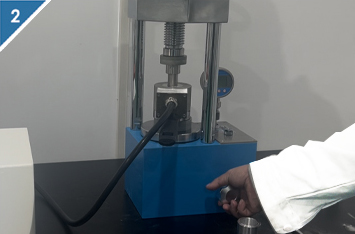
2. Assemble the mold and position it centrally within your lab press.
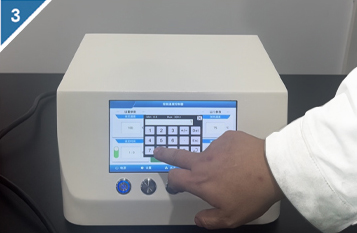
3. Connect the heating controller and set the desired temperature and time.
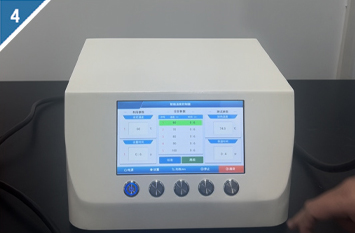
4. Initiate the heating process and wait for the set temperature to be reached.
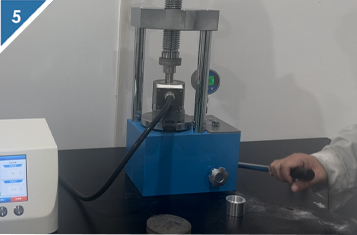
5. Apply the required pressure using your lab press once the sample is heated.
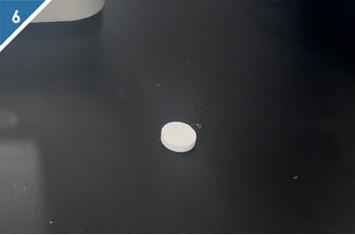
6. Carefully release pressure, remove the mold, and extract your pressed sample.
Custom Solutions & Expert Support from KINTEK
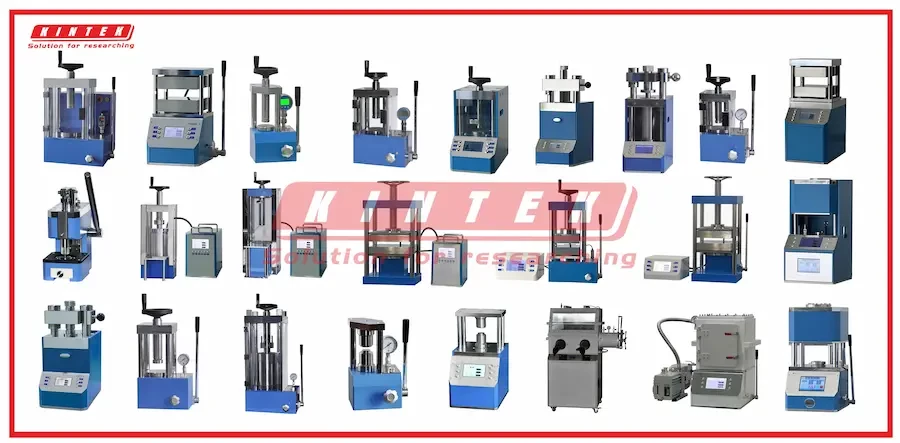
As specialists in laboratory press machines—including automatic lab presses, lab isostatic presses, and heated lab presses—KINTEK is committed to providing solutions tailored to your unique research needs. Our Cylindrical Electric Heating Press Molds can be customized to your exact specifications. This includes non-standard sample sizes and specific power supply requirements (220V/110V options available).
Ready to optimize your sample preparation process? Need a custom mold configuration or have technical questions? Our experienced team is here to help you find the perfect solution. Contact us today for a personalized consultation, to discuss your customization needs, or to request a detailed quote. Enhance your laboratory's capabilities with KINTEK.
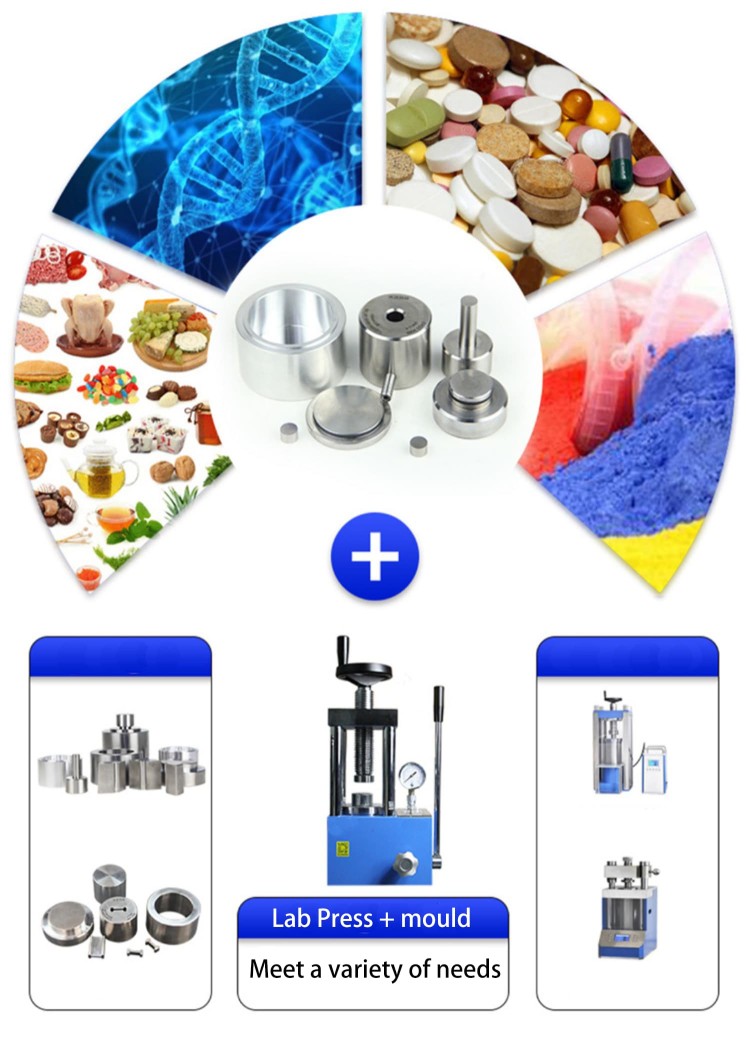
Full range of types of laboratory press molds
We have a full range of molds for you to choose from, and the molds fit the body perfectly.
If you need molds with special shapes, we can also customize them for you.
The Right Lab Press Awaits
Expert Advice? We're Here. Get in Touch!
Trusted by Industry Leaders

FAQ
What Are The Main Applications Of Press Molds In Laboratories?
What Is A Laboratory Hot Press Machine Used For?
What Types Of Press Molds Are Available For Laboratory Use?
What Are The Key Features Of A Laboratory Hot Press Machine?
What Are The Key Features Of Laboratory Press Molds?
What Are The Main Components Of A Laboratory Hot Press Machine?
What Materials Are Commonly Used To Make Press Molds?
How Does A Laboratory Hot Press Machine Work?
What Are The Advantages Of Using Press Molds In Laboratories?
What Are The Advantages Of Using A Laboratory Hot Press Machine?
Can Press Molds Be Customized For Specific Laboratory Needs?
How Do Press Molds Ensure High-precision Sample Preparation?
What Are The Benefits Of Using Heated Press Molds?
How Do Press Molds Contribute To Efficient Laboratory Workflows?
What Should I Consider When Choosing A Press Mold For My Laboratory?
REQUEST A QUOTE
Our professional team will reply to you within one business day. Please feel free to contact us!
Related Products

Lab Heat Press Special Mold
Precision KINTEK lab press molds for reliable sample prep. Durable, customizable, and ideal for diverse research needs. Enhance your lab's efficiency today!

Infrared Heating Quantitative Flat Plate Mold for Precise Temperature Control
Precise Infrared Heating Flat Plate Mold for labs - uniform heat distribution, PID control, high-temperature stability. Enhance your sample prep today!

Lab Infrared Press Mold for No Demolding
Streamline infrared sample prep with KINTEK's non-demountable molds—achieve high transmittance without demolding. Ideal for spectroscopy.

Lab Double Plate Heating Mold for Laboratory Use
Precision Double Plate Heating Mold for labs, featuring dual-zone temperature control, rapid cooling, and uniform heating. Ideal for material testing and sample preparation.

XRF KBR Plastic Ring Lab Powder Pellet Pressing Mold for FTIR
XRF Powder Pellet Pressing Mold with Plastic Rings for precise sample preparation. Achieve uniform pellets with durable alloy tool steel construction. Custom sizes available.

Lab Infrared Press Mold for Laboratory Applications
KINTEK's lab press molds ensure precise sample preparation with durable tungsten carbide construction. Ideal for FTIR, XRF, and battery research. Custom sizes available.

Lab Cylindrical Press Mold for Laboratory Use
Precision cylindrical press molds for lab sample prep. Durable, high-performance, and customizable for XRF, battery research, and material testing. Get yours today!

Special Shape Lab Press Mold for Laboratory Applications
Special Shape Press Molds for precise lab applications. Customizable, high-pressure performance, and versatile shapes. Ideal for ceramics, pharmaceuticals, and more. Contact KINTEK today!

Lab Round Bidirectional Press Mold
Precision Round Bidirectional Press Mold for lab use, high-density compaction, Cr12MoV alloy steel. Ideal for powder metallurgy & ceramics.

Lab Polygon Press Mold
Precision Polygon Press Mold for metal powders & materials. Custom shapes, high-pressure compaction, durable design. Ideal for labs & manufacturing.

Lab Ring Press Mold for Sample Preparation
High-precision Ring Press Dies for uniform pellets in labs & industry. Durable Cr12MoV alloy, sizes Φ3-80mm. Boost efficiency & accuracy today!

Lab Cylindrical Press Mold with Scale
KINTEK's Cylindrical Press Mold ensures precision material processing with uniform pressure, versatile shapes, and optional heating. Ideal for labs and industries. Get expert advice now!

Square Bidirectional Pressure Mold for Lab
Achieve high-precision powder molding with KINTEK's Square Bidirectional Pressure Mold for superior lab results. Explore now!

Assemble Square Lab Press Mold for Laboratory Use
KINTEK's Assemble Lab Press Mold ensures precise sample prep for delicate materials, preventing damage with quick-disassembly design. Ideal for thin strips & reliable demolding.

Automatic Heated Hydraulic Press Machine with Heated Plates for Laboratory
KINTEK Automatic Heated Hydraulic Lab Press: Precision heating, uniform pressure, and automated control for superior sample processing. Ideal for labs and research. Contact us today!

Split Automatic Heated Hydraulic Press Machine with Heated Plates
KINTEK Split Automatic Heated Lab Press: Precision hydraulic press with 300°C heating for efficient sample preparation. Ideal for research labs.

Automatic Heated Hydraulic Press Machine with Hot Plates for Laboratory
KINTEK Automatic Lab Heat Press: Precision heating, programmable control, and rapid cooling for efficient sample preparation. Enhance lab productivity today!

Heated Hydraulic Press Machine With Heated Plates For Vacuum Box Laboratory Hot Press
Enhance lab precision with KINTEK's Heated Vacuum Lab Press for uniform, oxidation-free samples. Ideal for sensitive materials. Get expert advice now!

Heated Hydraulic Press Machine with Heated Plates for Vacuum Box Laboratory Hot Press
KINTEK Heated Hydraulic Lab Press with Vacuum Box ensures precise sample preparation. Compact, durable, and featuring digital pressure control for superior results.

Automatic High Temperature Heated Hydraulic Press Machine with Heated Plates for Lab
KINTEK High Temperature Hot Press: Precision sintering & material processing for labs. Achieve extreme temperatures & consistent results. Custom solutions available.
Related Articles

The Geometry of Energy: Why Precision Pressing Dictates Radiation Outcomes
Discover how electric heated laboratory presses eliminate physical variables in rubber specimens to ensure uniform radiation cross-linking and repeatable results.
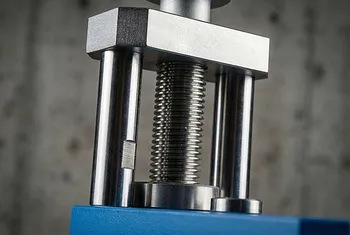
The Conscience of the Lab: Precision, Pressure, and the Invisible Architecture of Rubber
Discover how electrically heated laboratory presses master vulcanization and geometric precision to transform raw rubber into standardized, high-performance specimens.
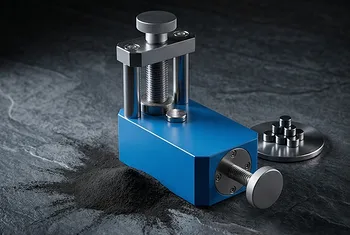
The Glass Transition Ritual: Why Heat is the Secret Language of High-Density Materials
Discover how integrated heating in pressure molds transforms wood from brittle to ductile by reaching the lignin glass transition temperature.

The Geometry of Resilience: Why the Electric Press is the Soul of Vulcanization
Discover how the electric heating press synchronizes thermal energy and mechanical force to transform raw rubber into high-performance industrial materials.
Precision's Edge: The Physics and Psychology of Temperature Control in Laboratory Presses
Mastering thermal control in a lab press is about managing the delicate interplay of heating, holding, and cooling to eliminate uncertainty.
The Architecture of Pressure: Engineering the Transformation of Structural Composites
Explore the critical role of heated laboratory presses in OSL production, balancing thermal energy and mechanical force to forge high-performance materials.
Beyond Brute Force: The Science of Precision in Heated Lab Presses
Explore how heated lab presses use precise control of temperature and pressure to achieve repeatable material quality, transforming approximation into science.
The Slow Creep of Inaccuracy: Mastering the Hidden Physics of Heated Lab Presses
Lab press maintenance isn't about fixing failures; it's a discipline against the gradual drift into inconsistency that undermines research integrity.
Clarity from Chaos: Mastering Sample Preparation for FTIR Spectroscopy
Discover how a heated lab press turns opaque powders into transparent pellets, eliminating light scattering for pristine FTIR spectroscopy data.
The Unseen Architecture of a Pill: Why Heat Engineers Pharmaceutical Trust
Heated lab presses engineer tablets by enhancing particle bonding, ensuring uniform dosage, and controlling drug release for improved safety and efficacy.
From Powder to Proof: Mastering Material Transformation with Heated Lab Presses
Discover how heated lab presses provide the controlled heat and pressure essential for repeatable sample preparation in spectroscopy and material science.
Beyond Tonnage: The Art and Science of Choosing Your Next Lab Press
Choosing a heated lab press isn't about max specs; it's about matching force, temperature, and geometry to your specific process window for repeatable results.