The packaging requirements for lithium-ion pouch cells using VC and DMFu additives center on absolute seal integrity and chemical compatibility. To support the thermal shutdown capability of these specific electrolytes, the packaging process—typically utilizing aluminum plastic films—must mandate extremely high airtightness and demonstrated resistance to electrolyte corrosion, particularly at the sealed edges.
The success of the thermal shutdown mechanism depends entirely on maintaining a specific internal chemical environment. Consequently, the packaging must prevent any leakage or ingress that would dilute the monomer concentration required to block separator voids during a high-temperature event.
Critical Material and Sealing Standards
The Necessity of High Airtightness
Pouch cells utilizing this specific electrolyte chemistry rely on soft packaging, generally composed of aluminum plastic films.
The primary imperative for this material is extremely high airtightness. Even microscopic permeation can destabilize the electrolyte, compromising the specific additives (VC and DMFu) intended for safety protection.
Resistance to Edge Corrosion
The structural weak point of any pouch cell is the seal.
For electrolytes containing VC (Vinylene Carbonate) and DMFu (Dimethyl Fumarate), the packaging material must be specifically resistant to electrolyte corrosion at the sealed edges. If the seal degrades due to chemical interaction, the cell loses containment, rendering the safety mechanism useless.
Process Control for Safety Mechanisms
Precision in Electrolyte Injection
The packaging process extends beyond the external film to the filling of the cell.
The electrolyte injection process must be controlled with high precision. Inaccurate dosing can lead to insufficient availability of the reactive monomers required for the cell's safety features.
Enabling the Thermal Shutdown Effect
The core function of VC and DMFu in this context is to trigger a reaction during thermal runaway.
The packaging and injection must ensure the monomer concentration is sufficient to completely block the separator voids when high-temperature reactions occur. This physical blocking of the separator is the mechanism that achieves the intended thermal shutdown effect.
Common Pitfalls to Avoid
Overlooking Chemical Compatibility
A common error is assuming standard pouch materials are universally compatible with all electrolyte additives.
The specific corrosive potential of VC and DMFu mixtures requires validation of the sealant layer's compatibility to prevent delamination or leakage over time.
Inconsistent Monomer Concentration
If the packaging process allows for evaporation or inconsistent injection, the concentration of safety additives may vary.
If the concentration falls too low, the blocking mechanism will fail to engage effectively during a thermal spike, leaving the cell vulnerable to runaway.
Ensuring Safety Through Packaging
To maximize the reliability of your lithium-ion cells, align your packaging protocols with your safety goals:
- If your primary focus is Long-Term Reliability: Verify that your aluminum plastic film selection has documented corrosion resistance specifically against VC and DMFu at the sealing edges.
- If your primary focus is Safety Performance: Implement rigorous quality controls on electrolyte injection volumes to guarantee the monomer concentration required for separator void blocking is always met.
The integrity of your packaging is not just about containment; it is the prerequisite for the chemical reactions that ensure the safety of your battery.
Summary Table:
| Requirement Category | Key Specification | Impact on Safety/Performance |
|---|---|---|
| Material Selection | High-barrier aluminum plastic film | Prevents moisture ingress and electrolyte leakage |
| Seal Integrity | Enhanced edge corrosion resistance | Maintains containment against reactive VC and DMFu additives |
| Injection Control | High-precision dosing | Ensures sufficient monomer concentration for separator blocking |
| Mechanism Support | Thermal shutdown compatibility | Allows additives to effectively block separator voids at high temps |
Optimize Your Battery Research with KINTEK
Precision in packaging is the foundation of battery safety and performance. KINTEK specializes in comprehensive laboratory pressing solutions, providing the advanced tools necessary for high-stakes battery research. Whether you need manual, automatic, heated, or glovebox-compatible models, our equipment ensures the seal integrity and consistency your pouch cell development demands.
From cold and warm isostatic presses to specialized lab scales, we empower researchers to achieve perfect electrolyte containment and reliable thermal shutdown mechanisms.
Ready to elevate your battery production standards? Contact KINTEK today to find the ideal solution for your laboratory needs!
References
- Arnab Ghosh, De‐Yi Wang. Deciphering a New Electrolyte Formulation for Intelligent Modulation of Thermal Runaway to Improve the Safety of Lithium‐Ion Batteries. DOI: 10.1002/adfm.202502761
This article is also based on technical information from Kintek Solution Knowledge Base .
Related Products
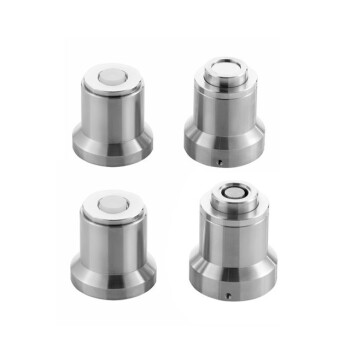
- Lab Button Battery Disassembly and Sealing Mold
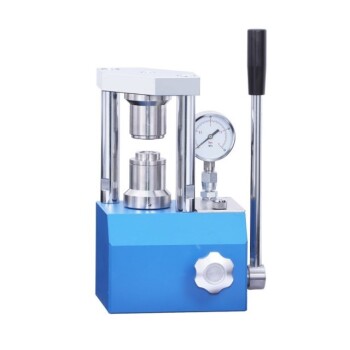
- Manual Button Battery Sealing Machine for Battery Sealing
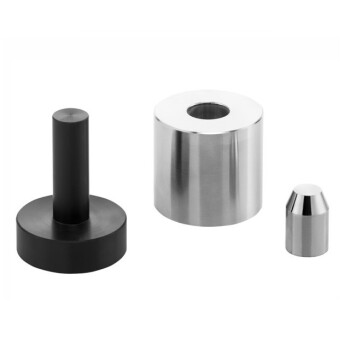
- Lab Cylindrical Press Mold for Laboratory Use
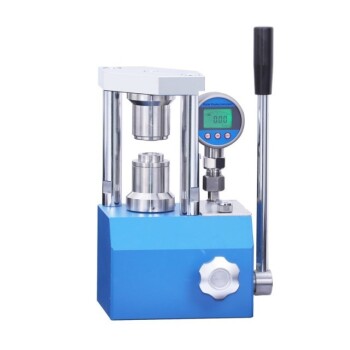
- Button Battery Sealing Machine for Button Batteries
- Button Battery Sealing Press Machine for Lab
People Also Ask
- How does a sealed battery mold facilitate the assembly and testing of asymmetric supercapacitors using VO2?
- What is the function of specialized battery molds and sealing consumables? Optimize Your In-situ XRD Testing Today
- How does the geometry of laboratory molds influence mycelium-based composites? Optimize Density and Strength
- Why are specialized battery test molds used? Ensure Peak Performance for All-Solid-State Sodium Batteries (ASSIBs)
- What role do battery testing molds play in electrolyte performance? Exploring Pressure vs. Viscoelasticity