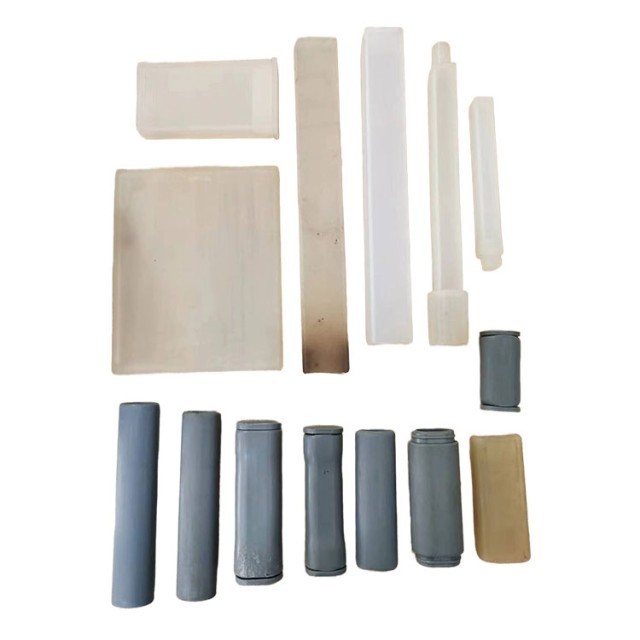
Molds & Accessories
Lab Isostatic Pressing Molds for Isostatic Molding
Item Number : PIPM
Price varies based on specs and customizations
- Material
- Rubber, Silicone-latex, Polyurethane
- Application
- Advanced Materials Research, Ceramics Manufacturing, Powder Metallurgy Development
- Process
- Isostatic Pressing

Shipping:
Contact us to get shipping details Enjoy On-time Dispatch Guarantee.
Why Choose Us
Easy ordering process, quality products, and dedicated support for your business success.
Discover KINTEK's Isostatic Pressing Molds
KINTEK offers a range of high-quality isostatic pressing molds, essential for laboratories utilizing lab press machines (including automatic lab presses, lab isostatic presses, and heated lab presses) to compact powdered materials into high-density, high-performance components. Explore the details and variety of our molds below, designed to support your advanced material research and development.
Mold Examples & Materials
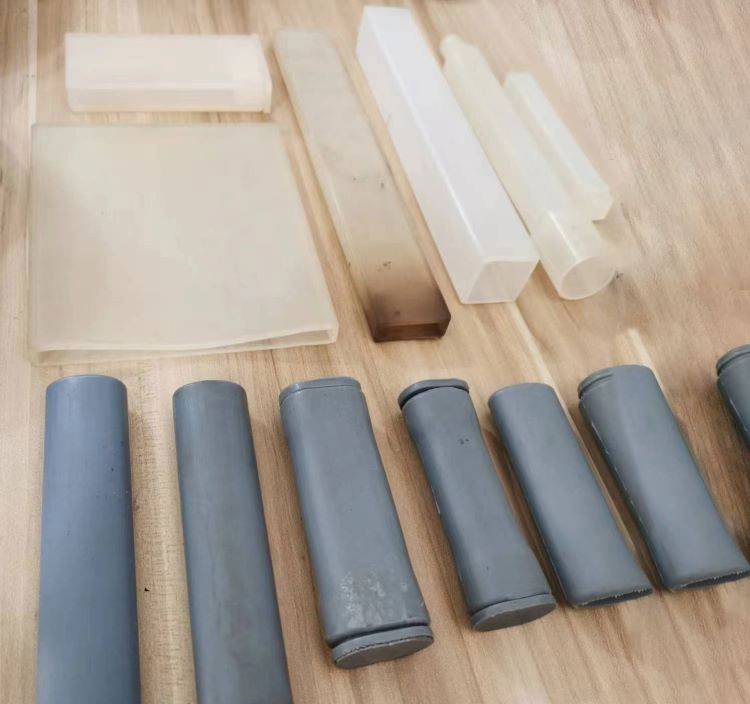
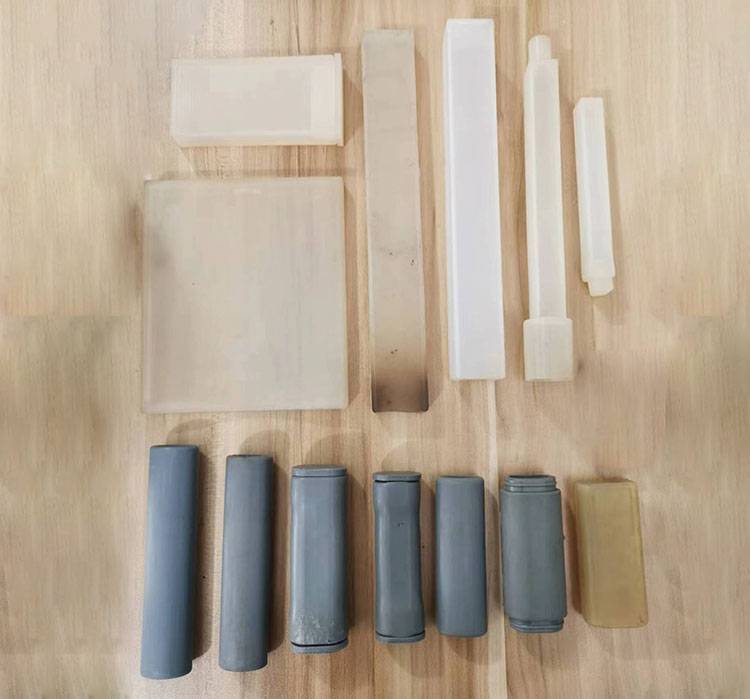
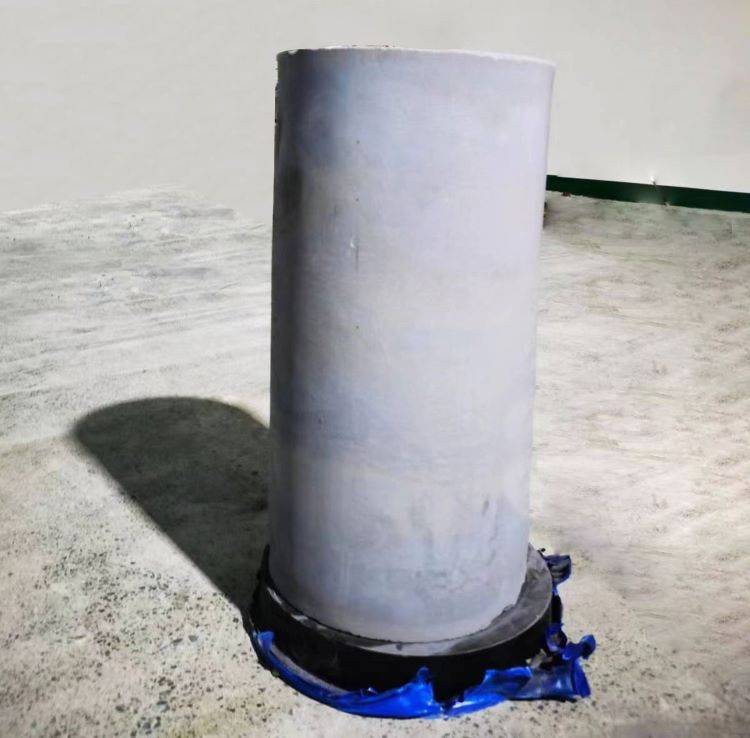
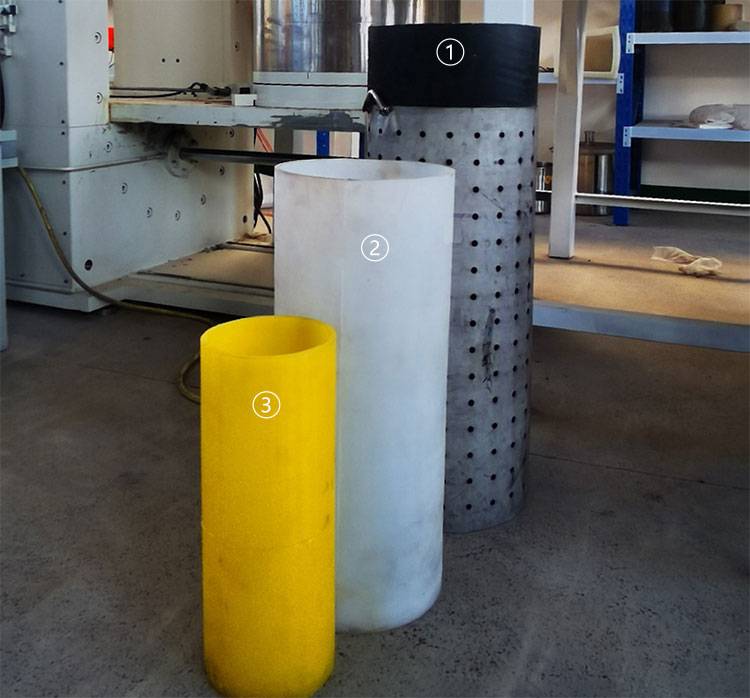
Understanding Isostatic Pressing & Our Molds
Isostatic pressing is a powder metallurgy process where powdered materials are enclosed in a flexible container (the mold) and subjected to uniform high pressure from all sides, typically via a liquid medium like water or oil. This method ensures the elimination of voids and air pockets, leading to products with enhanced density, strength, and dimensional accuracy. KINTEK's molds are specifically designed to optimize this process for laboratory settings, enabling researchers to create high-quality samples and components efficiently and reliably.
Key Benefits for Your Laboratory
Our isostatic pressing molds offer distinct advantages for laboratory applications, empowering researchers and scientists to achieve breakthrough results:
- Exceptional Material Quality: Produce materials with high, uniform density and increased strength. The even pressure distribution minimizes internal defects and voids, crucial for reliable experimental outcomes and high-performance applications.
- Precision and Consistency: Achieve outstanding dimensional accuracy and reproducibility in your samples. The uniform application of pressure ensures consistent compaction, vital for comparative studies and quality control.
- Versatile Material Development: Our molds accommodate a wide range of powdered materials, including metals, ceramics, and composites. This versatility allows for the creation of complex shapes, such as long, thin rods or tubes, which are often challenging with conventional pressing methods.
- Enhanced Lab Efficiency: Designed for durability, KINTEK molds offer a long service life. They are particularly effective for producing small to medium-sized parts, ideal for lab-scale research, prototyping, and specialized component manufacturing.
- Improved Machinability: Components formed using our molds exhibit excellent machinability due to reduced internal stresses, facilitating easier post-processing and sample preparation.
Applications in Research and Industry
KINTEK's isostatic pressing molds are instrumental across various research fields and specialized industrial sectors, enabling the development and production of advanced materials:
- Advanced Materials Research: Fundamental for laboratories developing new materials with tailored densities, microstructures, and mechanical properties for pioneering applications.
- Ceramics Manufacturing: Ideal for producing dense, high-strength advanced ceramic components for electronics, insulators, biomedical implants, and wear-resistant parts in a research or pilot scale.
- Powder Metallurgy Development: Essential for creating precision metal parts from powders, serving research needs in aerospace (e.g., novel alloy turbine components), automotive (e.g., experimental high-performance engine parts), and medical devices (e.g., new biocompatible orthopedic implants).
- Tool and Die Prototyping: Facilitates the creation of high-precision mold inserts and die components with complex geometries for research, testing, and small-scale production trials.
- Specialized Component Fabrication: Supports the laboratory-scale fabrication of parts requiring high integrity and performance under extreme conditions, such as those in specialized chemical processing, catalyst development, or energy materials research.
While isostatic pressing is a widely used industrial technique, KINTEK specializes in providing mold solutions optimized for the unique demands of laboratory-scale research, development, and specialized small-batch production.
The Principle of Isostatic Pressing
Isostatic pressing involves enclosing a powdered material within a flexible, sealed mold. This mold is then submerged in a fluid chamber (typically containing oil or water) within a press. High pressure is applied to the fluid, which, according to Pascal's Law, transmits the pressure uniformly from all directions onto the mold. This omnidirectional force compacts the powder evenly, eliminating voids and achieving high green density before subsequent processes like sintering. This method ensures isotropic (uniform in all directions) properties in the compacted material.
Ready to Elevate Your Material Processing?
Enhance your laboratory's capabilities with KINTEK's specialized isostatic pressing molds. Whether you're developing novel materials, optimizing existing processes, or require custom solutions, our expertise in lab press technology ensures you receive molds that deliver precision and reliability.
To discuss your specific application, request detailed specifications, or inquire about custom mold designs, please contact us today! Our team is ready to assist you.
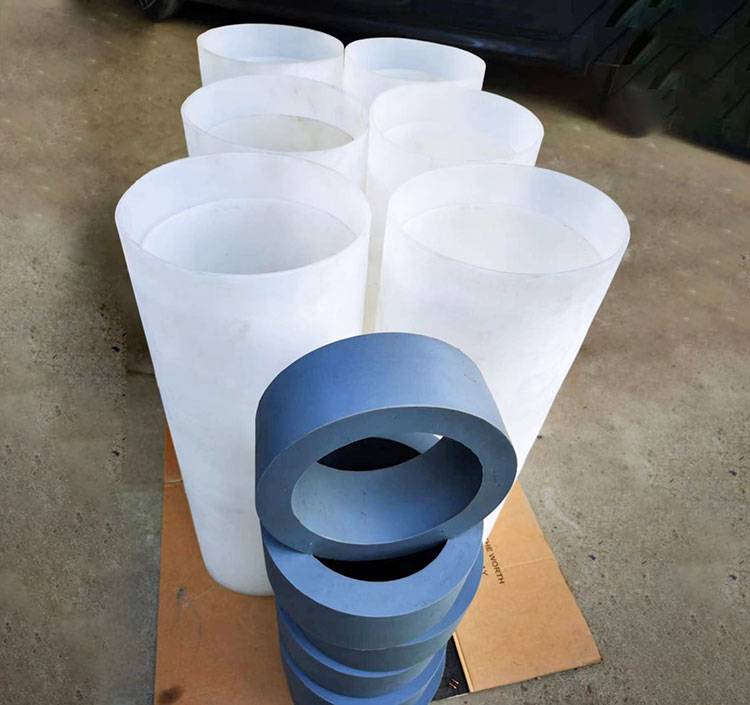
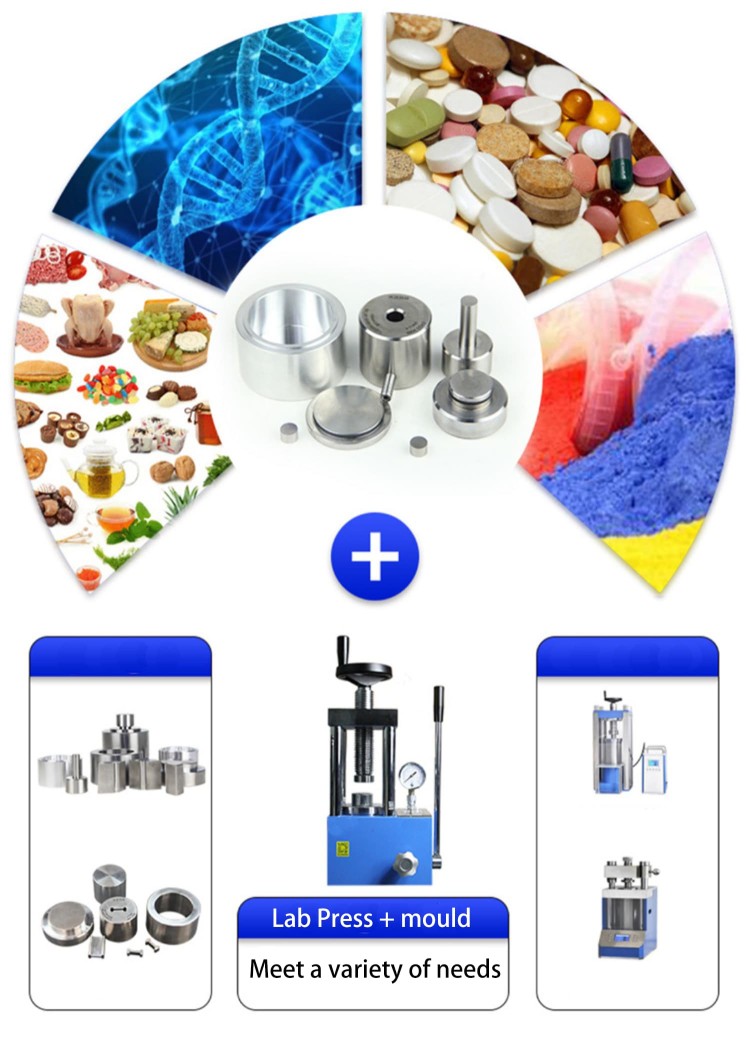
Full range of types of laboratory press molds
We have a full range of molds for you to choose from, and the molds fit the body perfectly.
If you need molds with special shapes, we can also customize them for you.
The Right Lab Press Awaits
Expert Advice? We're Here. Get in Touch!
Trusted by Industry Leaders

FAQ
What Is The Principle Of A Laboratory Isostatic Press?
What Is An Isostatic Press?
What Are The Advantages Of Using A Laboratory Isostatic Press?
What Are The Main Types Of Isostatic Presses?
What Are The Common Applications Of A Laboratory Isostatic Press?
How Does An Isostatic Press Work?
What Types Of Laboratory Isostatic Presses Are Available?
What Are The Advantages Of Using An Isostatic Press?
How Does A Laboratory Isostatic Press Ensure Uniform Density?
What Industries Use Isostatic Presses?
What Are The Applications Of Cold Isostatic Pressing (CIP)?
What Is The Difference Between CIP, WIP, And HIP?
Why Is Uniform Density Important In Isostatic Pressing?
REQUEST A QUOTE
Our professional team will reply to you within one business day. Please feel free to contact us!
Related Products

Automatic Lab Cold Isostatic Pressing CIP Machine
High-efficiency Automatic Cold Isostatic Press (CIP) for precise lab sample preparation. Uniform compaction, customizable models. Contact KINTEK experts today!

Warm Isostatic Press for Solid State Battery Research Warm Isostatic Press
KINTEK Warm Isostatic Press (WIP) for precision lamination in semiconductors & solid-state batteries. ASME-certified, 50-100°C control, high-pressure capabilities. Enhance material performance now!

Electric Lab Cold Isostatic Press CIP Machine
KINTEK's Lab Electric Isostatic Cold Press delivers precision, efficiency, and superior sample quality for advanced research. Explore customizable models today!

Manual Cold Isostatic Pressing CIP Machine Pellet Press
KINTEK Lab Manual Isostatic Press ensures superior sample uniformity & density. Precision control, durable construction, and versatile forming for advanced lab needs. Explore now!

Electric Split Lab Cold Isostatic Pressing CIP Machine
KINTEK Lab Electric Cold Isostatic Press ensures precise sample preparation with uniform pressure. Ideal for material science, pharmaceuticals, and electronics. Explore models now!

Lab XRF Boric Acid Powder Pellet Pressing Mold for Laboratory Use
Precision XRF boric acid pellet pressing mold for accurate sample preparation. Durable, high-grade alloy tool steel, ensures reliable XRF spectrometry results.

Lab Round Bidirectional Press Mold
Precision Round Bidirectional Press Mold for lab use, high-density compaction, Cr12MoV alloy steel. Ideal for powder metallurgy & ceramics.

Lab Anti-Cracking Press Mold
Precision Anti-Cracking Press Mold for lab use. Durable Cr12MoV steel, high-pressure resistant, customizable sizes. Ideal for material testing. Get yours now!

Lab Polygon Press Mold
Precision Polygon Press Mold for metal powders & materials. Custom shapes, high-pressure compaction, durable design. Ideal for labs & manufacturing.

XRF KBR Plastic Ring Lab Powder Pellet Pressing Mold for FTIR
XRF Powder Pellet Pressing Mold with Plastic Rings for precise sample preparation. Achieve uniform pellets with durable alloy tool steel construction. Custom sizes available.

Special Shape Lab Press Mold for Laboratory Applications
Special Shape Press Molds for precise lab applications. Customizable, high-pressure performance, and versatile shapes. Ideal for ceramics, pharmaceuticals, and more. Contact KINTEK today!

Lab Cylindrical Press Mold for Laboratory Use
Precision cylindrical press molds for lab sample prep. Durable, high-performance, and customizable for XRF, battery research, and material testing. Get yours today!

Square Lab Press Mold for Laboratory Use
KINTEK's Square Lab Press Molds create uniform strip samples with precision. Durable Cr12MoV steel, versatile sizes, ideal for lab applications. Enhance your sample prep today!

Lab Infrared Press Mold for Laboratory Applications
KINTEK's lab press molds ensure precise sample preparation with durable tungsten carbide construction. Ideal for FTIR, XRF, and battery research. Custom sizes available.

XRF KBR Steel Ring Lab Powder Pellet Pressing Mold for FTIR
Precision XRF steel ring pellet mold for lab sample prep. Durable, efficient, ensures accurate XRF analysis. Custom sizes available. Order now!

Lab Heat Press Special Mold
Precision KINTEK lab press molds for reliable sample prep. Durable, customizable, and ideal for diverse research needs. Enhance your lab's efficiency today!

Assemble Square Lab Press Mold for Laboratory Use
KINTEK's Assemble Lab Press Mold ensures precise sample prep for delicate materials, preventing damage with quick-disassembly design. Ideal for thin strips & reliable demolding.

Assemble Lab Cylindrical Press Mold for Laboratory Use
Premium lab cylindrical press mold for flawless sample prep. Prevents delamination, ultra-durable Japanese steel. Custom sizes available. Get yours now!

Lab Ring Press Mold for Sample Preparation
High-precision Ring Press Dies for uniform pellets in labs & industry. Durable Cr12MoV alloy, sizes Φ3-80mm. Boost efficiency & accuracy today!

Lab Cylindrical Press Mold with Scale
KINTEK's Cylindrical Press Mold ensures precision material processing with uniform pressure, versatile shapes, and optional heating. Ideal for labs and industries. Get expert advice now!
Related Articles
How Isostatic Pressing Delivers Superior Performance in Critical Industries
Isostatic pressing enhances material density uniformity for aerospace, medical, and industrial applications, improving performance and reducing costs.
The Geometry of Contact: Why the 400 MPa Barrier Defines the Future of Solid-State Batteries
An exploration of why extreme pressure is the critical catalyst for solid-state battery performance, bridging the gap between discrete powders and unified energy systems.

The Geometry of Silence: Why Flexibility is the Ultimate Precision in Ti-6Al-4V Pressing
Explore the critical role of flexible rubber molds in isostatic pressing. Learn how they eliminate density gradients and protect Ti-6Al-4V alloy integrity.
The Architecture of Intimacy: Why Solid-State Batteries Demand 375 MPa
Discover why extreme mechanical pressure is the fundamental mechanism for establishing functional solid-state interfaces and reducing interfacial impedance in SSB research.
The Geometry of Uniformity: Why Isostatic Pressing is the Silent Architect of Memristor Reliability
Discover why isostatic pressing is essential for ferroelectric memristors, eliminating density gradients to ensure switching consistency and device longevity.
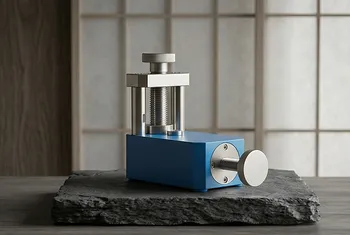
The Architecture of the Interface: Why Ionic Conductivity Lives and Dies in the Press
Discover how laboratory hydraulic and isostatic presses eliminate grain boundary resistance to unlock the true electrochemical potential of fast ion conductors.
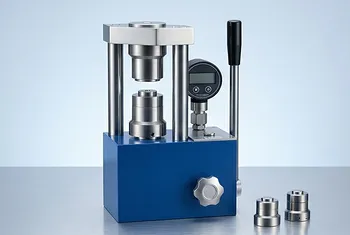
The Last Millimeter: Why Physical Constraints Define Material Integrity
Explore how metal spacers act as mechanical governors in hot pressing, ensuring density gradients and thickness precision for high-performance composites.
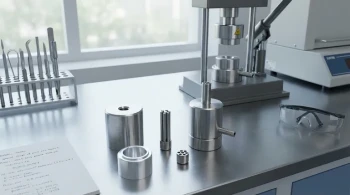
Beyond the Part Number: The Psychology of Sourcing Lab Press Components
Sourcing lab press parts isn't just a transaction. It's a critical decision affecting safety, reliability, and your warranty. Learn why OEM is key.
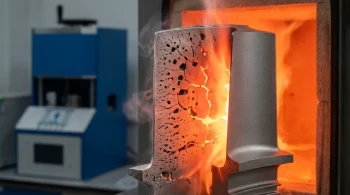
The Enemy Within: How Hot Isostatic Pressing Forges Perfect Material Integrity
Explore how Hot Isostatic Pressing (HIP) uses heat and pressure to eliminate internal defects, boosting material density and fatigue life.
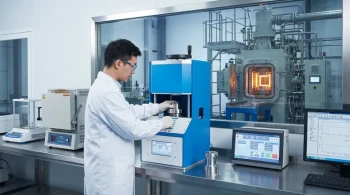
The Pursuit of Perfect Density: Why Hot Isostatic Pressing Is the Unsung Hero of Critical Components
Explore how Hot Isostatic Pressing (HIP) eliminates microscopic voids to achieve near-perfect material density, ensuring the reliability of critical parts.
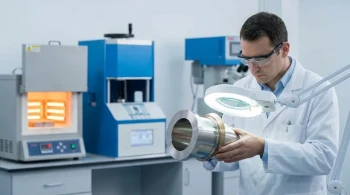
The Pursuit of a Perfect Seam: How Hot Isostatic Pressing Forges Materials Anew
Discover how Hot Isostatic Pressing (HIP) forges perfect atomic-level bonds, enabling composite parts that overcome single-material limitations.
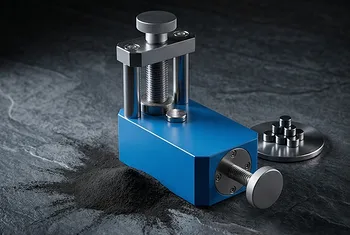
The Glass Transition Ritual: Why Heat is the Secret Language of High-Density Materials
Discover how integrated heating in pressure molds transforms wood from brittle to ductile by reaching the lignin glass transition temperature.