Isostatic Press
Automatic Lab Cold Isostatic Pressing CIP Machine
Item Number : PCIA
Price varies based on specs and customizations
- Isostatic pressure
- 300-500MPA
- Pressure chamber isostatics
- Φ30×150mm~Φ60×150mm(M×N)
- Display
- 4.3-inch~7-inch LCD display

Shipping:
Contact us to get shipping details Enjoy On-time Dispatch Guarantee.
Why Choose Us
Easy ordering process, quality products, and dedicated support for your business success.
KINTEK Automatic Cold Isostatic Press: Precision Sample Preparation for Your Lab
At KINTEK, we specialize in advanced lab press machines designed to meet your laboratory's demanding needs. Our Automatic Cold Isostatic Press (CIP) is engineered to provide high-efficiency sample preparation, enabling you to achieve uniform densification and precise shaping of your materials with ease and accuracy. Whether you're in materials research, pharmacy, catalysis, ceramics, or electronics, this press is built to elevate your results.
Discover how our Automatic Cold Isostatic Press can transform your sample preparation. Get a Quote Today!
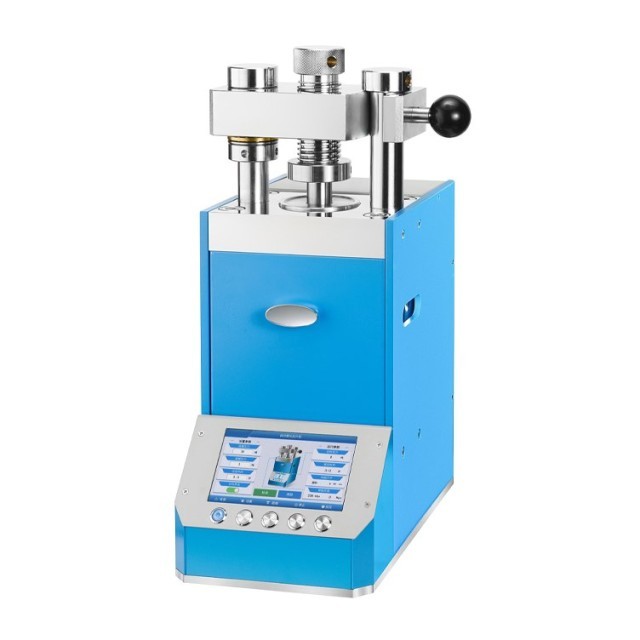
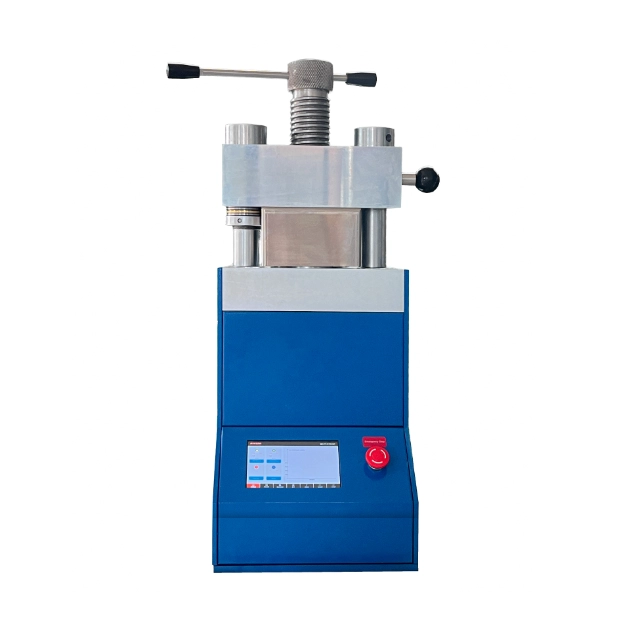
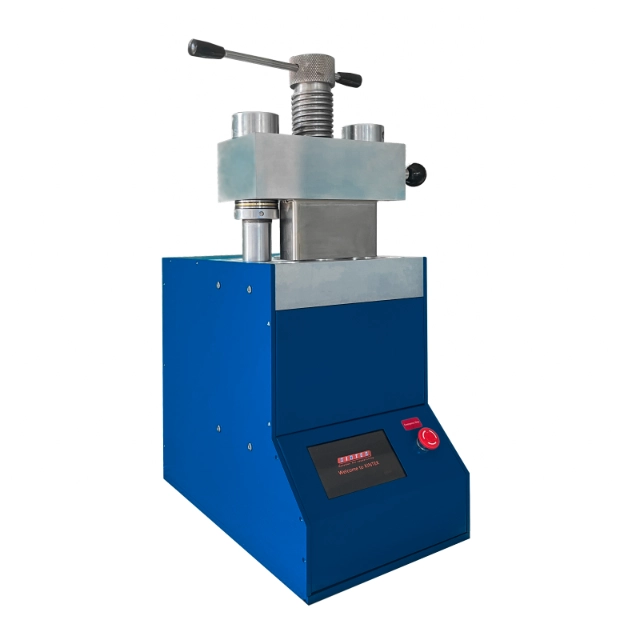
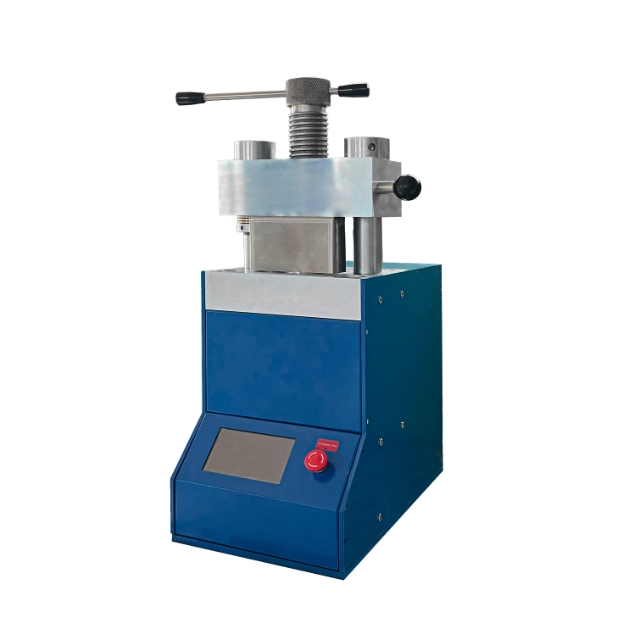
Product Showcase: Automatic Lab Cold Isostatic Press
See the precision engineering and compact design of our Automatic CIP. Users prefer to see the product in action and its components upfront.
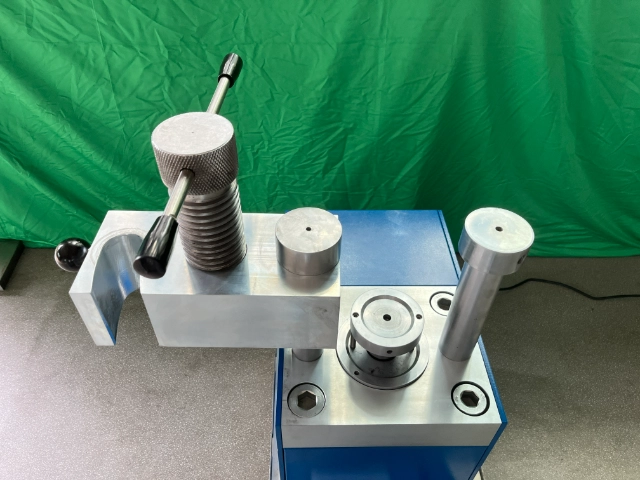
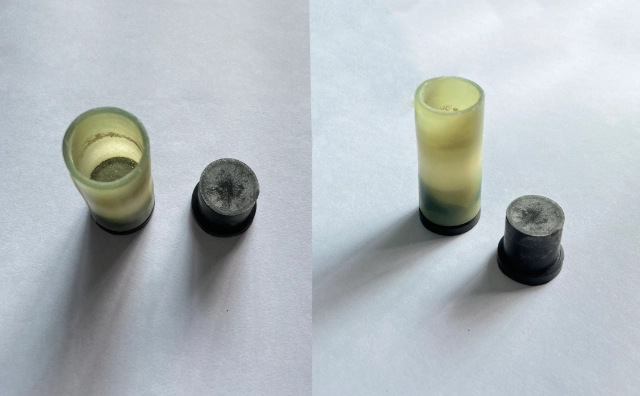
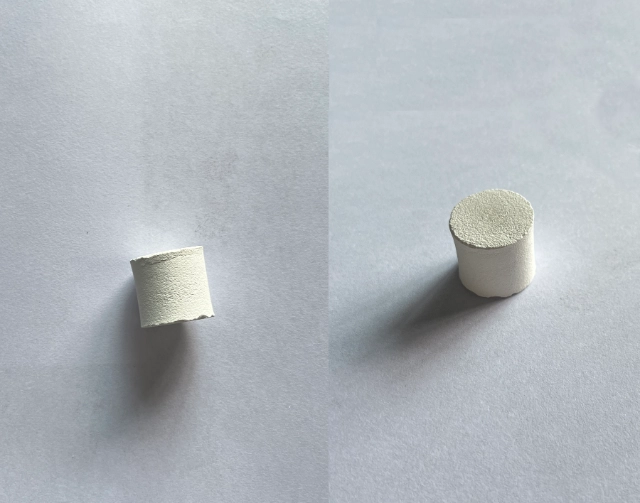
Key Features & Benefits: Why Choose KINTEK's Automatic CIP?
Our Automatic Cold Isostatic Press is packed with features designed for efficiency, precision, and ease of use in your laboratory.
- Compact & Versatile: Small footprint and light weight make it easy to transport, move, and ideal for use within a vacuum glove box for controlled environment processing.
- Precision Control: Equipped with a high-precision digital pressure gauge (0.01 MPa accuracy) for accurate and repeatable results. The program automatically converts and applies precise pressure to your sample.
- Fully Automatic & Programmable: Intelligent system manages the entire process: pressurization (including slow pressurization options), automatic pressure maintenance, automatic pressure compensation, and timed pressure relief. Program it to meet your specific test requirements for ultimate flexibility and control.
- Uniform Densification: Applies high, uniform pressure (300-500MPA) from all directions, significantly increasing sample density and achieving desired shapes with consistency.
- High-Pressure Capability: Robust split structure design capable of delivering over 100 tons of pressure for demanding applications.
- Efficient & User-Friendly Operation:
- Simplified Workflow: Streamlines charging/expulsion, shortening operation time and boosting work Efficacy.
- Intuitive LCD Panel: Clear display and straightforward controls make operation easy and monitoring effective.
- Convenient Design: The rocker structure on the top plate enhances operational comfort. Electroplated countersunk head hex screws on the top plate are both aesthetic and space-saving.
- Durable & Reliable Construction:
- Leak-Proof System: Chrome-plated cylinder with good sealing and one-piece main board structure (oil pool, main board, oil cylinder integrated) prevent oil leaks. Special plunger with custom sealing structure ensures excellent sealing.
- Robust Components: Extended traction spring for good rebound and longevity. All-aluminum alloy flywheel is durable and practical. Japanese high-speed steel mold offers high hardness, no deformation, and long life.
- Easy Maintenance: External oil pool for easy oil replacement, with an added hydraulic oil filtration device.
- Customizable to Your Needs: We understand every lab is unique. Contact us to discuss how we can tailor this press to your specific requirements!
Diverse Applications
The KINTEK Automatic Cold Isostatic Press is a high-efficiency tool widely utilized for sample preparation across various demanding fields:
- Materials Research Laboratories
- Pharmacy & Pharmaceutical Development
- Catalytic Reaction Studies
- Ceramics Manufacturing and Research
- Electronic Industries Component Preparation
By applying uniform pressure, our CIP increases sample density and helps achieve the desired sample shape, making it invaluable for preparing high-quality specimens.
Intuitive Operation Interface
Our user-friendly interface ensures you can operate the press efficiently and monitor processes clearly.
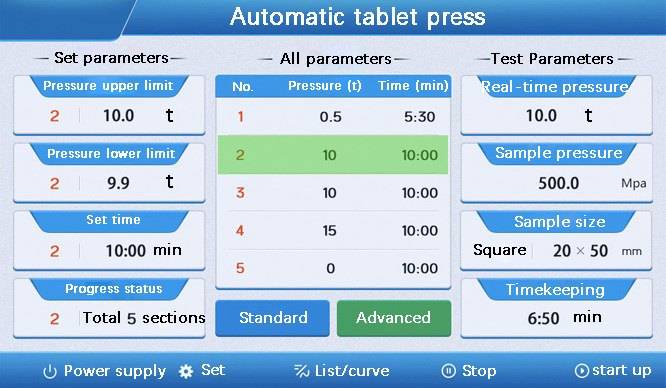
- Start button: Initiates pressurization according to your programmed settings.
- Stop button: Allows you to halt the pressurization process at any time.
- Set button: Access the menu configuration for easy setup and adjustments.
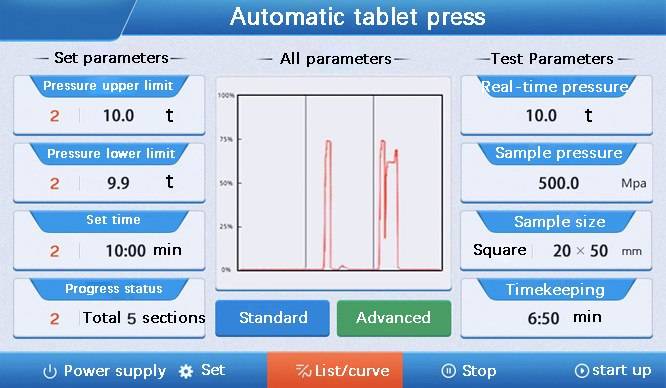
- List/Curve Display: Easily switch between list view and curve view for data visualization.
Technical Specifications
| Apparatus Model | PCIA-20T | PCIA-40T | PCIA-60T | PCIA-100T |
|---|---|---|---|---|
| Piston Diameter | 110 mm (d) in chrome-plated oil cylinder | 130 mm (d) in chrome-plated oil cylinder | 150 mm (d) in chrome-plated oil cylinder | 200 mm (d) in chrome-plated oil cylinder |
| Machining Process Pressurization | Program Pressurization - Program Maintenance - Timed Pressure Release | Program Pressurization - Program Maintenance - Timed Release | Program Pressurization - Program Maintenance - Timed Release | Program Pressurization - Program Maintenance - Timed Pressure Release |
| Pressure Conversion | The program automatically converts the sample withstand pressure | The program automatically converts the sample withstand pressure | The program automatically converts the Sample Withstand Pressure | The program automatically converts the sample withstand pressure. |
| Display | 4.3-inch LCD display | 4.3-inch LCD display | 4.3-inch LCD display | 7-inch LCD display |
| Equipment Protection | Steel plate protection with organic glass door | Steel plate protection with organic glass door | Steel plate protection with glass door organic | Sheet steel protection with organic glass door |
| Isostatic pressure | 300-500MPA | 300-500MPA | 300-500MPA | 300-500MPA |
| Pressure chamber lsostatics | Φ30×150mm(M×N) | Φ40×150mm(M×N) | Φ50×150mm/30×150mm | Φ60×150(M×N) |
| Cylinder stroke (T) | 50mm | 50mm | 50mm | 50mm |
| Characteristics of the manufacture of Samples | Top panel rocker structure for more comfortable operation | Top panel rocker structure for more comfortable operation | Top panel rocker structure for more comfortable operation | Top panel rocker structure for more comfortable operation |
| Dimensions exterior | 240×390×560(LENGTH×WIDTH×HEIGHT) | 280×460×660(L×W×H) | / | 330×580×720(L×W×H) |
| Equipment power supply | 550W(220V/110 can be customized) | 550W(220V/110 can be customized) | 550W(220V/110 can be customize) | 550W(220V/110 can be customized) |
| Weight of the equipment | 120KG | 180KG | 240KG | 290KG |
Ready to Enhance Your Sample Preparation?
Contact KINTEK today to learn more about our Automatic Cold Isostatic Press and how it can benefit your laboratory. Our experts are ready to discuss your specific needs and provide a personalized solution.
Click here to request more information or a quote via our Contact Form!
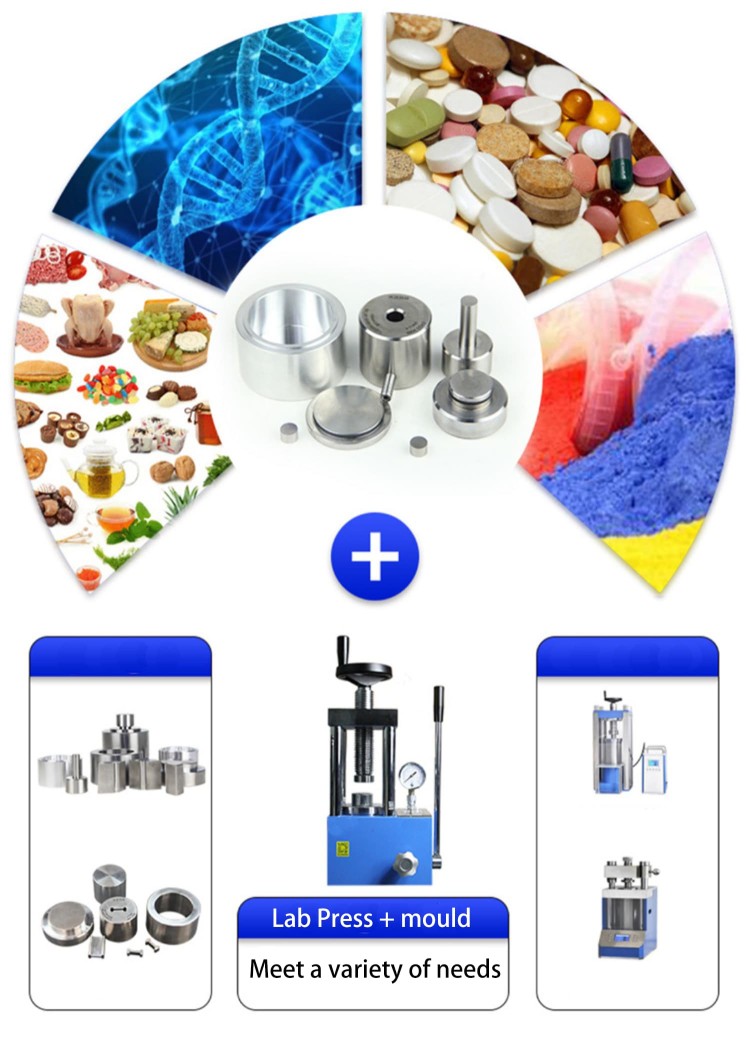
Full range of types of laboratory press molds
We have a full range of molds for you to choose from, and the molds fit the body perfectly.
If you need molds with special shapes, we can also customize them for you.
The Right Lab Press Awaits
Expert Advice? We're Here. Get in Touch!
Trusted by Industry Leaders

FAQ
What Is The Principle Of A Laboratory Isostatic Press?
What Is The Principle Of Cold Isostatic Press (CIP)?
What Is An Isostatic Press?
What Are The Advantages Of Using A Laboratory Isostatic Press?
What Are The Advantages Of Cold Isostatic Press (CIP)?
What Are The Main Types Of Isostatic Presses?
What Are The Common Applications Of A Laboratory Isostatic Press?
What Are The Applications Of Cold Isostatic Press (CIP)?
How Does An Isostatic Press Work?
What Types Of Laboratory Isostatic Presses Are Available?
What Types Of Cold Isostatic Press (CIP) Machines Are Available?
What Are The Advantages Of Using An Isostatic Press?
How Does A Laboratory Isostatic Press Ensure Uniform Density?
How Does Cold Isostatic Press (CIP) Compare To Uniaxial Die Compaction?
What Industries Use Isostatic Presses?
What Are The Applications Of Cold Isostatic Pressing (CIP)?
What Is The Difference Between CIP, WIP, And HIP?
Why Is Uniform Density Important In Isostatic Pressing?
REQUEST A QUOTE
Our professional team will reply to you within one business day. Please feel free to contact us!
Related Products

Electric Lab Cold Isostatic Press CIP Machine
KINTEK's Lab Electric Isostatic Cold Press delivers precision, efficiency, and superior sample quality for advanced research. Explore customizable models today!

Electric Split Lab Cold Isostatic Pressing CIP Machine
KINTEK Lab Electric Cold Isostatic Press ensures precise sample preparation with uniform pressure. Ideal for material science, pharmaceuticals, and electronics. Explore models now!

Manual Cold Isostatic Pressing CIP Machine Pellet Press
KINTEK Lab Manual Isostatic Press ensures superior sample uniformity & density. Precision control, durable construction, and versatile forming for advanced lab needs. Explore now!

Automatic Laboratory Hydraulic Press Lab Pellet Press Machine
Upgrade your lab with KINTEK's Automatic Lab Press – precision, efficiency, and versatility for superior sample preparation. Explore models now!

Lab Isostatic Pressing Molds for Isostatic Molding
High-quality isostatic pressing molds for lab presses - achieve uniform density, precision components, and advanced material research. Explore KINTEK's solutions now!

Automatic Laboratory Hydraulic Press for XRF and KBR Pellet Pressing
KinTek XRF Pellet Press: Automated sample prep for precise XRF/IR analysis. High-quality pellets, programmable pressure, durable design. Boost lab efficiency today!

Laboratory Hydraulic Press Lab Pellet Press Machine for Glove Box
Precision lab press for glove boxes: Compact, leak-proof design with digital pressure control. Ideal for inert atmosphere material processing. Explore now!

Manual Laboratory Hydraulic Press Lab Pellet Press
KINTEK's Protective Manual Lab Hydraulic Press ensures safe, precise sample preparation with durable construction, versatile applications, and advanced safety features. Ideal for labs.

Automatic High Temperature Heated Hydraulic Press Machine with Heated Plates for Lab
KINTEK High Temperature Hot Press: Precision sintering & material processing for labs. Achieve extreme temperatures & consistent results. Custom solutions available.

Manual Laboratory Hydraulic Pellet Press Lab Hydraulic Press
Boost lab efficiency with KINTEK's precision hydraulic presses—compact, leak-proof, and ideal for spectroscopy. Custom solutions available.

Automatic Heated Hydraulic Press Machine with Hot Plates for Laboratory
KINTEK Automatic Lab Heat Press: Precision heating, programmable control, and rapid cooling for efficient sample preparation. Enhance lab productivity today!

Automatic Heated Hydraulic Press Machine with Heated Plates for Laboratory
KINTEK Automatic Heated Hydraulic Lab Press: Precision heating, uniform pressure, and automated control for superior sample processing. Ideal for labs and research. Contact us today!

Warm Isostatic Press for Solid State Battery Research Warm Isostatic Press
KINTEK Warm Isostatic Press (WIP) for precision lamination in semiconductors & solid-state batteries. ASME-certified, 50-100°C control, high-pressure capabilities. Enhance material performance now!

Assemble Lab Cylindrical Press Mold for Laboratory Use
Premium lab cylindrical press mold for flawless sample prep. Prevents delamination, ultra-durable Japanese steel. Custom sizes available. Get yours now!

Lab Cylindrical Press Mold with Scale
KINTEK's Cylindrical Press Mold ensures precision material processing with uniform pressure, versatile shapes, and optional heating. Ideal for labs and industries. Get expert advice now!

Manual Heated Hydraulic Lab Press with Integrated Hot Plates Hydraulic Press Machine
KINTEK's precision lab presses offer efficient, high-temperature sample prep for material research, pharmacy, and ceramics. Explore models now!

Split Automatic Heated Hydraulic Press Machine with Heated Plates
KINTEK Split Automatic Heated Lab Press: Precision hydraulic press with 300°C heating for efficient sample preparation. Ideal for research labs.

Lab Cylindrical Press Mold for Laboratory Use
Precision cylindrical press molds for lab sample prep. Durable, high-performance, and customizable for XRF, battery research, and material testing. Get yours today!

Button Battery Sealing Press Machine for Lab
Boost button battery production with KINTEK's Electric Sealer – precision sealing, 300-600 pieces/hour, intelligent pressure control. Enhance yield now!

Laboratory Manual Heated Hydraulic Press Machine with Hot Plates
KINTEK's Manual Hot Press delivers precise material processing with controlled heat and pressure. Ideal for labs needing reliable bonds and high-quality samples. Contact us today!
Related Articles
Shaping vs. Perfecting: The Strategic Divide Between Cold and Hot Isostatic Pressing
CIP shapes components, HIP perfects them. This article explores the strategic manufacturing choice between forming a 'green' part and achieving full density.
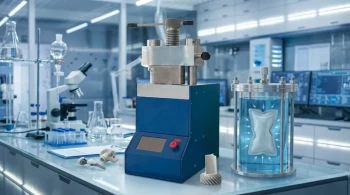
Beyond Brute Force: The Elegant Physics of Cold Isostatic Pressing
Discover how cold isostatic pressing (CIP) eliminates hidden density flaws in powder parts, ensuring structural integrity where traditional methods fail.
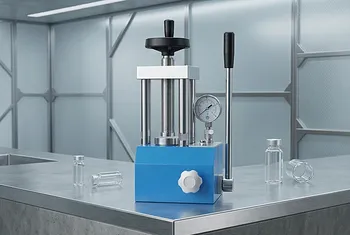
The Isotropic Imperative: Why Uniform Pressure Defines the Life of a Superconductor
Explore how Cold Isostatic Pressing (CIP) eliminates internal density gradients in Bi2212 substrates to ensure structural integrity and maximum current density.
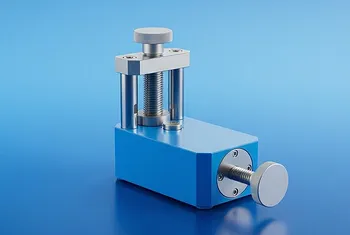
The Architecture of Uniformity: Why Omnidirectional Pressure Defines Ceramic Destiny
Explore how Cold Isostatic Pressing (CIP) eliminates internal density gradients in 10NiO-NiFe2O4 composite ceramics to ensure survival in high-corrosion environments.
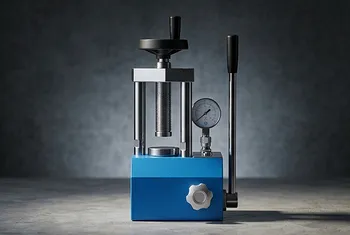
The Silent Geometry of Density: Why Isotropic Pressure is the Soul of Advanced Ceramics
Explore how Cold Isostatic Pressing (CIP) solves the hidden internal stresses of alumina ceramics to ensure defect-free sintering and superior material density.
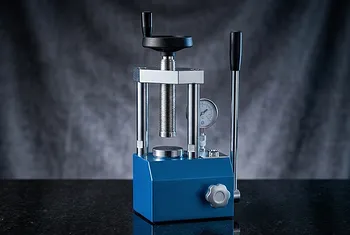
The Physics of Isotropic Integrity: Why Uniformity is the Silent Architect of Performance
Explore how Cold Isostatic Pressing (CIP) eliminates friction-induced density gradients to produce high-performance ceramics with superior mechanical strength.
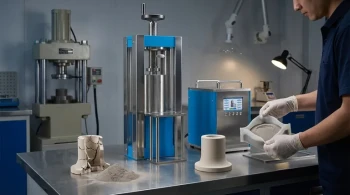
Why Your High-Performance Parts Are Failing—And How to Fix It at the Source
Struggling with inconsistent material strength? Discover why traditional pressing methods are the hidden culprit and how Cold Isostatic Pressing (CIP) creates superior, reliable parts.
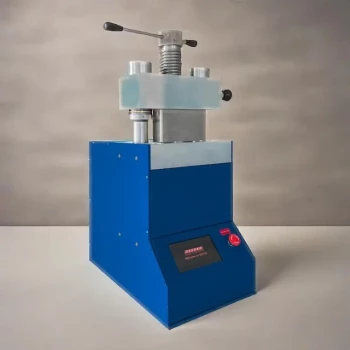
How Isostatic Pressing Delivers Superior Performance in Critical Industries
Isostatic pressing enhances material density uniformity for aerospace, medical, and industrial applications, improving performance and reducing costs.
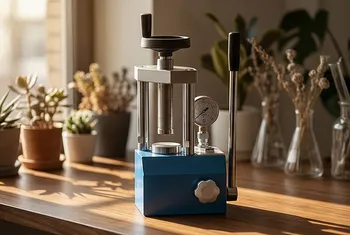
The Geometry of Silence: Why Flexibility is the Ultimate Precision in Ti-6Al-4V Pressing
Explore the critical role of flexible rubber molds in isostatic pressing. Learn how they eliminate density gradients and protect Ti-6Al-4V alloy integrity.
The Geometry of Uniformity: Why Isostatic Pressing is the Silent Architect of Memristor Reliability
Discover why isostatic pressing is essential for ferroelectric memristors, eliminating density gradients to ensure switching consistency and device longevity.
The Architecture of Intimacy: Why Solid-State Batteries Demand 375 MPa
Discover why extreme mechanical pressure is the fundamental mechanism for establishing functional solid-state interfaces and reducing interfacial impedance in SSB research.
The Geometry of Contact: Why the 400 MPa Barrier Defines the Future of Solid-State Batteries
An exploration of why extreme pressure is the critical catalyst for solid-state battery performance, bridging the gap between discrete powders and unified energy systems.