All Questions
Why Is Precise Closing Speed Control Required For Wood Densification Research? Optimize Material Density And Hardness.
Learn how precise closing speed control in hydraulic presses optimizes wood densification, surface hardness, and vertical density profiles.
What Is The Primary Role Of A Laboratory Hot Press In Wood Surface Densification? Enhancing Density And Hardness
Learn how lab hot presses use heat and pressure to plasticize wood cell walls and increase surface density for high-performance material R&D.
Why Are Electric Heating Presses And Steel Molds Used For Silicone? Achieve Perfect Rubber Vulcanization & Molding.
Discover how electric heating presses and steel molds ensure uniform vulcanization, high pressure, and precision shaping for silicone composites.
What Is The Primary Purpose Of Using An Automatic Pellet Press? Achieve Precise Geopolymer Analysis Results
Discover how automatic pellet presses ensure standardized, high-density disks for accurate XRF and FTIR analysis of metakaolin geopolymer materials.
Why Is A Precision Manual Laboratory Pellet Press Used During The Initial Forming Stage Of Sic/Yag Composite Materials?
Discover how manual pellet presses form SiC/YAG green bodies, optimize particle contact, and ensure structural density for successful sintering.
How Does Laboratory High-Pressure Hot-Pressing Equipment Improve Paper Performance Through Lignin Softening Control?
Learn how high-pressure hot-pressing triggers lignin softening to boost paper strength and water resistance for advanced pulp and paper research.
Why Is A Laboratory Hot Press With Precise Temperature Control Necessary For Fabricating Polyethylene-Based Bio-Composites?
Discover how precise hot pressing ensures void-free polyethylene bio-composites and reliable analytical data for your research materials.
How Does A Heated Laboratory Hydraulic Press Contribute To The Formation Of Dense Mycelium-Based Materials? Expert Tips
Learn how heated hydraulic presses use heat and pressure to densify mycelium by 95%, creating high-strength, sustainable engineering materials.
How Does An Electric Heated Plate Vulcanizing Press Ensure The Quality Of Vulcanized Rubber Products? Master The Process
Learn how electric heated plate vulcanizing presses optimize rubber quality through precise temperature control and uniform hydraulic pressure.
Why Is A High-Performance Oil-Heated Laboratory Hydraulic Press Required For Ostl Bio-Adhesives? Essential For Curing
Learn why oil-heated hydraulic presses are vital for curing OSTL bio-adhesives, providing the precise heat and pressure needed for structural strength.
Why Is It Necessary To Strictly Calibrate The Integrated Precision Heating Furnace Inside High-Pressure Laboratory Equipment? Ensure Accuracy
Learn why high-pressure calibration is vital to correct EMF shifts in thermocouples, ensuring material stability and precise geophysical modeling.
Why Is Flexible Pressure Control In A Hydraulic Press Required? Optimize Polymer Membrane Integrity And Performance
Discover why precise pressure modulation is essential for PVDF-HFP and PDDA-TFSI membranes to prevent cracking and optimize density.
Why Is An Automatic Heated Lab Press Preferred For Peek & Cnt Laminates? Achieve Precise Crystallization Control
Discover why automatic heated presses are essential for PEEK and CNT laminates, offering the precise cooling and pressure control manual presses lack.
Why Are Complex Pressure Cycles From A Laboratory Hot Press Required For Curing Peek? Optimize Matrix And Crystallinity
Learn how phased pressure cycles in laboratory hot presses overcome PEEK's high viscosity to eliminate voids and optimize laminate crystallinity.
What Role Does A Laboratory Heated Hydraulic Press Play In Rubber Vulcanization? Master Precision Specimen Molding
Discover how a heated hydraulic press facilitates rubber vulcanization and molding to create precise, defect-free standardized test specimens.
What Are The Advantages Of Using A Cold Isostatic Press (Cip)? Achieve Uniform Density And High-Strength Zirconia.
Discover why CIP is superior to uniaxial pressing for zirconia green bodies. Achieve uniform density, eliminate cracks, and ensure perfect sintering.
Why Is A High-Precision Heated Laboratory Press Required For Preparing Defect-Free Vitrimer Samples? Achieve Fusion.
Learn how precision heat and pressure enable molecular-level fusion and eliminate defects in vitrimer synthesis for reliable mechanical testing.
Why Is A Laboratory Hydraulic Press Required To Provide 750 Mpa For Cold Sintering? Achieve Superior Ceramic Density
Understand why 750 MPa pressure is vital for cold sintering Strontium Titanate. Learn how high-pressure presses drive densification and particle flow.
Why Is A High-Precision Electrically Heated Press Required For Phb Nanocomposite Films? Optimize Structural Integrity
Discover why precise thermal and mechanical control is vital for PHB films to eliminate defects, ensure density, and stabilize crystalline structures.
What Is The Critical Function Of A Lab Heated Hydraulic Press In Ltcc Lamination? Achieve Monolithic Bonding
Discover how heated hydraulic presses enable thermoplastic flow and molecular diffusion to create dense, delamination-free LTCC multilayer ceramics.
What Are The Benefits Of Applying Solid Lubrication To Mold And Punch Surfaces? Achieve High-Precision Compaction
Discover how solid lubrication reduces friction, ensures uniform powder density, and extends the lifespan of precision molds during compaction.
What Is The Role Of A Laboratory Hydraulic Press In Ensuring The Quality Of Copper-Based Composite Green Compacts?
Discover how laboratory hydraulic presses optimize copper composite quality through high-pressure consolidation and improved sintering viability.
What Are The Advantages Of Using A Cold Isostatic Press (Cip) Compared To Uniaxial Pressing? Boost Strength By 35%.
Discover how CIP improves fly ash ceramic density, eliminates warping, and boosts mechanical strength compared to traditional uniaxial pressing.
What Role Does A Laboratory Hydraulic Press Play In Fly Ash Ceramic Forming? Master High-Precision Sample Preparation
Discover how lab hydraulic presses consolidate fly ash into ceramic green bodies, improving density and structural integrity for sintering research.
Why Must Hot-Pressed Composite Materials Be Cooled Within The Mold? Prevent Warping & Ensure Structural Integrity.
Learn why cooling hot-pressed composites under pressure prevents warping, micro-cracks, and ensures dimensional stability and material density.
What Are The Technical Advantages Of Hydrostatic Pressing For Nanocrystalline Titanium? Superior Grain Refinement
Discover why hydrostatic pressing outperforms extrusion for nanocrystalline titanium through triaxial stress and crack inhibition.
Why Is Precise Pressure And Temperature Control From A Lab Heated Press Necessary? Optimize Mmt Composite Quality
Learn why precise heat and pressure control in a hydraulic press is vital for MMT polymer composites to ensure bonding and eliminate micro-voids.
What Is A Key Emerging Trend In The Design Of Laboratory Pellet Presses? Explore Modularity And Adaptability
Discover how modularity, compactness, and advanced materials are revolutionizing laboratory pellet press design for better research efficiency.
How Does The Pressed Pellet Technique Compare To The Fused Bead Technique? Precision Vs. Efficiency In Xrf Prep
Compare pressed pellets and fused beads for XRF sample prep. Learn about cost-effectiveness, analytical precision, and operational trade-offs.
How Do Specialized High-Throughput Hydraulic Presses Aid In Xrf Analysis? Boost Speed And Precision In Sample Prep
Learn how high-throughput hydraulic presses optimize XRF workflows through integrated dies, rapid cycles, and superior sample uniformity.
What Are The Advantages Of Automating The Pellet Pressing Process? Boost Lab Throughput And Data Consistency
Discover how automated pellet pressing enhances laboratory efficiency, eliminates human error, and ensures superior reproducibility for samples.
What Are The Best Practices For Achieving High-Quality Results In Pellet Pressing? Master Your Lab Sample Preparation
Learn essential pellet pressing best practices: optimize particle size, control moisture, and maintain dies for superior sample consistency.
What Factors Lead To Inconsistent Pellet Size And How To Resolve Them? Master Uniform Lab Pellet Production
Learn how to fix inconsistent pellet size by optimizing material distribution, pressure application, and die maintenance for reliable lab results.
What Causes Jamming In Pellet Presses? Proven Preventive Measures For Continuous Lab Production
Learn the primary causes of pellet press jamming—particle size, moisture, and wear—and explore expert strategies to eliminate downtime.
What Key Factors Influence The Quality Of Pressed Pellets? Master Sample Prep For High-Quality Lab Analysis
Learn how particle size, binders, and pressure control influence pressed pellet quality. Optimize your sample preparation for superior lab results.
What Is The General Procedure For The Pellet Pressing Process? Guide To Perfect Sample Compaction
Learn the 3-phase pellet pressing procedure: preparation, compaction, and release to achieve high-density samples with 15-35 metric tons of pressure.
Why Is It Critical To Properly Precondition Fine Powder? Unlock Flawless Pellet Quality And Crush Strength
Learn why proper powder preconditioning and binder distribution are essential for successful pellet pressing and consistent structural integrity.
Why Are Binders Mixed With Powders Before Pellet Pressing? Ensure Peak Structural Integrity And Strength
Learn how binders enhance green strength, reduce friction, and protect tooling to ensure high-quality pellet pressing results.
What Is The First Step In Preparing Materials For Pellet Pressing? Master Particle Grinding For Superior Results
Learn why grinding samples to 40 µm or less is the critical first step in pellet pressing to ensure uniformity and structural integrity.
What Safety Measures Are Crucial For The Effective Use Of A Pellet Press? Expert Guide To Safe Pressing Operation
Learn essential pellet press safety: understand force vs. pressure, the importance of safety guards, and how to prevent catastrophic die failure.
In Which Settings Are Benchtop Presses Most Commonly Used? Optimize Your Lab Space And Material Testing
Discover why benchtop presses are the preferred choice for R&D labs and classrooms, offering compact, precise, and versatile material testing.
What Are The Advantages And Limitations Of Benchtop Laboratory Presses? Optimize Your Lab Space And Precision
Explore the benefits and trade-offs of benchtop laboratory presses, from space-saving designs to precision material handling and pressure limits.
What Are The Typical Applications Of Hydraulic Laboratory Presses? Master Material Testing And Sample Prep
Explore the primary uses of hydraulic laboratory presses, from XRF/FTIR pellet preparation to material strength testing and polymer research.
What Are The Advantages And Limitations Of Hydraulic Laboratory Presses? Master High-Force Precision Testing
Explore the benefits of hydraulic presses, from high-force generation and versatility to critical trade-offs like cost and maintenance requirements.
What Are The Main Types Of Laboratory Presses And Their Operating Principles? Find The Best Press For Your Lab
Learn about hydraulic, screw, and benchtop laboratory presses, their unique operating mechanisms, and how to choose the right model for your research.
Why Is The Thickness Of A Pressed Pellet Important For Xrf Analysis? Achieve Infinite Thickness For Precise Results
Learn why 'infinite thickness' is vital in XRF pellet preparation to prevent background interference and ensure accurate chemical quantification.
What Pressure And Duration Are Typically Required For Pressing Samples In Xrf Pelletising? Expert Guide For Xrf Prep
Learn the ideal pressure (25-35 tons) and duration (1-2 mins) for XRF pelletising to ensure binder recrystallization and dense, stable samples.
How Are Heated Lab Presses Used In Laminating Processes? Optimize Composite Bonding With Precision
Learn how heated lab presses apply thermal energy and pressure to create high-performance laminates for R&D, packaging, and construction.
What Is The Function Of Heated Lab Presses In Pill Making? Enhance Tablet Integrity And Efficacy
Learn how heated lab presses optimize pill making through thermal compaction, ensuring uniform drug distribution and superior tablet strength.
How Are Heated Lab Presses Utilized For Polymer Film Preparation? Master Precision Film Consolidation
Learn how heated laboratory presses standardize polymer films for spectroscopy and mechanical testing through controlled heat and pressure.
What Is The Role Of Heated Lab Presses In X-Ray Fluorescence (Xrf) Spectroscopy? Enhance Sample Accuracy And Sensitivity
Learn how heated lab presses standardize XRF sample preparation by creating uniform, high-density pellets that minimize scattering and improve data.
How Are Heated Lab Presses Used In Infrared (Ir) Spectroscopy? Expert Sample Preparation For Superior Ir Analysis
Learn how heated lab presses create high-quality pellets and films for IR spectroscopy, ensuring transparency and accurate molecular identification.
What Are The Typical Standards For The Electrical Control System In A Rubber Laboratory Press? Enhance Lab Precision
Learn the standards for rubber press control systems, focusing on automation, high-quality components, and precision digital temperature regulation.
What Are The Key Features Of The Hydraulic System In A Rubber Laboratory Press? Precision & Power Explained
Learn how the 25-ton cylinder, hydraulic balance device, and Pascal’s law ensure bubble-free rubber molding in lab presses.
What Are The Types Of Lab Presses In The Rubber Industry? Column Vs. Frame Structure Presses
Learn why the frame structure press has become the rubber industry standard over traditional column designs for R&D and quality control.
How Are Rubber Vulcanizing Presses Categorized? A Guide To Structural And Hydraulic Classifications
Learn how rubber vulcanizing presses are categorized by structural design and hydraulic medium to optimize your laboratory's pressing process.
What Is The Main Function Of A Rubber Vulcanizing Press? Master Material Curing With Precision Heat & Pressure
Learn how rubber vulcanizing presses use hydraulic pressure and thermal regulation to cure raw materials into durable, high-performance products.
What Are The Primary Functions Of Laboratory Presses Used For Vulcanization? Master Precision Material Processing
Learn how laboratory presses excel in vulcanization and powder compression, offering high-tonnage pressure for polymers and pharmaceuticals.
What Are The Industrial Applications Of A Hydraulic Heat Press? Powering Lamination, Bonding, And R&D Efficiency
Learn how hydraulic heat presses drive industrial manufacturing through precision soldering, composite lamination, and advanced material testing.
How Is A Hydraulic Heat Press Used For Sample Preparation? Achieve Uniform, Void-Free Samples For Lab Analysis
Learn how hydraulic heat presses combine heat and pressure to create high-density pellets, films, and discs for FTIR, XRF, and polymer research.
What Recent Development Work Has Involved The Use Of Direct Hot Pressing? Innovation In Heat Sink Manufacturing
Learn how direct hot pressing is revolutionizing thermal management with metal-diamond composites for high-power LEDs and laser applications.
Why Do Research Facilities Utilize The Hot Pressing Process? Accelerate R&D With Short Sinter Cycles
Learn why research facilities prioritize hot pressing for its rapid sinter cycles and efficiency in accelerating R&D material breakthroughs.
What Role Does Direct Hot Pressing Play In The Friction Material Industry? Powering Heavy-Duty Braking Solutions
Learn how direct hot pressing consolidates metal powders into high-performance sintered brake pads and clutch discs for extreme industrial use.
What Manufacturing Advantage Does Direct Hot Pressing Provide? Achieve Near Net-Shape Perfection
Learn how direct hot pressing eliminates mechanical reworking and achieves final density through high-precision near net-shape manufacturing.
What Are Some Critical Items Manufactured Using Hot Pressing? Unlocking Peak Material Density And Strength
Learn how hot pressing produces high-performance sputtering targets, advanced ceramics, and specialized metal molds for extreme environments.
How Is Heat Generated In Direct Hot Pressing? Unlock Rapid Sintering For Fine Metal Powders
Learn how direct hot pressing uses electrical resistivity for internal heating, reducing cycle times to minutes and lowering energy costs.
What Is The Primary Motivation For The Short Cycle Times In Fast/Sps? Optimize Density And Grain Structure
Learn how short cycle times in FAST/SPS prevent grain growth, preserve microstructures, and reduce energy costs for superior material performance.
How Does Indirect Resistance Heating Work In Hot Pressing? Achieve Precise Material Control With Kintek
Learn the mechanics of indirect resistance heating in hot pressing, including graphite element function and convective heat transfer for labs.
What Are The Disadvantages Of Induction Heating For Hot Pressing? Expert Insights On Costs & Thermal Risks
Learn the primary drawbacks of induction heating in hot pressing, from high equipment costs to the critical risks of thermal shock and gradients.
What Are The Advantages Of Using Induction Heating For Hot Pressing? Achieve Precision With Decoupled Control
Discover the benefits of induction heating for hot pressing, from independent pressure control to optimized liquid phase powder processing.
How Does Induction Heating Work In The Context Of Hot Pressing? Master Rapid & Precise Material Consolidation
Learn how induction heating in hot pressing uses electromagnetic fields for efficient, decoupled thermal and mechanical processing.
What Are The Three Distinct Types Of Heating Used In Hot Pressing Technology? Compare Induction, Indirect & Fast
Learn about the 3 distinct heating methods in hot pressing: Induction, Indirect Resistance, and Field Assisted Sintering Technique (FAST/Direct).
What Are The Typical Operating Parameters For Hot Pressing Using A Graphite Mold? Master High-Temperature Sintering
Learn the critical limits of graphite hot pressing: temperatures up to 2,400°C and pressures up to 50 MPa for advanced material consolidation.
How Does Densification Occur During The Hot Pressing Process? Master Material Density And Strength
Learn how heat and pressure drive densification through particle rearrangement, plastic flow, and necking for superior laboratory results.
What Types Of Materials Is Hot Pressing Primarily Used To Fabricate? High-Density & Composite Solutions
Learn how hot pressing fabricates ceramics, diamond-metal composites, man-made boards, and polymers for superior density and strength.
What Is Hot Pressing? Achieve Near-Theoretical Density With Advanced Heat And Pressure Sintering Solutions
Learn how hot pressing combines thermal and mechanical energy to create high-performance materials with minimal porosity and superior strength.
What Are The Recommended Cleaning Procedures For A Heated Lab Press? Ensure Precision And Longevity In Your Lab
Master heated lab press maintenance with our guide on platen cleaning, hydraulic fluid care, and lubrication to prevent contamination.
What Routine Inspections Are Necessary For The Maintenance Of A Heated Lab Press? Ensure Precision And Longevity
Master essential heated lab press maintenance: Learn to inspect hydraulic systems, structural integrity, and platen hygiene for peak performance.
What Are The Guidelines For Safely Operating A Heated Lab Press? Ensure Maximum Lab Safety & Efficiency
Learn essential safety protocols for heated lab presses, including PPE, material compatibility, and critical maintenance to prevent injuries.
What Are The Potential Hazards Associated With Operating A Heated Lab Press? Master Essential Safety Protocols
Learn to mitigate mechanical, thermal, and projectile risks in heated lab press operations for a safer and more efficient laboratory environment.
What Are Some Other Common Applications For Heated Lab Presses? Maximize Your Lab’s Versatility And Innovation
Explore common applications for heated lab presses, including R&D, composite lamination, plastic molding, and pharmaceutical pill making.
What Are The Applications Of Heated Lab Presses In The Pharmaceutical Industry? Elevate Drug Formulation & Qc
Learn how heated lab presses optimize tablet manufacturing, drug synthesis, and sample preparation for pharmaceutical bioavailability and stability.
What Is The Function Of Heated Lab Presses? Drive Advanced Material Synthesis & Nanotechnology Innovation
Learn how heated lab presses act as high-pressure reactors to engineer advanced materials, nanoparticles, and high-performance composites.
How Are Heated Lab Presses Utilized Within The Polymer Industry? Optimize Material Synthesis And Characterization
Learn how heated lab presses drive polymer R&D through chemical synthesis, sample preparation for spectroscopy, and industrial process simulation.
What Role Does Computer Control Play In Modern Heated Lab Presses? Maximize Precision And Data Reproducibility
Discover how computer-controlled interfaces in heated lab presses enhance experimental consistency through automation and programmable recipes.
How Is Pressure Controlled In Heated Lab Presses? Master Precision For Consistent Material Results
Learn how precision hydraulic systems and multi-stage pressure controls in heated lab presses ensure uniform compaction and reproducible data.
What Features Contribute To The Versatility Of Heated Lab Presses Regarding Their Platens? Optimize Your Lab Workflow
Discover how variable platen sizing, interchangeable materials, and operational modes enhance the versatility of heated lab presses for research.
What Is The Function Of A Booster Source In The Warm Isostatic Pressing Process? Master Precision Fluid Injection
Learn how the booster source regulates pressure and flow during warm isostatic pressing to ensure uniform mold filling and process stability.
What Is The Purpose Of Heating The Liquid Medium In The Warm Isostatic Pressing Process? Enhance Material Density
Learn how heating the liquid medium in WIP optimizes fluid viscosity and softens binders to eliminate defects and increase material density.
How Is Hydraulic Pressure Utilized As The Pressure Medium In Warm Isostatic Pressing? Master Your Material Density
Learn how hydraulic pressure serves as both a force and thermal vehicle in Warm Isostatic Pressing (WIP) to achieve uniform material density.
When Should Computer Control Be A Priority When Choosing A Heated Lab Press? Optimize Your Material Research Accuracy
Discover when to choose computer-controlled heated lab presses for precise temperature regulation, data logging, and automated ramp/soak cycles.
Why Are Platen Size And Shape Important When Choosing A Heated Lab Press? Ensure Precision And Scalability
Learn how platen geometry affects thermal uniformity and throughput. Choose the right size for consistent results in your laboratory press operations.
What Pressure And Temperature Factors Should Be Considered When Selecting A Heated Lab Press? 5 Critical Selection Tips
Learn how to evaluate clamping force, temperature uniformity, and control stability to select the perfect heated lab press for your research.
What Are The Advantages Of An Automatic Press Control System On A Heated Lab Press? Achieve Unmatched Precision.
Unlock the benefits of automation in heated lab presses: eliminate human error, enhance repeatability, and streamline workflows with touch screens.
How Is Temperature Distribution And Control Managed In Heated Lab Presses? Master Thermal Precision In Your Lab
Learn how integrated hardware and microprocessor-based systems manage temperature distribution and control in heated lab presses for precision.
What Are The Important Specifications For The Platens Of A Heated Lab Press? Ensure Precision And Thermal Stability
Learn why material durability and platen thickness are the most critical specifications for achieving temperature uniformity in heated lab presses.
What Is The Typical Mechanical Structure Of A Heated Lab Press? Engineering Stability For Precision Research
Learn about the four-column architecture and self-lubricating bushings that define the mechanical structure of a high-performance heated lab press.
What Are The Primary Applications And Significance Of Heated Lab Presses? Unlock Precision In Material Research
Explore the critical roles of heated lab presses in polymers, pharmaceuticals, and spectroscopy, ensuring reproducibility and quality.
What Is The Process Involved In Warm Isostatic Pressing? Mastering Uniform Density With Wip Technology
Learn the mechanics of Warm Isostatic Pressing (WIP), from heated liquid injection to uniform density distribution for high-performance materials.
What Are The Primary Advantages Of Warm Isostatic Pressing? Boost Precision With Uniform Density & Net-Shape Efficiency
Learn how Warm Isostatic Pressing (WIP) delivers uniform density, reduces machining, and optimizes material performance with precise thermal control.
Related Products
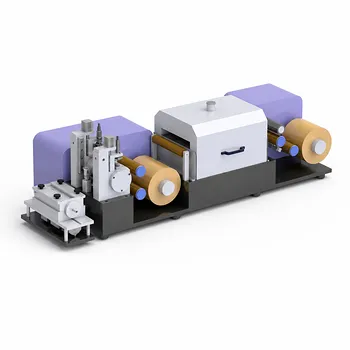
Slot Die Extrusion Coating Machine for Roll to Roll Electrode Coating
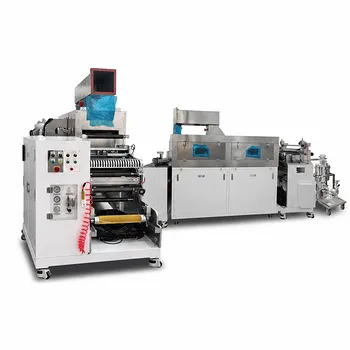
Lithium Ion Battery Electrode Transfer Coating Machine Roll to Roll Slurry Coater
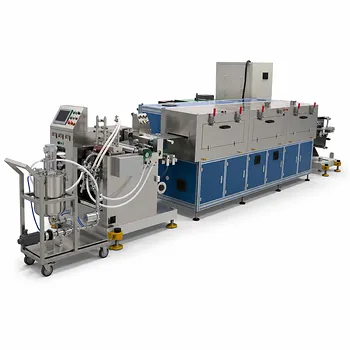
Single Sided Battery Electrode Extrusion Coating Machine
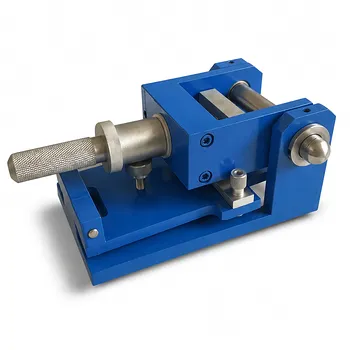
Battery Electrode Bend Tester Cylindrical Mandrel Flexibility and Coating Adhesion Testing System
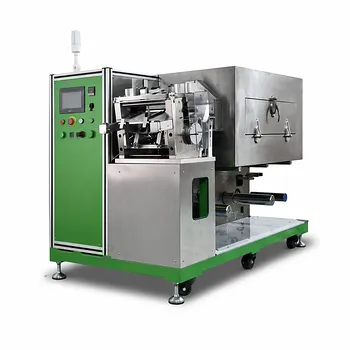
Doctor Blade Continuous Coating Machine for Battery Electrode Sheets