Within 8 hours on working days, 24 hours on holidays
Molds & Accessories
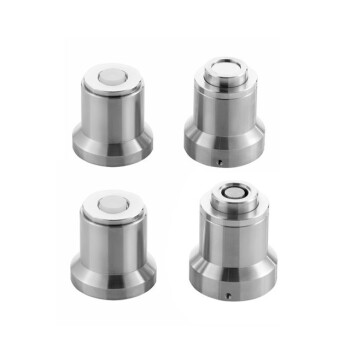
KINTEK molds and accessories turn laboratory press force into repeatable, application-ready samples for battery research, powder metallurgy, ceramics, polymers, pharmaceuticals, spectroscopy, and general materials science. This category includes cylindrical, square, ring, ball, polygon, and special-shape press molds; single- and bidirectional compaction designs; anti-cracking and scale-equipped molds; electric and infrared heating molds; XRF and FTIR pellet tooling; isostatic pressing molds; and dedicated button battery sealing and disassembly molds.
Built for controlled sample geometry, clean release, and dependable use with compatible laboratory presses, these solutions help researchers prepare pellets, strips, compacts, films, and cell components with less variation between batches. Standard sizes cover many routine workflows, while KINTEK can configure molds around your material, press capacity, target dimensions, heating needs, and analytical method.
Precision Molds and Accessories for Reliable Laboratory Sample Preparation
A laboratory press is only as capable as the tooling that transfers its force to the sample. Molds, dies, punches, heating plates, rings, and cell-assembly fixtures determine the geometry, pressure distribution, release behavior, and practical repeatability of every compact. Whether the goal is an XRF pellet, an FTIR transmission tablet, a ceramic green body, a powder-metallurgy specimen, a battery electrode compact, or a sealed coin cell, well-matched tooling makes the difference between an inconsistent trial and a useful experimental result.
KINTEK provides a broad range of laboratory molds and accessories designed for researchers who need repeatable sample preparation without limiting the flexibility of their work. The range supports routine pressing as well as specialized thermal, spectroscopic, isostatic, and battery workflows. Each mold format is selected to help laboratories control a specific part of the preparation process: sample shape, compaction direction, heating profile, demolding method, containment, or assembly accuracy.
Choose the Mold Geometry Around the Specimen You Need
The required finished specimen geometry should guide mold selection from the start. A specimen that fits the analytical instrument, test fixture, sintering support, or battery assembly process reduces rework and makes data easier to compare. KINTEK offers several practical geometry families for common laboratory needs.
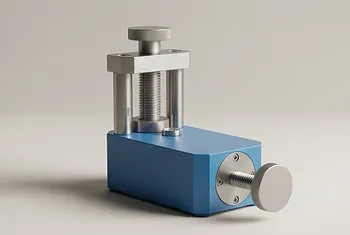
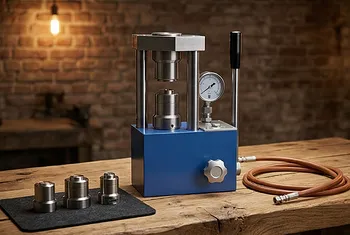
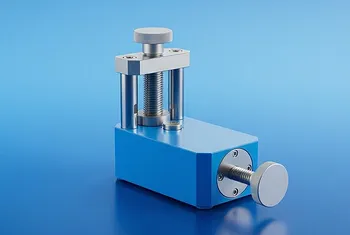
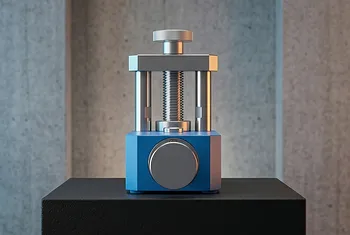
Cylindrical press molds are a widely used choice for preparing round pellets and compacts. They are suitable for powder samples used in XRF, FTIR, density evaluation, electrochemical research, material testing, and precursor preparation. Cylindrical molds are available in standard diameters and can be configured for requirements such as target pellet thickness, inner diameter, material compatibility, or integration with a particular press. A cylindrical press mold with a scale adds a useful visual reference for controlled filling and compact thickness monitoring during development work.
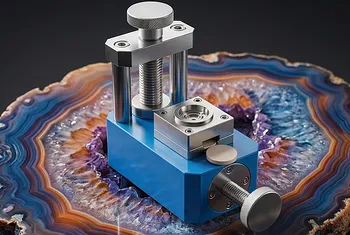
Square press molds are designed for strip-shaped or square specimens. They are useful when a rectangular sample better represents the final material or when it is needed for downstream testing, coating evaluation, electrical measurement, or other flat-sample workflows. The assemble square mold design supports convenient disassembly and can help users remove delicate, thin, or brittle specimens with less handling stress.
Ring press molds create annular specimens and are valuable where a central opening is required for a test method, fixture, or component design. Their construction helps laboratories form ring-shaped compacts with controlled dimensions for material studies and specialized sample preparation.
Ball, polygon, and special-shape molds extend the category beyond standard pellets. Ball molds support compact spherical forms for selected material-processing applications, while polygon molds make it possible to form non-round profiles. Special-shape laboratory press molds are intended for projects that need a geometry matched to a particular fixture, component, or research method. These options are especially useful in prototype development, academic research, process optimization, and applications where standard die dimensions do not represent the real product shape.
The value of a defined mold geometry is not merely visual consistency. Uniform external dimensions can improve packing, positioning, measuring, and handling. They also help laboratories establish a repeatable process window. When specimen size and shape remain stable, researchers can more confidently evaluate the influence of material formulation, particle size, moisture, binder level, pressing pressure, dwell time, and thermal history.
Improve Density Uniformity With Bidirectional Compaction
For many powder materials, force applied from one direction can produce a density gradient through the compact thickness. Friction between the powder and die wall, material flow characteristics, and specimen aspect ratio may all contribute to differences between the upper and lower regions of the pressed sample. These differences can influence green strength, shrinkage during thermal treatment, porosity, electrical behavior, and mechanical performance.
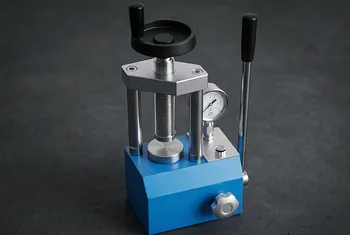
KINTEK round bidirectional and square bidirectional pressure molds are designed to address this challenge by applying compaction from opposing directions. By bringing pressure into the material from both the upper and lower punches, a bidirectional design can support more balanced compaction than a simple single-action arrangement in appropriate applications. This is particularly useful for researchers preparing dense powder compacts, ceramic specimens, metal powder samples, and materials where through-thickness uniformity matters.
Better pressure distribution does not eliminate the need for process development. Powder flow, lubricants, binder choice, fill depth, pressure ramp rate, and holding time remain important variables. However, a mold design that supports more uniform loading gives laboratories a stronger starting point for reducing density variation. It can also help when scaling a promising formulation from exploratory studies toward a more controlled preparation procedure.
For materials that are prone to cracking, lamination, or edge damage, the mold design and release sequence deserve particular attention. The KINTEK anti-cracking press mold is intended to help laboratories prepare sensitive samples under high pressure with a design focused on controlled compaction and sample protection. Assemble-style molds can also be valuable where rapid or low-stress disassembly helps protect fragile pressed bodies. These tooling choices are useful complements to optimized powder conditioning and press settings.
Heated Molds Combine Pressure and Temperature Control
Many materials benefit from applying heat during pressing. Temperature can improve powder consolidation, assist binder flow, support polymer or composite forming, reduce resistance to deformation, or enable a more controlled thermal-pressure process. In other workflows, consistent heating is needed to prepare flat materials, films, laminates, or samples for subsequent analysis.
KINTEK's heated mold options include cylindrical electric heating press molds, double-plate heating molds, infrared heating quantitative flat plate molds, and heat press special molds. These tools are designed to bring heating capability closer to the material interface, where temperature consistency and response time affect the outcome.
Cylindrical electric heating press molds are suited to round samples that require controlled heating during compaction. Their use can support battery-material research, ceramics, polymer processing, and advanced material preparation where a conventional room-temperature die is not sufficient. Models capable of elevated operating temperatures, including configurations described for operation up to 500 degrees C, allow laboratories to select a process range appropriate to the material and the intended experiment. Actual operating conditions should always be matched to the mold construction, press capability, thermal control system, sample chemistry, and applicable laboratory safety procedures.
Double-plate heating molds use upper and lower heated plates to deliver controlled thermal energy across flat samples. Dual-zone control can help users manage heating more precisely when preparing layered structures, films, composite sheets, or test specimens. Uniform heating and practical cooling behavior are important because temperature gradients can affect thickness, bonding, and residual stress. A controlled plate-based system gives researchers a more direct way to investigate these variables.
Infrared heating quantitative flat plate molds provide another route to controlled flat-sample preparation. Infrared heating can offer responsive thermal input and is useful in laboratory processes where uniform heat distribution and precise temperature control are central to repeatability. Flat plate tooling is particularly relevant for material research involving sheets, coated structures, laminates, and other planar samples.
Heat press special molds provide an adaptable platform when standard circular or square tooling does not fit the experiment. They can be configured for particular sample dimensions, component layouts, or thermal-pressure procedures. This flexibility matters in R&D environments, where the desired sample may change as the project moves from a simple material screen to a functional prototype.
A heated mold should be evaluated as a complete system, not simply as a die with a heater. Reliable thermal pressing depends on the relationship between heater location, sensing method, control loop, insulation, pressure application, dwell time, sample thickness, and cooling approach. KINTEK can help identify a suitable configuration based on the required temperature range, sample shape, material behavior, production frequency, and available laboratory press.
Support XRF and FTIR Analysis With Consistent Pellet Tooling
Spectroscopic analysis often begins with a well-prepared sample. For X-ray fluorescence analysis, pellet flatness, density, surface condition, and reproducible composition are all important to achieving useful comparisons. For FTIR transmission measurements, the sample format must suit the optical path and the selected preparation technique. Appropriate press molds help laboratories produce consistent specimens while reducing variation introduced during preparation.
The XRF boric acid powder pellet pressing mold is designed for laboratory preparation of pressed samples for XRF spectrometry. Boric acid is commonly used in pellet preparation workflows as a backing or support material, depending on the laboratory method. A dedicated mold helps create a controlled pellet format from powder mixtures, allowing the laboratory to establish a more repeatable sample-preparation procedure. Consistent dimensions and a stable pressed surface are practical benefits when samples will be compared across batches or tested against reference materials.
KINTEK also supplies XRF KBr steel-ring and plastic-ring powder pellet pressing molds for FTIR. Ring-assisted pellet preparation can be useful in FTIR workflows where the sample format needs to fit a holder or where a supporting ring facilitates handling. Steel and plastic ring options allow users to consider the requirements of the method, specimen handling, and compatibility with their laboratory process. The correct selection should account for the spectrometer accessory, the sample's optical requirements, potential contamination concerns, and the preparation procedure used by the laboratory.
For infrared applications, the lab infrared press mold for no demolding is designed to streamline sample preparation by allowing the prepared specimen to remain in the mold arrangement rather than requiring conventional removal. This can be beneficial where demolding could damage a fragile tablet or add unnecessary handling steps. The design is particularly relevant for transmission-oriented spectroscopy workflows where high transmittance and careful sample integrity are important. KINTEK also offers infrared press molds built with durable materials such as tungsten carbide for demanding laboratory sample preparation.
Mold selection for XRF and FTIR should always be considered alongside the full analytical method. Sample particle size, mixing homogeneity, binder or matrix choice, pressing force, dwell period, pellet thickness, ring type, and cleanliness can all affect the final result. A reliable mold cannot replace a validated analytical procedure, but it provides the mechanical consistency required to make that procedure reproducible.
Use Durable Tool Materials for Demanding Pressing Work
Laboratory molds repeatedly experience compressive loading, sliding contact, abrasion from powders, and potential exposure to elevated temperature. Tool material selection therefore affects service life, sample surface quality, dimensional stability, and the practical maintenance burden on the laboratory.
Many KINTEK press molds use durable alloy tool steels such as Cr12MoV, selected for applications that need wear resistance and reliable performance under pressing conditions. For certain high-hardness or abrasive materials, carbide laboratory press molds using YT15 material provide an alternative designed for demanding sample preparation. Carbide tooling can be especially useful when a laboratory needs resistance to wear while producing consistent pellets or compacts from challenging powders.
The best mold material depends on the application. Material hardness is important, but it is not the only criterion. Users should also consider the sample's abrasiveness, particle morphology, chemical compatibility, expected pressure, operating temperature, release behavior, cleaning method, and required surface finish. A mold intended for a soft polymer composite may have very different design requirements from one used for repeated compaction of hard ceramic powders.
Proper use and maintenance protect both the tooling and the sample. Laboratories should keep pressing surfaces clean, avoid loading beyond the approved operating conditions, inspect punches and die bores for wear, and use an appropriate release or lubrication method where the process calls for it. Moisture-sensitive, reactive, or contamination-sensitive samples may require additional controls. These details help preserve precision over repeated cycles and reduce the risk of damaged tooling or compromised data.
Extend Pressing Capability to Isostatic Forming
Conventional uniaxial pressing is effective for many samples, but some materials and geometries benefit from pressure applied more uniformly around the compact. KINTEK lab isostatic pressing molds support isostatic molding workflows intended to achieve uniform density and precision shaping in advanced material research.
In an isostatic process, pressure is transmitted through a fluid medium to the mold or encapsulated sample. This approach can reduce directional density differences associated with rigid-die uniaxial compaction and can be valuable for complex shapes, delicate materials, or applications where uniform green density is a priority. It is relevant to ceramics, powder metallurgy, advanced functional materials, and research programs investigating the relationship between compaction uniformity and final properties.
As with all forming methods, isostatic pressing requires thoughtful process design. The powder formulation, bag or mold arrangement, fluid medium, pressure cycle, and post-pressing handling affect the result. KINTEK can help users assess whether an isostatic mold is appropriate for the sample geometry and research objective, and how it fits with the available press system and downstream process.
Dedicated Tooling for Button Battery Research and Assembly
Battery research requires controlled electrode preparation as well as accurate cell assembly. Coin-cell performance can be influenced by component alignment, seal quality, cleanliness, and consistent handling. Dedicated tooling helps laboratories move from individual components to repeatable test cells with fewer avoidable assembly variables.
KINTEK's button battery tablet press sealing mold is designed for sealing coin cells in common formats such as CR16 through CR30. Durable hardened-steel construction supports repeated laboratory use, while the mold geometry helps position and form the cell during the sealing step. A reliable seal is essential because leakage, poor mechanical closure, or inconsistent compression can affect cell integrity and make electrochemical results harder to interpret.
The button battery disassembly and sealing mold supports both assembly and analysis workflows. In battery R&D, disassembly can be as important as sealing: researchers may need to inspect electrodes, separators, or other internal components after formation, cycling, storage, or failure testing. Tooling intended for controlled disassembly helps make this work more systematic while reducing the chance of unnecessary damage to components that need to be examined.
These battery accessories complement KINTEK's broader battery R&D equipment portfolio, including slurry mixing, coating, pressing, cell assembly, and testing systems. This workflow perspective matters because a coin-cell result depends on the consistency of every earlier preparation stage. When electrode formulation, coating, drying, calendaring or pressing, punching, assembly, and testing are considered together, laboratories are better equipped to identify the true source of performance changes.
Configure Tooling for Your Material, Press, and Method
Standard molds provide an efficient starting point, but R&D rarely remains standard for long. Researchers may need an uncommon specimen size, a nonstandard cross-section, a particular punch arrangement, a ring-compatible geometry, a heated configuration, or a mold designed around an existing laboratory press. KINTEK provides customizable mold solutions to support these requirements.
A productive customization discussion begins with practical process information. Useful details include the material being pressed, particle size and flow behavior, desired sample geometry, target dimensions, required pressure range, pressing direction, temperature range, expected use frequency, sample removal method, and the model or specifications of the available press. For analytical applications, the instrument method and holder dimensions are also important. For battery projects, the coin-cell format, component stack, and intended assembly sequence should be considered.
Customization may involve dimensions, punch and die geometry, material selection, heating integration, temperature-control approach, surface finish, mold assembly style, or accessory compatibility. The objective is not simply to make a nonstandard mold; it is to create tooling that supports a stable and practical workflow. A well-defined custom solution can reduce trial-and-error, improve specimen consistency, and make new material development more efficient.
KINTEK's experience across laboratory pressing, heating, battery R&D, and materials processing allows us to evaluate mold selection within the broader experimental process. We can help identify whether a standard cylindrical, square, ring, bidirectional, infrared, heated, carbide, isostatic, or battery-specific option is the right fit, then advise on customization when the application calls for it.
Build a More Repeatable Pressing Workflow
The most reliable sample-preparation workflows are built around controlled variables. Start by defining the specimen's required shape, final dimensions, and downstream use. Choose a mold design that supports those requirements, then validate the pressing force, dwell time, powder fill, release method, and any thermal parameters. Documenting these conditions makes it easier to compare experiments, train new users, and troubleshoot changes in specimen quality.
For routine labs, using dedicated molds for different material families or analytical methods can also support cleanliness and traceability. Separating tooling used for spectroscopy, battery materials, ceramics, or metal powders may help reduce cross-contamination risk where the application is sensitive. Regular inspection of die bores, punches, heating connections, and moving parts helps maintain consistent performance and extends the useful life of the tooling.
When you need a mold that matches your sample rather than forcing your sample into a generic format, contact KINTEK through our technical inquiry form. Share your material, target dimensions, press conditions, and application requirements, and our team will recommend a suitable standard solution or develop a customized mold and accessory configuration for your laboratory.
FAQ
What Are The Main Applications Of Press Molds In Laboratories?
Press molds are widely used in pharmaceutical development for creating uniform tablets, in spectroscopy for sample preparation, in bomb calorimetry for consistent combustion measurement, and in XRF analysis for determining elemental composition. They help in providing standardized samples for accurate testing and analysis across these fields.
What Is A Laboratory Hot Press Machine Used For?
A laboratory hot press machine is primarily used for high-temperature sample pressing tests involving powders, rubber, plastic films, and other solid samples. It can also function as a small vulcanization instrument. It is known for its ease of operation and wide applicability, making it an essential tool for laboratories involved in research and development.
What Are The Main Applications Of A Heated Platen Press?
Heated platen presses are widely used in infrared spectroscopy for sample preparation, XRF spectroscopy for elemental analysis, polymer film preparation, pharmaceutical pill making, and laminating processes to bond multiple material layers.
What Are The Main Applications Of A Laboratory Pellet Press?
Laboratory pellet presses are widely used in various fields including materials science (for preparing metal, ceramic, and plastic samples), chemistry (for catalysts and electrode materials), geology (for rock and ore samples), materials characterization (such as SEM and XRD analysis), energy sector (for battery electrodes and fuel cells), medicine (for drug preparation), and food/agriculture (for food ingredient samples). They are also essential in pharmaceutical analysis, environmental analysis, and material science research.
What Are The Main Applications Of A KBr Pellet Press?
A KBr pellet press is used in various industries and scientific research for forming precise pharmaceutical tablets, crafting uniform samples in materials science for testing properties like tensile strength and thermal conductivity, and optimizing manufacturing processes for ceramic and metal alloy samples. It is also vital for producing homogenous, high-density fuel pellets in nuclear energy, which directly affects reactor performance.
What Is The Principle Of A Laboratory Isostatic Press?
A laboratory isostatic press applies uniform, equal force over the entire product using fluid (like water or oil) or gas (typically argon) pressure. This ensures uniform modification of materials in all directions, achieving maximum density uniformity. The process can be performed at both high temperatures and room temperature, and it eliminates the constraints of unidirectional compaction found in rigid dies.
What Is An Isostatic Press?
An isostatic press is a device that applies uniform pressure from all directions to a powdered material enclosed in a flexible mold or container, using a liquid or gas medium. This process enhances the material's density, strength, and dimensional accuracy.
What Types Of Press Molds Are Available For Laboratory Use?
There are various types of press molds available, including square bidirectional pressure molds, ring press molds, ball press molds, cylindrical press molds, anti-cracking press molds, polygon press molds, and special shape press molds. These molds come in different sizes and materials to suit various laboratory needs.
What Are The Key Features Of A Laboratory Hot Press Machine?
Key features of a laboratory hot press machine include a titanium indenter for even temperature distribution, adjustable pressure head, digital pressure gauge, and advanced electronic control. It also features a four-column three-plate structure, pulse heating technology, precise temperature control (0.1s sampling), multi-stage temperature rise, real-time temperature display, and safety mechanisms like emergency stop switches and safety doors.
What Safety Features Are Commonly Found In Heated Platen Presses?
Common safety features include closed molding areas to contain fumes, protection doors with safety locks to prevent accidental access, and automatic control systems with user-friendly interfaces for safe operation.
What Features Should I Consider When Choosing A Laboratory Pellet Press?
When selecting a laboratory pellet press, consider factors such as sample volume, pressure requirements, and space constraints. Key features to evaluate include force gauges for precise pressure control, heated platens for materials that require heat, and customization options like interchangeable dies and plungers. Additionally, look for durability, ease of operation, and the ability to handle specific materials relevant to your research or industry.
What Are The Key Features Of A KBr Pellet Press?
The key features of a KBr pellet press include full hydraulic operation for precise pressure application, an integrated pressure gauge for real-time feedback, a user-friendly design for ease of use, low cost of ownership due to durability and minimal maintenance, and suitability for producing high-quality pellets for FTIR analysis.
What Are The Advantages Of Using A Laboratory Isostatic Press?
The advantages include the ability to create parts with high density and complex shapes, uniform density, high green strength, and freedom from compact defects. It is particularly useful for brittle or fine powders and can produce difficult shapes and large-sized materials. Additionally, it improves corrosion resistance and enhances mechanical properties like ductility and strength.
What Are The Main Types Of Isostatic Presses?
The main types of isostatic presses are Cold Isostatic Pressing (CIP), Warm Isostatic Pressing (WIP), and Hot Isostatic Pressing (HIP). CIP operates at room temperature, WIP at moderate temperatures (50-100°C), and HIP at high temperatures.
What Are The Key Features Of Laboratory Press Molds?
Laboratory press molds feature precision-engineered hydraulic systems for consistent performance. Advanced models may include digital pressure displays and programmable settings. They are available in both manual and automated versions, with sizes ranging from compact benchtop units to larger floor-standing presses to accommodate different laboratory spaces and sample sizes.
What Are The Main Components Of A Laboratory Hot Press Machine?
The main components of a laboratory hot press machine include: 1) Heating System (heating platens, heating elements, temperature sensors, and insulation materials), 2) Pressing System (hydraulic, pneumatic, or manual systems with upper and lower platens), 3) Control System (temperature controller, pressure controller, timer, and human-machine interface), 4) Frame and Structure (robust metal frame to withstand pressing forces), and 5) Optional Auxiliary Systems (cooling system, vacuum system, atmosphere protection system, and safety guards).
How Does A Heated Platen Press Operate?
A heated platen press operates by applying positive pressure combined with negative pressure and special adhesives. It features high pressure, low temperature, and short processing times to reduce workpiece deformation. The process involves table feeding, heating, vacuuming, forming, and demolding, driven by oil pressure and compressed air.
How Does A Laboratory Pellet Press Work?
A laboratory pellet press operates using a hydraulic cylinder to apply controlled pressure to materials, compressing them into pellets. Some models also include a heating system for temperature control, which is useful for processing materials like rubber, polymers, and composites. The press allows for precise adjustment of pressure and speed, ensuring reproducible results and efficient batch production.
How Does A KBr Pellet Press Work?
The KBr pellet method is based on the fact that potassium bromide becomes plastic under high pressure and forms a transparent matrix when compressed. This matrix allows infrared light to pass through, making it ideal for IR spectroscopy. The sample is mixed with KBr powder in a specific ratio (typically 1:100 to 1:200, sample to KBr) to ensure even distribution and minimal blockage of IR light.
What Are The Common Applications Of A Laboratory Isostatic Press?
Common applications include producing balls, tubes, rods, nozzles, fuse tubes, grinding wheels, battery electrolytes, spark plug insulators, sewer pipes, crucibles, oxygen sensors, and rocket nose cones. It is also used for consolidating ceramic powders, graphite, refractory materials, and electrical insulators, as well as pressing sputtering targets and coatings for engine valve parts.
How Does An Isostatic Press Work?
An isostatic press works by enclosing powdered material in a flexible mold and applying uniform pressure from all directions using a liquid (like water or oil) or gas (like argon) medium. This eliminates voids and air pockets, resulting in products with high density and uniform strength.
What Materials Are Commonly Used To Make Press Molds?
Press molds are typically made from durable materials such as Cr12MoV alloy steel, carbide (e.g., YT15), and hardened steel. These materials are chosen for their high hardness, durability, and resistance to wear and high pressure, ensuring long-lasting performance in laboratory environments.
How Does A Laboratory Hot Press Machine Work?
A laboratory hot press machine operates by applying positive pressure combined with negative pressure and special adhesives. It features high pressure, low temperature, and short processing times to reduce workpiece deformation. The process involves table feeding, heating, vacuuming, forming, and demolding, driven by oil pressure and compressed air.
What Are The Advantages Of Using A Heated Platen Press?
Heated platen presses offer several advantages including enhanced heating efficiency through uniform temperature distribution, improved workpiece quality via consistent thickness and closure force, reduced heat generation for energy savings, and environmental friendliness by adhering to strict emission standards.
What Are The Advantages Of Using A Laboratory Pellet Press?
The advantages of using a laboratory pellet press include precise control over pressure and temperature, high adjustability in terms of pressure and speed, capability for batch production, and the ability to produce reproducible results. These presses are versatile, handling both pellets and powders efficiently, and are designed for time and cost efficiency. They are also easy to operate and built with durable materials for long-term reliability in laboratory settings.
What Are The Advantages Of Using A KBr Pellet Press?
The advantages include transparency to IR radiation for clear spectral analysis, versatility with a wide range of solid samples, and high reproducibility ensuring consistent results. Additionally, it offers high sensitivity for detecting trace amounts due to thin and uniform sample distribution, minimal sample preparation with quick and efficient steps, and versatility suitable for a wide range of solid samples, including polymers, pharmaceuticals, and inorganic compounds.
What Types Of Laboratory Isostatic Presses Are Available?
Types include Lab Isostatic Pressing Molds for Isostatic Molding, Electric Lab Cold Isostatic Press (CIP) Machines, Warm Isostatic Presses for solid-state battery research, Automatic Lab Cold Isostatic Pressing (CIP) Machines, and Electric Split Lab Cold Isostatic Pressing (CIP) Machines. These cater to various research and industrial needs with features like uniform compaction and customizable models.
What Are The Advantages Of Using An Isostatic Press?
Isostatic pressing offers advantages such as the ability to produce parts with high density, complex shapes, and uniform density. It provides high green strength, improved corrosion resistance, and enhanced mechanical properties like ductility and strength. It is especially useful for brittle or fine powders.
What Are The Advantages Of Using Press Molds In Laboratories?
Press molds offer several advantages, including quick setting changes and easy switching between different sample types and materials. This flexibility is not typically available in production presses or injection molding machines, which are more cumbersome and time-consuming for such transitions. Additionally, press molds provide high precision and uniformity in sample preparation.
What Are The Advantages Of Using A Laboratory Hot Press Machine?
The advantages of using a laboratory hot press machine include the ability to apply larger pressure at lower temperatures and shorter film pressure times, which reduces the risk of workpiece deformation compared to negative pressure equipment. Hydraulic hot press machines, in particular, offer precise temperature control, rapid heating, and consistent temperature distribution, making them ideal for applications requiring both high pressure and controlled heat, such as in the molding of thermoplastics and composites.
What Types Of Heated Platen Presses Are Available?
There are several types of heated platen presses available, such as split automatic heated hydraulic press machines with heated plates, lab heat press special molds, and infrared heating quantitative flat plate molds for precise temperature control.
What Types Of Laboratory Pellet Presses Are Available?
There are several types of laboratory pellet presses available, including manual hydraulic presses, automatic hydraulic presses, and split electric presses. Manual presses are ideal for basic applications, while automatic presses offer enhanced precision and efficiency for more demanding tasks. Split electric presses provide advanced pressure control and are compact, making them suitable for versatile applications. Additionally, there are specialized presses like isostatic presses and those designed for glove box use or specific analytical techniques like XRF and FTIR.
What Are The Drawbacks Of Manual KBr Pellet Presses?
Manual presses are portable, simple to use without complex machinery, and cost-effective. However, they can be labor-intensive for large batches and may have difficulty maintaining consistent pressure across samples.
How Does A Laboratory Isostatic Press Ensure Uniform Density?
The press applies uniform pressure equally across the entire product surface, regardless of its geometric complexity or size. This uniform pressure distribution ensures consistent density throughout the material, which is crucial for achieving high-quality, defect-free components.
What Industries Use Isostatic Presses?
Isostatic presses are used in various industries including pharmaceuticals, explosives manufacturing, chemicals, food production, and nuclear fuel and ferrites production. They are also used for consolidating ceramic powders, graphite, refractory materials, and electrical insulators.
Can Press Molds Be Customized For Specific Laboratory Needs?
Yes, many press molds can be customized in terms of size, shape, and material to meet specific laboratory requirements. Customizable options include special shapes, sizes ranging from Φ3-80mm, and materials tailored for specific applications such as XRF analysis, battery research, or material testing.
What Are The Applications Of Cold Isostatic Pressing (CIP)?
Cold Isostatic Pressing (CIP) is commonly used for consolidating ceramic powders, graphite, refractory materials, and electrical insulators. It is also expanding into new applications like pressing sputtering targets and coatings for engine valve parts.
How Do Press Molds Ensure High-precision Sample Preparation?
Press molds ensure high-precision sample preparation through their precision-engineered designs, which provide uniform pressure and consistent compaction. Features such as bidirectional pressure, durable materials, and advanced hydraulic systems contribute to the accuracy and reliability of the samples produced.
What Is The Difference Between CIP, WIP, And HIP?
CIP (Cold Isostatic Pressing) operates at room temperature, WIP (Warm Isostatic Pressing) at moderate temperatures (50-100°C), and HIP (Hot Isostatic Pressing) at high temperatures. Each type is suited for different materials and applications, with HIP often used for densifying materials and eliminating porosity.
What Are The Benefits Of Using Heated Press Molds?
Heated press molds offer benefits such as rapid heating (up to 500°C), precise temperature control, and the ability to process materials that require heat for compaction or bonding. These molds are ideal for applications in battery research, ceramics, and other materials that need controlled heating during preparation.
Why Is Uniform Density Important In Isostatic Pressing?
Uniform density is important because it ensures consistent material properties throughout the product, such as strength and durability. This uniformity is critical for applications requiring high performance and reliability, such as in aerospace or medical devices.
How Do Press Molds Contribute To Efficient Laboratory Workflows?
Press molds enhance laboratory efficiency by enabling quick and easy sample preparation with minimal setup time. Their ability to switch between different sample types and materials rapidly, along with features like programmable settings and digital displays, streamlines the workflow and reduces downtime.
What Should I Consider When Choosing A Press Mold For My Laboratory?
When selecting a press mold, consider factors such as the type of samples you will be preparing, the required pressure and temperature ranges, the size and shape of the molds, and the material compatibility. Additionally, evaluate whether manual or automated models better suit your workflow and if any customization options are needed for your specific applications.
REQUEST A QUOTE
Our professional team will reply to you within one business day. Please feel free to contact us!
This website uses cookies to enhance your browsing experience,
analyze site traffic, and serve better user experiences. By continuing to use this site, you consent to our use of
cookies. Learn more in our cookie policy.