KINTEK manual lab presses provide controlled compaction, forming, heating, and sealing for laboratories working in battery research, spectroscopy, materials science, ceramics, polymers, pharmaceuticals, and academic research. The category includes compact 2-ton pellet presses for KBr FTIR preparation, versatile manual hydraulic pellet presses for powders and material testing, button battery presses and sealing machines for coin-cell development, and manual hot presses with high-force, temperature-controlled platens for thermally assisted processing. Supporting sample-preparation equipment, including a manual microtome slicer, helps laboratories create consistent specimens before analysis or downstream processing.
Toggle Categories
Get Instant Support
Choose your preferred way to connect with our team
Response Time
Within 8 hours on working days, 24 hours on holidays
Manual Lab Press

Laboratory Hydraulic Press 2T Lab Pellet Press for KBR FTIR
Item Number: KT-KBP

Manual Laboratory Hydraulic Press Lab Pellet Press
Item Number: PCF
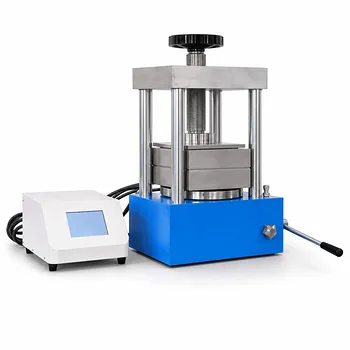
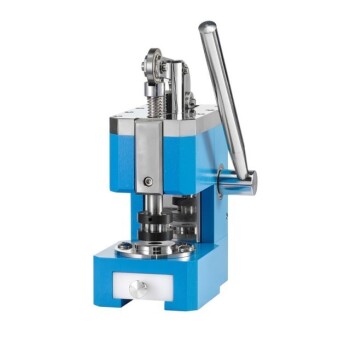
Lab Manual Microtome Slicer for Tissue Sectioning
Item Number: PT10
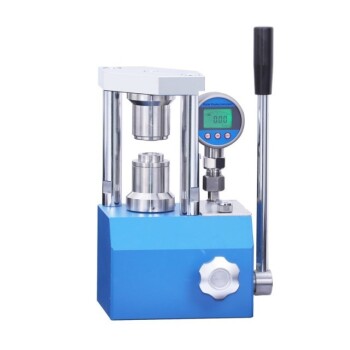
Button Battery Sealing Machine for Button Batteries
Item Number: PC2NS

Laboratory Hydraulic Press Lab Pellet Press Button Battery Press
Item Number: PCBP
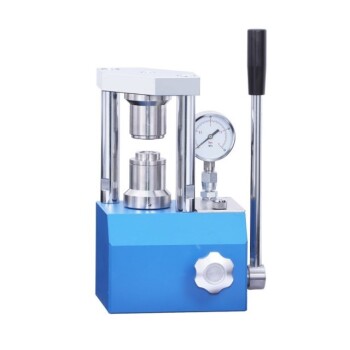
Manual Button Battery Sealing Machine for Battery Sealing
Item Number: PC2N

Manual Laboratory Hydraulic Pellet Press Lab Hydraulic Press
Item Number: PCMP
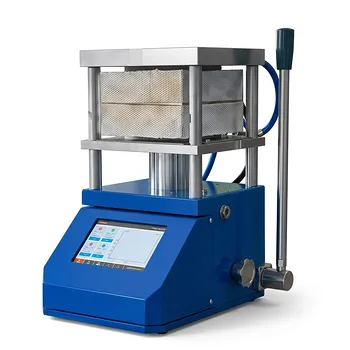
25 Ton Manual Hot Press 600°C for Laboratory Material Processing
Item Number: XP13
Manual Lab Presses for Repeatable Sample Preparation and Materials Development
A manual lab press is a fundamental tool for laboratories that need to apply reliable compressive force to powders, films, electrodes, laminates, pellets, and small assembled components. From preparing a transparent KBr pellet for FTIR analysis to compacting battery electrode materials, molding a polymer composite, or crimping a button cell, pressing quality directly affects the consistency of the final sample and the confidence of the test result. KINTEK manual lab presses are designed to give research teams direct, practical control of force, dwell time, release, and, where required, temperature. This makes them a dependable choice for routine laboratory work as well as exploratory R&D where processing parameters must be adjusted quickly.
Unlike large production presses, a manual laboratory press is often compact enough for benchtop use and straightforward enough to support frequent parameter changes between experiments. Researchers can prepare a small batch, inspect the result, refine pressure or hold time, and repeat the process without creating a complex automated program. This hands-on control is especially valuable during method development, feasibility studies, material screening, teaching laboratories, and low-volume specialty work. At the same time, the press must deliver stable, evenly transmitted force so that results can be compared across samples, operators, and test cycles.
KINTEK offers manual pressing and sample-processing equipment across several common laboratory workflows:
- Hydraulic pellet presses for forming powders into dense, uniform pellets for FTIR, XRF-related preparation workflows, density studies, pharmaceutical research, powder metallurgy, ceramics, and general materials characterization.
- Compact 2-ton presses for controlled KBr pellet production and small-sample analytical preparation where a compact footprint and precise manual operation are priorities.
- Manual hydraulic presses for button battery work to support electrode compaction, die-based forming, and other cell-development operations requiring controlled mechanical pressure.
- Manual button battery sealing machines for securely crimping compatible coin-cell formats, including common laboratory configurations such as CR2032 and LR44-style cells.
- Integrated heated laboratory presses that combine substantial clamping force with heated platens for hot pressing, bonding, lamination, curing, thermal compression, and material consolidation.
- High-temperature manual hot presses for demanding applications such as ceramic processing, polymer-composite molding, solid-state battery electrolyte compaction, and thermally assisted material forming.
- Manual microtome slicers that complement pressing workflows by preparing controlled sample sections for laboratory observation, research, food analysis, and industrial evaluation.
Controlled Pressure for More Consistent Pellets, Compacts, and Test Specimens
The central function of a manual hydraulic press is simple: a mechanical input is converted into high compressive force, which is transferred through the press frame, platens, tooling, or die to the sample. In a hydraulic design, an operator actuates the pump or lever to move hydraulic fluid and generate pressure in the cylinder. The piston then applies force to the upper or lower platen, compressing the material held in a die set, mold, or dedicated fixture. A pressure indication system enables the user to work toward the required force or pressure range, while controlled release helps prevent abrupt decompression that could crack or damage a fragile compact.
This controlled compaction changes the physical structure of loose or layered material. Powder particles rearrange, interlock, deform, or fracture at contact points; void space is reduced; and the resulting compact generally gains density, integrity, and more uniform geometry. The exact outcome depends on material properties, particle size distribution, moisture level, binder content, die geometry, applied load, pressing speed, and dwell time. A press therefore does more than simply flatten a sample. It becomes a key part of a repeatable preparation method.
For analytical laboratories, repeatability matters because variations in pellet thickness, density, homogeneity, or surface condition can influence measurement quality. In FTIR transmission analysis, for example, a KBr pellet should be adequately transparent, uniform, and free from excessive defects that can scatter light or interfere with spectral interpretation. For XRF-related powder preparation and materials screening, a consistent compact improves sample handling and can support more reliable comparison between specimens. For electrode and powder-material development, controlled consolidation can affect porosity, mechanical stability, contact behavior, and subsequent electrochemical or physical testing.
Manual operation gives laboratory users the flexibility to tailor these variables. An operator can increase pressure gradually for a fragile material, hold force for a defined dwell period to improve consolidation, or change the tool configuration as sample dimensions evolve. This direct approach is particularly useful when a material does not yet have an established process window. It allows researchers to observe how a new formulation responds to compaction before committing to an automated or higher-throughput workflow.
Pellet Presses for FTIR and Powder Sample Preparation
KINTEK pellet presses are well suited to laboratory sample preparation where a small quantity of powder must be converted into a stable, measurable specimen. KBr pellet preparation for FTIR is one of the most familiar applications. Infrared spectroscopy often requires a finely ground analyte to be dispersed in dry potassium bromide and pressed into a thin pellet with sufficient optical quality for transmission measurement. The quality of the pellet can influence spectral clarity, baseline behavior, and the ability to identify subtle absorption features.
A compact 2-ton laboratory hydraulic press offers a practical option for this work. Its format supports routine use near an analytical laboratory while providing the controlled compressive force needed for small pellet dies. By using appropriate die tooling, clean handling procedures, dry materials, and a consistent pressing method, laboratories can prepare pellets with improved uniformity from one sample to the next. The press can also be used for other low-volume powder compaction tasks where researchers need a compact specimen for characterization, handling, or preliminary process evaluation.
For more general laboratory needs, manual hydraulic pellet presses provide a broader platform for powder compaction and materials testing. They can be paired with suitable dies and molds to produce round, square, rectangular, or custom-shaped samples according to the project requirement. This flexibility is useful in powder metallurgy, ceramic research, mineral analysis, catalyst development, pharmaceutical research, polymer additives, and academic materials-science programs. A robust press frame and durable hydraulic components help support repeated pressing cycles, while a compact laboratory footprint makes the equipment accessible to teams with limited bench or floor space.
Effective pellet preparation is not solely a question of maximum tonnage. Users should consider the sample area and calculate the pressure experienced by the material. The same applied force produces different sample pressure when the die diameter changes. Smaller dies concentrate the force over a smaller area; larger molds require more total force to reach a comparable pressure. KINTEK can help users identify a press capacity and tooling arrangement that match their target sample dimensions, material behavior, and desired density. This avoids selecting equipment based only on tonnage while overlooking the real process condition at the sample.
Manual Presses for Battery R&D and Coin-Cell Assembly
Battery laboratories require equipment that can support precise, repeatable work while accommodating evolving electrode formulations, separator choices, electrolyte systems, and cell architectures. Manual pressing equipment has an important role in this environment because it allows technicians and researchers to compact electrodes, prepare small material samples, form components with dies, and complete selected assembly steps without the scale or complexity of a production line.
For electrode research, compaction can improve the physical contact between particles and reduce uncontrolled variation in layer thickness or porosity. The appropriate pressure depends on the active material, conductive additive, binder system, collector, coating thickness, and the properties being evaluated. Excessive force may damage a delicate substrate or alter a structure beyond the intended research condition, while insufficient force may leave an unstable or poorly consolidated sample. A manually controlled hydraulic press gives the operator an accessible way to establish and refine a suitable pressure range during early-stage development.
KINTEK's laboratory hydraulic presses and button battery press solutions are intended to support these controlled bench-scale operations. Their use can extend across active-material screening, powder compaction, electrode-related preparation, component forming, and test-sample creation. Because battery R&D involves frequent iteration, equipment that accepts suitable fixtures and can be configured around the specific sample is especially valuable. A team may need a compact die for a powder pellet in the morning, a larger platen setup for a laminate evaluation later in the day, and a dedicated coin-cell workflow for electrochemical validation after that.
Manual button battery sealing machines add another essential capability to laboratory cell assembly. A coin cell depends on a secure, consistent crimp to maintain the intended enclosure and help avoid sealing defects that could compromise testing. KINTEK manual sealers are designed for precise sealing of compatible button-cell formats, including commonly used CR2032 and LR44-style cells. Their manual format is well suited to R&D, pilot experiments, teaching laboratories, and small-batch work where users need an affordable, direct, and controllable sealing process.
A robust sealing workflow begins before the final crimp. Researchers should ensure that cell components are compatible, correctly stacked, clean, and handled according to the requirements of the chosen chemistry and laboratory safety procedures. The selected crimping die and operating conditions should match the cell format. Once the cell is sealed, teams can perform visual inspection and apply their established quality-control procedures before transferring the cell to testing. Consistent mechanical operation at this stage helps research groups isolate material and electrochemical variables rather than introducing unnecessary assembly variation.
Heated Manual Presses for Thermal Compression and Material Consolidation
Some materials cannot achieve the required result through pressure alone. Heat can soften polymers, promote flow, assist binder activation, improve layer bonding, accelerate curing, or help consolidate materials that remain resistant to cold pressing. A heated lab press combines controlled mechanical load with temperature-controlled platens, enabling hot pressing processes that are relevant to advanced materials research, battery development, ceramics, polymers, composites, films, and laboratory-scale molding.
The operating principle is the coordinated application of heat, pressure, and time. Heated platens transfer thermal energy into the sample, mold, or stack. As temperature rises, the material may soften, become more flowable, undergo a transition, or activate a desired bonding or curing mechanism. Mechanical pressure then brings surfaces into intimate contact and shapes or consolidates the workpiece. Maintaining the selected temperature and force for an appropriate dwell period supports more uniform thermal exposure and material response. Controlled cooling and release may also be important, depending on the sample and process objective.
KINTEK's 24-ton integrated heating press provides a substantial clamping-force option with a 200 x 200 mm heated platen area and precision temperature control up to 300 degrees C. This combination is useful for laboratory sample preparation, battery research, material testing, composite processing, and applications where a larger flat working area is needed. The integrated design helps laboratories combine pressing and heating in one controlled tool rather than transferring a sample between separate equipment stages.
For more demanding thermal processing, the 25-ton manual hot press provides high-force manual compression with an 180 x 180 mm heated platen area and temperatures up to 600 degrees C. This capability supports high-temperature material work including ceramic sintering-related research, polymer composite molding, and solid-state battery electrolyte compaction. Temperature capability should always be evaluated against the complete process, including tooling limits, atmosphere requirements, thermal expansion, sample chemistry, and appropriate laboratory safety controls. The press provides the thermal-mechanical platform; a successful process also depends on selecting compatible dies, release materials, fixtures, and operating parameters.
Heated pressing can provide several practical advantages over separate heating and compaction steps. Applying pressure during controlled heating can improve contact across interfaces, reduce voids, and support more uniform thickness in suitable materials. It can also reduce handling between process stages, which may be useful when working with delicate laminates or samples that must be aligned accurately. In polymer-film and composite work, heat can help materials conform to the mold or platen surfaces. In powder-based material research, thermal assistance can promote bonding behavior that cold pressing alone may not achieve. The final benefit depends on the material and method, so process development should include trials that evaluate density, thickness, flatness, mechanical integrity, surface quality, and relevant functional performance.
Choosing the Right Manual Laboratory Press
The right press depends on the specific sample, not merely the maximum force listed on the product specification. Begin by defining the core operation: pellet pressing, powder compaction, thermal molding, battery-component preparation, coin-cell crimping, or sample sectioning. Then evaluate the dimensions of the sample and die, desired material pressure, temperature requirement, throughput, available laboratory space, and operator workflow.
For routine FTIR pellet preparation and small specimens, a compact hydraulic pellet press can provide efficient and precise operation without consuming excessive bench space. For a wider range of powder and material applications, a general manual hydraulic press offers greater adaptability with compatible dies and tooling. For thermal compression, select a heated press based on both the required platen area and the temperature range of the material process. A 300 degrees C integrated heating press may be appropriate for many polymer, laminate, battery, and composite tasks, while processes involving higher temperature materials may require a hot press with capability up to 600 degrees C.
For button-cell research, the sealing machine must be matched to the compatible cell format and assembly method. Researchers should also consider the surrounding workflow, including glovebox compatibility where relevant, component handling, inspection, storage, and test-system integration. KINTEK's broader battery R&D portfolio can support the progression from slurry mixing and coating through pressing, cell assembly, and testing, allowing laboratories to build a more coordinated development workflow as their programs expand.
Important selection considerations include:
- Force capacity: Choose a capacity that supports the required sample pressure with an appropriate operating margin for the die and material.
- Platen or working area: Confirm that the usable area accommodates the mold, fixture, or material stack without compromising safe operation.
- Temperature range: For hot pressing, match the platen temperature capability to the thermal needs of the process and the limits of the selected tooling.
- Pressure indication and control: Clear, practical force control helps users establish and repeat a documented method.
- Tooling compatibility: Dies, molds, spacers, and fixtures determine the final sample geometry and should be considered with the press itself.
- Sample type: Fine powders, brittle ceramics, polymer films, multilayer laminates, battery materials, and prepared cell components each respond differently to pressure and heat.
- Laboratory footprint: Benchtop equipment can simplify access and reduce handling distance in research environments with limited space.
- Safety and maintenance: Durable construction, sound operating procedures, suitable guarding or protective features, and routine inspection support dependable use over time.
Advantages of Manual Operation in Research Laboratories
Automatic presses are valuable when laboratories need programmed cycles, high repeatability at scale, or reduced operator effort. Manual presses remain highly relevant because they offer a different set of advantages. They provide immediate control, are practical for low-volume work, and allow experienced users to respond to material behavior during an experiment. This is valuable when a sample requires a gradual pressure increase, a custom dwell time, or a series of exploratory trials that would be inefficient to program individually.
Manual equipment can also be a cost-effective way to add pressing capability to an analytical or materials laboratory. A well-selected hydraulic press can serve many projects through interchangeable dies and fixtures, supporting a range of sample geometries and applications. It is particularly useful for universities, shared research facilities, pilot laboratories, and teams developing new products where process conditions are still being established.
The benefit is not only flexibility. Manual presses can help researchers develop the knowledge required to later scale a process. By studying how a material responds to changes in force, heating rate, dwell time, and cooling conditions, teams can identify the variables that matter most. Those findings can inform standard operating procedures, quality criteria, and the eventual transition to automatic or higher-capacity equipment when throughput increases.
Process Practices That Support Better Results
Consistent results begin with controlled sample preparation. Powders should be mixed, dried, sieved, or conditioned as required by the method. Dies and platens should be clean and compatible with the sample. Users should apply load gradually when working with fragile materials and maintain a documented dwell time when density or structural consistency is important. A controlled pressure release can reduce the risk of cracking, delamination, or sudden sample damage.
For heated pressing, allow the sample and tooling to reach the intended thermal condition according to the process requirements. Temperature, pressure, and time work together; changing one may alter the effect of the others. Use appropriate release films, liners, or mold treatments when necessary to prevent adhesion and protect surfaces. Consider the thermal expansion of the mold and sample, particularly at elevated temperatures. After pressing, apply a cooling and demolding approach suitable for the material so the workpiece retains its intended geometry and surface quality.
Maintain traceability by recording the press model, die dimensions, material batch, pressure or force setting, temperature, dwell time, and observations of the final sample. This information is especially useful during materials development, where small processing changes can produce meaningful differences in physical or electrochemical performance. A documented workflow makes it easier to repeat successful conditions, diagnose variation, and communicate methods between researchers.
Manual microtome slicing can support this quality-focused workflow when a pressed or processed specimen must be sectioned for inspection. Controlled slicing helps researchers prepare samples for microscopy, surface examination, food research, industrial evaluation, or other analytical work. Together, pressing and sectioning equipment can help laboratories move from raw material to a prepared specimen that is suitable for the next stage of analysis.
KINTEK Support and Customizable Press Solutions
KINTEK understands that laboratory pressing is rarely a one-size-fits-all process. Research teams may need a particular die diameter, platen size, heating range, fixture arrangement, force capacity, or battery-cell tooling configuration. They may also need equipment that fits an existing workflow involving slurry mixing, coating, calendering or pressing, cell assembly, and electrochemical testing. Our experience across battery R&D and advanced materials research enables us to help customers evaluate the practical relationship between their material, sample geometry, processing conditions, and equipment selection.
In addition to standard manual hydraulic presses, pellet presses, hot presses, and battery sealing equipment, KINTEK can discuss customized solutions for specialized laboratory applications. Customization can address tooling dimensions, working-area requirements, thermal-processing needs, sample fixtures, and workflow-specific configurations. The goal is to provide equipment that supports the real laboratory process rather than forcing the process to fit an unsuitable standard setup.
Whether you are producing KBr pellets for spectroscopy, developing coin cells, compacting solid-state battery materials, molding composite samples, investigating ceramics, or establishing a new powder-compaction method, KINTEK can help identify a manual lab press solution that balances force, temperature, sample size, precision, and usability. Contact our technical team to discuss your application, material characteristics, target dimensions, and customization requirements. We will help you select the appropriate press and tooling for dependable laboratory results.
FAQ
What Is A Laboratory Hydraulic Press Used For?
A laboratory hydraulic press is used for testing material durability and strength, creating pellets for sample analysis, and various other applications such as sample preparation for spectroscopy, power compaction for composite materials, material testing, prototyping microfluidic devices, and pharmaceutical research and development.
What Are The Main Applications Of A Laboratory Pellet Press?
Laboratory pellet presses are widely used in various fields including materials science (for preparing metal, ceramic, and plastic samples), chemistry (for catalysts and electrode materials), geology (for rock and ore samples), materials characterization (such as SEM and XRD analysis), energy sector (for battery electrodes and fuel cells), medicine (for drug preparation), and food/agriculture (for food ingredient samples). They are also essential in pharmaceutical analysis, environmental analysis, and material science research.
What Are The Main Applications Of A KBr Pellet Press?
A KBr pellet press is used in various industries and scientific research for forming precise pharmaceutical tablets, crafting uniform samples in materials science for testing properties like tensile strength and thermal conductivity, and optimizing manufacturing processes for ceramic and metal alloy samples. It is also vital for producing homogenous, high-density fuel pellets in nuclear energy, which directly affects reactor performance.
What Are The Main Applications Of Press Molds In Laboratories?
Press molds are widely used in pharmaceutical development for creating uniform tablets, in spectroscopy for sample preparation, in bomb calorimetry for consistent combustion measurement, and in XRF analysis for determining elemental composition. They help in providing standardized samples for accurate testing and analysis across these fields.
What Is A Laboratory Hot Press Machine Used For?
A laboratory hot press machine is primarily used for high-temperature sample pressing tests involving powders, rubber, plastic films, and other solid samples. It can also function as a small vulcanization instrument. It is known for its ease of operation and wide applicability, making it an essential tool for laboratories involved in research and development.
What Are The Main Features Of A Laboratory Hydraulic Press?
The hydraulic system features a closure force of 25 tons, includes a hydraulic balance device for stable and quick movement, and uses well-known electronic components for stability and long-term use.
What Features Should I Consider When Choosing A Laboratory Pellet Press?
When selecting a laboratory pellet press, consider factors such as sample volume, pressure requirements, and space constraints. Key features to evaluate include force gauges for precise pressure control, heated platens for materials that require heat, and customization options like interchangeable dies and plungers. Additionally, look for durability, ease of operation, and the ability to handle specific materials relevant to your research or industry.
What Are The Key Features Of A KBr Pellet Press?
The key features of a KBr pellet press include full hydraulic operation for precise pressure application, an integrated pressure gauge for real-time feedback, a user-friendly design for ease of use, low cost of ownership due to durability and minimal maintenance, and suitability for producing high-quality pellets for FTIR analysis.
What Types Of Press Molds Are Available For Laboratory Use?
There are various types of press molds available, including square bidirectional pressure molds, ring press molds, ball press molds, cylindrical press molds, anti-cracking press molds, polygon press molds, and special shape press molds. These molds come in different sizes and materials to suit various laboratory needs.
What Are The Key Features Of A Laboratory Hot Press Machine?
Key features of a laboratory hot press machine include a titanium indenter for even temperature distribution, adjustable pressure head, digital pressure gauge, and advanced electronic control. It also features a four-column three-plate structure, pulse heating technology, precise temperature control (0.1s sampling), multi-stage temperature rise, real-time temperature display, and safety mechanisms like emergency stop switches and safety doors.
How Does A Laboratory Hydraulic Press Work?
A hydraulic lab press works by using a hydraulic cylinder to apply pressure and a heating system to provide temperature control, enabling the compression or compaction of materials like rubber, polymers, and composites. It operates based on Pascal's principle, which states that pressure change within a closed system is constant.
How Does A Laboratory Pellet Press Work?
A laboratory pellet press operates using a hydraulic cylinder to apply controlled pressure to materials, compressing them into pellets. Some models also include a heating system for temperature control, which is useful for processing materials like rubber, polymers, and composites. The press allows for precise adjustment of pressure and speed, ensuring reproducible results and efficient batch production.
How Does A KBr Pellet Press Work?
The KBr pellet method is based on the fact that potassium bromide becomes plastic under high pressure and forms a transparent matrix when compressed. This matrix allows infrared light to pass through, making it ideal for IR spectroscopy. The sample is mixed with KBr powder in a specific ratio (typically 1:100 to 1:200, sample to KBr) to ensure even distribution and minimal blockage of IR light.
What Are The Key Features Of Laboratory Press Molds?
Laboratory press molds feature precision-engineered hydraulic systems for consistent performance. Advanced models may include digital pressure displays and programmable settings. They are available in both manual and automated versions, with sizes ranging from compact benchtop units to larger floor-standing presses to accommodate different laboratory spaces and sample sizes.
What Are The Main Components Of A Laboratory Hot Press Machine?
The main components of a laboratory hot press machine include: 1) Heating System (heating platens, heating elements, temperature sensors, and insulation materials), 2) Pressing System (hydraulic, pneumatic, or manual systems with upper and lower platens), 3) Control System (temperature controller, pressure controller, timer, and human-machine interface), 4) Frame and Structure (robust metal frame to withstand pressing forces), and 5) Optional Auxiliary Systems (cooling system, vacuum system, atmosphere protection system, and safety guards).
What Are The Advantages Of Using A Laboratory Hydraulic Press?
Advantages include high force output for heavy-duty tasks, precise control over force and position, versatility for various applications through pressure adjustments, and built-in safety features like pressure relief valves.
What Are The Advantages Of Using A Laboratory Pellet Press?
The advantages of using a laboratory pellet press include precise control over pressure and temperature, high adjustability in terms of pressure and speed, capability for batch production, and the ability to produce reproducible results. These presses are versatile, handling both pellets and powders efficiently, and are designed for time and cost efficiency. They are also easy to operate and built with durable materials for long-term reliability in laboratory settings.
What Are The Advantages Of Using A KBr Pellet Press?
The advantages include transparency to IR radiation for clear spectral analysis, versatility with a wide range of solid samples, and high reproducibility ensuring consistent results. Additionally, it offers high sensitivity for detecting trace amounts due to thin and uniform sample distribution, minimal sample preparation with quick and efficient steps, and versatility suitable for a wide range of solid samples, including polymers, pharmaceuticals, and inorganic compounds.
What Materials Are Commonly Used To Make Press Molds?
Press molds are typically made from durable materials such as Cr12MoV alloy steel, carbide (e.g., YT15), and hardened steel. These materials are chosen for their high hardness, durability, and resistance to wear and high pressure, ensuring long-lasting performance in laboratory environments.
How Does A Laboratory Hot Press Machine Work?
A laboratory hot press machine operates by applying positive pressure combined with negative pressure and special adhesives. It features high pressure, low temperature, and short processing times to reduce workpiece deformation. The process involves table feeding, heating, vacuuming, forming, and demolding, driven by oil pressure and compressed air.
What Types Of Laboratory Hydraulic Presses Are Available?
There are various types of laboratory hydraulic presses, including manual and automatic models, heated hydraulic presses with hot plates, and specialized presses for glove boxes or vacuum environments. These presses cater to different laboratory needs such as spectroscopy, material research, and pharmaceutical applications.
What Types Of Laboratory Pellet Presses Are Available?
There are several types of laboratory pellet presses available, including manual hydraulic presses, automatic hydraulic presses, and split electric presses. Manual presses are ideal for basic applications, while automatic presses offer enhanced precision and efficiency for more demanding tasks. Split electric presses provide advanced pressure control and are compact, making them suitable for versatile applications. Additionally, there are specialized presses like isostatic presses and those designed for glove box use or specific analytical techniques like XRF and FTIR.
What Are The Drawbacks Of Manual KBr Pellet Presses?
Manual presses are portable, simple to use without complex machinery, and cost-effective. However, they can be labor-intensive for large batches and may have difficulty maintaining consistent pressure across samples.
What Are The Advantages Of Using Press Molds In Laboratories?
Press molds offer several advantages, including quick setting changes and easy switching between different sample types and materials. This flexibility is not typically available in production presses or injection molding machines, which are more cumbersome and time-consuming for such transitions. Additionally, press molds provide high precision and uniformity in sample preparation.
What Are The Advantages Of Using A Laboratory Hot Press Machine?
The advantages of using a laboratory hot press machine include the ability to apply larger pressure at lower temperatures and shorter film pressure times, which reduces the risk of workpiece deformation compared to negative pressure equipment. Hydraulic hot press machines, in particular, offer precise temperature control, rapid heating, and consistent temperature distribution, making them ideal for applications requiring both high pressure and controlled heat, such as in the molding of thermoplastics and composites.
Why Is A Laboratory Hydraulic Press Ideal For Sample Preparation In Spectroscopy?
Laboratory hydraulic presses are ideal for spectroscopy sample preparation because they can create precise and uniform pellets, such as KBr pellets for FTIR analysis, ensuring accurate and reproducible results in spectroscopic studies.
Can Press Molds Be Customized For Specific Laboratory Needs?
Yes, many press molds can be customized in terms of size, shape, and material to meet specific laboratory requirements. Customizable options include special shapes, sizes ranging from Φ3-80mm, and materials tailored for specific applications such as XRF analysis, battery research, or material testing.
What Safety Features Are Included In Laboratory Hydraulic Presses?
Laboratory hydraulic presses come with built-in safety features such as pressure relief valves to prevent over-pressurization, ensuring safe operation during high-force applications.
How Do Press Molds Ensure High-precision Sample Preparation?
Press molds ensure high-precision sample preparation through their precision-engineered designs, which provide uniform pressure and consistent compaction. Features such as bidirectional pressure, durable materials, and advanced hydraulic systems contribute to the accuracy and reliability of the samples produced.
Can Laboratory Hydraulic Presses Be Used For High-temperature Applications?
Yes, some laboratory hydraulic presses are equipped with heated plates or integrated heating systems, making them suitable for high-temperature applications such as sintering, material processing, and other thermal treatments.
What Are The Benefits Of Using Heated Press Molds?
Heated press molds offer benefits such as rapid heating (up to 500°C), precise temperature control, and the ability to process materials that require heat for compaction or bonding. These molds are ideal for applications in battery research, ceramics, and other materials that need controlled heating during preparation.
How Do Press Molds Contribute To Efficient Laboratory Workflows?
Press molds enhance laboratory efficiency by enabling quick and easy sample preparation with minimal setup time. Their ability to switch between different sample types and materials rapidly, along with features like programmable settings and digital displays, streamlines the workflow and reduces downtime.
What Should I Consider When Choosing A Press Mold For My Laboratory?
When selecting a press mold, consider factors such as the type of samples you will be preparing, the required pressure and temperature ranges, the size and shape of the molds, and the material compatibility. Additionally, evaluate whether manual or automated models better suit your workflow and if any customization options are needed for your specific applications.
REQUEST A QUOTE
Our professional team will reply to you within one business day. Please feel free to contact us!
Related Articles
The Architecture of Slow: Why Physical Precision Dictates Chemical Destiny
In fertilizer research, the chemical formula is only half the story. Discover why heated hydraulic presses are the essential tools for standardizing nutrient release kinetics.
Read more
The Architecture of Density: Why Pressure is the Silent Architect of Solid-State Batteries
Explore how laboratory hydraulic presses transform sulfide powders into high-performance solid electrolytes by overcoming grain boundary resistance and porosity.
Read more
The Architecture of Stress: Bridging the Gap in Hybrid Hot Forming
Explore how high-precision laboratory hydraulic systems validate numerical models, control microstructure, and optimize parameters to prevent defects in industrial manufacturing.
Read more
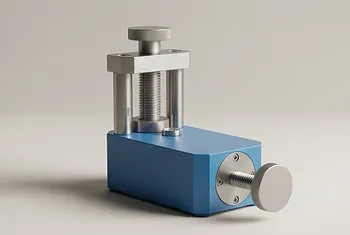
The Physics of Transparency: Why Pressure is the Silent Architect of Spectroscopic Clarity
Explore the critical role of laboratory hydraulic presses in FT-IR spectroscopy for Copper(II) complexes and how high-pressure molding eliminates light scattering for high-resolution data.
Read more
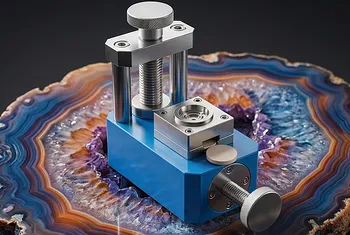
The Geometry of Electrons: Why Surface Precision is the Silent Partner in SECM Research
Discover how laboratory hydraulic presses transform powder catalysts into precision electrodes, eliminating topography errors and ohmic resistance in SECM analysis.
Read more
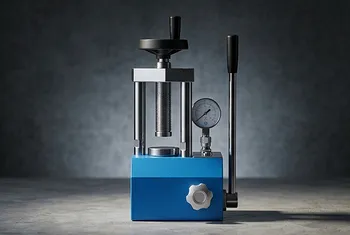
The Silent Geometry of Density: Why Isotropic Pressure is the Soul of Advanced Ceramics
Explore how Cold Isostatic Pressing (CIP) solves the hidden internal stresses of alumina ceramics to ensure defect-free sintering and superior material density.
Read more
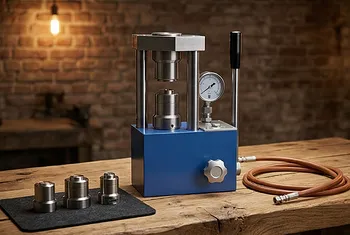
The Paradox of Pressure: Why 10 MPa Outperforms Force in Alumina Sintering
Discover why moderate pressure (10 MPa) is superior to high force in hot-pressing platelet alumina, preventing pore expansion and ensuring optical clarity.
Read more
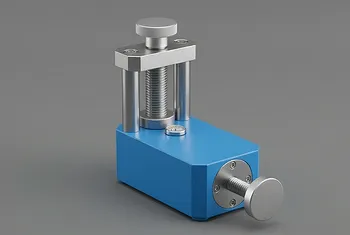
The Architecture of Certainty: Why the Laboratory Press is the Anchor of Material Science
Explore how precision heated hydraulic presses eliminate variables in rubber and pigment testing, transforming raw mixtures into standardized, data-ready specimens.
Read more
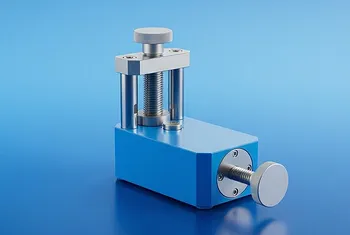
The Architecture of Uniformity: Why Omnidirectional Pressure Defines Ceramic Destiny
Explore how Cold Isostatic Pressing (CIP) eliminates internal density gradients in 10NiO-NiFe2O4 composite ceramics to ensure survival in high-corrosion environments.
Read more
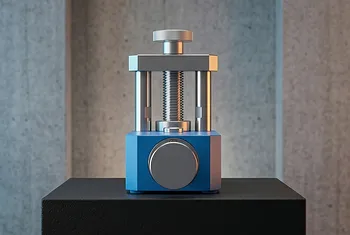
The Mechanics of Transformation: Why Pressure Redefines Wood Modification
Explore how thermo-mechanical coupling in hydraulic presses outperforms traditional ovens by enabling deep chemical penetration and structural stabilization.
Read more
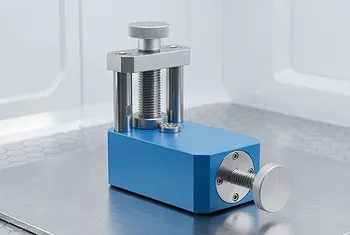
The Architecture of Heat: Why Sample Density Dictates the Truth in Metal Hydride Research
Explore how laboratory hydraulic presses bridge the gap between loose powders and accurate thermal conductivity data through precise density control and geometric standardization.
Read more
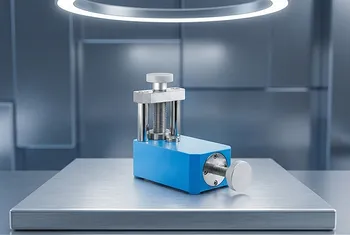
The Geometry of Precision: Mastering the Thermal-Pressure Field in APPC Fabrication
Discover how high-precision heated presses achieve full impregnation and structural uniformity in All-Polypropylene Composites through controlled thermal-pressure fields.
Read more
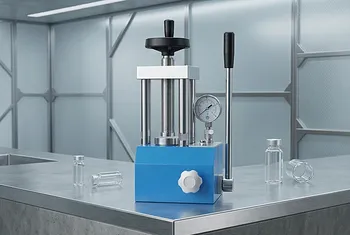
The Isotropic Imperative: Why Uniform Pressure Defines the Life of a Superconductor
Explore how Cold Isostatic Pressing (CIP) eliminates internal density gradients in Bi2212 substrates to ensure structural integrity and maximum current density.
Read more
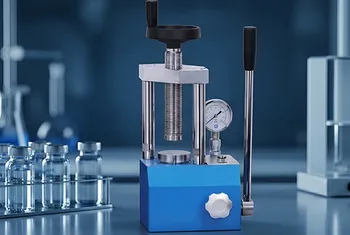
The Thin Line of Efficiency: Why Precision Pressing Dictates Thermal Performance
Discover how laboratory pressing optimizes thermal interface thickness and filler orientation to maximize the COP of TEC and PCM composite systems.
Read more
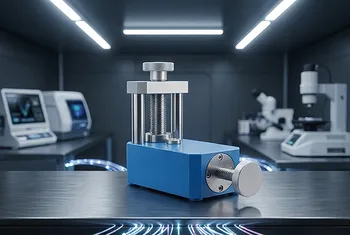
The Invisible Forge: Why the Laboratory Press is the Soul of Nano-Composites
Discover how laboratory heated hydraulic presses drive chemical cross-linking and physical densification in nano-composites through precise thermal and mechanical control.
Read more
The Architecture of Contact: Why 400 MPa is the Bridge to Solid-State Batteries
Explore the critical role of ultra-high pressure in solid-state fluoride-ion battery assembly and how mechanical interlocking overcomes interfacial resistance.
Read more
The Geometry of Silence: Why Flexibility is the Ultimate Precision in Ti-6Al-4V Pressing
Explore the critical role of flexible rubber molds in isostatic pressing. Learn how they eliminate density gradients and protect Ti-6Al-4V alloy integrity.
Read more
The Architecture of Contact: Why Density is the Destiny of Advanced Ceramics
Explore how laboratory presses transform LSTH powder into 98% dense ceramics by mastering the physics of particle arrangement and pressure control.
Read more
The Architecture of Force: Engineering Integrity in Copper-Based Composites
Explore how precision hydraulic pressing transforms loose copper powders into high-density green compacts, overcoming bridging effects and ensuring sintering success.
Read more

The Architecture of Density: Why Advanced Composites Demand Hydraulic Precision
Discover why high-precision hydraulic pressing is essential for NiO-doped polymer composites to eliminate micro-voids and ensure accurate material testing.
Read more