Laboratory coating machines are essential for transforming battery slurries, ceramic suspensions, polymer solutions, and functional inks into controlled, repeatable films. KINTEK supports electrode and thin-film development from early material screening through pilot-scale process validation. Our range includes manual doctor blade applicators, heated flat-plate coaters, programmable dip coating machines, precision slot die and extrusion coaters, continuous and intermittent roll-to-roll systems, transfer and micro-gravure coaters, slurry feeding devices, and integrated drying equipment. Researchers can select compact tools for coin-cell and coupon studies or web-handling systems for lithium-ion electrode, separator, solar-film, OLED, and advanced-materials development.
Toggle Categories
Get Instant Support
Choose your preferred way to connect with our team
Response Time
Within 8 hours on working days, 24 hours on holidays
Laboratory Coating Machine
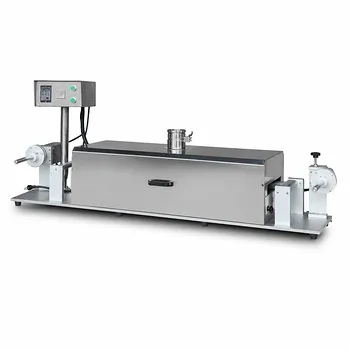
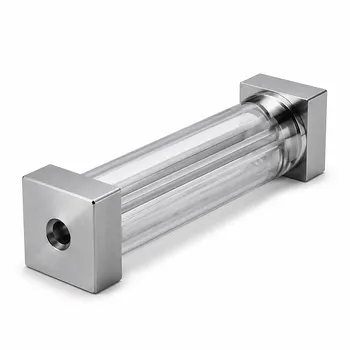
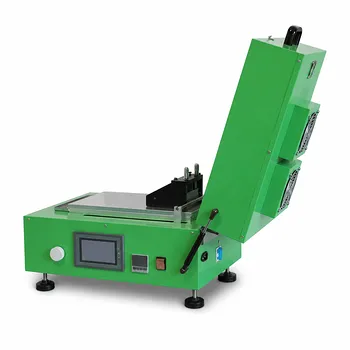
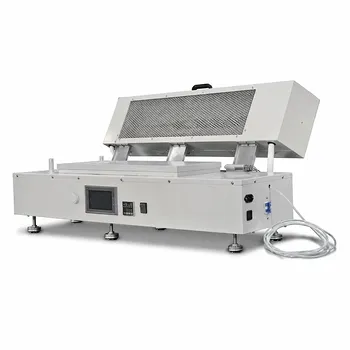
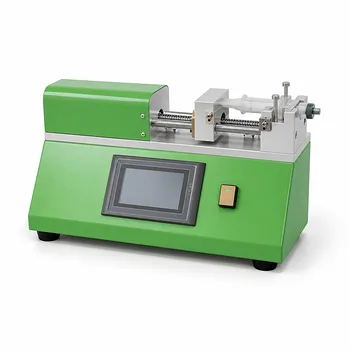
Benchtop Slot Die Flat Plate Coater Battery Laboratory Coating Machine
Item Number: TB03
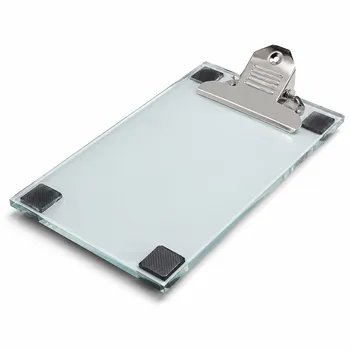
Laboratory Glass Coating Plate Wet Film Applicator
Item Number: TB14
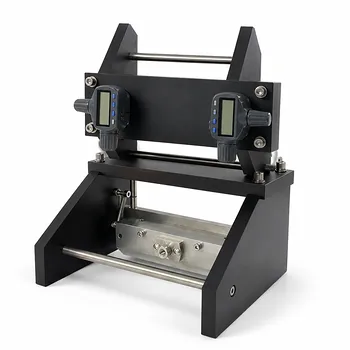
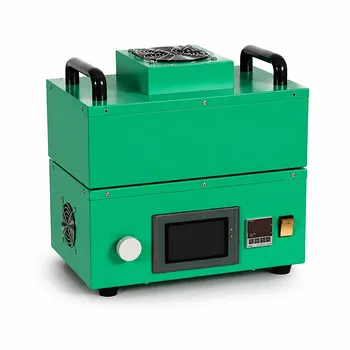
Small Laboratory Automatic Film Coating Drying Machine
Item Number: TB07
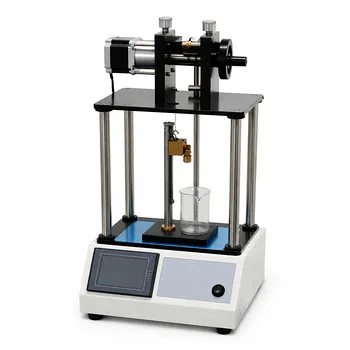
PLC Controlled Dip Coating Machine for Programmable Thin Film Deposition
Item Number: TB13
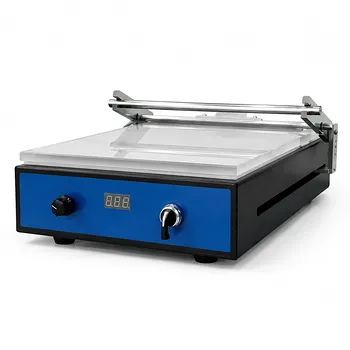
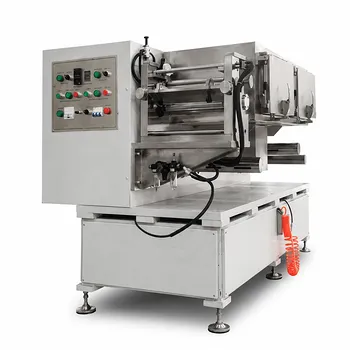
300mm Small Laboratory Automatic Roll to Roll Coating Machine
Item Number: TB16
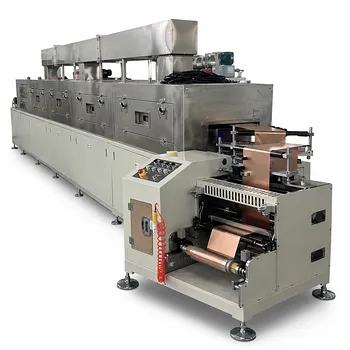
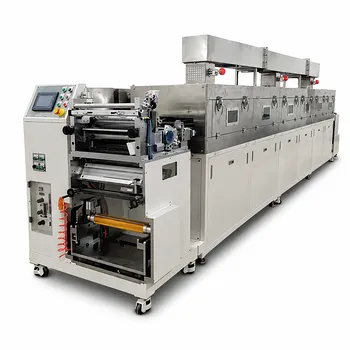
Precision Transfer Coating Machine for Lithium Ion Battery Electrodes
Item Number: TB24
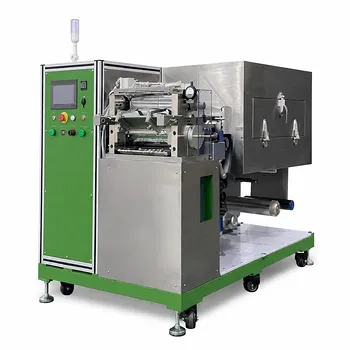
Continuous Intermittent Battery Laboratory Coating Machine
Item Number: TB18
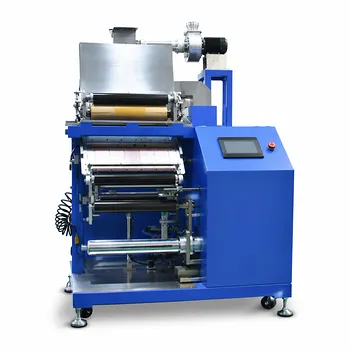
Slot Die Transfer Dual Mode Multifunction Coating Machine
Item Number: TB17
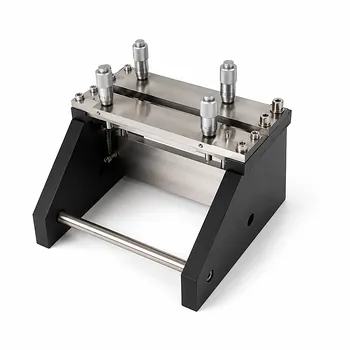
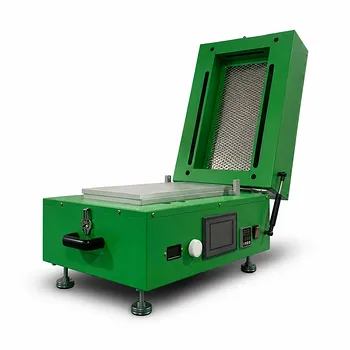
Automatic Film Coating Drying Machine
Item Number: TB04
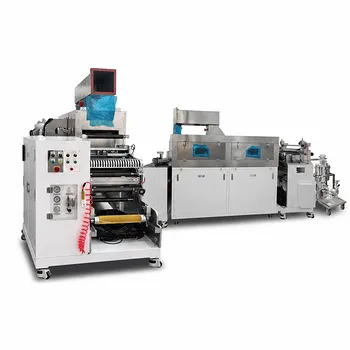
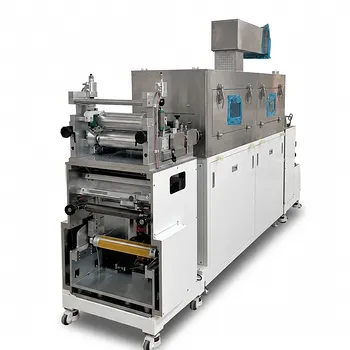
400mm Continuous and Intermittent Gap Coating Machine
Item Number: TB19
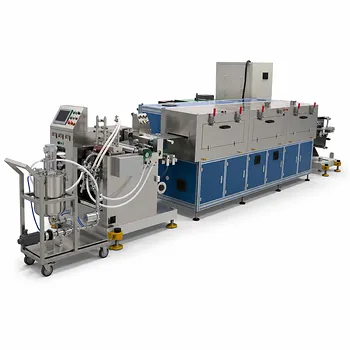
Single Sided Battery Electrode Extrusion Coating Machine
Item Number: TB20
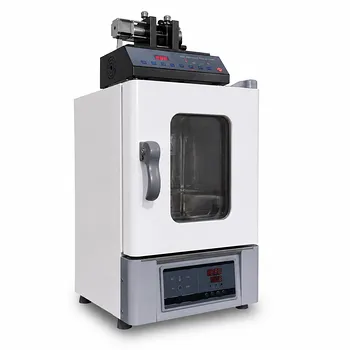
Constant Temperature Dip Coating Machine
Item Number: TB28
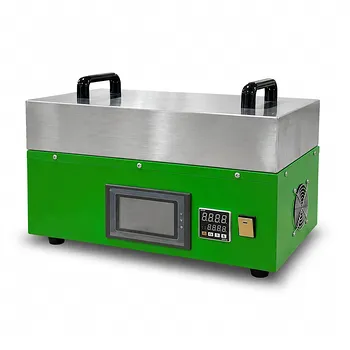
Bottom Heating Film Coating Machine
Item Number: TB08
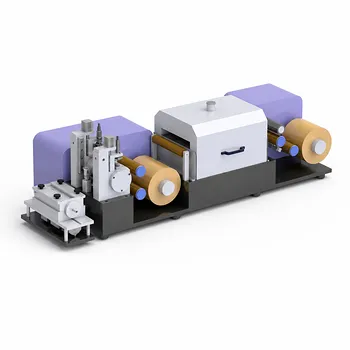
Slot Die Extrusion Coating Machine for Roll to Roll Electrode Coating
Item Number: TB23
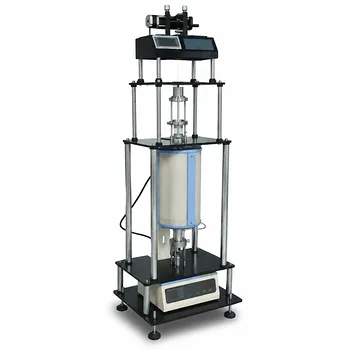
High Temperature Dip Coating Machine
Item Number: TB27
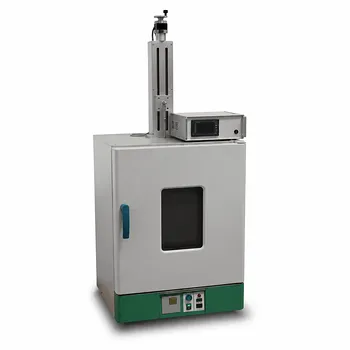
Constant Temperature Vertical Dip Coating Machine
Item Number: TB26
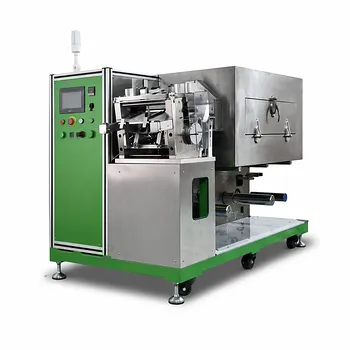
Doctor Blade Continuous Coating Machine for Battery Electrode Sheets
Item Number: TB22
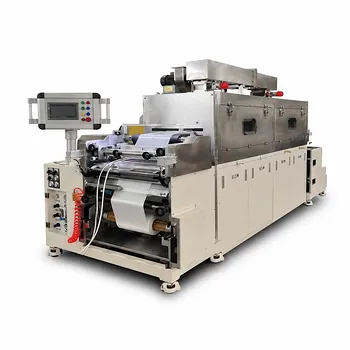
400mm Precision Separator Micro Gravure Coating Machine
Item Number: TB21
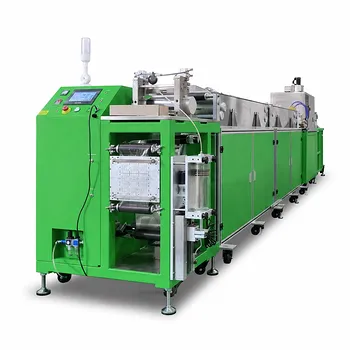
Water Bath Extrusion Continuous Coating Machine
Item Number: TB29
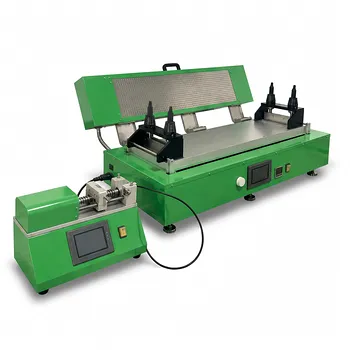
Customizable Laboratory Benchtop Extrusion Flat Plate Coating Machine
Item Number: TB09
Precision Laboratory Coating Machines for Reproducible Film and Electrode Development
A reliable coating process is central to meaningful materials research. Whether a laboratory is developing lithium-ion battery electrodes, solid-state battery layers, separator coatings, ceramic films, conductive polymers, optical coatings, adhesives, or nanomaterial suspensions, film quality directly affects downstream measurements and product performance. Variations in wet thickness, substrate flatness, slurry flow, drying temperature, web tension, or edge definition can obscure the actual behavior of a material. KINTEK laboratory coating machines are designed to give researchers practical control over these variables, helping them prepare uniform samples, compare formulations fairly, and move promising processes toward larger-scale manufacturing.
Our laboratory coating portfolio covers both discrete-sheet and continuous-web workflows. Manual film applicators and glass coating plates provide a straightforward, economical route for early-stage formulation screening. Heated doctor blade coating machines add controlled substrate support and drying for more consistent wet-film preparation. Benchtop slot die, extrusion, and dual-mode coating systems give R&D teams higher precision over slurry delivery and coating-gap parameters. Dip coaters support programmable immersion, withdrawal, dwell, and drying sequences for liquid-phase film deposition. For scale-up studies, roll-to-roll, transfer, comma-blade, micro-gravure, continuous, and intermittent coating machines combine metering, web transport, drying, rewinding, and process control in equipment suited to laboratory pilot lines.
Select the coating method around the material and development objective
Different coating technologies create films in different ways. Selecting the right method should begin with the substrate format, slurry rheology, desired loading, coating width, target wet thickness, drying behavior, and intended scale of work. A hand-coating tool may be the best choice for rapid screening, while a continuous slot die system may be necessary to establish the process conditions needed for a pilot electrode line. KINTEK can help match equipment configuration to the material system and experimental objective.
Doctor blade and wet-film applicators are widely used because they are direct, adaptable, and easy to evaluate. A slurry, ink, paint, or suspension is placed in front of the blade and drawn across a substrate. The blade gap controls the nominal wet-film thickness, while coating speed, slurry characteristics, substrate condition, and operator technique influence the final result. Adjustable doctor blade applicators with micrometer control are useful when researchers need to investigate a range of coating gaps with fine adjustment. Four-sided multi-groove applicators provide several fixed wet-film thickness choices in one robust tool, making them especially useful for comparative sample preparation. These systems are commonly used for battery slurry films, ceramic coatings, binder layers, conductive inks, and other small-area research samples.
Flat-plate coating machines bring greater repeatability to doctor blade work. A vacuum plate helps hold the substrate in place, reducing movement or wrinkling during application. Controlled drive speed improves consistency from one sample to the next, while an integrated heated plate or oven supports controlled drying. Bottom-heating film coaters are useful where controlled temperature support is needed during or after coating, particularly for applications involving battery electrodes, crystal films, ceramic layers, and nanofilms. Compact automatic film coating and drying machines offer programmable operation, precision scraper control, vacuum fixation, and elevated-temperature drying for routine laboratory sample preparation. These features allow laboratories to reduce dependence on manual handling and make process comparisons more defensible.
Slot die coating is a pre-metered coating approach suited to uniform thin films and electrode layers. In a slot die process, slurry is delivered through a precisely formed die lip onto a moving substrate. The coating bead formed between the die and substrate determines the deposited film. Because material delivery is controlled by a pump, researchers can link flow rate, line speed, coating width, and target thickness in a systematic way. This makes slot die equipment valuable for lithium-ion electrode development, solar films, conductive polymer layers, OLED-related materials, and other functional thin-film applications. Benchtop slot die flat-plate coaters provide an accessible environment for developing these relationships before a process is transferred to a continuous line.
KINTEK also offers dual-mode slot die and doctor blade applicators for laboratories that need flexibility without maintaining separate tools for every coating task. These systems enable teams to use doctor blade coating for quick formulation work and slot die coating for controlled, pre-metered process studies. High-precision mechanical construction and digital micrometer adjustment support careful setup of the coating geometry. This combination is useful when a project must compare coating methods, optimize a new slurry, or bridge exploratory research with scalable process development.
Extrusion coating is closely related to slot die coating and is used where controlled slurry delivery and stable coating geometry are required. Extrusion systems can be configured for flat-plate samples or continuous substrates, depending on the laboratory's needs. A benchtop extrusion coater can support research on lithium battery electrodes, solar films, conductive polymer layers, and OLED substrates while remaining compact enough for a development laboratory. For slurry systems that need steady, measured delivery, a plunger pump feeding device can provide adjustable piston speed, controlled dispensing, anti-drip stopping, and compatibility with coating-machine tubing and syringes. Accurate feeding is particularly important when assessing coating windows, mass loading, and the effect of slurry solids content or viscosity on film formation.
Dip coating machines deposit films by immersing a substrate into a liquid precursor and withdrawing it at a controlled speed. As the specimen emerges, liquid drainage, viscosity, surface tension, evaporation, and withdrawal speed govern the thickness and structure of the resulting layer. Programmable dip coaters make it possible to repeat immersion depth, dwell time, lifting speed, cycle count, and drying intervals, which is essential for comparative materials research. They are well suited to substrates and specimens that do not require web-based coating, including glass, metal coupons, ceramic parts, crystals, and research-scale components.
For applications requiring thermal treatment during deposition, constant-temperature vertical dip coating systems combine programmable motion with an integrated oven. High-temperature dip coating machines extend the process window further with multi-zone withdrawal, controlled furnace curing, and flexible atmosphere operation for demanding ceramic, crystal, battery-material, and nanofilm studies. Such equipment is valuable when the coating must be dried, cured, or thermally transformed under controlled conditions rather than simply air dried. Researchers can use these systems to investigate how temperature profiles and repeated deposition cycles influence thickness, adhesion, porosity, crystallinity, and final functional performance.
Build battery-electrode processes from small samples to continuous webs
Battery R&D has particularly demanding coating requirements. Cathode and anode slurries contain active materials, conductive additives, binders, and solvents that must be distributed uniformly across aluminum or copper current collectors. Coating nonuniformity can lead to variations in loading, density, porosity, electrical resistance, electrolyte wetting, and electrochemical behavior. When a cell delivers inconsistent results, the origin may lie in coating and drying rather than in the active material itself. For this reason, electrode process development requires equipment that gives operators clear control of coating thickness, line speed, substrate retention, slurry delivery, thermal conditions, and web alignment.
KINTEK's compact laboratory coating equipment supports early electrode research on foil sheets and small substrates. Manual applicators, adjustable doctor blades, vacuum coating plates, and automatic film coating/drying machines can help researchers establish initial slurry formulations and practical thickness ranges. These tools are appropriate for coin-cell research, 18650 cylindrical-cell electrode studies, sample validation, and academic projects where flexibility and fast iteration matter. A glass coating plate provides a clean, stable surface for wet-film application and supports simple setup and cleaning. For laboratories making multiple comparable coupons, automatic flat-plate coaters reduce variation introduced by manually drawn films.
As projects progress, continuous laboratory coating machines support more representative electrode preparation. Small continuous coaters allow wet films to be applied at controlled speed across a defined working width. Roll-to-roll systems add web transport, tension management, drying, and rewinding so researchers can study process continuity instead of isolated coated sheets. A 300 mm automatic roll-to-roll coating machine, for example, supports precision doctor blade coating, hot-air drying, and automatic web guiding for pilot electrode work. These capabilities allow users to assess how a slurry behaves over longer runs and whether the coating remains stable across the web.
Continuous and intermittent coating are both important in battery production development. Continuous coating applies material along an uninterrupted length of foil and is commonly used where a consistent coated band is required. Intermittent coating applies discrete coating patches separated by uncoated areas, helping conserve material and create designed current-collector tabs or electrode patterns. Equipment that supports both modes gives laboratories the flexibility to develop products and manufacturing processes on the same platform. KINTEK continuous/intermittent systems can combine stable web-tension correction, precision metering, transfer coating, and dual-sided hot-air drying under PLC touch-screen control.
Transfer coating systems support controlled continuous or intermittent electrode deposition with integrated drying and winding. They are useful for research and pilot operations working with aluminum and copper foils, where web stability and repeatable alignment affect usable yield. By bringing coating, drying, and rewinding into one controlled workflow, transfer coaters help teams investigate the interaction between slurry formulation and line conditions. The result is a more realistic basis for scaling laboratory data toward pilot or production equipment.
Micro-gravure coating offers another route to controlled web coating, particularly for separator and functional-layer applications. A precision micro-gravure coating machine uses an engraved roll to transfer a defined amount of coating liquid to the substrate. This method can be used for ceramic slurry deposition onto PE or PP lithium-ion battery separators, with coating, drying, and rewinding integrated into the web process. It is relevant when laboratories need a controlled, lightweight coating on flexible substrates and want to study coating uniformity, adhesion, porosity, and separator functionality.
Drying is a process variable, not an afterthought
A coating is not complete when the slurry reaches the substrate. Drying determines how solvents leave the layer, how particles distribute, how binders migrate, and how pores form. In battery electrodes, uncontrolled drying can contribute to cracking, edge effects, delamination, nonuniform loading, or changes in electrode microstructure. In ceramics, polymer films, nanomaterial layers, and optical coatings, it can affect film density, surface quality, adhesion, and functional performance. A controlled drying stage is therefore a core part of a laboratory coating system.
KINTEK film coating and drying machines incorporate heating options appropriate for routine laboratory development, including systems with controlled temperatures up to 130 degrees C or 150 degrees C, depending on the equipment model. Integrated drying can simplify the path from wet coating to evaluation-ready samples while reducing handling between process stages. Continuous systems may use hot-air or electric drying zones to provide thermal exposure as the web travels through the machine. High-temperature dip coating systems can add furnace curing for applications requiring substantially higher thermal treatment. The appropriate drying configuration depends on the solvent, binder chemistry, substrate, film thickness, safety requirements, and target material structure.
For solvent-based processes, laboratories should evaluate ventilation, solvent recovery requirements, and safe operating practices as part of equipment selection. Some continuous coating configurations can be specified with solvent recovery handling. Discussing the solvent system and site requirements early helps ensure that the selected coating line supports both the research objective and the laboratory's operational constraints.
Key parameters that influence coating quality
A laboratory coater provides the control framework, but good results also depend on understanding the variables that shape the film. KINTEK equipment is built to support systematic optimization of these parameters:
- Wet-film gap and die geometry: Doctor blade gap, applicator groove depth, slot die lip condition, and coating-head alignment establish the initial coating geometry. These settings must be appropriate for the target wet thickness and slurry behavior.
- Slurry or solution rheology: Viscosity, solids loading, particle size, dispersion quality, thixotropy, surface tension, and entrained air all affect leveling and coating stability. A coating machine can reveal whether a formulation is compatible with a desired process window.
- Coating speed and flow rate: The relationship between web or plate speed and material delivery affects thickness, edge definition, and coating continuity. Pre-metered systems benefit from accurate, stable pump control.
- Substrate condition: Foil, glass, polymer film, paper, ceramic, and other substrates differ in surface energy, roughness, cleanliness, stiffness, and thermal response. Vacuum fixation and stable web handling help maintain consistent positioning.
- Temperature and drying profile: Heating can change slurry viscosity before deposition and affects solvent removal after deposition. The correct temperature profile should be established experimentally for each material system.
- Web tension and tracking: In roll-to-roll coating, tension stability, guiding accuracy, winding, and alignment influence coating position and uniformity. These are critical considerations for electrode foil and flexible-film processing.
- Environmental controls: Humidity, ambient temperature, contamination, and atmosphere can influence coating behavior. Compact glovebox-compatible solutions can be relevant for moisture-sensitive materials and solid-state battery research.
The value of laboratory coating equipment lies in the ability to control these variables, document them, and repeat them. Instead of relying on a single successful sample, researchers can develop a defined operating window: a practical range of conditions that consistently produces the target film. This makes downstream cell assembly, physical characterization, and scale-up decisions more reliable.
Advantages of a KINTEK coating solution
KINTEK supports laboratories that need more than a generic coating device. Our range is structured to serve diverse research scales, material classes, and process methods. A team may begin with a manual wet-film applicator, add automated heating and vacuum fixation for repeatability, then move to slot die or roll-to-roll equipment as the program matures. This approach helps align capital investment with the actual stage of development.
Key advantages include:
- Broad coating-method coverage: Doctor blade, slot die, extrusion, dip, transfer, micro-gravure, continuous, intermittent, and roll-to-roll options support a wide range of laboratory and pilot workflows.
- Support for battery and advanced-materials research: Equipment is applicable to lithium-ion and solid-state battery electrodes, separators, supercapacitors, nickel batteries, solar materials, OLED-related layers, ceramics, crystal films, nanofilms, conductive polymers, adhesives, and functional coatings.
- Process repeatability: Adjustable speed, micrometer-based gap control, vacuum substrate fixation, programmable sequences, PLC operation, controlled slurry feeding, and integrated drying help reduce uncontrolled experimental variation.
- Scalable development path: Benchtop sheet coating and compact continuous systems allow researchers to connect formulation screening with web-based pilot processing.
- Integrated workflow options: Depending on the model, coating can be paired with heating, hot-air or electric drying, web guiding, tension control, rewinding, and controlled material delivery.
- Application-focused customization: Coating width, process mode, heating, feeding, substrate handling, environmental requirements, and other configuration details can be discussed around the actual research process.
Choose equipment based on the decision you need to make
The best coating machine is not necessarily the one with the most functions. It is the one that creates dependable data for the next technical decision. For initial materials screening, a precision doctor blade applicator or manual multi-groove film applicator may be sufficient. For repeatable battery coupons, a vacuum flat-plate coater with controlled drying can provide a more stable workflow. For investigating pre-metered coating behavior and moving toward manufacturable conditions, a benchtop slot die or extrusion system may be appropriate. For coatings formed through solution immersion and thermal treatment, a programmable dip coater is usually a better fit. For pilot-scale electrode work, continuous/intermittent roll-to-roll, transfer, or micro-gravure equipment can provide the web handling and drying functions needed to study production-relevant behavior.
It is also important to consider the full process before selecting a machine. Identify the substrate dimensions, target coating width, wet and dry thickness range, slurry or solution chemistry, solvent type, desired throughput, drying requirements, coating pattern, available utilities, laboratory space, and safety controls. Researchers working on battery electrodes should also consider foil type, mass loading targets, areal uniformity, allowable edge variation, and whether continuous or intermittent coating is required. These details help determine whether a simple applicator, automated benchtop coater, or integrated web-coating line is the right investment.
KINTEK's experience across battery R&D and advanced materials processing enables us to discuss these choices in the context of real laboratory workflows. We can help evaluate the relationship between your material, coating method, substrate format, and expected development path, then recommend an appropriate equipment configuration. Where standard equipment does not fully match the project, customization can be considered for parameters such as coating method, usable width, delivery system, thermal treatment, web transport, control requirements, and compatible substrate handling.
Partner with KINTEK for your coating development project
From a manually applied laboratory film to a continuously coated electrode web, successful coating development depends on controlled equipment and a process configuration that reflects the material's real requirements. KINTEK provides laboratory coating machines that help researchers create more uniform films, improve experimental repeatability, and establish a credible route from R&D samples to pilot-scale processing.
For help selecting a doctor blade applicator, heated film coater, slot die system, extrusion coater, programmable dip coater, slurry feeding device, or roll-to-roll electrode coating line, contact our technical team. Share your substrate, slurry or solution, target thickness, coating width, drying needs, and desired process mode. Our specialists will provide professional guidance and work with you on a customized laboratory coating solution built around your research and development requirements.
REQUEST A QUOTE
Our professional team will reply to you within one business day. Please feel free to contact us!