KINTEK spot welding equipment supports critical electrical and mechanical joining steps in lithium-ion battery research, pilot production, and manufacturing. Our range covers compact glovebox ultrasonic metal welders for controlled-atmosphere tab and cap work; intelligent ultrasonic systems for aluminum and copper electrode stacks from 10 to 120 layers; laser welding systems for full-tab current collectors and prismatic aluminum battery cases; and automated resistance spot welding machines for cylindrical battery pack assembly. Complementary inverter DC welding power supplies provide programmable, monitored welding energy for precise resistance-welding applications. These systems help battery developers, universities, materials laboratories, and pack manufacturers create dependable connections while maintaining process control from early cell development through scalable production.
Toggle Categories
Get Instant Support
Choose your preferred way to connect with our team
Response Time
Within 8 hours on working days, 24 hours on holidays
Spot Welder
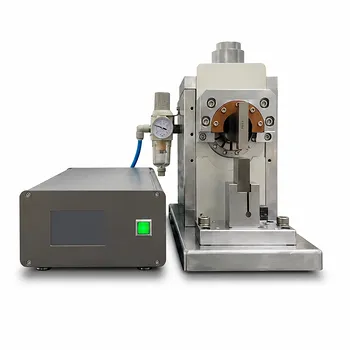
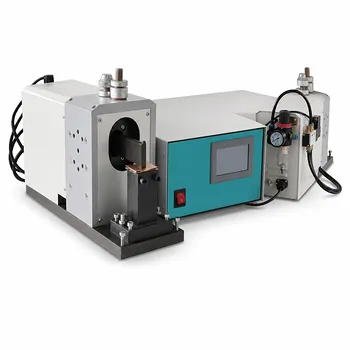
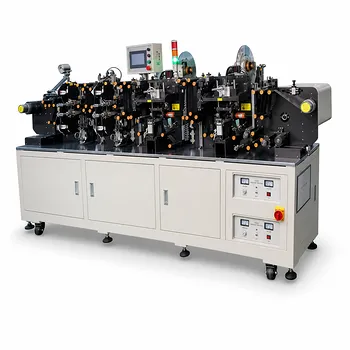
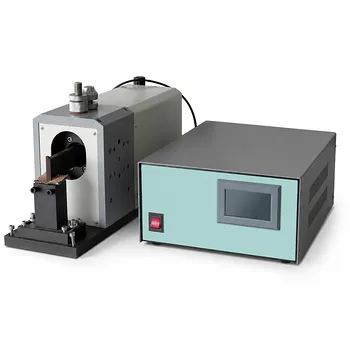
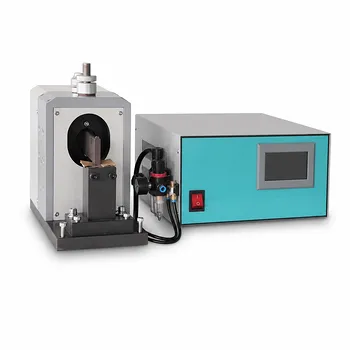
Ultrasonic Metal Welding Machine for Glovebox Use
Item Number: DH08
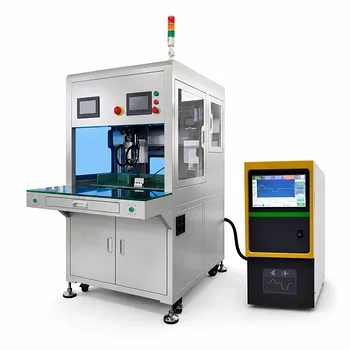
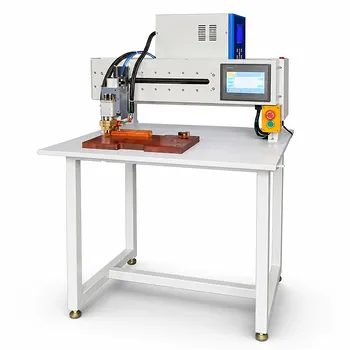
Single Sided Automatic Battery Spot Welding Machine
Item Number: DH13
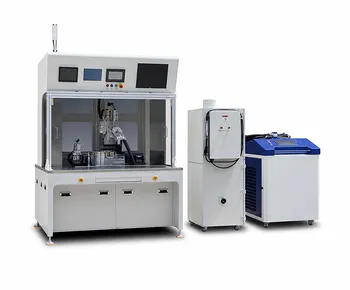
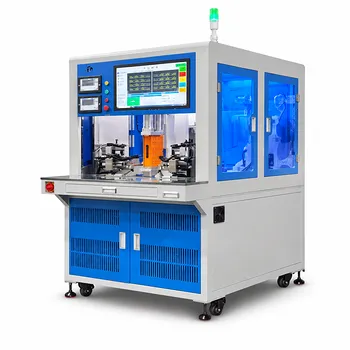
Prismatic Aluminum Case Battery Laser Welding System
Item Number: DH11
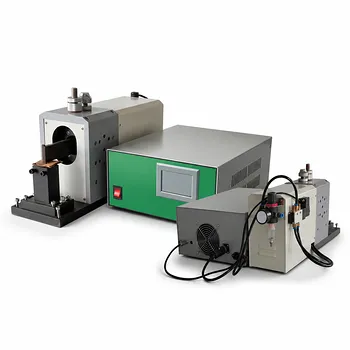
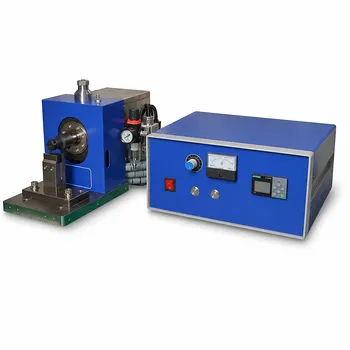
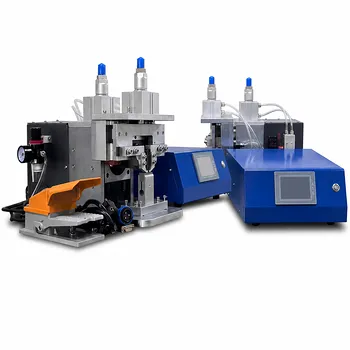
Ultrasonic Metal Welding Machine for Glovebox Use
Item Number: DH07
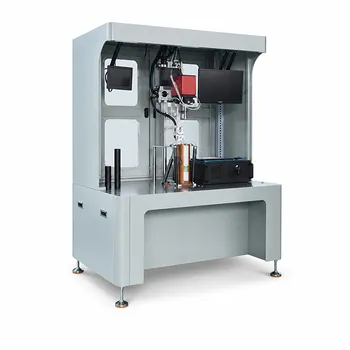
Positive and Negative Electrode Current Collector Laser Welding Machine
Item Number: DH09
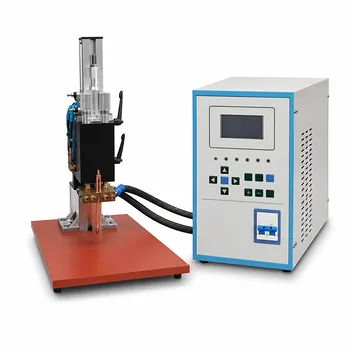
Inverter DC Welding Power Supply
Item Number: DH12
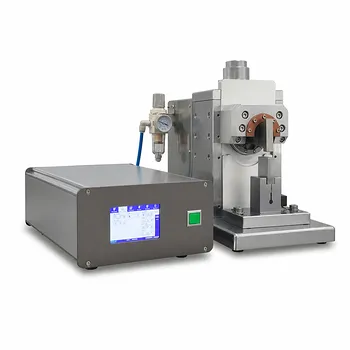
Battery Spot Welding Equipment for Reliable, Repeatable Cell Connections
Battery performance depends on many tightly controlled steps, but the quality of tab, collector, cap, case, and interconnect welding has an especially direct effect on electrical resistance, current capability, heat generation, cell integrity, and manufacturing yield. A weak or inconsistent connection can limit the value of otherwise excellent electrode materials and carefully assembled cells. KINTEK provides spot welding equipment for laboratories and battery production teams that need dependable joining performance across battery R&D, pilot-line development, and production-oriented workflows.
Our category combines several complementary joining technologies because no single welding method is suitable for every battery architecture, material combination, stack thickness, process environment, or throughput target. The range includes ultrasonic metal welding machines, laser welding systems, automated cylindrical battery pack spot welders, and inverter DC welding power supplies. Together, these solutions address common joining tasks involving aluminum, copper, nickel, nickel-plated strip, aluminum foil, copper foil, electrode tabs, current collectors, cell caps, prismatic housings, and cylindrical-cell interconnects.
Match the Welding Method to the Battery Joining Task
Selecting a battery welding system begins with the joint itself. Engineers should consider the materials being joined, foil or tab thickness, number of electrode layers, available access to the weld location, required joint geometry, atmosphere requirements, desired cycle time, inspection needs, and the electrical and mechanical targets for the finished cell or pack. KINTEK helps customers evaluate these variables and select equipment that supports a practical, repeatable process rather than simply choosing the highest available power rating.
Ultrasonic metal welding is widely used for battery electrode tab and foil-stack joining. During welding, an ultrasonic generator drives a transducer and horn at high frequency. The controlled vibration, combined with clamping force, disrupts surface films and creates a solid-state bond at the material interface. Because the process does not rely on melting the entire joint, it can be well suited to thin, conductive non-ferrous materials such as aluminum and copper foils. Properly developed ultrasonic welding processes can support low-resistance connections while reducing the thermal exposure associated with conventional fusion welding methods.
KINTEK ultrasonic battery welding machines operate at controlled high-frequency conditions, including 24 kHz systems for multilayer electrode welding and compact 40 kHz equipment for specific small-area glovebox applications. The available product range spans research-oriented systems and higher-capacity intelligent equipment for electrode stacks from approximately 10 layers through up to 120 layers, depending on the selected model and application. This breadth helps development teams maintain a coherent process path as electrode designs, stack counts, and cell capacity targets change.
For smaller controlled-environment tasks, our glovebox ultrasonic metal welding machines are designed for integration into battery laboratory workflows. These systems support specialized aluminum, copper, nickel, and cap-related joining applications with compact weld areas and configurable tooling. They are particularly relevant where moisture- or oxygen-sensitive materials must remain inside a controlled atmosphere during assembly. Configurable tooling allows the welding head, fixture interface, and contact geometry to be adapted to the actual tab, strip, cap, or sample configuration rather than forcing the battery design around a generic fixture.
For thicker or higher-layer electrode stacks, intelligent ultrasonic welders provide a scalable route to robust tab connections. Available systems cover 10 to 25 layer, 50 layer, 60 layer, 70 layer, and up to 120 layer electrode applications. Depending on the model, features include automatic frequency tracking, automatic amplitude compensation, programmable control, real-time process monitoring, bilingual touchscreen operation, and durable welding tooling. These capabilities are valuable when working with variable foil stacks because small changes in material condition, stack thickness, contact surface, or fixture alignment can affect the energy delivered to the joint.
Automatic frequency tracking helps the ultrasonic system remain aligned with the operating characteristics of the welding stack during use. Amplitude compensation supports a more stable applied vibration condition as process load changes. Process monitoring gives operators and engineers visibility into the welding cycle so they can define parameters, identify deviations, and develop documented operating windows. Rather than treating welding as a fixed mechanical operation, these controls make it a measurable part of the battery manufacturing process.
Laser welding offers a focused-energy solution for battery applications that require precise seam welding, localized joining, or non-contact processing. A laser system directs controlled optical energy to the intended weld region, enabling highly targeted heat input when paired with appropriate fixtures, shielding conditions, and process settings. In battery manufacturing, this can be valuable for current collector connections, full-tab cell structures, top-cover seams, sealing pins, and aluminum battery enclosures.
KINTEK current collector laser welding equipment is designed for positive and negative collector welding in full-tab battery applications. Fixture-guided positioning and galvanometer welding support controlled placement and efficient path execution. Integrated PLC control, dust extraction, and process-oriented workholding contribute to a more complete production cell rather than a standalone laser source. For high-volume or quality-sensitive battery applications, consistent positioning and effective fume management are essential parts of the welding solution.
Our prismatic aluminum case battery laser welding system is intended for applications including top-cover full-seam welding and sealing-pin welding. The system combines laser processing with dedicated fixturing, vision inspection, protective gas support, and dust extraction. Prismatic cell sealing is a critical operation: weld continuity, part positioning, material cleanliness, and controlled process conditions all influence final package quality. Integrating these elements in a dedicated system helps manufacturers establish a disciplined and repeatable operation for aluminum-case battery assembly.
Resistance spot welding remains an important method for cylindrical-cell battery pack assembly. In this process, controlled electrical current passes through a localized contact area while force is applied by electrodes. Electrical resistance at the interface generates heat, creating the weld when the programmed current, force, pulse sequence, and electrode condition are correctly matched to the application. Resistance welding is commonly used to join nickel or nickel-plated interconnect material to cylindrical cells in energy-storage modules, power-tool packs, mobility batteries, and related products.
KINTEK automated single-sided spot welding machines are built for efficient cylindrical lithium battery pack production. These systems can use servo-controlled welding heads, configurable fixtures, touchscreen PLC interfaces, fault alarms, and programmed welding patterns to support repeatable assembly. Fast welding cycles help manufacturers improve throughput, while controlled motion and stable workholding help maintain placement accuracy across repeated connections. CAD pattern import on supported systems can also reduce the manual effort required to translate pack layouts into welding paths.
Single-sided automated welding is useful when work access, pack geometry, or production layout favors welding from one side of the assembly. A rotating servo head can provide flexible movement across the pack pattern, helping operators and production engineers accommodate different cell layouts and nickel-strip designs. Quality monitoring features enable a more controlled process than manual, unmonitored welding and help teams build traceability into their operations.
The welding power supply is equally important in resistance-welding applications. KINTEK inverter DC welding power supplies provide controlled output up to the specified system capacity, rapid response, dual-pulse programming, current monitoring, and GO/NG quality signaling. Dual-pulse programming can support process development where a preliminary pulse and main welding pulse are useful for preparing the contact interface and delivering the final weld energy. Current monitoring and status outputs allow the welding process to communicate with automated equipment, operator interfaces, or broader production-control systems.
Benefits for Battery R&D and Production Teams
The primary benefit of purpose-built battery welding equipment is process repeatability. Battery developers often begin with hand-built cells or low-volume samples, but meaningful material comparison and cell-performance analysis require the assembly process to be as stable as possible. When weld energy, force, time, alignment, and tooling vary significantly, changes in electrical resistance or cell behavior may be caused by assembly variation rather than electrode formulation or cell design. Controlled welding equipment helps reduce that uncertainty.
For research teams, this means more reliable experimental data. Universities, national laboratories, battery startups, and corporate R&D groups can use KINTEK equipment to create repeatable tab connections, collector joints, and cell structures while exploring new active materials, binders, electrolytes, separator combinations, electrode thicknesses, and cell formats. Glovebox-compatible ultrasonic welders are especially valuable when the assembly sequence must remain within a controlled environment.
For pilot-scale operations, monitored intelligent welding systems help bridge the gap between exploratory laboratory work and process development. Engineers can establish parameters, evaluate weld behavior across multiple material lots, verify tooling suitability, and refine fixture designs before committing to larger production equipment. This stage is often where the ability to adjust and document process settings becomes most valuable: the battery design may still be changing, but the team needs enough control to understand the effect of each change.
For production-oriented users, automation, quality signals, and integrated fixtures support predictable cycle times and lower operator dependence. Automated spot welding systems can improve consistency in cylindrical pack assembly, while laser welding systems can bring positioning, inspection, protective gas, and extraction into a coordinated process. The objective is not simply faster welding. It is to produce connections with the required electrical and mechanical characteristics consistently enough to support quality management, scaling, and customer confidence.
Key Considerations When Choosing a Battery Welder
Material compatibility should be evaluated first. Aluminum, copper, nickel, and their associated foil, strip, tab, and collector forms respond differently to welding energy, surface condition, thickness, and geometry. A system suited to a thin aluminum-to-copper foil stack may not be the right choice for a nickel strip on a cylindrical cell or a continuous seam on an aluminum prismatic case. KINTEK can help identify an appropriate technology based on the actual materials and joint configuration.
Electrode stack height and layer count are also decisive for ultrasonic tab welding. As the number of foil layers increases, the required clamping, energy delivery, horn design, and fixture support become more demanding. Our range offers equipment for multiple stack capacities, allowing customers to align the system with their present electrode structure while considering reasonable future development requirements.
Tooling and fixturing deserve the same attention as the welder itself. A stable fixture keeps the parts aligned, supports consistent pressure transfer, and reduces the risk of movement during the welding cycle. For specialized battery designs, standard tooling may not provide the right support or access. KINTEK offers customizable welding tooling to accommodate specific sample dimensions, tab arrangements, cap structures, pack layouts, and production needs. This is especially important for R&D environments, where a fixture may need to evolve alongside the cell design.
Process monitoring is another major consideration. The ability to observe key welding conditions helps teams distinguish acceptable parts from possible defects and supports process optimization over time. Features such as real-time quality monitoring, current monitoring, frequency tracking, amplitude compensation, programmed pulses, fault alarms, and GO/NG outputs provide actionable information for operators and engineers. The best monitoring approach depends on the technology and production requirement, but the common goal is the same: make welding performance visible and manageable.
Utilities and environmental conditions must also be planned early. Some ultrasonic systems require compressed air within a defined pressure range, while laser systems may need protective gas and effective dust extraction. Glovebox integration requires consideration of physical dimensions, electrical connections, pneumatic routing, heat management, and controlled-atmosphere workflow. KINTEK can discuss these requirements before equipment selection so that installation, lab layout, and support infrastructure are considered as part of the project.
Build a More Controlled Battery Assembly Workflow
Spot welding equipment performs best when integrated into a disciplined workflow. Material surfaces should be clean and consistently prepared. Foil stacks, tabs, strips, and collector parts should be accurately located in the fixture. Welding parameters should be developed through representative trials and then controlled through documented procedures. Tooling condition should be inspected routinely, because worn or contaminated contact surfaces can change pressure distribution, energy transfer, and weld consistency.
Verification should be matched to the risk and the battery application. Common evaluation methods can include visual inspection, dimensional checks, electrical resistance assessment, peel or pull testing where applicable, cross-sectional examination, and process-data review. In production environments, quality signals from the welding equipment can be incorporated into inspection and traceability practices. KINTEK can help customers consider the equipment capabilities needed to support their chosen validation approach.
A connected KINTEK battery development workflow can extend beyond welding. Our laboratory equipment portfolio covers slurry mixing, coating, precision pressing, cell assembly, and testing systems, enabling customers to source complementary equipment for broader battery R&D and advanced-materials programs. This perspective is useful because the final welding process is influenced by upstream choices such as electrode thickness, calendering density, tab design, cell format, and assembly sequence.
Professional Support and Customizable Solutions
Every battery project has distinct technical constraints. One team may need a compact ultrasonic welder for aluminum foil tab bonding inside a glovebox. Another may require an intelligent higher-power system for a multilayer electrode stack. A cylindrical pack manufacturer may need automated single-sided welding with a fixture designed around a particular cell array, while a prismatic-cell program may need laser welding combined with vision inspection, protective gas, and fume extraction.
KINTEK approaches these requirements as an application-engineering discussion. We can help review the material combination, layer count, joint geometry, target throughput, automation level, workspace limitations, utility conditions, and desired monitoring features. Based on those inputs, we can recommend a suitable ultrasonic, laser, resistance-welding, or power-supply solution and discuss customized tooling or fixture options that fit the actual workflow.
To select a battery spot welder with confidence, share your cell format, materials, tab or strip dimensions, foil-layer count, required joint type, production target, and available operating environment. Contact our team to discuss your application, request a tailored equipment recommendation, or explore customized welding tooling and integrated battery assembly solutions from KINTEK.
REQUEST A QUOTE
Our professional team will reply to you within one business day. Please feel free to contact us!