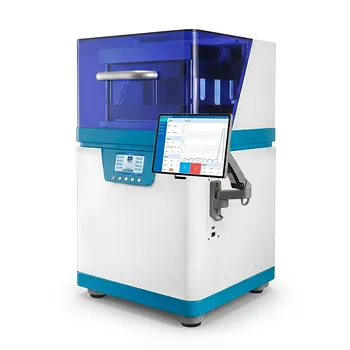
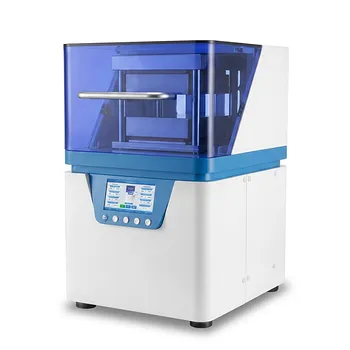
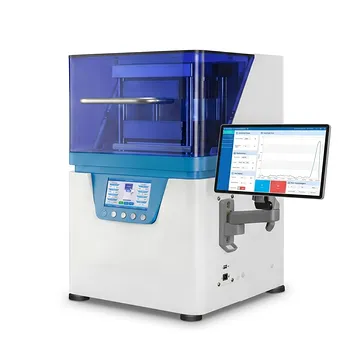
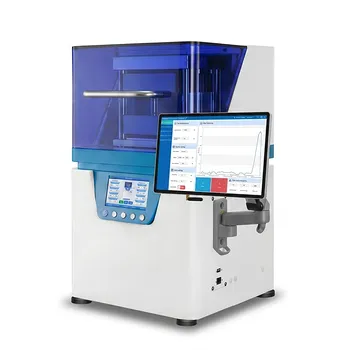
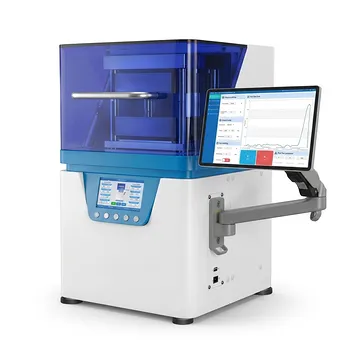
The primary design feature contributing to low maintenance in modern hydraulic presses is the adoption of an all-in-one, enclosed design. By consolidating high-pressure components into a single, protected unit, this architecture drastically minimizes the number of potential failure points compared to traditional, exposed configurations.
Core Insight: The shift to an enclosed, all-in-one design is not just aesthetic; it is a functional evolution. By physically reducing the number of exposed connections and vulnerable components, modern presses achieve superior uptime and require significantly less frequent intervention.
The Architecture of Reliability
To understand why modern presses are more reliable, we must look at how the design philosophy has shifted from older models.
The All-in-One Enclosed Concept
Modern engineering focuses on consolidation. Rather than having scattered components connected by vulnerable external hoses and fittings, modern presses utilize an all-in-one architecture.
This design places critical systems within a protective enclosure. It shields sensitive elements from the industrial environment, reducing the risk of accidental damage or contamination.
Minimizing Points of Failure
Reliability in hydraulics is often a numbers game. Every connection, seal, and external hose represents a potential leak path or point of mechanical fatigue.
The enclosed design inherently reduces these variables. With fewer separate parts interacting with the high-pressure system, the statistical probability of a component failure drops significantly.
Operational Impact
The move to an enclosed design has tangible effects on daily operations and long-term asset management.
Protection of High-Pressure Components
High-pressure components are the heart of the hydraulic press. In older models, these were often exposed, subjecting them to environmental stress and wear.
Enclosing these components ensures they operate in a controlled environment. This isolation is the key factor in delivering a longer, maintenance-free performance.
Reduction in Operational Issues
When points of failure are minimized, operational interruptions decrease. The enclosed design creates a more stable system that is less prone to the minor leaks and pressure drops that plague older, modular designs.
Understanding the Limitations
While the enclosed design offers superior reliability, it is important to view "low maintenance" with the right perspective to avoid complacency.
Low Maintenance vs. No Maintenance
A common pitfall is assuming that an enclosed system requires zero attention. While the design significantly extends maintenance intervals, it does not eliminate the need for standard inspections.
Accessibility Considerations
The trade-off for an all-in-one enclosure is that the internal components are less visible. While they break less often, operators must ensure they adhere to manufacturer schedules for internal checks, as visual cues of wear may be hidden behind the enclosure.
Making the Right Choice for Your Goal
When evaluating hydraulic press options, align the design features with your operational priorities.
- If your primary focus is Maximizing Uptime: Prioritize units with the all-in-one enclosed design to minimize the frequency of unscheduled repairs.
- If your primary focus is Asset Longevity: Ensure the design specifically protects high-pressure components, as these are the most critical factors in the machine's lifespan.
The modern enclosed press represents a shift from reactive repair to proactive reliability by design.
Summary Table:
| Feature | Impact on Maintenance | Key Benefit |
|---|---|---|
| All-in-One Enclosure | Consolidates high-pressure parts | Reduces external leak paths and hose failures |
| Component Shielding | Protects from environmental stress | Prevents contamination and physical damage |
| Simplified Architecture | Fewer mechanical connections | Minimizes statistical probability of failure |
| Stable System Design | Proactive reliability | Less frequent intervention and longer service life |
Elevate Your Lab's Reliability with KINTEK
Don’t let frequent maintenance interrupt your critical research. KINTEK specializes in comprehensive laboratory pressing solutions, offering a diverse range of manual, automatic, heated, multifunctional, and glovebox-compatible models, as well as cold and warm isostatic presses widely applied in battery research.
Our modern, enclosed designs are engineered to maximize uptime and protect your investment. Whether you are performing pellet preparation or advanced material synthesis, our expert team is ready to help you select the most durable and efficient solution for your specific application.
Ready to upgrade your laboratory efficiency? Contact us today to discover the KINTEK difference!
Related Products
- Automatic Hydraulic Hot Press with Large Plate and Precision Temperature Control for Advanced Material Sample Preparation and Industrial Research
- Automatic Hydraulic Heat Press Machine with Multi Stage Programmable Control and Integrated Water Cooling Plate Size 180x180mm
- Automatic High Temperature Heated Hydraulic Press Machine with Heated Plates for Lab
- Automatic Heated Hydraulic Lab Press with Programmable Touch Screen Controls and Precision Temperature Regulation
- Manual Heated Hydraulic Lab Press with Integrated Hot Plates Hydraulic Press Machine
People Also Ask
- What are the specific features and applications of hydraulic hot press machines? Precision Solutions for Modern Labs
- How does an automatic hydraulic press operate? Achieve Precision and Consistency in Lab Pelleting
- What are the advantages and common applications of an automatic hydraulic press? Elevate Your Lab's Precision
- What is the technical significance of setting a precise dwell time? Achieve Peak Material Density and Stability
- When is an automatic hydraulic press more suitable than a manual press? Scale Your Lab with Precision & Speed