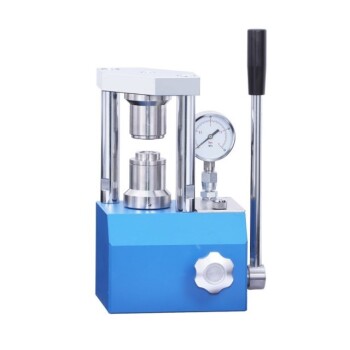
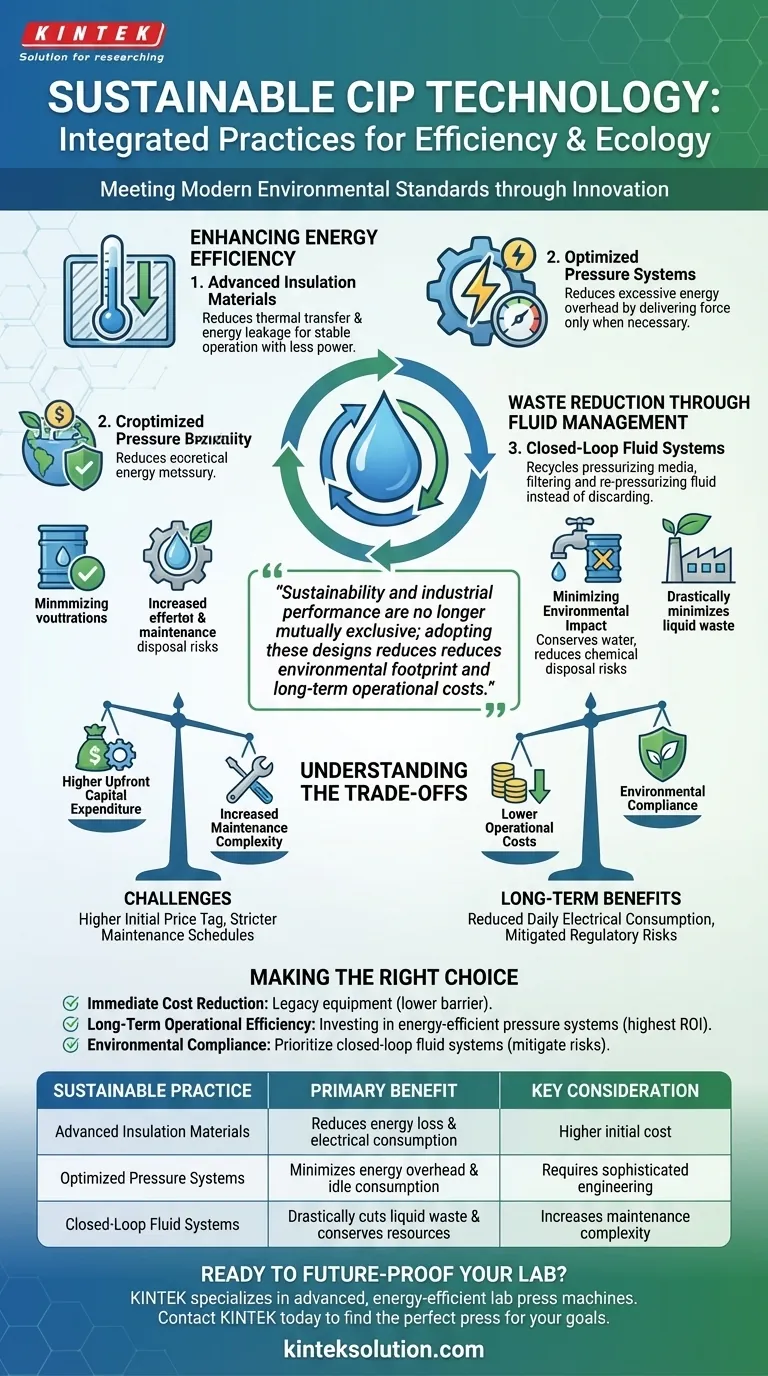
Cold Isostatic Pressing (CIP) technology is actively integrating three primary sustainable practices to meet modern environmental standards. These advancements focus on utilizing advanced insulation materials to prevent energy loss, engineering optimized pressure systems to reduce electrical consumption, and implementing closed-loop fluid systems that recycle pressurizing media to drastically minimize waste.
The evolution of CIP technology proves that sustainability and industrial performance are no longer mutually exclusive; by adopting closed-loop systems and energy-efficient designs, manufacturers can reduce their environmental footprint while simultaneously lowering long-term operational costs.
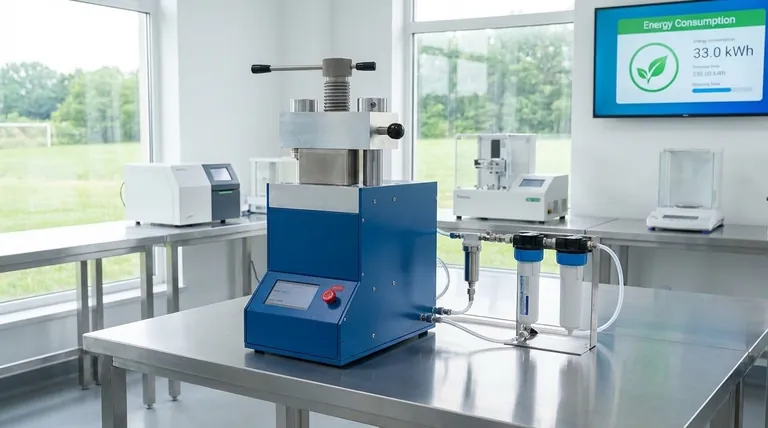
Enhancing Energy Efficiency
The primary driver in modern CIP innovation is the reduction of the energy load required to maintain high-pressure environments.
Innovations in Insulation Materials
Newer CIP units are incorporating cutting-edge insulation materials. These materials are designed to maintain system stability with less energy input.
By reducing thermal transfer and energy leakage, the system requires less power to reach and sustain the necessary operating conditions.
Optimizing Pressure Systems
Engineers are redesigning the core pressure-generating mechanisms. Modern pressure systems are being tuned to deliver the required force without the excessive energy overhead typical of older hydraulic systems.
This optimization ensures that energy is consumed only when necessary for the cycle, rather than maintaining high consumption rates during idle or low-demand phases.
Waste Reduction Through Fluid Management
Beyond electricity, the management of the pressurizing fluid (often water or oil-based) is a major focus for sustainability.
Closed-Loop Recycling Systems
The industry is moving away from "single-pass" fluid usage. The integration of closed-loop systems allows the pressurizing fluid to be captured after a cycle.
Instead of being discarded, the fluid is filtered, treated, and re-pressurized for the next cycle.
Minimizing Environmental Impact
By recycling the pressurizing medium, CIP facilities significantly reduce the volume of liquid waste discharged into the environment.
This practice not only conserves water and additives but also reduces the burden on local wastewater treatment infrastructure and lowers the risks associated with chemical disposal.
Understanding the Trade-offs
While sustainable CIP technology offers clear benefits, it is essential to objectively evaluate the implementation challenges.
Higher Upfront Capital Expenditure
Sustainable systems, particularly those with complex closed-loop recycling and advanced pressure controls, often carry a higher initial price tag.
You are paying for advanced engineering and additional components that standard legacy machines do not require.
Increased Maintenance Complexity
Closed-loop systems introduce new variables, such as filtration units and fluid monitoring sensors.
These components require a stricter maintenance schedule to prevent contamination of the recycled fluid, which could otherwise compromise the quality of the pressed parts.
Making the Right Choice for Your Goals
Deciding whether to upgrade to sustainable CIP technology depends on balancing your immediate budget against long-term operational goals.
- If your primary focus is immediate cost reduction: You may find that standard legacy equipment offers a lower barrier to entry, provided your local energy and waste disposal costs remain low.
- If your primary focus is long-term operational efficiency: Investing in energy-efficient pressure systems will yield the highest ROI by reducing your daily electrical consumption.
- If your primary focus is environmental compliance: Prioritize equipment with closed-loop fluid systems to mitigate regulatory risks and minimize liquid waste generation.
Sustainable CIP technology is not just an ethical choice; it is a strategic asset for future-proofing your manufacturing operations.
Summary Table:
| Sustainable Practice | Primary Benefit | Key Consideration |
|---|---|---|
| Advanced Insulation Materials | Reduces energy loss and electrical consumption | Higher initial cost for advanced materials |
| Optimized Pressure Systems | Minimizes energy overhead and idle consumption | Requires more sophisticated engineering |
| Closed-Loop Fluid Systems | Drastically cuts liquid waste and conserves resources | Increases maintenance complexity for filtration |
Ready to future-proof your lab with sustainable pressing technology? KINTEK specializes in advanced, energy-efficient lab press machines, including isostatic presses designed with the latest sustainable practices. Our expertise helps laboratories like yours reduce long-term operational costs and minimize environmental impact. Contact KINTEK today to find the perfect press for your efficiency and sustainability goals.
Visual Guide
Related Products
- Electric Lab Cold Isostatic Press CIP Machine
- Electric Split Lab Cold Isostatic Pressing CIP Machine
- Automatic Lab Cold Isostatic Pressing CIP Machine
- Manual Cold Isostatic Pressing CIP Machine Pellet Press
- Heated Hydraulic Press Machine with Heated Plates for Vacuum Box Laboratory Hot Press
People Also Ask
- What are the applications of electric lab cold isostatic presses in research settings? Advance Material R&D with High-Pressure CIPs
- What role do electric lab cold isostatic presses play in industrial contexts? Bridge R&D and Manufacturing with Precision
- How does electrical Cold Isostatic Pressing (CIP) contribute to cost savings? Unlock Efficiency and Reduce Expenses
- What are some research applications of electric lab CIPs? Unlock Uniform Powder Densification for Advanced Materials
- What are the characteristics of standard off-the-shelf electric lab CIP solutions? Achieve Immediate, Cost-Effective Processing