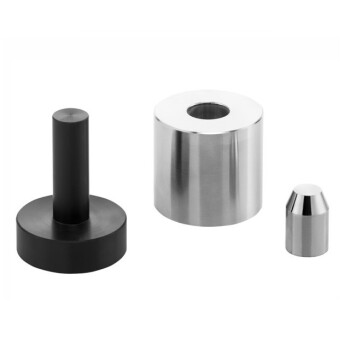
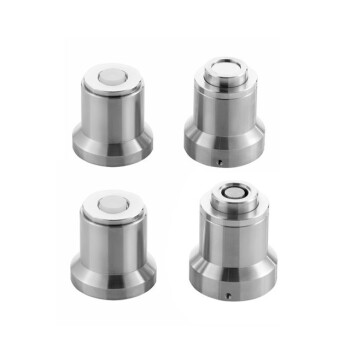
The necessity of an in-situ pressure monitoring device stems directly from the extreme physical dynamics of anode-free solid-state batteries (AFSSBs). Because these batteries experience significant volume fluctuations during lithium deposition and stripping, real-time pressure monitoring is the only way to accurately quantify stress accumulation and validate the effectiveness of expansion-buffering interlayers.
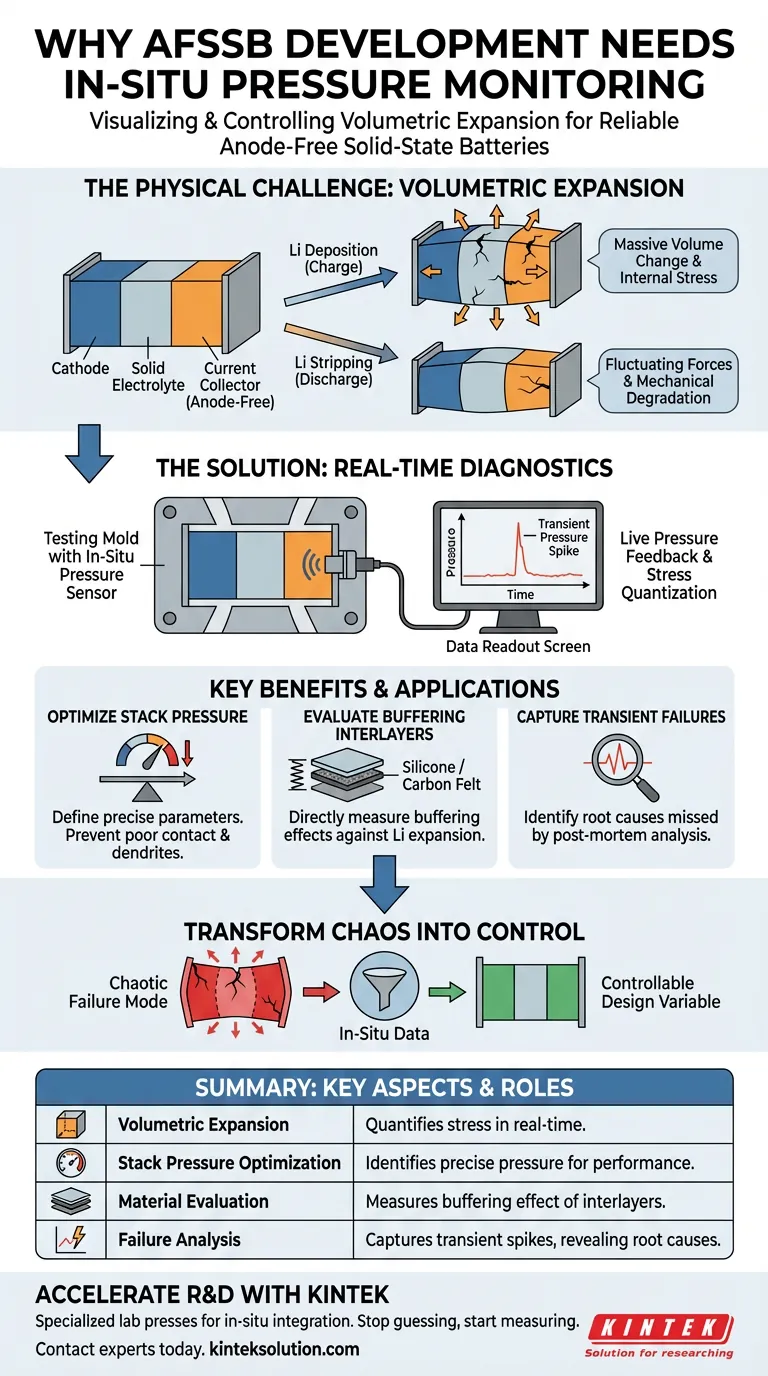
Anode-free solid-state batteries undergo massive volumetric changes that can compromise cell integrity. A testing mold with in-situ pressure monitoring transforms this physical challenge into actionable data, allowing researchers to optimize stack pressure and objectively evaluate the buffering capabilities of elastic interlayers.
The Physical Challenge: Volumetric Expansion
The Mechanics of Deposition and Stripping
Unlike traditional batteries that intercalate ions, anode-free designs function by repeatedly depositing and stripping metallic lithium.
This process inherently causes significant volume changes within the cell structure during every charge and discharge cycle.
The Consequence of Internal Stress
As the volume expands and contracts, the battery experiences fluctuating internal forces.
Without careful management, this stress accumulation can lead to mechanical degradation, layer delamination, and ultimately, cell failure.
The Role of Real-Time Diagnostics
Beyond Static Testing
Standard testing molds often apply a fixed force, ignoring the dynamic internal environment of the battery.
A mold with an in-situ pressure monitoring device provides a window into the active cell, offering real-time feedback on exactly when and how stress is accumulated and released.
Optimizing Stack Pressure
There is a critical balance required for AFSSB operation: too little pressure causes poor contact; too much can cause short circuits or dendrite penetration.
This device is an indispensable tool for identifying the precise stack pressure parameters required to maintain performance without inducing failure.
Evaluating Material Solutions
Testing Buffering Interlayers
To mitigate volume expansion, researchers often introduce elastic interlayers, such as carbon felt or silicone layers.
The monitoring device allows for the direct evaluation of these materials, measuring their specific "buffering effects" against the expansion of the lithium metal.
Data-Driven Material Selection
By correlating pressure spikes with cycle life, researchers can objectively determine which interlayer materials best absorb volumetric expansion.
This moves material selection from theoretical assumptions to empirical evidence.
Understanding the Trade-offs (The Cost of "Blind" Testing)
Missing Transient Failure Modes
Testing without in-situ monitoring forces researchers to rely heavily on post-mortem analysis (examining the battery after it fails).
This approach misses transient pressure spikes that occur during cycling, often obscuring the root cause of the mechanical failure.
Inefficient Optimization Cycles
Without real-time data on stress release, optimizing interlayers becomes a trial-and-error process.
You may identify that a cell failed, but without pressure data, you cannot confirm if it failed due to unmanaged volumetric expansion or a different chemical mechanism.
Making the Right Choice for Your Goal
To effectively develop anode-free solid-state batteries, your equipment must match the complexity of the chemistry.
- If your primary focus is Material Screening: Look for devices with high sensitivity to evaluate the subtle buffering capacity of different interlayer materials like silicone.
- If your primary focus is Cell Engineering: Prioritize the device's ability to help you define and maintain precise stack pressure parameters to maximize cycle life.
By visualizing the invisible mechanical stress within the cell, you convert a chaotic failure mode into a controllable design variable.
Summary Table:
| Key Aspect | Role of In-Situ Pressure Monitoring |
|---|---|
| Volumetric Expansion | Quantifies stress from lithium deposition/stripping in real-time. |
| Stack Pressure Optimization | Identifies the precise pressure to maintain performance and prevent failure. |
| Material Evaluation | Directly measures the buffering effect of interlayers (e.g., carbon felt, silicone). |
| Failure Analysis | Captures transient pressure spikes, revealing root causes of mechanical degradation. |
Accelerate your anode-free solid-state battery R&D with precision tools from KINTEK.
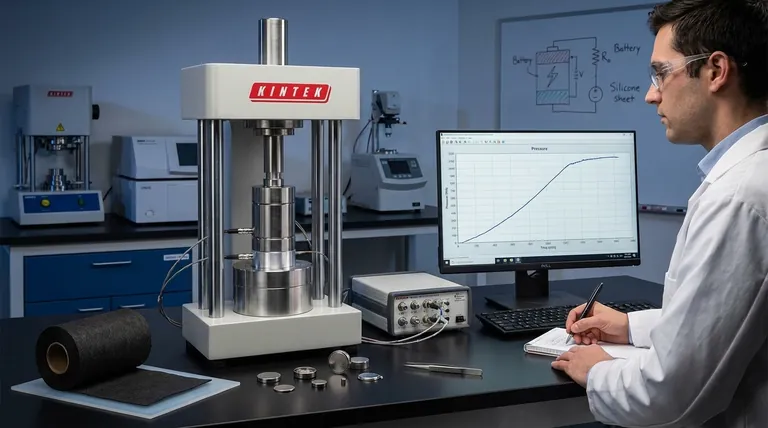
Developing reliable AFSSBs requires accurately managing the intense volumetric changes during cycling. Our specialized lab press machines, including automatic and heated lab presses, are engineered to integrate with in-situ monitoring devices, providing the real-time data you need to:
- Optimize stack pressure parameters to maximize cycle life.
- Objectively evaluate the performance of buffering interlayers like silicone or carbon felt.
- Transform mechanical stress from a failure mode into a controllable variable.
Stop guessing and start measuring. Let KINTEK's solutions bring clarity to your development process.
Contact our experts today to discuss how our equipment can meet your specific laboratory needs.
Visual Guide
Related Products
- Lab Infrared Press Mold for Laboratory Applications
- Carbide Lab Press Mold for Laboratory Sample Preparation
- Lab Cylindrical Press Mold for Laboratory Use
- Lab Button Battery Tablet Press Sealing Mold
- Lab Infrared Press Mold for No Demolding
People Also Ask
- What is the purpose of incorporating cartridge heaters into a lab press mold for MLCC block compression? Optimize Results
- Why is a high-performance laboratory molding press critical for in-situ electrolyte formation? Unlock Battery Success
- What is the function of a pressing tool in thermoplastic panels? Master Precision Shaping & Fusion Bonding
- Why is precise cooling management of the lab press mold necessary? Protect Core Integrity in Thermoforming
- What challenges are associated with recycling textiles, and how do laboratory presses help? Overcome Recycling Hurdles with Precision Tools