All Questions
How Are Coin Cells And Working Electrodes Fabricated For Electrochemical Thermodynamics Research, And What Laboratory Equipment Is Required In This Cell Assembly Workflow? Discover The Essential Equipment For Precise Cell Fabrication.
Learn the coin cell fabrication workflow for electrochemical thermodynamics, including slurry mixing, coating, drying, and assembly, with required lab equipment.
How Do Gelling Agent Concentration And Capacity Ratio Matching Affect Anode Stability And Safety During Battery Cell Assembly? Key Insights For Optimal Cell Design
Learn how gelling agent concentration and anode capacity matching impact alkaline cell stability and safety. Essential for battery R&D and manufacturing.
How Do Cylindrical Swagelok-Type Cell Designs Compare To Flat Plastic Bag Cells When Selecting Cell Assembly Equipment For In Situ Battery R&D? Discover The Advantages For Reliable Testing.
Compare Swagelok vs. flat bag cells for in situ battery R&D. Learn how compression, sealing, and loading impact reproducibility.
What Physical Cell Formats Are Used In Lithium-Ion Battery Prototyping? Understand Pouch, Cylindrical, Prismatic Cells And The Truth Behind Lipo And Lihv.
Explore pouch, cylindrical, and prismatic cell formats for battery R&D, plus the real meaning of LiPo and LiHV marketing terms.
How Does Self-Binding Laminate Construction Improve Organic Polymer Anodes In Sodium-Ion Batteries? Key Benefits And Fabrication Equipment
Learn how self-binding laminate construction boosts organic polymer anode performance in sodium-ion batteries, including capacity and cycling stability, plus required equipment.
How Do Structural Compression Requirements Differ Between Cylindrical/Prismatic Lithium-Ion Cells And Polymer Laminate Pouch Cells? Key Equipment For Lab Prototyping
Cylindrical/prismatic cells use rigid casings; pouch cells need external compression. Essential lab equipment: precision press & vacuum heat sealer.
What Is The Standard Nomenclature Convention For Cylindrical Lithium-Ion Cells Like The 18650, And Why Is Standardized Cell Assembly Equipment Necessary For Laboratory Research?
Learn the 18650 naming system and why precision assembly is key for reliable battery lab results.
How Do Rib Profile Geometries Prevent Negative Electrode Overexpansion? Optimize Tubular Battery Performance With Lab Assembly.
Learn why diagonal/sinusoidal rib profiles prevent overexpansion & how lab equipment tests them. Optimize battery design.
How Do Separator Backweb Thickness And Stiffness Affect Traction Battery Performance? Optimize With Precision Pressing
Explore how backweb thickness and stiffness impact traction battery performance and how lab assembly and pressing equipment aid optimization.
How Do Laboratory Electrode Fabrication And Cell Assembly Tools Support R&D Efforts To Increase Lithium-Ion Battery Energy Density? Enhance Your Research
Discover how precise lab tools improve electrode loading, density, and reliability for higher energy density.
What Are The Performance Advantages Of Fabricating Multi-Layer Porous Composite Separator Membranes Via Phase Inversion For Cell Assembly? Achieve Superior Stability And Electrolyte Retention
Discover how phase-inverted multi-layer separators enhance cell stability, electrolyte uptake up to 370%, and reduce resistance for better performance.
How Do Mechanical Pressing And Powder Compaction Properties Affect The Solid-Solid Electrode-Electrolyte Interface During Bulk-Type All-Solid-State Lithium-Sulfur Battery Assembly? Optimize Your Interface
Learn how pressing conditions and powder properties impact solid-solid interfaces in all-solid-state Li-S batteries.
How Are Lithium Content Conversion Factors Applied In Battery Material Stoichiometry, And What Laboratory Equipment Is Essential For Cell Fabrication Testing? Unlock Accurate Battery Performance With Proper Synthesis And Cell Assembly
Learn how to apply lithium conversion factors for precise stoichiometry and discover essential lab equipment for reliable battery cell fabrication and testing.
What Factors Govern Membrane Selection And Cell Performance Evaluation In Aqueous Hybrid Batteries? Optimize Li+ Transport And Block Polysulfides For Longer Cycle Life.
Learn how to balance ion conductivity and polysulfide crossover with membrane permeability and full-cell tests for durable LiMn2O4-polysulfide batteries.
How Does The Choice Between Paper-Lined And Gelled-Paste Separators Influence Battery Cell Volumetric Capacity?
Discover how separator choice affects volumetric capacity and why lab assembly equipment is critical for consistency.
How Do Microporous Polyethylene Pocket Separators Prevent Internal Short Circuits Compared To Coarse Porous Polymer Fleeces During Battery Cell Fabrication And Cycling? Learn The Key Differences To Enhance Safety.
Discover why microporous polyethylene separators outperform coarse fleeces in preventing internal shorts, with finer pores and sealed pockets for better protection.
What Structural Characteristics And Microfiber Dimensions Are Critical When Selecting Or Evaluating Agm Separators For Sealed Battery Cell Assembly?
Learn key AGM separator specs: pore structure, fiber size, compression, and wettability for reliable sealed battery assembly.
What Is The Baseline Lithium Requirement Per Kwh, And How Does It Influence Electrode Mass Loading In Lab Cell Assembly? Learn Practical Calculation Steps And Trade-Offs For Your R&D.
Discover the 0.15 kg/kWh Li baseline and how to translate it into electrode loading, balancing energy density and rate capability in lab cells.
What Are The Structural Advantages And Fabrication Methods Of Flat Cell Designs Compared To Cylindrical Cells In Multicell Battery Assemblies? Achieve Higher Energy Density And Streamlined Production
Discover how flat cell designs improve packing efficiency, reduce hardware, and learn key fabrication methods for multicell assemblies.
How Does The E/S Ratio Impact Li-S Battery R&D? Master Lean Electrolyte And Cell Assembly For Practical Pouch Cells
Learn how the electrolyte-to-sulfur ratio affects Li-S battery performance and why precise cell assembly is critical for realistic pouch cells.
How Do Separator Construction Modifications Affect The Energy Density And Discharge Performance Of Primary Zinc-Based Cells? Optimize Your Battery Prototyping With The Right Lab Equipment.
Learn how thin separators boost energy density and discharge performance in zinc cells, and discover essential lab equipment for prototyping.
How Do Multiphase Interfaces Affect Performance In Secondary Batteries? Optimize With Precision Cell Fabrication Equipment
Learn how multiphase interfaces impact battery performance and which fabrication equipment is critical for control.
Why Did Battery Separator Technology Transition From Natural Materials To Microporous Synthetic Materials Like Polyethylene And Glass Fiber, And How Does This Affect Laboratory Cell Assembly?
Discover why synthetic microporous separators replaced natural materials, improving performance and simplifying lab cell assembly for better battery testing.
How Can An Operator Guide Software System Prevent Recipe Setup Errors On Battery Processing Equipment During Experimental R&D Runs? Improve R&D Accuracy With Cell-Specific Digital Guidance.
Learn how operator guide software links cell IDs to recipes, preventing setup errors and ensuring consistent experimental runs.
How Does Integrating Workpiece Carrier Mapping Into Battery Cell Assembly Equipment Improve Cell Traceability And Reduce Scrap Rates During Fabrication? Achieve Precision Control And Minimize Waste
Discover how carrier mapping boosts traceability, prevents errors, and cuts scrap in battery cell assembly. Learn key benefits and implementation tips.
What Role Does Opc-Ua Communication Play In Real-Time Parameter Monitoring Across Laboratory Battery Cell Assembly Equipment?
Discover how OPC-UA enables real-time monitoring, traceability, and interoperability in battery cell assembly.
What Are The Distinctions Between Manual, Semi-Automated, And Fully Automated Steps In Battery Cell Assembly Equipment Workflows, And How Do They Impact Operator Interaction?
Learn how manual, semi-automated, and fully automated steps differ in battery cell assembly, affecting operator control, consistency, and data capture.
What Synthesis Factors And Degradation Mechanisms Should Researchers Evaluate When Processing Tin-Based (Li22Sn5) Alloy Anodes For Lithium-Sulfur Battery Development? Optimize Durability And Performance
Explore key synthesis parameters and degradation mechanisms for Li22Sn5 anodes, including volume changes, capacity loss, and testing strategies.
What Are The Primary Structural And Electrochemical Advantages Of Using Li-B Alloy Anodes Compared To Pure Metallic Lithium Foils? Enhance Your Battery Research With Improved Stability.
Discover how Li-B alloy anodes improve lithium-metal battery stability by reducing dendrites, enhancing SEI formation, and boosting capacity retention.
What Are The Synthesis And Assembly Considerations When Utilizing Lithiated Tin (Li22Sn5) Anodes In Sulfur-Based Battery Cell Research? Optimize Performance And Stability
Learn key synthesis, electrode processing, electrolyte selection, and capacity balancing for Li22Sn5 anodes in sulfur batteries.
How Does Direct Mechanical Prelithiation Of Silicon Nanowire Anodes Function In Lithium-Sulfur Battery R&D, And What Processing Conditions Are Required?
Learn how direct mechanical prelithiation works, its key process parameters, and its impact on lithium-sulfur battery performance and R&D.
What Are The Primary Advantages Of Transition Metal Dichalcogenide Positive Electrodes In Nonaqueous Lithium Batteries, And How Do Cell Fabrication Tools Address Associated Safety Challenges?
Discover the key benefits of TMD electrodes and how precision fabrication tools mitigate lithium dendrite risks for safer battery testing.
What Sequence Of Operations And Quality Control Steps Are Critical During Laboratory Cylindrical Battery Cell Assembly? Master The Essential Process
Learn the critical assembly sequence and QC checkpoints for lab cylindrical cells to ensure quality and performance.
How Does Hybrid Electrode Architecture Improve Low-Temperature Battery Performance? Explore The Critical Role Of Precision Electrode Fabrication In Enabling This Technology.
Hybrid electrodes enhance low-temp battery power by combining EDLC and insertion materials; precision fabrication ensures performance.
What Are The Key Cell Assembly Equipment Considerations For Suppressing Polysulfide Shuttling In Lithium-Sulfur Batteries?
Discover critical assembly factors for integrating solid-state membranes and microporous separators to prevent polysulfide shuttling.
How Do Structural Dimensionalities (1D, 2D, 3D) Impact Lithium-Ion Intercalation? Discover Why Precise Cell Fabrication Is Key.
Explore how 1D, 2D, and 3D electrode hosts affect lithium-ion transport and why precision fabrication equipment is essential for accurate research.
What Are The Common Laboratory Cell Form Factors Used For Lithium Battery Chemistry Screening, And What Assembly Equipment Is Required To Build Them?
Explore the common lab cell formats (coin, cylindrical, pouch) and the essential assembly equipment for each, plus key trade-offs.
How Do Standardized Terminal Configurations And Cell Layouts Affect The Design Of Battery Cell Assembly Equipment And Testing Fixtures? Optimize Your Battery Assembly And Testing With Kintek
Learn how standardized terminals and cell layouts impact assembly equipment and testing fixtures. Discover design strategies for accuracy and efficiency.
What Structural Factors Cause Small-Format Cells To Suffer From Reduced Volumetric Energy Density, And How Can Laboratory Precision Pressing And Assembly Tooling Mitigate This Issue During R&D? Optimize Your Cell Design With Precision Tooling
Discover how inactive components reduce energy density in small cells and how precision pressing and assembly tooling can help maximize active volume.
How Do Standard Battery Dimensions And Nomenclature Impact Cell Fabrication And Testing? Learn Key Effects On Assembly, Fit, And Data Quality.
Discover how battery standards shape fabrication, testing, and data reliability for reliable prototype evaluation.
How Do Internal Electrode Structural Designs, Such As Bobbin Versus Spiral-Wound Configurations, Impact Battery Discharge Performance? Learn How Electrode Architecture And Precision Fabrication Drive Battery Power And Energy.
Compare bobbin vs spiral-wound battery designs: impact on discharge, power, and energy. See why precision equipment is vital for R&D.
How Are Solid-State Composite Electrodes Prepared And Assembled Into Coin Cells? From Dry-Powder Mixing To Crimping, This Guide Details The Process For Reproducible Lab Lithium Batteries.
Learn the dry-powder preparation and coin-cell assembly of solid-state composite electrodes for lithium batteries, including mixing ratios, compaction, stacking, and sealing.
What Core Material Factors Influence The Safety And Thermal Stability Of Lithium Batteries, And How Do Standardized Laboratory Cell Assembly Processes Help Mitigate Internal Safety Risks? Discover Key Insights For Reliable R&D.
Explore material properties affecting battery safety and how standardized assembly reduces defects for reliable testing.
What Structural And Mechanical Factors Are Essential To Manage During Fabrication And Assembly Of Cylindrical, Button, Or Prismatic Cells? Discover Key Controls For Reliable Cell Performance.
Learn critical mechanical controls for cell assembly: separation, alignment, pressure, sealing, and more. Ensure reliable performance.
What Essential Components Constitute An Electrochemical Cell, And Why Are Their Material Roles Critical During Battery R&D And Cell Assembly?
Learn the four core components of an electrochemical cell and why material selection and assembly precision are vital for reliable battery R&D.
How Do Anode Material Properties Affect Cell Swelling, And Why Is Precision Cell Assembly Equipment Necessary To Handle Structural Stress And Integrate Safety Components?
Learn how anode properties cause swelling and why precision assembly is vital for structural integrity and safety.
How Are In-Situ Neutron Diagnostic Techniques Used To Analyze Batteries? Unlock Deep Insights With Precision Cell Assembly
Learn how neutron diffraction, reflectivity, and depth profiling reveal battery dynamics and why precision assembly ensures accurate results.
What Key Manufacturing Parameters Differentiate The Assembly Of Rechargeable Secondary Cylindrical Cells From Single-Use Primary Alkaline Cells? Achieve Reversible Cell Performance
Discover how separator durability, electrode balance, and precision winding set secondary cells apart for long cycle life.
How Do Conjugated Organic Framework Separators Suppress Sodium Dendrites? Enhance High-Rate Na-Metal Battery Safety With Uniform Na+ Flux And Stable Naf-Rich Sei
Learn how conjugated organic framework separators suppress sodium dendrites by homogenizing Na+ transport and stabilizing the SEI for high-rate sodium-metal batteries.
How Do Hof Separator Coatings Enhance Ncm Battery Safety And Performance? Discover The Benefits For Your Research.
Learn how HOF-coated separators improve lithium-ion battery safety and performance by capturing transition metals and providing thermal protection.
What Structural Features Of Cof Modified Separators Help Suppress Lithium Dendrite Growth And Polysulfide Shuttling In Lithium-Sulfur Battery Assembly? Key Design Principles For Stable, High-Performance Li-S Cells
Discover how COF separators with sub-nanometer pores and electronegative groups suppress dendrites and polysulfide shuttling, boosting Li-S battery performance.
How Do Mof-Derived Nanocomposite Separators Mitigate Dendrite Formation In Aqueous Zinc-Based Energy Storage Systems, And How Are Laboratory Material Processing And Cell Assembly Tools Utilized In Their Development?
Learn how MOF-derived separators regulate zinc deposition to prevent dendrites, and discover the lab tools used for their fabrication and testing.
How Do Mof Separators Suppress Polysulfide Shuttling And Lithium Dendrites In Li-S Batteries? Explore Key Mechanisms And Lab Equipment Roles.
Learn how MOF-functionalized separators block polysulfides, homogenize Li-ion flux, and the crucial roles of pressing, assembly, and testing tools.
How Is An In-Situ Solid Electrolyte Layer Formed In Separator-Free Solid-State Lithium Batteries? Precision Pressing And Assembly Tools Guide
Learn how LiI forms at the lithium-cathode interface and why precision pressing and assembly are crucial for reliable separator-free cells.
How Does Expanding The Interlayer D-Spacing In Reduced Graphene Oxide (Rgo) Improve Sodium-Ion Anode Performance, And What Lab Cell Assembly Equipment Is Required To Validate These Novel Materials?
Expanding RGO interlayer spacing boosts Na+ storage. Learn the equipment needed for fabrication and testing.
How Do Cylindrical And Prismatic Ni-Cd/Ni-Mh Battery Designs Differ? Key Assembly Steps For High Discharge And Safety
Explore structural differences and critical assembly steps for high-rate, safe Ni-Cd/Ni-MH cells. Optimize your battery R&D.
Why Is Strict Control Of The Active Material Stoichiometric Ratio Required During Li-So2 Battery Cell Assembly, And How Does It Impact Battery Safety During Discharge Testing? Key Insights For Safe Cell Design
Discover how precise Li:SO2 ratio control prevents dangerous reactions during discharge, ensuring safer battery testing and design.
What Are The Primary Interfacial And Processing Challenges In Bulk Solid-State Battery R&D, And How Does Cell Assembly Equipment Address Them? Discover Key Solutions
Explore the main interfacial challenges in solid-state batteries and how advanced cell assembly equipment provides solutions.
Why Do Laboratory Cell Assembly Workflows Require Strictly Controlled Dry Environment Equipment When Processing Metallic Lithium Foil Anodes For Battery Research? Key Reasons And Best Practices
Learn why dry environments are essential for lithium foil handling, preventing contamination and ensuring reliable battery research outcomes.
How Do Solid Electrolytes Compare To Liquid Electrolytes In Ionic Conductivity, And What Manufacturing Factors Are Critical For Solid-State Cell Assembly?
Compare ionic conductivity and learn key manufacturing factors for solid-state cells, including density, pressure, and thermal processing.
How Do Primary And Secondary Cells Differ, And Why Is Precision Assembly Critical For Lithium Battery Prototyping?
Learn the key operational differences between primary and secondary cells, and why precision assembly equipment is vital for reliable lithium battery prototyping.
What Role Do Lab Cell Assembly Equipment And Pressing Tools Play In Mitigating Dendrite Growth And Sei Rupture For Lithium Metal Anodes In Lithium-Sulfur Batteries? Discover How Precision Assembly Enhances Consistency And Control.
Learn how precision assembly and pressing tools reduce dendrite growth and SEI rupture by improving pressure uniformity and interfacial contact in lithium-sulfur batteries.
How Does Stack Pressure Affect Lithium Metal Battery Cycling Efficiency And Electrodeposition Morphology? Optimize Cell Performance With Uniform Pressure.
Learn how applied stack pressure improves lithium metal cycling efficiency by making deposition denser and more uniform, reducing dead lithium and extending cycle life.
How Do Solid-State Lithium Primary Battery Systems Differ In Performance From Liquid Electrolyte Systems, And What Laboratory Pressing Equipment Is Required To Fabricate Them? Discover Key Differences And Essential Pressing Equipment.
Compare solid-state vs liquid lithium primary batteries: performance, safety, shelf life, and required lab pressing equipment like hydraulic and isostatic presses.
Why Does The High Chemical Reactivity Of Lithium Metal Necessitate Specialized Laboratory Cell Assembly Equipment During Battery R&D? Achieve Reliable Results With Controlled Assembly
Lithium's reactivity demands specialized assembly equipment. Discover how inert atmosphere and precision tools ensure reliable battery R&D outcomes.
What Cell Assembly Equipment Requirements Are Critical When Fabricating Test Cells For In-Operando Xrd Or Neutron Diffraction Studies? Precision Tools For Reliable Data
Learn about critical equipment for in-operando XRD and neutron diffraction cells: precision cutting, controlled force, sealing, and more.
In What Ways Can Anode-Side Functional Separator Modifications Prevent Lithium Dendrite Penetration And Improve Cell Cycling Safety? Boost Battery Safety With Advanced Separator Technology.
Discover how anode-side separator modifications suppress dendrites, enhance cycling stability, and improve safety in lithium-metal batteries.
What Key Mechanical, Structural, And Electrochemical Properties Should Be Evaluated When Developing Functional Modified Separators For Advanced Cell Assembly? Optimize Performance And Safety
Evaluate mechanical, structural, and electrochemical properties for functional modified separators to ensure safety and performance.
How Do Multivalent Cations Like Magnesium, Calcium, And Aluminum Improve Energy Storage Capacity In Dual-Ion Batteries, And What Cell Fabrication Equipment Is Needed To Develop These Electrodes? Discover Key Insights And Essential Lab Tools.
Learn how Mg²⁺, Ca²⁺, and Al³⁺ boost battery capacity and the equipment needed for electrode fabrication.
Why Is Strict Environmental Moisture Control (Relative Humidity Less Than 1%) Mandatory During Lithium Battery Assembly, And What Lab Setup Supports This Process? Key Strategies For Ultra-Dry Battery R&D
Learn why moisture control below 1% RH is critical for lithium battery assembly and discover the lab equipment needed for ultra-dry processes.
What Primary Factors Lead To Long-Term Capacity Degradation In Polymer Electrolyte Batteries, And How Do Laboratory Cell Assembly Tools Help Optimize The Electrolyte-Electrode Interface?
Learn how interfacial failure drives capacity fade and how lab tools like presses and coaters improve cell assembly.
Why Is In Situ Characterization Advantageous For Studying Structural Changes In Battery Anode Materials? Discover How To Enable It With The Right Cell Assembly Equipment.
In situ characterization offers real-time insights into anode changes, avoiding artifacts. Learn the necessary cell assembly equipment for reliable results.
What Are The Structural Differences Between Button Cells And Cylindrical Cells, And How Do They Impact Laboratory Cell Assembly? Explore Key Lab Assembly Considerations.
Discover how button and cylindrical cell designs affect lab assembly: electrode geometry, sealing, equipment, and testing trade-offs.
What Role Do Dynamic Supramolecular Self-Healing Electrolytes Play In Improving Solid-State Battery Cell Assembly And Performance? Achieve Durable, High-Performance Solid-State Cells With Self-Healing Electrolyte Technology.
Discover how dynamic supramolecular self-healing electrolytes enhance solid-state battery assembly and performance, reducing interfacial resistance and improving durability.
How Does Rigorous Quality Control In Electrode Preparation And Assembly Reduce Manufacturing Defects According To Battery Standards And Liability Guidelines?
Learn how rigorous QC in electrode prep and assembly reduces defects, meets standards, and limits liability.
What Laboratory Testing And Cell Assembly Protocols Are Necessary To Evaluate Self-Healing Polymer Electrolytes For Lithium Metal Batteries? Comprehensive Guide For Reliable Validation
Discover essential protocols for evaluating self-healing polymer electrolytes in lithium metal batteries, including material characterization, cell assembly, electrochemical testing, and mechanical analysis.
What Role Does Precision Cell Assembly And Pressure-Control Equipment Play In Evaluating Interfacial Stability Between Self-Healing Polymer Electrolytes And Lithium Metal Anodes? Optimize Your Solid-State Battery Research
Learn how precision assembly and pressure control ensure reliable evaluation of self-healing polymer electrolytes with lithium metal anodes.
What Reaction Mechanism And Phase Transformations Occur During The Discharge Of A Lithium-Sulfur Battery? Discover How Lab Cell Assembly And Testing Systems Reveal Key Insights For R&D.
Learn the Li-S discharge reaction, phase changes, and how battery testing systems optimize cell performance and reliability.
Why Is Precise Laboratory Cell Assembly And Porous Electrode Preparation Critical When Researching High-Energy Li/Lino3/C Primary Cell Configurations?
Learn how precise assembly and porous electrode control improve reproducibility, voltage accuracy, and self-discharge evaluation in Li/LiNO3/C cells.
What Electrochemical Trade-Offs Occur With Functionalized Or Heteroatom-Doped Graphene In Lithium Battery Anodes? Discover Standardized Cell Assembly Solutions
Explore the capacity vs. efficiency trade-offs in modified graphene anodes and how standardized equipment ensures reliable evaluation.
How Do Theoretical Energy Metrics And Rechargeability Characteristics Compare Across Different Metal Anodes When Designing Metal-Air Battery Research Experiments? Key Insights For Material Selection And Testing.
Compare energy density, rechargeability, and design trade-offs of Li, Mg, Al, Na, and Zn anodes to guide your metal-air battery experiments.
Why Are Polyolefin Separators Critical For Battery Longevity? Optimize Cell Assembly With Precision Equipment
Polyolefin separators ensure battery longevity via electrical isolation, wettability, and thermal shutdown. Learn how precision cell prep equipment protects them.
What Strategy Can Mitigate The High Interfacial Resistance Between Rigid Ceramic Garnet Electrolytes And Metal Electrodes During Solid-State Battery Cell Testing? Use A Thin Ionic-Liquid Interlayer For Better Contact And Lower Impedance.
Discover how a thin ionic-liquid interlayer reduces interfacial resistance in garnet solid-state batteries, improving contact and cycling performance.
What Structural Design Factors And Assembly Considerations Must Be Managed During The Cell Assembly Process For Hermetically Sealed Versus Vented Rechargeable Battery Formats?
Learn key assembly factors for sealed vs vented cells: gas management, sealing, electrolyte, stack pressure, and venting.
How Do Cation-Selective Polymer Coatings Prevent Self-Discharge In Li-S Batteries? Explore Coating Mechanisms And Essential Cell Assembly Tools.
Learn how cation-selective polymer coatings block polysulfides to prevent self-discharge in Li-S batteries, and the key tools for validating performance.
What Are The Primary Technical Failure Mechanisms Of Aqueous Aluminum-Based Batteries, And How Do Laboratory Cell Assembly Equipment Assist In Developing Non-Aqueous Rechargeable Alternatives? Discover How Precise Assembly Tools Enable Reliable Non-Aqueous Research.
Learn why aqueous aluminum batteries fail due to passivation and hydrogen evolution, and how lab assembly equipment aids in developing rechargeable non-aqueous alternatives.
How Does Electrolyte Immersion Pretreatment Of Lithium Metal Anodes Affect Solid-State And Lithium-Metal Cell Assembly Workflows? Optimize Your Battery Assembly.
Learn how electrolyte immersion pretreatment of lithium metal anodes enhances solid-state and lithium-metal cell assembly workflows, improving stability and performance.
What Are The Structural And Manufacturing Trade-Offs Between Single-Layered, Double-Layered, And Three-Electrode Configurations For Bifunctional Air Electrodes?
Compare single, double, and three-electrode air electrodes: manufacturing complexity, performance, and design trade-offs.
What Role Does Micro-Glass-Fiber Fleece (Agm) Separator Technology Play In Vrla Battery Recombination, And Why Is Precision Cell Assembly Critical For Agm Battery Performance?
Learn how AGM separators enable VRLA battery recombination and why precision assembly is key to performance.
How Do Extreme Mechanical Acceleration And Vibration Requirements Affect Structural Cell Design? Key Strategies For Heavy-Duty Vehicle Applications
Learn how 15g vibration at 15-30 Hz impacts battery cell design, including reinforced grids, plate compression, and laboratory testing.
How Does The Polysulfide Shuttle Effect Cause Capacity Decay In Lithium-Sulfur Cells, And How Can Cell Assembly Equipment Help In Testing Mitigation Strategies?
Learn how the shuttle effect degrades Li-S batteries and how advanced assembly equipment enables precise testing of mitigation strategies.
What Laboratory Assembly Equipment And Environmental Conditions Are Essential For Fabricating Coin-Type Potassium-Ion Test Cells? Master The Key Setup For Reliable Results
Discover the essential equipment and inert environment for assembling potassium-ion coin cells, ensuring reproducibility and accurate electrochemical testing.
What Is The Structural Concept Of Double Organic Hybrid Electrolytes In Lithium-Air Cell Design, And What Key Cell Assembly Criteria Must Be Met During Laboratory Fabrication?
Learn the double-electrolyte architecture for Li-air cells and essential assembly steps: sealing, pressing, dry atmosphere, and oxygen access.
What Are The Key Structural And Performance Differences Between Mechanically, Hydraulically, And Electrically Rechargeable Zinc-Air Batteries When Developing Cell Prototypes? Choose The Right Architecture For Your Application.
Explore the structural and performance trade-offs of mechanical, hydraulic, and electrical recharge for zinc-air prototypes to select the ideal design.
What Primary Degradation Mechanisms Affect Aqueous Alkaline Zinc-Anode Batteries, And How Do Hydrogel Electrolyte Formulations Address These Issues During Cell Fabrication?
Learn about zinc anode degradation and how PVA/PEG hydrogel electrolytes improve stability and cycle life.
How Do Double Cross-Linked Poly(Ionic Liquid) Electrolytes Enable Flexible Pouch Cells? Discover Essential Fabrication Equipment
Learn how double cross-linked poly(ionic liquid) electrolytes enhance flexibility and safety, and what equipment is needed for pouch cell fabrication.
How Does Using Lithium Alloy Negative Electrodes Mitigate Safety Risks In Elevated-Temperature Molten Salt Battery Research, And What Lab Processing Equipment Is Required?
Discover how lithium alloys reduce hazards in molten salt batteries and the essential lab equipment for safe processing.
What Structural Benefits Do 3D Porous And Coated Zinc Metal Anodes Provide? Optimize Performance With Precision Equipment
Learn how 3D porous and coated zinc anodes enhance cycle life. Discover essential fabrication equipment for optimal performance.
How Do Organic Electrolyte Additives Such As Glucose Mitigate Dendrite Formation In Aqueous Zinc-Ion Batteries? Laboratory Cell Assembly Equipment Required
Glucose reduces zinc dendrites by regulating Zn2+ solvation and interface. Learn the testing equipment needed to evaluate its performance.
What Are The Primary Cathode And Electrolyte Degradation Mechanisms In Aqueous Zinc-Ion Batteries? Learn How High-Precision Cell Fabrication Improves Research Reliability.
Explore cathode dissolution and water-driven side reactions, and how precision fabrication reduces variability for reliable testing.
Related Products
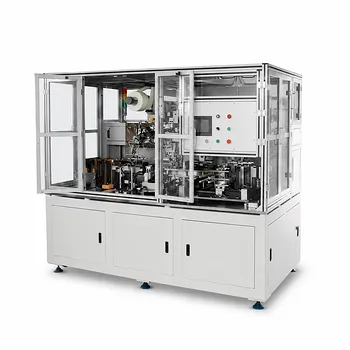
Semi Automatic Lithium Ion Battery Z Fold Stacking Machine for Prismatic and Pouch Cell Stacking
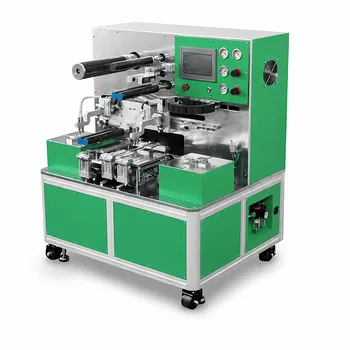
Semi Automatic Stacking Machine Laboratory Stacking Machine for Lithium Pouch Cell Assembly
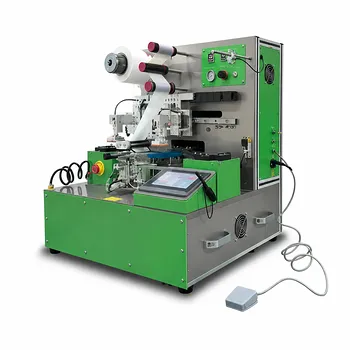
Laboratory Semi Automatic Stacking Machine for Lithium Battery Cell Assembly

Lithium Ion Battery Z Fold Semi Automatic Stacking Machine for Pouch Cell Fabrication and Battery Research
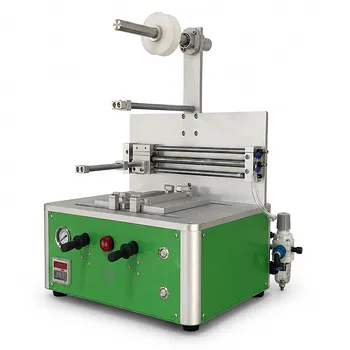
Semi Automatic Z Fold Stacking Machine for Sodium Ion and Advanced Battery Cell Prototyping