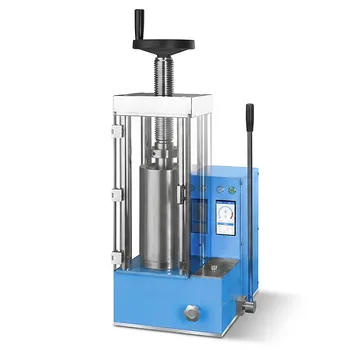
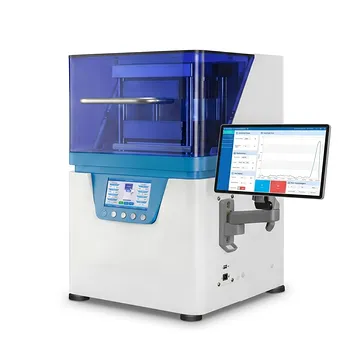
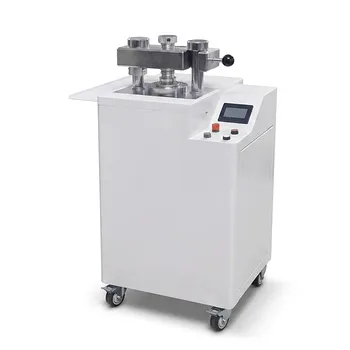
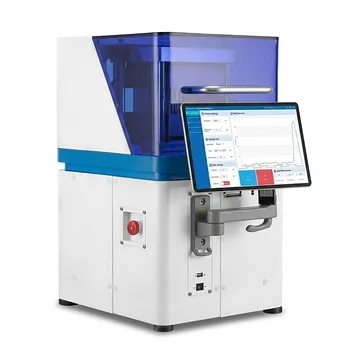
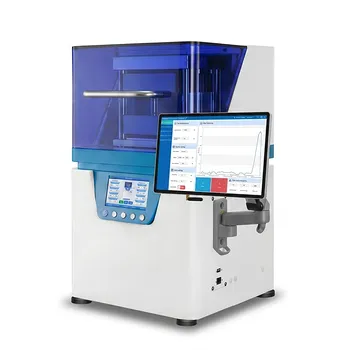
Reliability and operational efficiency are the defining standards for the electrical control system of a rubber laboratory press. The system typically features an automated, user-friendly control panel designed to reduce labor requirements, backed by reputable electronic components to ensure long-term stability.
The core standard for these systems is the integration of high-quality, brand-name electronics with an automated interface. This combination ensures that the equipment is not only durable enough for long-term use but also intuitive enough to minimize manual labor costs.
The Focus on Automation and Usability
Reducing Labor Constraints
The primary design standard for the control interface is automation. Manufacturers prioritize panels that are easy to operate, allowing technicians to run tests without constant manual oversight.
This focus on usability directly addresses labor costs. By simplifying the control process, the system allows operators to manage workflows more efficiently.
Programmable Capabilities
Beyond basic operation, standard systems often include programmable controls. This allows for the precise execution of complex testing protocols without manual adjustments during the cycle.
These systems frequently feature data acquisition capabilities. This ensures that the parameters set on the automated panel are recorded accurately for analysis.
Component Standards for Stability
Utilization of Well-Known Components
To ensure reliability, the electrical system is typically built using well-known electronic components. Reliance on established brands helps guarantee the quality and availability of parts.
Using generic or unbranded components is generally avoided in standard specifications. High-quality parts are essential for maintaining the integrity of the machine's electrical architecture.
Long-Term Operational Stability
The goal of using high-grade components is stability. Laboratory presses are investments meant for long-term use, and the electrical system must withstand years of operation without frequent failure.
Stable electronics ensure consistent performance of the electric platens and hydraulic systems. This prevents fluctuations that could ruin sensitive rubber samples.
Precision and Integrated Control
Digital Temperature Regulation
Standard equipment includes a precise digital temperature control system. This is critical for managing heating and cooling platens, which may need to reach temperatures as high as 450 °C.
Hydraulic and Motor Coordination
The control system serves as the "brain" for the mechanical operations. It manages the motor start button and the subsequent oil pumping process.
By controlling the pump, the system regulates the oil flow to the cylinder. This coordination is what allows the plunger to rise and generate the specific pressure required for the test.
Understanding the Trade-offs
Initial Cost vs. Reliability
Adhering to a standard of using "well-known" electronic components often results in a higher initial cost. Quality components are more expensive to source than generic alternatives.
However, this cost is a necessary trade-off for reduced downtime. Cheaper components may save money upfront but can lead to instability or system failure that disrupts laboratory operations later.
Making the Right Choice for Your Goal
When evaluating the control system of a rubber laboratory press, prioritize features based on your operational needs:
- If your primary focus is Efficiency: Prioritize an automated and programmable control panel to minimize manual labor and streamline data acquisition.
- If your primary focus is Durability: Verify that the internal architecture uses well-known electronic components to ensure stability over years of use.
- If your primary focus is Precision: Ensure the system offers digital temperature controls capable of managing high-heat environments up to 450 °C.
Select a system where the quality of the components matches the precision required by your testing standards.
Summary Table:
| Feature Standard | Description | Benefit |
|---|---|---|
| Control Interface | Automated, programmable digital panels | Reduces labor and human error |
| Component Quality | Brand-name, well-known electronic parts | Long-term stability and reliability |
| Temp. Regulation | Precise digital control (up to 450°C) | Ensures consistent material curing |
| Integration | Coordinated hydraulic and motor control | Uniform pressure application |
| Data Management | Integrated data acquisition capabilities | Reliable documentation for analysis |
Elevate Your Material Research with KINTEK
At KINTEK, we understand that precision in rubber testing begins with a robust electrical control system. We specialize in comprehensive laboratory pressing solutions—including manual, automatic, heated, multifunctional, and glovebox-compatible models, as well as cold and warm isostatic presses—designed specifically for demanding applications like battery research and polymer testing.
Our systems are built with world-class electronics to ensure your lab achieves maximum uptime and repeatable results. Contact us today to find the perfect press for your lab!
Related Products
- Cylindrical Lab Electric Heating Press Mold for Laboratory Use
- Electric Isostatic Pressing Machine 40 Tons Automatic Laboratory Powder Compacting Press
- Laboratory Hydraulic Split Electric Lab Pellet Press
- Automatic Laboratory Hydraulic Press Lab Pellet Press Machine
- Automatic Heated Hydraulic Lab Press with Programmable Touch Screen Controls and Precision Temperature Regulation
People Also Ask
- How does a laboratory electric heated press ensure sample quality? Optimize SiR-EPDM vulcanization and molding.
- What role does a laboratory electric heated press play in polymer composite fabrication? Key for Standardized Specimens
- What role does a laboratory electric heating press play in NBR molding? Master Vulcanization & Material Density
- Why is a laboratory electric heating press required for PP/EPDM molding? Achieve Superior Specimen Integrity
- What is the purpose of incorporating cartridge heaters into a lab press mold for MLCC block compression? Optimize Results