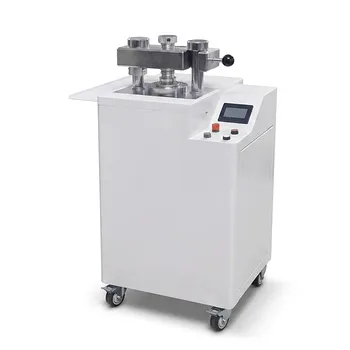
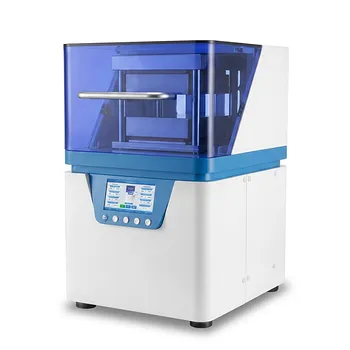
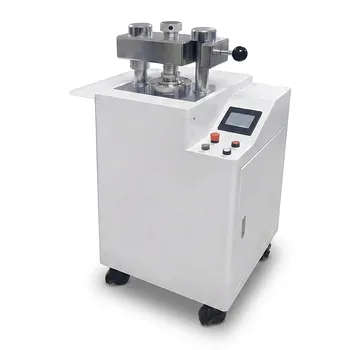
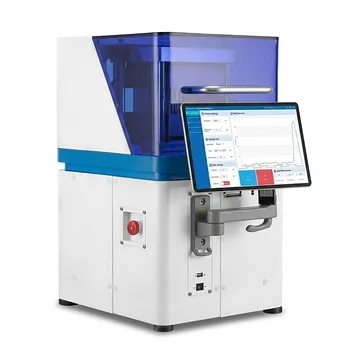
A vacuum press is a specialized machine press where the workpiece is processed within an evacuated environment. Unlike standard presses that operate under atmospheric conditions, this equipment removes air and gases from the chamber during the pressing operation to alter the molding environment.
By creating an evacuated environment, a vacuum press eliminates trapped air and heated gases. This fundamental change in the molding process drives higher efficiency, reduces material waste, and is essential for manufacturing high-precision components.
The Core Mechanism: Eliminating Gas and Air
The primary function of a vacuum press is to solve the problems caused by the presence of air during compression or transfer molding.
Removing Trapped Air
In traditional pressing, air pockets can become trapped within the material or the mold. A vacuum press evacuates the environment, ensuring that trapped air is completely removed before pressure is applied.
Managing Heated Gases
Manufacturing often generates heated gases that can compromise the structural integrity of a part. This machine extracts these gases, removing a variable that frequently causes defects in standard molding processes.
Operational Advantages
Switching to a vacuum-based system offers distinct benefits regarding the bottom line of production.
Increased Efficiency
Production cycles become more efficient when using a vacuum press. By stabilizing the environment, the machinery allows for a smoother, more reliable manufacturing flow.
Reduced Waste Material
Because the process is more controlled, there is a significant reduction in waste material. Fewer errors during the molding phase mean fewer resources are discarded.
Impact on Product Quality
The most significant advantage of using a vacuum press is the tangible improvement in the final product.
Lower Defect Rates
By eliminating air and gas, manufacturers decrease the types of defects common to compression and transfer molding. The resulting parts are more consistent and structurally sound.
High-Degree Precision
These presses are specifically utilized for products that require a high degree of precision. When tolerances are tight and surface finish is critical, the vacuum environment ensures the material fills the mold perfectly without interference from air pockets.
Understanding the Trade-offs
While the advantages are clear, it is important to understand where this technology fits.
Specialized vs. General Application
A vacuum press is a tool designed for precision and defect reduction. It is most effective when standard compression molding fails to meet quality standards due to air entrapment or gas issues.
Making the Right Choice for Your Goal
Deciding to employ a vacuum press depends on your specific manufacturing constraints and quality targets.
- If your primary focus is High Precision: A vacuum press is essential, as it eliminates the environmental variables that compromise intricate details.
- If your primary focus is Waste Reduction: This method is highly effective, as minimizing defects directly translates to less scrap material.
The vacuum press represents a critical step up in manufacturing capability for anyone seeking to eliminate gas-induced defects and achieve superior part quality.
Summary Table:
| Feature | Traditional Press | Vacuum Press |
|---|---|---|
| Environment | Atmospheric (Air present) | Evacuated (Vacuum) |
| Air Entrapment | Common risk of air pockets | Virtually eliminated |
| Material Waste | Higher due to gas defects | Significantly reduced |
| Precision Level | Standard | High-degree precision |
| Gas Management | Heated gases trapped in mold | Gases actively extracted |
| Defect Rates | Variable | Lower and more consistent |
Elevate Your Material Research with KINTEK Precision
Don't let air pockets and gas defects compromise your high-precision components. KINTEK specializes in comprehensive laboratory pressing solutions tailored for advanced applications like battery research and material science. Whether you need manual, automatic, heated, or specialized isostatic presses, our equipment ensures the structural integrity and precision your project demands.
Ready to optimize your production efficiency? Contact our laboratory experts today to find the perfect vacuum or isostatic press solution for your specific needs!
Related Products
- Heated Hydraulic Press Machine with Heated Plates for Vacuum Box Laboratory Hot Press
- Heated Hydraulic Press Machine With Heated Plates For Vacuum Box Laboratory Hot Press
- Laboratory Hydraulic Pellet Press for XRF KBR FTIR Lab Press
- Automatic Hydraulic Hot Press with Large Plate and Precision Temperature Control for Advanced Material Sample Preparation and Industrial Research
- Laboratory Hydraulic Press Lab Pellet Press Machine for Glove Box
People Also Ask
- How does a laboratory heated hydraulic press facilitate PBN sample prep for WAXS? Achieve Precise X-Ray Scattering
- What are the requirements for electrode pressing with high-viscosity ionic liquids like EMIM TFSI? Optimize Performance
- What are the industrial applications of heated hydraulic presses? Master Heat & Force for Precision Manufacturing
- Function of a Laboratory Hydraulic Press with Heated Platens in SSE? Enhance Battery Density & Conductivity
- How are heated hydraulic presses utilized in the preparation of thin films? Key Mechanisms and Applications