Battery supporting materials
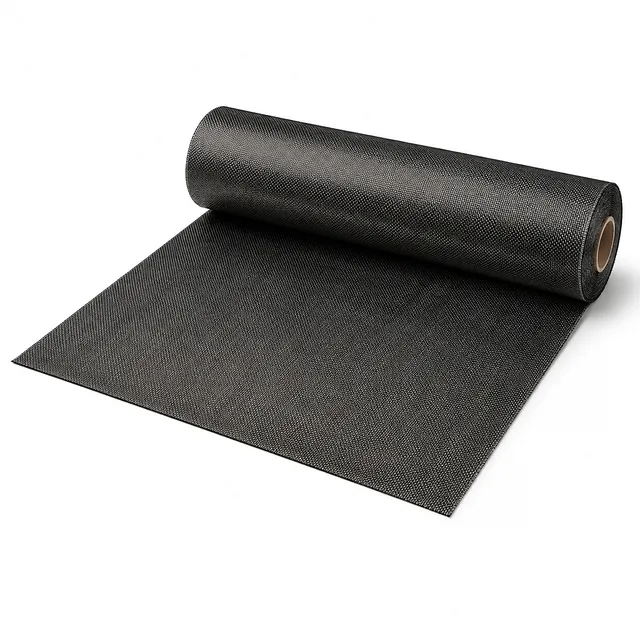
High Conductivity Carbon Cloth for Fuel Cells and Battery Electrodes
Item Number : FZ27
Price varies based on specs and customizations
- Through-Plane Resistance
- < 5 mΩ·cm²
- Thickness
- 0.33 ± 0.03 mm
- Air Permeability
- < 10 sec (Gurley)

Shipping:
Contact us to get shipping details Enjoy On-time Dispatch Guarantee.
Why Choose Us
Easy ordering process, quality products, and dedicated support for your business success.
Product Overview
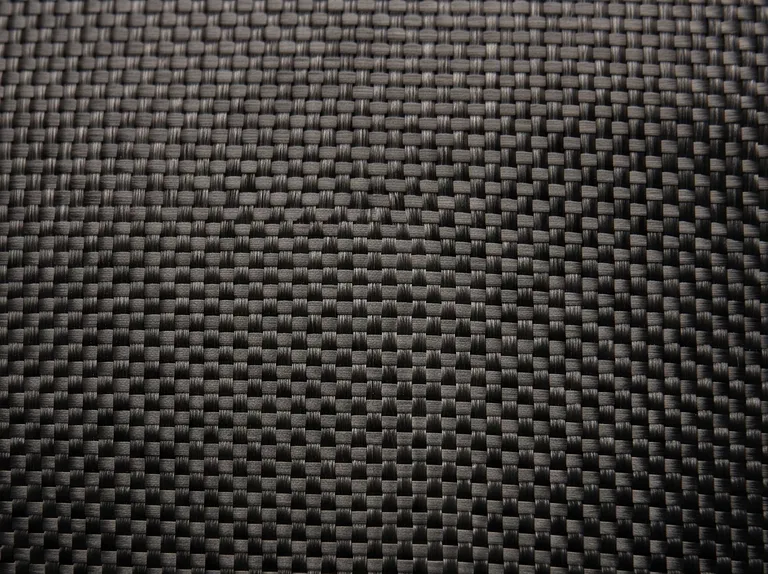
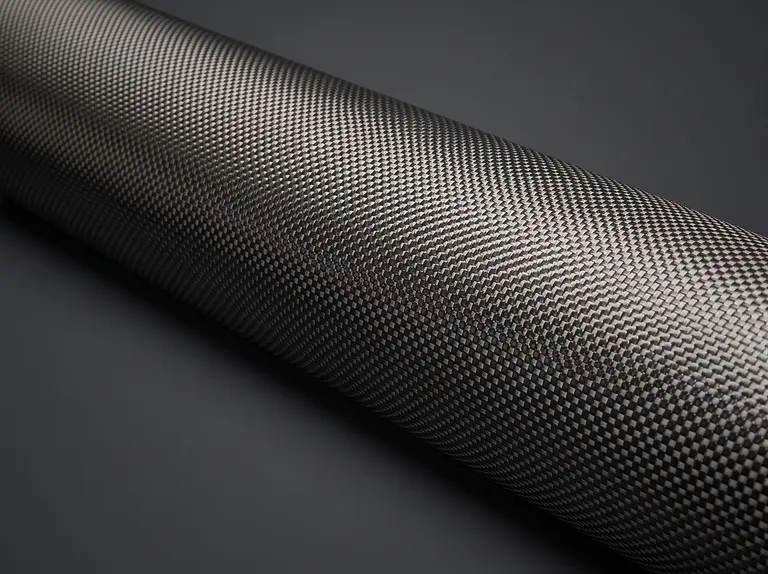
This high-conductivity carbon cloth is a premium woven carbon fiber substrate engineered specifically for demanding electrochemical architectures and advanced energy storage systems. Designed to serve as a high-efficiency gas diffusion layer (GDL) and current collector substrate, the material features an open woven textile structure combined with superior electrical and thermal transport properties. By maintaining minimal bulk and contact resistance, it facilitates rapid charge transfer across the electrode interface while enabling uninhibited mass transport of reactant gases and liquid electrolytes.
Optimized for cutting-edge energy technology sectors, this material is extensively utilized in proton exchange membrane fuel cells (PEMFC), direct methanol fuel cells (DMFC), redox flow batteries (RFB), and high-rate electrochemical supercapacitors. Its high surface integrity and continuous fiber construction also make it a reliable choice for electrocatalysis research, environmental remediation electrodes, and customized battery prototyping where structural resilience and electrochemical stability under corrosive conditions are mandatory.
Manufactured under rigorous quality control standards, the woven substrate demonstrates exceptional mechanical endurance and batch-to-batch consistency. It withstands continuous mechanical compression within cell stacks without fiber breakage or pinhole formation, ensuring prolonged operational life and stable power densities even during high-current cycling, wide temperature fluctuations, and aggressive chemical environments.
Key Features
- Ultra-Low Through-Plane Electrical Resistance: Exhibiting a through-plane resistance of less than 5 mΩ·cm² under standard ASTM C-611 test conditions, this substrate ensures rapid electron transfer across the electrode interface, significantly reducing internal ohmic losses and maximizing cell operating voltage.
- Optimized Macroporous Air Permeability: With a Gurley air permeability rating of less than 10 seconds, the woven pore network facilitates efficient fluid and gas dynamics, preventing localized mass-transport overpotential and flooding during high-current-density fuel cell operations.
- Controlled Micro-Uniform Thickness: Precision-calibrated to 0.33 ± 0.03 mm via standard TECLOCK SM-114 measurement protocols, the cloth delivers uniform stack compression, stable thermal dissipation, and consistent sealing across multi-cell bipolar plate assemblies.
- Engineered Anisotropic Tensile Strength: Providing a machine direction (MD) tensile strength of 10 N/cm (ASTM D-828) and a cross direction (XD) strength of 5 N/cm, the cloth resists tearing and distortion during automated roll-to-roll coating, catalyst slurry deposition, and high-pressure cell stack assembly.
- Balanced Areal Weight: Calibrated to 120 g/m² under ASTM D-646 standards, the material provides an optimal balance between structural rigidity and active volumetric energy density, minimizing overall stack weight without compromising mechanical integrity.
- Superior Chemical and Electrochemical Corrosion Resistance: Constructed from high-purity graphitic woven fibers, the material exhibits outstanding chemical inertness against acidic electrolytes, aggressive oxidizers, and broad potential windows encountered in continuous electrochemical cycling.
- Excellent Catalyst Slurry Receptivity: The textured woven fiber matrix enables uniform adhesion and deep penetration of electrocatalyst inks, minimizing catalyst delamination during prolonged hydrothermal operations.
Applications
| Application | Description | Key Benefit |
|---|---|---|
| Proton Exchange Membrane Fuel Cells (PEMFC) | Functions as a gas diffusion backing layer supporting electrocatalyst layers against flow field plates. | Minimizes water flooding and electrical contact resistance, sustaining high power density during continuous dynamic load cycling. |
| Vanadium Redox Flow Batteries (VRFB) | Serves as a porous electrode substrate facilitating liquid electrolyte flow and redox reactions of vanadium species. | Promotes deep electrolyte penetration with low hydraulic pressure drop and resists degradation in aggressive acidic electrolytes. |
| Electrochemical Supercapacitors | Utilized as a flexible, conductive current-collector backing for high-capacitance active material coatings. | Reduces equivalent series resistance (ESR) and accommodates continuous mechanical bending in flexible energy storage devices. |
| Direct Methanol Fuel Cells (DMFC) | Operates as an anode and cathode gas/liquid diffusion medium managing liquid fuel delivery and CO2 gas release. | Balances mass transport dynamics to prevent fuel crossover while maintaining high electronic conductivity. |
| Electrocatalytic Water Splitting | Acts as a robust 3D conductive platform for loading oxygen and hydrogen evolution reaction (OER/HER) catalysts. | Provides open pathway architectures for rapid gas bubble detachment and low overpotentials under high current densities. |
| Metal-Air Battery Electrodes | Deployed as an air-breathing cathode substrate allowing continuous oxygen diffusion and structural support for catalysts. | Maintains dimensional stability and high electronic percolation paths throughout prolonged atmospheric discharge-recharge cycles. |
| Electrochemical Sensors & Biosensors | Serves as a high-purity conductive substrate for immobilizing enzymes, metal nanoparticles, or conductive polymers. | Ensures low background noise, high signal-to-noise ratios, and reliable analytical reproducibility in analytical testing. |
Technical Specifications
| Parameter | Unit | Test Method | Value (FZ27) |
|---|---|---|---|
| Product Identifier | — | — | FZ27 |
| Thickness | mm | TECLOCK SM-114 | 0.33 ± 0.03 |
| Areal Weight | g/m² | ASTM D-646 | 120 |
| Air Permeability | sec | Gurley Method | < 10 |
| Through-Plane Resistance | mΩ·cm² | ASTM C-611 (Modified) | < 5 |
| Tensile Strength (MD) | N/cm | ASTM D-828 | 10 |
| Tensile Strength (XD) | N/cm | Standard Tensile Test | 5 |
| Fiber Matrix Architecture | — | Visual / Microscopic | Woven Carbon Fiber |
| Chemical Compatibility | — | Laboratory Assessment | Stable in acidic, alkaline, and organic electrolyte media |
Why Choose This Product
- Exceptional Contact Integrity: The refined weave structure and high fiber purity minimize through-plane interfacial resistance down to < 5 mΩ·cm², directly mitigating parasitic thermal losses in high-rate electrochemical stacks.
- Optimized Fluid and Mass Transport: The engineered pore structure achieves a Gurley permeability under 10 seconds, providing rapid gas distribution and liquid drainage to suppress localized cell degradation and concentration polarization.
- Processability in Roll-to-Roll Manufacturing: With robust MD and XD tensile properties, this substrate seamlessly integrates into automated continuous coating, slot-die casting, and pressing lines without fraying or stretching.
- Stringent Quality Assurance: Every production batch undergoes comprehensive dimensional, mechanical, and electrical testing to guarantee uniform thickness (0.33 ± 0.03 mm) and weight (120 g/m²), ensuring high yield rates in multi-cell stack assembly.
Contact our technical engineering team today to request material samples, discuss custom sizing or surface treatments, and receive a comprehensive commercial quote tailored to your application requirements.
Trusted by Industry Leaders

REQUEST A QUOTE
Our professional team will reply to you within one business day. Please feel free to contact us!
Related Products
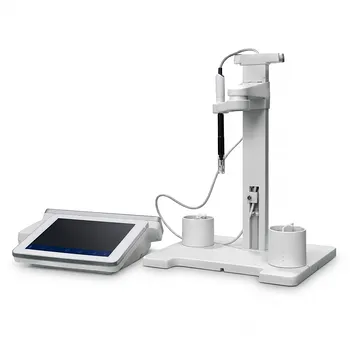
Benchtop Conductivity Meter Precision Laboratory Conductivity Tester
Engineered for high accuracy, this benchtop conductivity meter delivers precise measurement of conductivity, TDS, salinity, and resistivity. Featuring automated verification, IP54 protection, and complete data traceability, this reliable laboratory instrument ensures operational compliance and quality control across demanding industrial workflows.

High Current Polymer Battery Test Fixture for Pouch Cell Electrical Testing
Engineered for high current testing up to 350A and 500V this polymer battery test fixture ensures minimal contact resistance and superior thermal stability across extreme temperatures from minus 55 to positive 155 degrees Celsius.