
The Transition from Chaos to Order
Raw natural rubber is a material of potential, but little utility. In its native state, it is plastic, sensitive to temperature, and structurally "loose"—a collection of independent linear macromolecular chains sliding past one another.
Vulcanization is the process of ending that chaos. It is the chemical equivalent of building a scaffold within a liquid.
To achieve this, the electric heating press acts as more than just a heater; it is the fundamental facilitator of a structural metamorphosis. It provides the precise kinetic environment where chemistry and physics meet to create resilience.
The Thermal Catalyst: Forging the 3D Network
The "Electric" in the heating press is the guardian of the Kinetic Threshold. Without a synchronized environment of 140°C to 160°C, the vulcanizing agents—accelerators like CBS or TMTD—remain dormant.
Activating the Matrix
The press delivers thermal energy with a specificity that prevents "cold spots." When the temperature is uniform, the rubber’s internal structure shifts from a linear arrangement to a stable, three-dimensional cross-linked network.
The Cost of Inconsistency
In the world of material science, temperature variance is the enemy of reliability.
- Too Low: Under-vulcanization leads to a tacky, weak product.
- Too High: "Thermal Degradation" or chain scission occurs, making the rubber brittle.
- The KINTEK Standard: Precision control (±1°C) ensures that the cross-link density is consistent from the surface to the core.
The Mechanical Mandate: Eliminating the Invisible
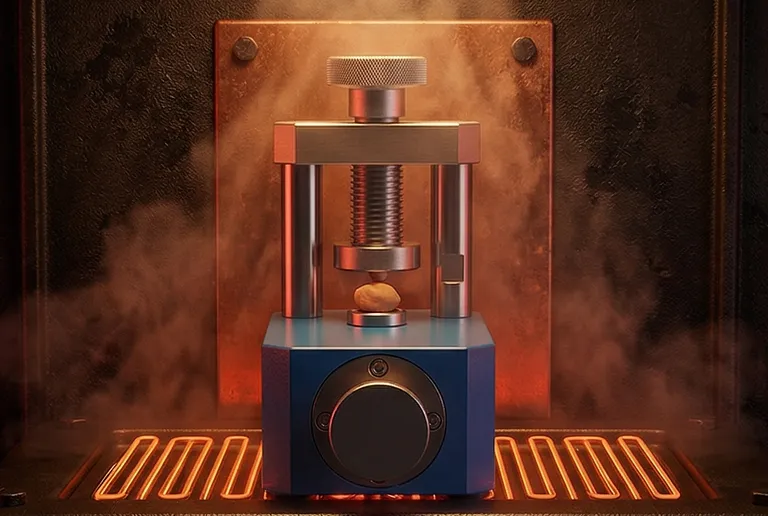
Heat starts the reaction, but pressure defines the quality of the result. Applying between 14 MPa and 200 kg/cm² is not merely about shaping the material; it is about "degassing" the system.
The Degassing Process
As chemical reactions occur, internal gases and trapped air seek to form bubbles. Under high hydraulic pressure, these voids are forced out. Without this compression, the rubber would be a porous, unreliable sponge.
Dimensional Integrity
High-pressure compensation ensures the softened compound fills every microscopic crevice of the mold. This results in a specimen that is:
- Dense: Maximum material density for high-modulus applications.
- Stable: Zero shrinkage or warping after cooling.
- Uniform: Consistent thickness for standardized physical testing.
The Engineer’s Trade-off: Efficiency vs. Integrity
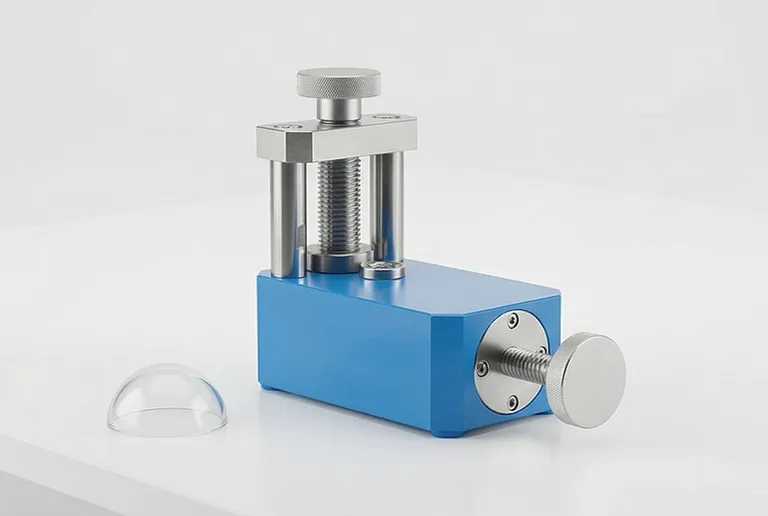
In the laboratory, we often chase the "Sweet Spot"—the narrow window where cycle time is minimized but material integrity is maximized.
| Phase | Input | Outcome |
|---|---|---|
| Thermal Activation | 140°C - 160°C | Triggers 3D molecular cross-linking |
| Compression | 14 MPa - 200 kg/cm² | Eliminates voids and ensures dimensional stability |
| Stabilization | Constant Force | Maximizes tensile strength and hardness |
The psychological trap in production is the urge to increase heat to save time. However, high-performance rubber demands patience. The press must maintain its discipline throughout the cooling phase to prevent the "reversal" of properties.
Systemic Solutions for Modern Research
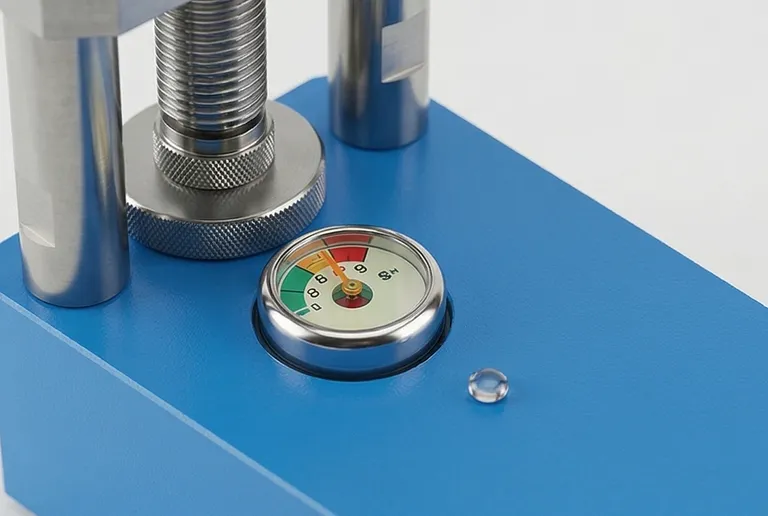
At KINTEK, we understand that a press is not just a tool; it is the controlled environment where your research becomes reality. Whether you are developing the next generation of solid-state batteries or high-performance elastomers, the equipment must be as precise as the hypothesis.
Our laboratory solutions are designed to eliminate variables:
- Automated & Manual Presses: Tailored for every stage of the R&D pipeline.
- Heated & Isostatic Models: Including CIP and WIP systems for advanced material compaction.
- Specialized Environments: Glovebox-compatible designs for sensitive chemical formulations.
In the pursuit of material excellence, the difference between a "good" sample and a "standard-setting" specimen lies in the precision of the press.
To explore how our pressing technology can refine your vulcanization protocols, Contact Our Experts.
Related Products
- Cylindrical Lab Electric Heating Press Mold for Laboratory Use
- Automatic Heated Hydraulic Press Machine with Heated Plates for Laboratory
- Automatic Heated Hydraulic Press Machine with Hot Plates for Laboratory
- Split Automatic Heated Hydraulic Press Machine with Heated Plates
- Heated Hydraulic Press Machine with Heated Plates for Vacuum Box Laboratory Hot Press
Related Articles
- The Geometry of Energy: Why Precision Pressing Dictates Radiation Outcomes
- The Conscience of the Lab: Precision, Pressure, and the Invisible Architecture of Rubber
- The Glass Transition Ritual: Why Heat is the Secret Language of High-Density Materials
- Precision's Edge: The Physics and Psychology of Temperature Control in Laboratory Presses
- The Architecture of Pressure: Engineering the Transformation of Structural Composites



















