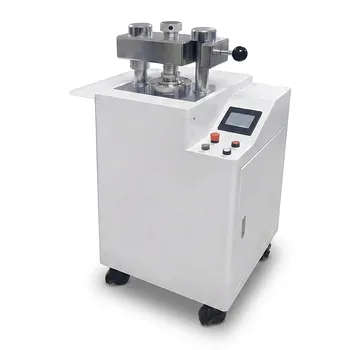
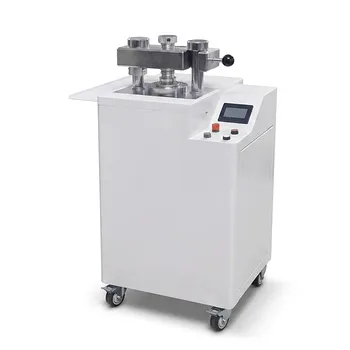
The reliability of a lab pellet press hinges on properly diagnosing three specific failure modes: mechanical buckling, hydraulic leaks, and structural vibration. Troubleshooting these issues requires a dual approach of adjusting operational parameters—such as reducing applied force on longer pellets—and adhering to a strict regimen of inspecting hoses, seals, and alignment. Addressing these symptoms immediately is critical to preventing permanent equipment damage and ensuring the safety of the operator.
Core Takeaway Most lab press failures stem from exceeding mechanical limits or neglecting hydraulic maintenance. By matching the applied force to the pellet geometry and proactively replacing worn seals, you can eliminate the majority of operational downtime.
Addressing Mechanical Stress and Plunger Issues
Identifying Plunger Buckling
The most critical mechanical risk in pellet pressing is buckling stress. This typically occurs when the plunger is subjected to high loads while pressing pellets with a significant height.
Mitigating the Risk
If you observe signs of stress or deformation, you must alter your pressing parameters. Reduce the applied force or decrease the height of the pellet to lower the aspect ratio.
Hardware Adjustments
If high-aspect-ratio pellets are necessary, standard equipment may not suffice. Switching to a shorter plunger or a custom-made component designed for specific stress loads can prevent failure.
Maintaining Hydraulic Integrity
Diagnosing Leaks
Fluid leaks are the most common operational nuisance and safety hazard. These are almost exclusively caused by worn-out hoses or degraded seals that have exceeded their service life.
The Fix: Inspection and Replacement
Leaks cannot be "patched" effectively; components must be replaced. Implement a schedule for regular inspection of all hydraulic lines and seals.
Managing Hydraulic Fluids
Troubleshooting leaks also involves monitoring the fluid itself. Hydraulic fluids degrade over time; ensure you check fluid levels regularly and replace the oil with the correct type to maintain pressure capabilities.
Resolving Structural Instability
Pinpointing Excessive Vibration
A press should operate smoothly; excessive vibration is a red flag indicating internal mechanical issues. This is often a symptom of misalignment within the assembly or significantly worn internal parts.
Immediate Corrective Action
Do not continue operation if the machine vibrates heavily. These issues must be addressed promptly to prevent the vibration from causing cascading damage to other components or shattering the sample.
Common Pitfalls to Avoid
Neglecting Cleanliness and Lubrication
A major trade-off in busy labs is sacrificing maintenance time for throughput. However, allowing dirt, oil, or fluid to accumulate on working parts accelerates wear. Moving parts must be regularly cleaned and lubricated to function correctly.
Overlooking Calibration
Trusting the gauge without verification is a common error. The force gauge must be calibrated regularly to ensure the pressure you think you are applying is accurate. This is vital for both operator safety and the scientific reproducibility of your samples.
Making the Right Choice for Your Goal
To maximize the lifespan of your equipment and the quality of your samples, prioritize your troubleshooting based on your specific operational needs:
- If your primary focus is pressing high-aspect-ratio samples: Prioritize plunger integrity by calculating buckling limits and reducing applied force or using custom tooling.
- If your primary focus is equipment longevity: Commit to a strict schedule of cleaning, lubrication, and changing hydraulic fluids to prevent wear and leaks.
- If your primary focus is experimental consistency: Ensure your force gauge is calibrated regularly so that pressure data remains accurate across all samples.
Consistent maintenance and operating within mechanical limits are the keys to a safe, high-performing laboratory environment.
Summary Table:
| Common Issue | Primary Cause | Recommended Solution |
|---|---|---|
| Plunger Buckling | Excessive force on high-aspect pellets | Reduce load or use shorter, reinforced plungers |
| Hydraulic Leaks | Worn seals or degraded hoses | Inspect regularly and replace worn components |
| Structural Vibration | Mechanical misalignment or worn parts | Cease operation immediately and realign components |
| Pressure Inaccuracy | Force gauge out of calibration | Schedule regular professional gauge calibration |
| Accelerated Wear | Lack of cleanliness and lubrication | Implement a daily cleaning and lubrication routine |
Maximize Your Lab’s Precision with KINTEK Pressing Solutions
Don't let equipment downtime derail your research. KINTEK specializes in comprehensive laboratory pressing solutions, offering a robust range of manual, automatic, heated, multifunctional, and glovebox-compatible models, as well as advanced cold and warm isostatic presses widely applied in battery research.
Our technical experts are ready to help you optimize your pellet preparation and choose the most durable equipment for your specific application. Experience the KINTEK advantage of superior reliability and precision engineering.
Ready to upgrade your lab's performance? Contact KINTEK Today to Consult an Expert
Related Products
- Laboratory Hydraulic Split Electric Lab Pellet Press
- Automatic Laboratory Hydraulic Press Lab Pellet Press Machine
- Automatic Fluorescence Sample Preparation Press 40 Ton Lab Pellet Press for XRF Analysis
- Laboratory Hydraulic Press 2T Lab Pellet Press for KBR FTIR
- Laboratory Hydraulic Pellet Press for XRF KBR FTIR Lab Press
People Also Ask
- What are the emerging trends in the design and materials of lab pellet presses? Modernize Your Lab Efficiency
- How do lab pellet presses support customization and flexibility? Optimize Your Sample Prep for Any Material
- What are the common operational types of lab pellet presses? Choosing the Right Manual, Automatic, or Hydraulic System
- Why use a laboratory pellet press for solid-state battery evaluation? Ensure Accuracy in Interface Stability Testing
- Why Use a Laboratory Pellet Press for PXRD Anode Material Prep? Standardize Samples for Precise Analysis