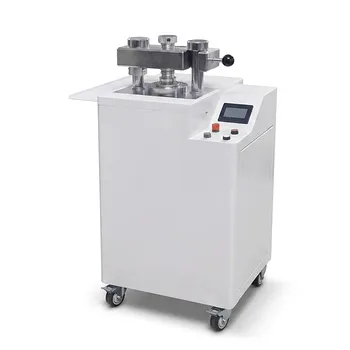
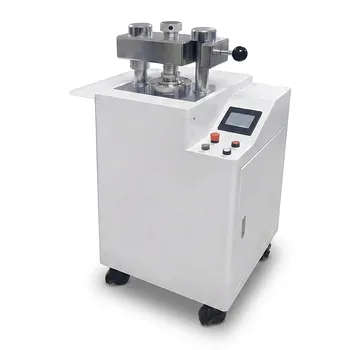
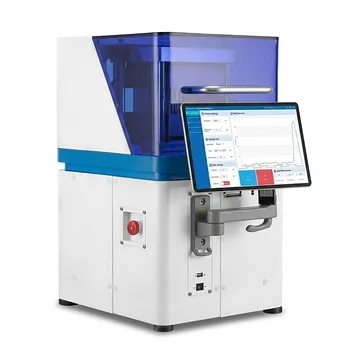
Hydraulic pellet presses are highly versatile instruments capable of processing a diverse array of materials, ranging from soft powders and polymers to rigid ceramics and metals. Because of this adaptability, they are standard equipment across multiple sectors, including pharmaceuticals, metallurgy, geology, and environmental science.
The core value of a hydraulic pellet press lies in its ability to deliver precise, high-pressure compression for widely different substances, bridging the gap between basic analytical research and complex industrial manufacturing.
Material Compatibility
Soft and Malleable Materials
These presses excel at handling polymers and pharmaceutical powders. In these applications, the press is often used to create uniform samples for drug formulation or polymer consistency testing.
Hard and Abrasive Materials
For more demanding applications, hydraulic presses can compress ceramics and metals. This capability is essential for creating robust pellets used in metallurgical analysis or the development of advanced ceramic components.
Specialized Compounds
Beyond standard raw materials, these presses are utilized for creating pellets from catalysts and battery materials. This precision is vital for energy research, where the structural integrity of a sample can directly correlate to electrochemical performance.
Industry Applications
Analytical Chemistry and Spectroscopy
One of the most common applications is in the preparation of samples for X-ray fluorescence (XRF) and infrared spectroscopy. The press creates high-quality, homogeneous pellets, which are strictly required to ensure accurate, reproducible analytical results.
Material Science and Engineering
Researchers use these presses to simulate extreme pressure environments. By subjecting materials to high compression, scientists can study fundamental properties such as elasticity, plasticity, and fracture points to drive engineering innovations.
Geology and Environmental Science
In geological applications, the equipment is used to compress soil and rock samples. This allows for the precise analysis of geological compositions and the assessment of environmental samples for contaminants.
Electronics and Energy
The presses support laboratory tasks such as punching electrodes and lamination. This is particularly relevant in the development of next-generation battery technologies and electronic components.
Understanding the Trade-offs
Manual Operation vs. Throughput
Many standard hydraulic pellet presses are manual systems. While they offer excellent control and cost-effectiveness for laboratory research, they may not be suitable for high-volume industrial production lines requiring automation.
Force Limitations
While capable of significant force—often up to 250 kN—users must ensure the press capacity matches the material's yield strength. Attempting to compress extremely hard industrial alloys beyond the rated capacity of the press or the die set can result in equipment damage or sample failure.
Sample Homogeneity
The press provides the pressure, but the quality of the pellet depends heavily on the pre-processing of the material. If the powder is not ground to a sufficient fineness or mixed homogeneously before pressing, even high hydraulic force will not result in a stable, analyzable pellet.
Making the Right Choice for Your Goal
Depending on your specific application, prioritize the following aspects:
- If your primary focus is Analytical Chemistry (XRF/IR): Prioritize a press with precise pressure controls to ensure the high homogeneity required for reproducible spectral data.
- If your primary focus is Material Science Research: Look for a system that offers variable pressure forces (up to 250 kN) to test material limits regarding elasticity and fracture points.
- If your primary focus is Battery or Electronic Development: Ensure the press supports specialized die sets for tasks like electrode punching and lamination.
Select the press that offers the force capacity and die compatibility that aligns with your hardest material and most delicate analytical requirement.
Summary Table:
| Material Category | Common Examples | Primary Industry Application |
|---|---|---|
| Soft/Malleable | Polymers, Pharma Powders | Drug Formulation, Spectroscopy |
| Hard/Abrasive | Ceramics, Metal Powders | Metallurgy, XRF Analysis |
| Specialized | Catalysts, Battery Materials | Energy Research, Electronics |
| Geological | Soil, Rock Samples | Environmental Science, Geology |
Maximize Your Lab’s Precision with KINTEK Pressing Solutions
Elevate your research outcomes with KINTEK, your expert partner in laboratory material preparation. We specialize in comprehensive pressing solutions designed to meet the rigorous demands of battery research and industrial analysis.
Our diverse range includes:
- Manual & Automatic Models for flexible throughput.
- Heated & Multifunctional Presses for advanced material synthesis.
- Glovebox-Compatible & Isostatic Presses (Cold/Warm) for specialized environments.
Whether you are punching electrodes or preparing homogeneous XRF samples, KINTEK provides the reliability and precision your work deserves. Contact us today to find the perfect press for your application!
Related Products
- Laboratory Hydraulic Pellet Press for XRF KBR FTIR Lab Press
- Automatic Laboratory Hydraulic Press Lab Pellet Press Machine
- Laboratory Hydraulic Press Lab Pellet Press Machine for Glove Box
- Manual Laboratory Hydraulic Pellet Press Lab Hydraulic Press
- Automatic Laboratory Hydraulic Press for XRF and KBR Pellet Pressing
People Also Ask
- Laboratory Pellet Press for Solar PV Recycling: Ensuring High-Precision Material Analysis and Purity
- Why is a professional laboratory pellet press required for XRF of silica sand? Achieve +/- 0.10% Precision
- Why is high consistency in holding pressure from a laboratory pellet press required when preparing multi-component alloy specimens?
- Why Use a Laboratory Pellet Press for PXRD Anode Material Prep? Standardize Samples for Precise Analysis
- What are the different types of pellet-making tools available for labs? Choose the Right Press for Your Sample