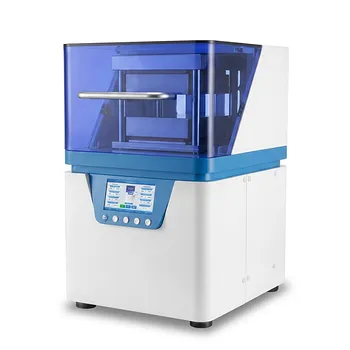
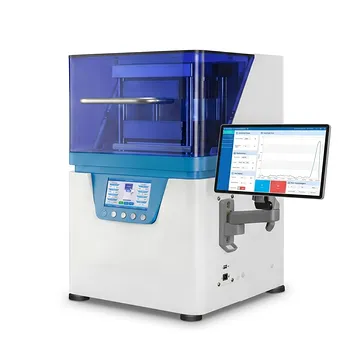
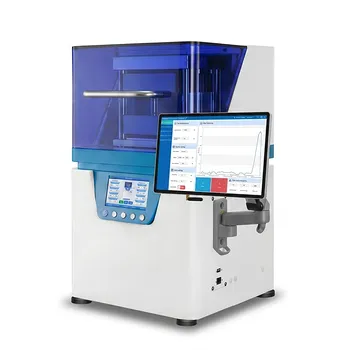
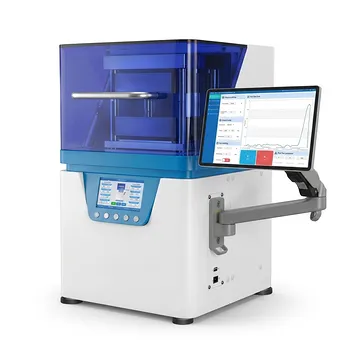
Hydraulic presses are foundational to heavy industry, utilizing high-pressure fluid mechanics to perform operations that require immense force, such as forging, molding, punching, and clinching. These machines are versatile enough to manufacture aerospace components, compact loose powders, and even crush automobiles for recycling.
Core Insight: The hydraulic press transforms raw power into precision. Its primary value lies in its ability to apply consistent, massive compressive force to shape metals, densify powders, and test material limits, serving as the backbone for sectors ranging from automotive manufacturing to ceramics.
Primary Manufacturing Operations
Metal Forming and Fabrication
Hydraulic presses are essential for shaping metal workpieces into specific forms. Through processes like forging, blanking, and deep drawing, they produce critical components for the automotive and aerospace industries.
Precision Assembly and Clinching
Beyond simple shaping, these presses are used for clinching and assembly. This involves press-fitting components together or joining materials without welding, ensuring structural integrity in complex assemblies.
Specialized Craftsmanship
The utility of these presses extends to traditional crafts as well. For example, in sword-making, the controlled force helps shape and forge blades with a precision that manual hammering cannot easily replicate.
Material Compaction and Densification
Powder Compacting
A key application is powder compacting, where powdered materials are compressed into solid, intricate shapes. This is a critical step in metallurgy and pharmaceutical manufacturing to create uniform products.
Ceramics Manufacturing
In the ceramics industry, hydraulic presses produce items like tiles and bricks at room temperature. The immense pressure bonds the ceramic particles, reducing the need for high-heat binding processes during the initial shaping phase.
Scrap Baling and Recycling
For waste management, these presses are used for scrap baling. They crush large metal objects, including cars, into dense bales, making them significantly easier to transport and store for recycling.
Specialized Applications and Testing
Concrete Compression Testing
Hydraulic presses serve a vital role in quality assurance through concrete compression testing. This process is used to verify the material properties, such as tensile strength, ensuring construction materials meet safety standards.
Food Industry Processing
Surprisingly, these machines also have applications in the food sector. They are used to produce fat-free cocoa powder by extracting fat from cocoa beans under high pressure.
Understanding the Operational Trade-offs
High Force vs. Speed
Hydraulic systems can generate pressures around 10,000 psi, far exceeding the ~100 psi of pneumatic systems. However, this immense force often comes at the cost of speed; hydraulic cycles are generally slower than mechanical or pneumatic alternatives.
Complexity and Maintenance
While powerful, hydraulic presses require rigorous maintenance. The high-pressure fluid systems are complex, requiring careful monitoring of seals and pumps to prevent leaks and maintain consistent pressure application.
Making the Right Choice for Your Goal
To select the right application for your needs, consider your primary objective:
- If your primary focus is Metal Fabrication: Utilize hydraulic presses for high-force operations like deep drawing, forging, and stamping automotive or aerospace parts.
- If your primary focus is Material Synthesis: Leverage powder compacting and ceramic molding capabilities to create uniform shapes from loose or granular materials.
- If your primary focus is Waste Management: Deploy heavy-duty baling presses to crush scrap metal and vehicles into dense, transportable blocks.
- If your primary focus is Quality Control: Use precision hydraulic presses for destructive testing to verify the compressive and tensile strength of construction materials.
Hydraulic presses are the definitive solution when your project demands the controlled application of massive compressive force.
Summary Table:
| Application Category | Primary Industrial Use | Key Benefit |
|---|---|---|
| Metal Fabrication | Forging, Stamping, & Deep Drawing | High-force shaping for aerospace & automotive parts |
| Material Synthesis | Powder Compacting & Ceramic Molding | Creates uniform, dense shapes from granular materials |
| Waste Management | Scrap Baling & Vehicle Crushing | Efficiently reduces volume for transport and recycling |
| Quality Assurance | Concrete Compression Testing | Verifies material tensile strength and safety limits |
| Food Processing | Cocoa Fat Extraction | High-pressure separation of liquids and solids |
Optimize Your Lab Results with KINTEK Pressing Solutions
At KINTEK, we understand that precision and consistency are the cornerstones of successful research and production. Whether you are advancing battery research, synthesizing new ceramics, or performing material limit tests, our comprehensive range of laboratory pressing solutions provides the reliable force you need.
Our Value to You:
- Versatile Selection: Choose from manual, automatic, heated, and multifunctional models.
- Specialized Equipment: High-performance cold and warm isostatic presses for superior material density.
- Glovebox Compatibility: Solutions designed for sensitive research environments.
Take the first step toward enhanced laboratory efficiency. Contact KINTEK today to find the perfect press for your specific industrial or research application!
Related Products
- Automatic Hydraulic Hot Press with Large Plate and Precision Temperature Control for Advanced Material Sample Preparation and Industrial Research
- Automatic Hydraulic Heat Press Machine with Multi Stage Programmable Control and Integrated Water Cooling Plate Size 180x180mm
- Automatic High Temperature Heated Hydraulic Press Machine with Heated Plates for Lab
- Automatic Heated Hydraulic Lab Press with Programmable Touch Screen Controls and Precision Temperature Regulation
- Manual Heated Hydraulic Lab Press with Integrated Hot Plates Hydraulic Press Machine
People Also Ask
- What are the specific features and applications of hydraulic hot press machines? Precision Solutions for Modern Labs
- How does an automatic hydraulic press operate? Achieve Precision and Consistency in Lab Pelleting
- What are the advantages and common applications of an automatic hydraulic press? Elevate Your Lab's Precision
- What is the technical significance of setting a precise dwell time? Achieve Peak Material Density and Stability
- When is an automatic hydraulic press more suitable than a manual press? Scale Your Lab with Precision & Speed