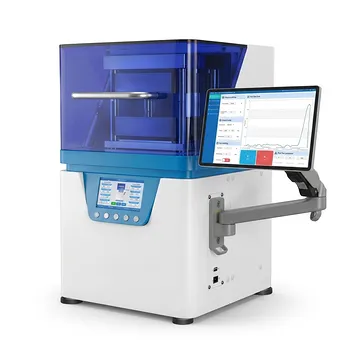
Hydraulic systems offer a superior combination of power density and mechanical simplicity. They excel at transmitting massive amounts of power efficiently while utilizing fewer moving parts than mechanical alternatives. By operating at pressures far exceeding pneumatic systems, they provide a compact solution for heavy-duty applications requiring both force and precision.
While pneumatic systems are limited to lower pressures and mechanical systems can be bulky, hydraulic systems provide a unique balance of extreme power generation, maintenance simplicity, and spatial efficiency.
The Power and Pressure Advantage
Superior Pressure Capabilities
The most distinct advantage of a hydraulic system is its operating pressure range. While pneumatic systems generally function at around 100 psi, hydraulic systems can reliably operate in the region of 10,000 psi.
Efficient Power Transmission
This massive pressure differential allows hydraulics to be incredibly efficient at transmitting power. You can generate immense force output without the need for the physically massive components required by other system types.
Operational Simplicity and Maintenance
Fewer Moving Parts
Mechanical systems often rely on complex gears, levers, and linkages to multiply force. In contrast, hydraulic systems are designed with relatively few moving parts.
Ease of Maintenance
This reduction in mechanical complexity directly translates to long-term ownership benefits. With fewer components to wear out or break, hydraulic systems are generally easier to maintain than complex mechanical setups.
Efficiency in Design and Production
Compact Footprint
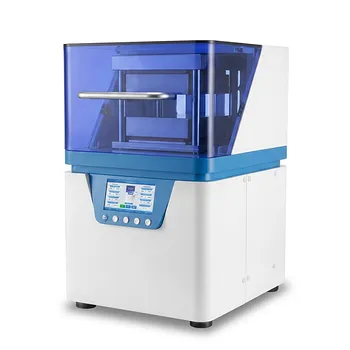
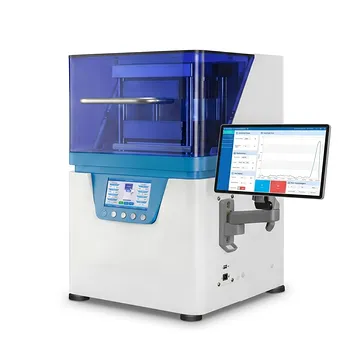
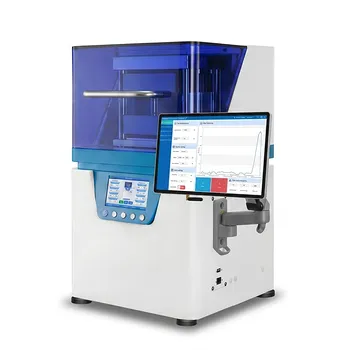
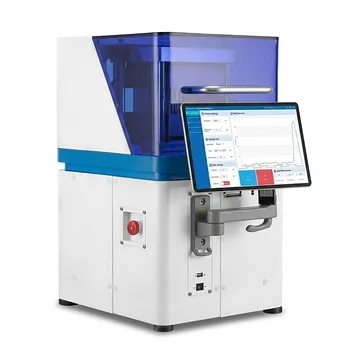
Floor space is a critical resource in any facility. Hydraulic presses typically take up less space than mechanical presses while delivering comparable or superior force.
Material Economy and Precision
Hydraulics are not just about brute strength; they offer significant control. They are capable of creating intricate shapes and are economical with materials, helping to reduce waste in production processes.
Understanding the Contextual Trade-offs
Pressure vs. Safety
Operating at 10,000 psi provides immense power, but it also necessitates high-quality components rated for extreme stress. This creates a different safety profile compared to low-pressure pneumatic systems (100 psi).
Application Suitability
Hydraulics are unmatched for high-force applications. However, for tasks requiring very light force or extremely high speeds, the high-pressure capabilities of hydraulics might exceed the actual requirements of the job.
Making the Right Choice for Your Goal
When deciding between hydraulic, pneumatic, or mechanical systems, consider your specific constraints regarding force and space.
- If your primary focus is maximum force generation: Choose hydraulics to leverage operating pressures in the region of 10,000 psi, vastly outperforming pneumatic limits.
- If your primary focus is reliability and uptime: Prioritize hydraulics for their design simplicity and fewer moving parts, which streamlines maintenance.
- If your primary focus is spatial efficiency: Select hydraulic presses to achieve high power output within a smaller physical footprint than mechanical alternatives.
Hydraulics provide the optimal solution when your project demands high power density combined with mechanical simplicity and precision.
Summary Table:
| Feature | Hydraulic Systems | Pneumatic Systems | Mechanical Systems |
|---|---|---|---|
| Operating Pressure | Up to 10,000 PSI | Approx. 100 PSI | N/A |
| Power Density | Very High | Low | Moderate |
| Complexity | Low (Fewer moving parts) | Moderate | High (Gears/Linkages) |
| Footprint | Compact | Moderate | Large/Bulky |
| Precision | High | Moderate | High |
Maximize Your Lab’s Force with KINTEK Precision
Are you looking to optimize your material research with high-power density and spatial efficiency? KINTEK specializes in comprehensive laboratory pressing solutions tailored for demanding environments. From battery research to material synthesis, our range includes manual, automatic, heated, multifunctional, and glovebox-compatible models, alongside advanced cold and warm isostatic presses.
Don't let mechanical complexity or pneumatic pressure limits slow down your innovation. Contact KINTEK today to find the perfect high-pressure solution for your facility!
Related Products
- Automatic Hydraulic Hot Press with Large Plate and Precision Temperature Control for Advanced Material Sample Preparation and Industrial Research
- Automatic Hydraulic Heat Press Machine with Multi Stage Programmable Control and Integrated Water Cooling Plate Size 180x180mm
- Heated Hydraulic Press Machine with Heated Plates for Vacuum Box Laboratory Hot Press
- Automatic High Temperature Heated Hydraulic Press Machine with Heated Plates for Lab
- Automatic Heated Hydraulic Lab Press with Programmable Touch Screen Controls and Precision Temperature Regulation
People Also Ask
- What are the specific features and applications of hydraulic hot press machines? Precision Solutions for Modern Labs
- How does an automatic hydraulic press operate? Achieve Precision and Consistency in Lab Pelleting
- What are the advantages and common applications of an automatic hydraulic press? Elevate Your Lab's Precision
- What is the technical significance of setting a precise dwell time? Achieve Peak Material Density and Stability
- When is an automatic hydraulic press more suitable than a manual press? Scale Your Lab with Precision & Speed