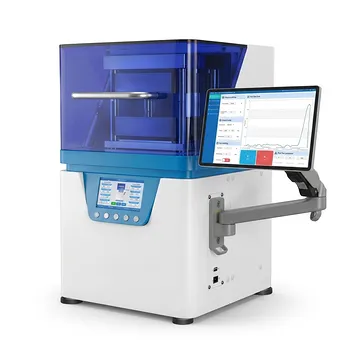
Hydraulic presses are the industry standard for operations requiring the application of massive, controlled force. In industrial settings, they are primarily utilized for high-pressure tasks such as crushing cars for recycling, facilitating powder metallurgy, and enabling the precise preparation of composite materials and ceramics.
By leveraging fluid mechanics to amplify force, hydraulic presses provide the sheer power necessary to reshape heavy metals, compact waste, and fuse particulate materials, far exceeding the capabilities of mechanical or pneumatic alternatives.
High-Pressure Compaction and Synthesis
The ability to compress materials into dense forms is a defining characteristic of hydraulic technology. This capability is applied to both waste management and the creation of new materials.
Waste Reduction and Recycling
A primary application in heavy industry is scrap baling. Hydraulic presses crush large metal objects, such as automobiles, into compact bales for easier transport and storage.
Powder Metallurgy
In precision manufacturing, presses are used for powder compacting. This involves compressing powdered metals or other materials into specific, solid shapes, often as a precursor to sintering.
Ceramic and Composite Manufacturing
These machines are critical for producing ceramics, such as bricks and tiles, often compacting them at room temperature. They are also used to compress and mold composite materials into rigid structures for aerospace and automotive uses.
Metal Forming and Fabrication
Beyond simple compaction, hydraulic presses are versatile tools for shaping solid metals. They allow manufacturers to alter the geometry of workpieces with high precision.
Forging and Stamping
Hydraulic presses are extensively used for forging, where metal billets are shaped under compressive force. They also handle stamping and punching operations to create specific components, such as automobile parts.
Deep Drawing and Bending
For creating complex shapes, these presses perform deep drawing and bending. They can straighten warped metal workpieces or flatten materials to meet strict dimensional tolerances.
Specialized Assembly (Clinching)
In assembly lines, presses are used for clinching and press-fitting. This involves forcing components together—such as gears onto shafts—creating a tight mechanical bond without fasteners.
Specialized and Laboratory Applications
Hydraulic power is scalable, making it useful for niche industrial tasks and rigorous testing environments.
Material Testing
In construction and engineering, hydraulic presses are used to test concrete compression and tensile strength. They apply controlled stress to materials to verify durability limits before real-world deployment.
Unique Industrial Processes
The versatility of these machines extends to specialized sectors, such as sword-making or even the food industry. For example, hydraulic presses are used to extract liquids to produce fat-free cocoa powder.
Understanding the Trade-offs
While hydraulic presses offer unmatched power, it is important to understand where they fit compared to other systems.
Hydraulic vs. Pneumatic Systems
The primary trade-off is between force and speed. Hydraulic systems can apply pressures in the range of 10,000 psi, whereas pneumatic systems typically operate around 100 psi.
Application Suitability
Because of this immense power difference, hydraulic presses are the only viable choice for heavy-duty forming and compacting. However, for lighter, faster, or cleaner tasks, a pneumatic system might be preferred to avoid the complexities of hydraulic fluid management.
Making the Right Choice for Your Goal
Hydraulic presses are tools of immense utility, but their application depends entirely on the material constraints you face.
- If your primary focus is recycling and waste management: You need a press capable of scrap baling to efficiently crush high-volume items like cars into manageable forms.
- If your primary focus is precision component manufacturing: You should utilize the press for powder metallurgy or metal forming to create complex parts for automotive or aerospace sectors.
- If your primary focus is quality control: You require a press configured for material testing to rigorously assess tensile strength and durability under load.
Ultimately, the hydraulic press is the definitive tool when your process demands the application of force that is both massive in scale and precise in delivery.
Summary Table:
| Industrial Category | Common Applications | Key Benefits |
|---|---|---|
| Recycling & Waste | Scrap metal baling, car crushing | Efficient transport and high-volume reduction |
| Manufacturing | Powder metallurgy, ceramic molding, composites | Precise compaction and density control |
| Metal Fabrication | Forging, stamping, deep drawing, clinching | Versatile geometry shaping and assembly |
| Quality Control | Concrete compression, tensile strength testing | Verifiable material durability and safety |
| Niche Processes | Cocoa powder extraction, specialized forging | High-pressure liquid/solid separation |
Elevate Your Laboratory and Industrial Efficiency with KINTEK
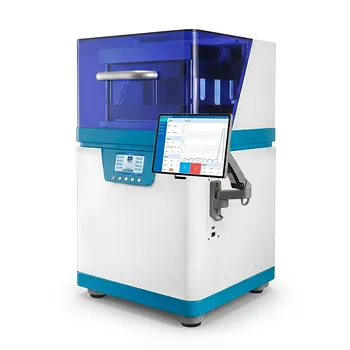
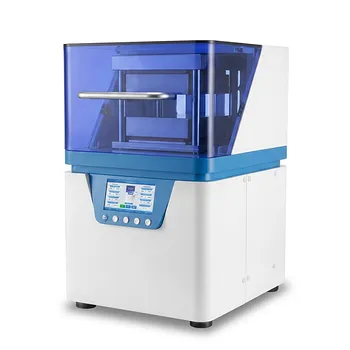
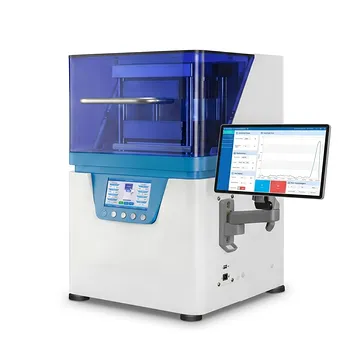
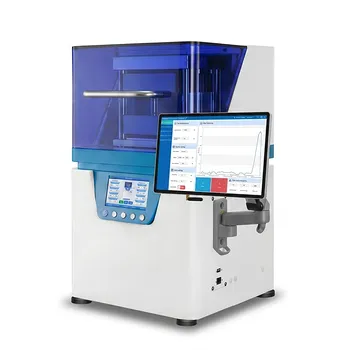
Are you looking to achieve superior results in material research or industrial manufacturing? KINTEK specializes in providing comprehensive laboratory pressing solutions tailored to your specific needs. From manual and automatic models to heated, multifunctional, and glovebox-compatible systems, our technology ensures maximum precision and power.
Whether you are advancing battery research or requiring specialized cold and warm isostatic presses, our experts are here to help you select the ideal equipment to drive your projects forward.
Ready to optimize your workflow? Contact KINTEK today to discover how our high-pressure solutions can transform your lab or facility's capabilities.
Related Products
- Automatic Hydraulic Hot Press with Large Plate and Precision Temperature Control for Advanced Material Sample Preparation and Industrial Research
- Automatic Hydraulic Heat Press Machine with Multi Stage Programmable Control and Integrated Water Cooling Plate Size 180x180mm
- Automatic High Temperature Heated Hydraulic Press Machine with Heated Plates for Lab
- Automatic Heated Hydraulic Lab Press with Programmable Touch Screen Controls and Precision Temperature Regulation
- Manual Heated Hydraulic Lab Press with Integrated Hot Plates Hydraulic Press Machine
People Also Ask
- What are the specific features and applications of hydraulic hot press machines? Precision Solutions for Modern Labs
- How does an automatic hydraulic press operate? Achieve Precision and Consistency in Lab Pelleting
- What are the advantages and common applications of an automatic hydraulic press? Elevate Your Lab's Precision
- What is the technical significance of setting a precise dwell time? Achieve Peak Material Density and Stability
- When is an automatic hydraulic press more suitable than a manual press? Scale Your Lab with Precision & Speed