All Questions
How Do Battery Testing Systems Help Evaluate The Efficiency And Performance Of Non-Dissipative Active Balancing Versus Passive Dissipative Balancing Topologies?
Battery testing systems compare active vs passive balancing by measuring energy efficiency, speed, thermal impact, and capacity utilization.
What Are The Characteristic Discharge Voltage Regions Of A Lithium-Sulfur Cell, And How Are These Regions Monitored During Battery Test Evaluations?
Learn about the four discharge voltage regions of Li-S cells and how battery test systems monitor them for accurate evaluation.
How Is The Ionic Transference Number Of A Solid Electrolyte Material Determined Using Dc Open-Circuit Potential (Ocp) Methods In Battery Testing Systems? Measure Accurately With Our Advanced Systems
Learn the DC OCP method for ionic transference number determination, and see how our equipment ensures accurate results.
What Operational Precautions Must Be Controlled During Dc Asymmetric Polarization (Hebb-Wagner) Measurements When Evaluating Solid Electrolytes Using Cell Testing Fixtures? Control Voltage, Electrodes, Geometry, Atmosphere, And Equilibration To Ensure Accurate Electronic Conductivity.
Learn key operational controls for Hebb-Wagner measurements: voltage limits, electrode stability, steady-state current, and fixture integrity.
How Does Reference Electrode Potential Affect Electronic Leakage Current In Solid Electrolytes? Key Insights For Accurate Battery Testing.
Learn how reference electrode potential influences electronic leakage current measurements in solid electrolytes, affecting accuracy and interpretation.
Why Is The Iu Charging Method Preferred Over W-Type Charging When Evaluating Valve-Regulated Lead-Acid (Vrla) Batteries In Battery Testing Applications? Achieve Controlled, Repeatable, And Safe Charging For Accurate Results
Discover why IU charging is preferred for VRLA battery testing: controlled current/voltage, reduced overcharge, and better repeatability.
What Are The Technical Definitions Of Different Electric Vehicle Powertrains (Hevs, Phevs, Bevs, Erevs, And Fcevs), And What Laboratory Equipment Is Required To Support Battery Cell R&D For These Applications?
Discover the technical definitions of EV powertrains and the essential lab equipment for battery cell R&D, including mixers, coaters, presses, and testers.
How Is The Diffusion-Limited Steady-State Current Defined For Micro-Scale Electrodes, And What Advantage Does It Offer In Battery R&D And Materials Testing Systems? Discover The Key Benefits.
Learn the definition and advantages of diffusion-limited steady-state current at microelectrodes for battery and materials research.
What Is The Maximum Scan Rate To Maintain Steady-State Linear Sweep Voltammetry? Minimize Transient Interference With The Diffusion-Based Limit
Find the maximum scan rate for steady-state LSV using the diffusion-renewal time, ensuring minimal transient interference in your electrochemical measurements.
How Does Substrate Interrogation Secm (Si-Secm) Aid Battery Scientists In Characterizing Surface-Bound Reactive Species During Electrode Material Research?
Discover how SI-SECM quantifies reactive surface species, enabling precise analysis of electrode stability and interphase dynamics.
What Is The Significance Of Ion-Sensitive Secm And Competition Modes When Evaluating Local Reaction Kinetics In Battery Testing Systems?
Discover how ion-sensitive SECM and redox competition modes map local reaction kinetics and ionic transport in batteries.
How Can Secm Feedback Mode Assist Battery R&D Researchers In Evaluating Sei Formation On Anode Materials? Discover In Situ Mapping Insights For Better Interphase Design.
Learn how SECM feedback mode reveals SEI formation, passivation, and uniformity on anodes to optimize battery performance.
What Mechanisms Enhance The Orr Performance Of Transition Metal Oxide Catalysts In Metal-Air Batteries, And How Does Cell Fabrication Equipment Assist In Testing These Materials?
Learn how oxygen vacancies, doping, and cell fabrication equipment boost ORR performance in metal-air batteries.
How Does The Three-Stage Iuia Charging Protocol Function In Battery Testing Equipment, And What Current Ratings Yield The Best Efficiency? Discover Optimal Charging Strategies For Your Lab.
Learn how IUIa charging works and why 25 A/100 Ah is economical while 40 A/100 Ah minimizes charging time.
How Do Cable Resistance And Thermal Dimensioning Affect W-Characteristic Battery Testing? Optimize Setup For Accuracy And Reliability.
Learn how cable resistance and thermal dimensioning impact battery testing with W-characteristic profiles. Optimize setup for accuracy and reliability.
What Determines The Steady-State Diffusion-Limited Current At A Spherical Microelectrode During Electroanalytical Testing With A Potentiostat? Key Factors And Measurement Insights
Learn how electron count, diffusion, concentration, and radius dictate limiting current at spherical microelectrodes.
How Does An Automated Potentiostat Maintain Potential Control? Accurate We Potential Via Feedback & Ce Current
Learn how a potentiostat's feedback loop controls working electrode potential in three-electrode cells, ensuring accurate measurements.
How Do Open-Loop And Closed-Loop Hall Effect Current Sensors Compare In Accuracy, Bandwidth, And Stability For Battery Systems?
Discover the differences in accuracy, bandwidth, and environmental stability between open-loop and closed-loop Hall sensors for battery management.
How Can Battery R&D Researchers Measure Minority Electronic Conductivity In Solid-State Electrolytes Using The Hebb-Wagner Asymmetric Polarization Technique? Learn The Step-By-Step Method, Key Equations, And Practical Tips For Accurate Results.
Learn how to measure minority electronic conductivity in solid-state electrolytes using the Hebb-Wagner technique. Step-by-step method, key equations, and practical tips.
How Do Laboratory Battery Testing Systems Evaluate The Ionic Transference Number? Master The Key Methods For Accurate Measurement.
Learn how lab systems measure ionic transference number in mixed conductors using OCP, impedance, and pulse methods, ensuring accurate battery material evaluation.
Why Is Graphene Co-Modification Superior To Conventional Carbon Additives For Low-Conductivity Cathode Materials Like Lifepo4? Boost High-Rate Performance With A Continuous Conductive Network.
Discover how graphene co-modification creates a superior conductive network for LiFePO4 cathodes, enhancing high-rate performance and cycle life.
Why Is Cell Consistency Critical In Series-Connected Battery Packs, And How Do Precision Cell Fabrication Tools Help Address Voltage Drift?
Learn how precision fabrication tools minimize voltage drift in series packs by ensuring uniform electrodes and consistent resistance.
How Does Combining Supercapacitors With Lithium-Ion Batteries Improve Energy Storage Performance In Electric Vehicles? Discover Hybrid Storage Benefits And Lab Testing Needs.
Learn how hybrid supercapacitor-battery systems enhance EV performance, reduce battery stress, and what lab equipment is needed for research.
How Can Steady-State Laplace Diffusion Concepts (∇²C = 0) Be Applied To Evaluate Solid-State Electrolyte Pellets? Master One-Dimensional Ionic Transport In Pressed Pellets
Learn how Laplace diffusion theory applies to pressed electrolyte pellets for reliable ionic conductivity and flux measurements.
Why Is An Integrated Afe Preferred For Cell Voltage Measurement? Achieve Accurate, Efficient Multi-Cell Battery Management.
Learn how integrated AFE architecture improves measurement integrity, simplifies design, reduces cost, and enhances safety in battery systems.
What Are The Key Trade-Offs Between Thermocouples, Rtds, Thermistors, And Digital Temperature Sensors For Battery Pack R&D And Testing? Choose The Right Sensor For Accurate Thermal Monitoring.
Compare thermocouples, RTDs, thermistors, and digital sensors for battery testing. Learn key trade-offs in accuracy, response, and scalability to make an informed choice.
What Role Do Precision Cell Assembly Tools And Testing Systems Play In Evaluating Separator Integrity And Interfacial Degradation Mechanisms? Precision Assembly And Controlled Cycling Are Key To Reliable Secm Analysis.
Learn how precision assembly and battery testing ensure accurate SECM evaluation of separator integrity and interfacial degradation mechanisms.
Why Must Il-Based Electrolytes Be Handled In Dry Environments? Achieve Reliable Results With Controlled Processing
Discover why ionic liquid electrolytes require dry rooms or glove boxes to prevent moisture contamination and ensure electrochemical stability.
What Electrolyte And Membrane Stability Challenges Affect Metal-Air Batteries? Solutions With R&D Equipment
Discover metal-air battery degradation causes and how lab equipment improves electrolyte, membrane, and electrode stability.
Why Is A Cccv Charging Protocol Used For Natural Graphite Cathodes In Aluminum-Ion Cells? Optimize Performance With Lab Test Systems
Discover why CCCV charging boosts capacity in aluminum-ion cells and how lab battery test systems enable optimization.
What Are The Gassing Voltage Thresholds For Various Cell Chemistries, And Why Must Battery R&D Testing Systems Monitor These Levels?
Discover gassing voltage thresholds for lead-acid, NiCd, NiFe, and lithium batteries, and why precise monitoring is crucial for safe R&D testing.
How Are Nominal Capacity Ratings (C5, C10, C20) Defined Across Different Cell Applications, And How Do Battery Testing Systems Use These Values To Determine Appropriate Charging Currents?
Learn how C5, C10, C20 ratings define battery capacity and how testing systems use them to calculate charging currents.
How Can Electrochemical Researchers Estimate The Diffusion Layer Thickness Near An Electrode? Optimize Test Parameters With Diffusion Length Calculations
Learn to estimate diffusion layer thickness using (2Dt)^1/2 and set optimal pulse, scan rates, and renewal periods for reliable electrochemical tests.
What Are The Key Advantages And Potential Drawbacks Of Using A Supporting Electrolyte In Electrochemical Cell Testing And Analytical Measurements? Optimize Your Electrochemistry Accuracy
Discover how supporting electrolytes improve conductivity and reduce migration, plus the trade-offs to consider for reliable electrochemical measurements.
What Are The Primary Operational Characteristics And Design Considerations When Utilizing Thermocouples For Battery Pack Temperature Monitoring? Key Factors For Accurate And Reliable Measurement
Learn about thermocouple operation, cold-junction compensation, signal conditioning, installation, and trade-offs for effective battery pack temperature monitoring.
How Does A Distributed Voltage Measurement Architecture Improve Data Acquisition Accuracy And Anti-Interference In Battery Testing Systems?
Learn how distributed voltage measurement enhances accuracy and reduces noise in battery testing systems.
What Operational And Electrical Parameter Differences Between Lead-Acid And Nickel-Cadmium (Nicd) Chemistries Must Be Accounted For When Using Laboratory Battery Testing Systems And Cell Assembly Equipment? Key Considerations For Accurate Testing And Assembly
Learn the critical electrical and operational differences between lead-acid and NiCd batteries for laboratory testing and assembly, ensuring safety and accuracy.
How Do Lithium Salt Properties And Polymer Matrix Interactions Affect Ion Conduction In Pan-Based Solid Electrolytes For Solid-State Battery Development? Optimize Conductivity And Stability.
Discover how salt choice and PAN interactions impact ion conduction. Balance conductivity, mechanics, and stability for better solid-state batteries.
What Are The Fundamental Discharge Reaction Mechanisms And Key Components Of Aluminum-Air (Al-Air) Batteries, And How Do They Impact Laboratory Testing Setups?
Discover Al-air battery discharge chemistry, key components, and how they influence lab testing setups for reliable results.
What Role Do Oxygen-Ion Conducting Ceramic Electrolytes Play In High-Temperature Metal-Air Batteries? How Pressing Supports Fabrication
Learn how oxygen-ion ceramic electrolytes enable high-temp metal-air batteries and why lab powder pressing is vital for their fabrication.
How Do Battery Testing Systems Help Evaluate The Benefits Of Hybridizing Lithium-Ion Batteries With Supercapacitors Under Peak Power Demand? Discover The Key Metrics And Testing Methods.
Learn how battery testing systems quantify the benefits of hybridizing Li-ion batteries with supercapacitors under peak power demand, including key metrics and methods.
What Key Parameters Must Be Evaluated Using Battery Testing Systems During Hybrid Energy Storage R&D To Prevent Cell Imbalance And Capacity Degradation? Key Metrics For Reliable Hybrid Storage
Learn the essential battery testing parameters to prevent cell imbalance and capacity fade in hybrid energy storage R&D, from voltage to temperature.
Why Is Controlled Laboratory Cell Assembly Critical When Evaluating Sei Formation And C-Rate Capability In Battery Testing Systems?
Discover why controlled assembly is key to accurate SEI formation and C-rate capability testing in batteries.
What Advantages Do Solid-State Electrolytes Offer In Preventing Anode Corrosion In Metal–Sulfur Batteries? Achieve Superior Protection With Precision Powder Pressing
Solid-state electrolytes block polysulfide shuttle and enable selective ion transport, reducing corrosion. Learn about required powder processing equipment.
What Is The Distinction Between Chemical And Electrolytic Stability Windows In Solid-State Batteries? Master Material Selection For Reliable Cell Development.
Learn the key difference between chemical and electrolytic stability windows and how they guide solid-state battery material selection.
How Do Organic-Inorganic Composite Single-Ion Conductor Electrolytes Enhance Solid-State Lithium Battery Performance? Key Processing Steps For Lab Fabrication
Discover how composite solid electrolytes boost lithium battery performance and which lab fabrication steps are critical for success.
What Electrolyte Degradation Mechanisms And Environmental Factors Must Be Managed During Nonaqueous Metal-Air Cell Testing And Assembly? Key Insights For Reliable Testing
Learn to control electrolyte oxidation, moisture, CO2, and more to ensure reliable nonaqueous metal-air cell testing and assembly.
What Are The Key Trade-Offs Between Centralized And Distributed Bms Architectures For Modular Battery Packs?
Explore centralized vs distributed BMS: scalability, wiring, testing, and modular assembly trade-offs for efficient battery pack design.
How Do Gas-Tight Nicd Accumulators Compare To Valve-Regulated Lead-Acid Cells For Low-To-Medium Power? Discover Which Battery Excels In Cycle Life, Self-Discharge, And Temperature.
Compare NiCd vs VRLA: cycle life, self-discharge, and temperature. Ideal for low-to-medium power applications.
Why Is Hierarchical Pore Structure Engineering Critical For Mof-Derived Carbon Cathodes In Li-S Battery R&D? Optimize Your Cathode Design Today
Discover the key role of pore hierarchy in MOF-derived carbon cathodes for Li-S batteries, and learn essential processing tips to enhance performance.
What Key Parameters Must A Battery Testing System Evaluate To Comprehensively Assess Battery Pack Consistency And Optimize Equalization Strategies? Discover The Four Core Metrics For Effective Battery Management.
Learn the essential parameters for battery testing: DC internal resistance, polarization, capacity, and SOC, to ensure pack consistency and optimize equalization.
How Does The Thermodynamic Electrochemical Stability Window Of Solid Electrolyte Materials Affect Battery Operating Limits, And What Laboratory Equipment Is Required To Test These Properties During Solid-State Battery R&D? Unlock The Full Potential Of Your Solid-State Battery Research With The Right Stability Testing Equipment.
Learn how the thermodynamic stability window defines voltage limits and discover essential lab equipment for solid-state electrolyte testing.
How Should Physical Splitting Effects Be Addressed In Peak Fitting For Battery R&D? Master Spin-Orbit And Multiplet Constraints.
Learn to fit spin-orbit doublets and multiplet envelopes correctly in transition-metal cathode spectra for accurate oxidation-state analysis.
Why Is Adventitious Carbon Referencing Often Unreliable For Battery Electrode Samples During Material Characterization, And What Alternatives Should Be Used? Discover Robust Calibration Methods.
Adventitious carbon referencing fails for battery electrodes due to differential charging. Learn reliable alternatives like internal references and peak separations.
How Can Researchers Prevent Sample Degradation And X-Ray Damage During Surface Characterization? Shield Your Battery Materials With Kintek
Learn how to prevent X-ray damage during battery material surface analysis. Discover strategies for sample integrity and reliable results.
What Specific Electrochemical Parameters Should Be Evaluated When Optimizing Non-Nucleophilic Borate-Based Electrolytes For Magnesium-Sulfur (Mg-S) Battery Research? Discover Key Metrics For High-Performance Mg-S Batteries
Learn essential parameters for optimizing borate electrolytes in Mg-S batteries: oxidation stability, conductivity, reversibility, and capacity retention.
What Are The Key Performance And Safety Benefits Of Incorporating Solid-State Electrolytes Into Rechargeable Metal-Sulfur Cell Assembly? Enhance Safety And Cycling Stability
Discover how solid-state electrolytes boost metal-sulfur cell performance, reduce polysulfide shuttling, and enhance safety.
What Role Do Time Constants And Frequency-Domain Wavelet Transforms Play In Battery-Supercapacitor Power Management? Optimize Hybrid Energy Storage Now
Learn how time constants and wavelet transforms allocate power for efficient battery-supercapacitor systems.
How Does Integrating A Supercapacitor Into A Hybrid Battery System Reduce Battery Current Stress And Soc Consumption? Optimize Your Battery Testing
Discover how supercapacitors reduce battery current stress and SOC consumption by 6-13% during transient loads, improving efficiency and lifespan.
What Are The Key Electrolyte And Anode Requirements For Mg-S Batteries? Discover How To Overcome Dual Compatibility Challenges For High-Performance Cells.
Learn the critical electrolyte and anode specifications for Mg-S batteries, including non-nucleophilic electrolytes and reversible Mg plating.
How Do Structural Variations In Organic Borate-Based And Electrospun Single-Ion Conductive Electrolytes Impact Lithium Dendrite Suppression, And Why Is Precise Cell Assembly Pressure Critical For Testing Them?
Explore how structure and assembly pressure impact dendrite suppression for reliable battery testing.
Why Is Terminal Voltage Difference An Unreliable Metric For Cell Consistency Evaluation During Battery Pack Testing, And How Does Comprehensive Parameter Testing Resolve This Issue?
Discover why voltage alone fails to detect cell imbalance and how multi-parameter testing improves accuracy.
How Do Ionic Charge, Transference Numbers, And Solution Resistance Influence Total Current? Master Electrochemical Testing With Our Guide
Learn how ionic charge, transference numbers, and solution resistance affect total current in electrochemical cells. Optimize your testing today.
Why Is Excess Supporting Electrolyte Added And How Does It Affect Mass Transport? Covers Diffusion Control, Migration Suppression, And Reliable Electrochemical Measurements.
Learn why excess supporting electrolyte is crucial in electrochemistry—suppresses migration, ensures diffusion control, and improves potential accuracy.
What Are The Key Trade-Offs Between Rtils And Dess For Zinc-Air Battery Testing? Balance Performance And Cost
Compare RTIL vs DES electrolytes for open zinc-air cells: viscosity, cost, hydrogen suppression, and more.
What Are The Primary Advantages Of Neutral Aqueous Electrolytes Compared To Alkaline Electrolytes In Secondary Zinc-Air Battery Research? Enhance Zinc-Air Battery Stability With Our Advanced Lab Equipment.
Neutral aqueous electrolytes offer benefits like reduced carbonation and dendrite suppression. Explore how our equipment can support your research.
How Do Mof-Derived Core-Shell Structures Mitigate Volume Expansion And Improve Electrochemical Kinetics In Sodium-Ion Battery Anodes? Discover Key Design Strategies.
Learn how MOF-derived core-shell structures buffer volume expansion and boost Na+ transport and electron conduction for durable, high-rate sodium-ion anodes.
Why Is Terminal Voltage-Based Equalization Problematic During Mid-Range Soc In Lithium-Ion Battery Pack R&D, And How Does Soc-Based Equalization Solve This Issue? Discover The Key To Efficient Balancing.
Learn why voltage-based equalization fails in mid-SOC and how SOC-based control improves pack capacity, reduces heat, and saves costs.
What Materials And Manufacturing Innovations Enhance Ni-Mh Battery Electrodes, And How Are Test Electrodes Prepared In The Lab?
Discover key materials like AB5 and AB2 alloys, surface treatments, and lab electrode preparation methods for better Ni-MH performance.
Why Is Ah Balance Critical For Battery Sizing In Renewables? Lab Cell Prototyping Ensures Reliable Performance.
Learn how Ah balance determines battery size and why lab cell prototyping validates capacity, retention, and safety.
How Should Researchers Establish A Consistent Xps Peak Model Across Multiple Battery Material Samples? Master Consistent Xps Peak Modeling For Accurate Battery Analysis.
Learn to build a uniform XPS peak model for battery materials. Get tips on constraints, stoichiometry, and depth profiling for reliable comparisons.
What Are The Primary Performance Benefits Of Integrating Supercapacitors With Batteries In A Hybrid Energy Storage System (Hess)? Learn How Battery Testing Systems Enhance Control Strategies.
Discover how supercapacitors improve HESS performance by reducing battery stress and extending life, supported by advanced battery testing systems.
What Key Electrochemical And Performance Criteria Must Be Evaluated When Designing Electrolytes For Next-Generation Metal–Sulfur Battery Research? Evaluate Ion Transport, Stability, And More.
Discover essential electrolyte evaluation criteria for metal-sulfur batteries: conductivity, stability, polysulfide control, and cell performance.
What Key Equivalent Circuit Parameters Govern Supercapacitor Behavior During Laboratory Cell Testing, And How Is State Of Voltage Evaluated?
Learn about capacitance, ESR, EPR, and SOV calculation for supercapacitor testing in the lab.
What Causes The Polysulfide Shuttle Effect In Metal-Sulfur Batteries, And How Do Laboratory Cell Assembly And Battery Testing Systems Aid In Evaluating Catalytic Solutions?
Discover the polysulfide shuttle mechanism and how lab assembly/testing tools evaluate catalysts to reduce capacity loss.
What Is The Relationship Between Exchange Current Density And Charge-Transfer Resistance? Optimize Your Electrode Processing.
Learn the inverse relationship between exchange current density and charge-transfer resistance, and how electrode processing affects them.
How Do Mass Transfer Mechanisms Driven By Electrochemical Potential Gradients Influence The Performance Evaluation Of Battery Electrodes? Unlock Accurate Electrode Analysis With Kintek
Explore how diffusion, migration, and convection affect battery electrode performance and how to separate transport limitations from true kinetics.
What Minimum Specific Energy Density Benchmark Is Required For Electric Vehicle Battery Cells? Achieve 100 Wh/Kg With Optimized Lab Fabrication
Discover the 100 Wh/kg benchmark for EV cells and how lab fabrication processes help achieve it.
How Do Solvent Donor Numbers And Trace Moisture Content Influence Discharge Product Formation And Cell Degradation During Alkali Metal-Air Battery Testing? A Guide To Controlled Na-O2 And K-O2 Experiments
Learn how solvent donor number and moisture affect Na-O2/K-O2 discharge products and degradation. Essential for accurate alkali metal-air battery testing.
What Are The Advantages Of Solid Ceramic Separators In Hybrid Sodium-Air Batteries? Boost Performance With Nasicon.
Discover how NASICON separators enhance hybrid sodium-air batteries and learn to manage catholyte chemistry for stability.
What Gas Generation Mechanisms Occur During Battery Overcharging, And How Are Cell Safety And Gas Recombination Evaluated Using Battery Testing Equipment?
Learn about gas generation during overcharge, safety evaluation, and recombination testing with battery testing equipment.
What Critical Sample Preparation Precautions Must Be Taken When Analyzing Reactive Metal Anodes? Avoid Surface Artifacts With Inert Handling
Learn key precautions for preparing lithium, sodium, or magnesium anodes to prevent oxidation and ensure accurate surface analysis.
How Do Polarization Voltage Relaxation Procedures Improve Ocv-Soc Characterization? Boost Accuracy With Controlled Rest And Fitting.
Learn how voltage relaxation methods in battery research enhance OCV-SOC accuracy by reducing polarization errors and improving measurement reliability.
Why Does Ocp Drift At Low Concentrations? Impact On Material & Cell Testing
Learn why OCP drifts at low electroactive species concentrations and its impact on material and cell testing.
How Do Overcharge And Overdischarge Mechanisms Enable Cell-Failure Tolerance, And How Are These Characteristics Evaluated Using Battery Testing Equipment?
Learn how sodium/nickel-chloride cells withstand overcharge/overdischarge and how battery testers evaluate these safety margins.
What Main Electrochemical Degradation Mechanisms Affect Calcium-Sulfur (Ca-S) Rechargeable Batteries, And What Laboratory Cell Preparation Procedures Are Critical To Evaluating Them?
Explore key degradation mechanisms in Ca-S batteries and critical lab prep procedures for accurate evaluation.
How Do Ni-Cd Cells Differ From Ni-Mh Cells? Key Lab Assembly & Testing Insights
Explore the chemical differences between Ni-Cd and Ni-MH cells, including electrode materials, performance, and critical factors for laboratory assembly and testing.
How Can Battery Laboratory Testing Protocols Eliminate Polarization Voltage And Dc Resistance Effects To Accurately Evaluate Cell Consistency? Discover Effective Methods
Learn protocols to remove polarization and DC resistance for accurate battery cell consistency testing.
Why Is Measuring Cell Terminal Voltage Difference Alone Insufficient For Battery Testing Systems To Judge Battery Pack Consistency Across Different State Of Charge (Soc) Ranges? Understand The Limitations And Improve Testing
Learn why voltage alone can't judge battery pack consistency. Explore SOC-OCV non-linearity, polarization, and advanced metrics for accurate assessment.
Why Do All-Solid-State Battery Architectures Offer Distinct Advantages For In Situ And Operando Surface Analysis During Battery Cell Testing? Explore The Benefits For Real-Time Xps.
Discover why solid-state batteries enable operando XPS, revealing interphase chemistry and oxidation states during cycling for better battery design.
What Primary Analytical Challenges Occur When Characterizing Interphase Chemistry On Graphite And Lithium Metal Anodes In Battery R&D, And How Can Testing Procedures Overcome Them?
Discover key challenges in SEI analysis and reliable testing strategies for graphite and lithium metal anodes.
When Utilizing Surface Analysis Tools Like Xps To Evaluate Sei On Battery Electrodes, Why Is Analytical Depth Critical? Ensure Accurate Depth Profiling
Understand why analytical depth is crucial in XPS for SEI analysis, and how lab processing impacts results. Achieve reliable battery research.
What Is The 'Molten Sublattice' Phenomenon In Fast Ionic Conductors Like Α-Agi, And What Implications Does It Have For Thermal And Pressure Processing In Battery Lab Workflows?
Learn about the molten sublattice effect in α-AgI and how it impacts thermal and pressure processing in battery R&D.
What Key Thermodynamic And Transport Characteristics Distinguish Fast Ionic Solid Electrolytes From Conventional Ionic Conductors, And How Do These Properties Guide Laboratory Testing And Material Compaction Requirements?
Learn how fast ionic conductors differ in conductivity, activation energy, and transport networks, and how these properties guide lab testing and compaction for accurate results.
How Do Researchers Address The Depth Limitation Of Xps When Investigating Sei Layers? Explore Depth Profiling Methods To Reveal The Full Interphase Chemistry.
Learn how sputter profiling, AR-XPS, HAXPES, and complementary techniques overcome XPS depth limits for SEI analysis.
How Can Xps Track Battery Electrode Oxidation States? Explore Redox Mechanisms And Surface Chemistry During Cycling.
Learn how XPS reveals oxidation-state shifts, charge compensation, and SEI formation in battery electrodes during charge-discharge cycles.
How Does Electronic State Overlap Dictate Oxidation And Reduction Rates At The Electrode-Electrolyte Interface During Cell Testing?
Learn how the Gerischer model links electronic state overlap to charge-transfer rates in battery testing.
How Does The Choice Of Electrode Material (Metals Vs. Semiconductors) Influence Charge-Transfer Kinetic Behavior And Rate Inversion In Electrochemical Testing Applications?
Explore how electrode materials affect charge-transfer kinetics and Marcus inversion, with practical insights for electrochemical testing.
How Do Nasicon And Garnet Electrolytes Compare For Lithium Metal? Key Differences Explained
Compare NASICON (LATP/LAGP) vs Garnet (LLZO) solid electrolytes for lithium metal anodes, focusing on interfacial stability and design implications.
Why Is Multi-Stage Mechanical Surface Polishing And Heat Treatment Necessary For Garnet-Type Solid Electrolytes Like Llzo Prior To Battery Assembly? Optimize Your Solid-State Battery Performance
Learn how polishing and heat treatment remove resistive surface layers, reduce interfacial resistance, and improve LLZO battery performance.
Related Products
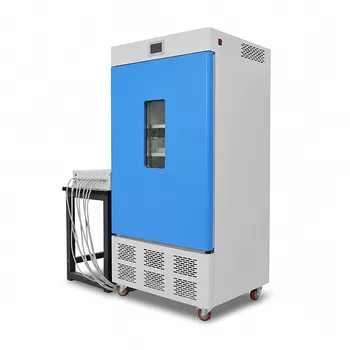
Battery Testing Temperature Control System
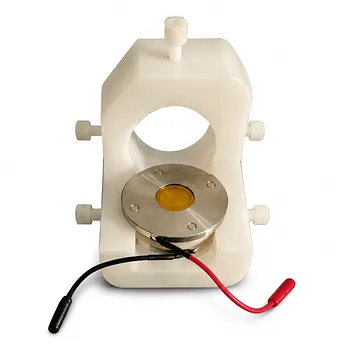
Aqueous Battery Testing Fixture for Laboratory Cell Evaluation
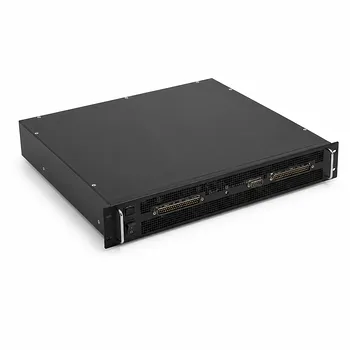
20V 10A Battery Testing Equipment
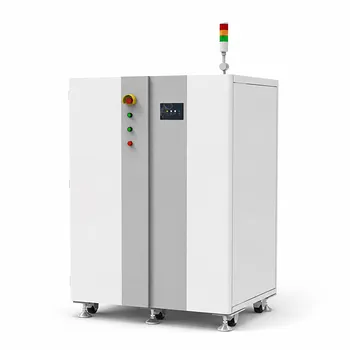
20V 10A Battery Tester Battery Testing Equipment

5V 5A Lithium Ion Battery Testing Equipment Battery Tester