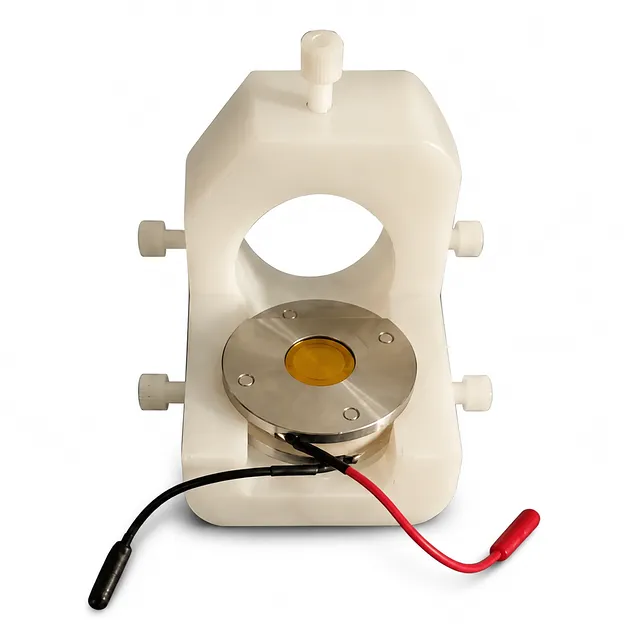
In-situ Raman Test Cell
Aqueous Battery Testing Fixture for Laboratory Cell Evaluation
Item Number : BE12
Price varies based on specs and customizations
- Maximum Battery Internal Diameter
- ≤20 mm
- Battery Thickness Range
- 0–4 mm
- Fixture Diameter
- 50 mm

Shipping:
Contact us to get shipping details Enjoy On-time Dispatch Guarantee.
Why Choose Us
Easy ordering process, quality products, and dedicated support for your business success.
Product Overview
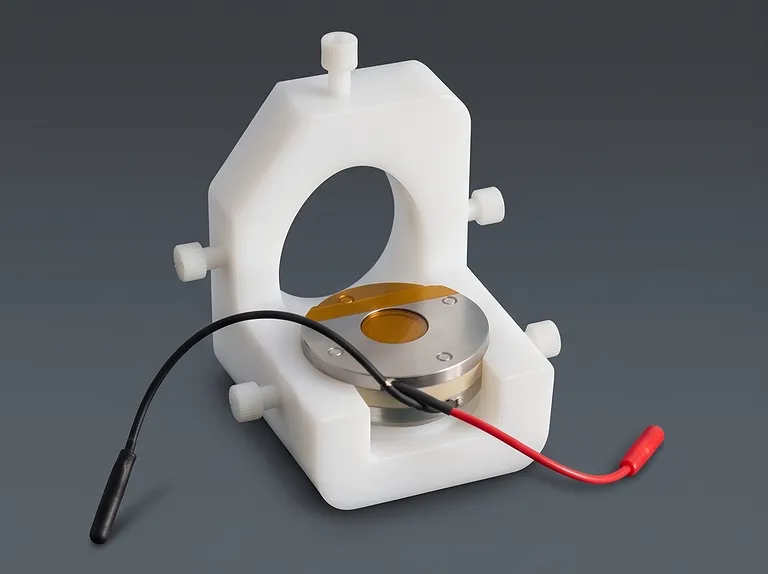
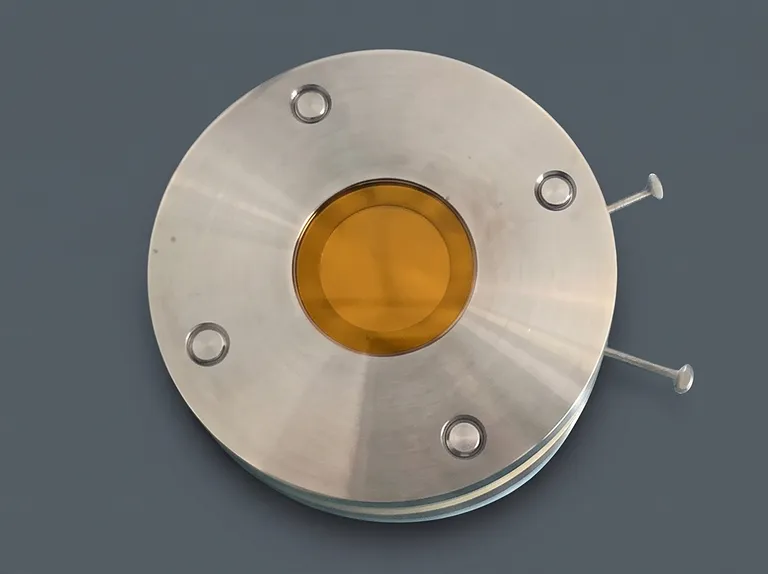
This aqueous battery testing fixture is designed to hold and position compact battery specimens during laboratory evaluation. It accommodates cells with an internal diameter of no more than 20 mm and a thickness from 0 to 4 mm. The compact clamping structure combines a 50 mm diameter fixture with a defined overall height, helping laboratories establish a repeatable interface between the specimen and the testing platform.
The unit is suited to aqueous battery research, laboratory cell screening, materials development, and electrochemical testing workflows where controlled specimen positioning is required. Its PI film window, PEEK construction, and high-purity titanium metal components provide a carefully selected material combination for demanding research environments. The design also supports flexible integration with different equipment bases when the required test height and dimensions are confirmed in advance.
A practical configuration approach makes the equipment suitable for both established testing stations and customized laboratory arrangements. Users can request a compatible base for a specific instrument model by supplying a photograph of the testing platform and the required measurements. Alternatively, a customer-supplied lifting platform can be adjusted to reach the necessary testing height.
Key Features
-
Compact Cell Accommodation: The fixture accepts battery specimens with an internal diameter of up to 20 mm and a thickness range of 0–4 mm, supporting compact aqueous battery test formats.
-
Defined Clamping Geometry: A 50 mm diameter clamp and controlled overall height provide a clear mechanical envelope for planning test-platform clearance and specimen access.
-
Functional Window Design: The window uses PI film to create a defined observation or interface area within the fixture while maintaining a compact construction suitable for laboratory testing.
-
Chemically Considered Materials: PEEK and high-purity titanium are used in the fixture construction. All metal portions are specified as high-purity titanium, while PEEK contributes an engineered polymer component to the assembly.
-
Two Height Configurations: The total height is 17.75 mm, or 13.75 mm when the insulating bottom section is removed. This gives users a practical dimensional reference when matching the fixture to a testing station.
-
Flexible Base Integration: A compatible base can be configured for different equipment types after the customer provides a testing-platform photograph and the required dimensional information.
-
Alternative Lift-Platform Arrangement: Customers may use their own lifting platform to raise the fixture to the required testing height, enabling adaptation to existing laboratory equipment.
-
Repeatable Laboratory Positioning: The defined diameter, thickness range, material construction, and height options help users establish a consistent fixture arrangement across aqueous battery evaluation tasks.
Applications
| Application | Description | Key Benefit |
|---|---|---|
| Aqueous Battery Cell Screening | Position compact aqueous battery specimens within the specified internal diameter and thickness range for laboratory evaluation. | Provides a defined mechanical interface for repeatable early-stage cell comparisons. |
| Battery Materials Research | Support research teams evaluating electrode, separator, or electrolyte combinations in small-format aqueous battery configurations. | Connects specimen handling with a compact, dimensionally controlled fixture. |
| Electrochemical Test Platform Integration | Install the fixture on a compatible testing base or adapt the setup using a lifting platform to reach the required height. | Enables practical integration with existing laboratory test stations. |
| Cell Design Verification | Use the fixture when checking the physical fit and test accessibility of compact battery structures before broader experimental campaigns. | Helps researchers identify dimensional and clearance requirements early. |
| Academic Battery Research | Provide a defined holding solution for university and institutional laboratories conducting aqueous battery experiments. | Supports flexible setup planning without requiring a single fixed instrument platform. |
| Custom Laboratory Test Development | Configure the support arrangement around a customer’s equipment after reviewing platform photographs and measured dimensions. | Simplifies application-specific adaptation for nonstandard testing environments. |
Technical Specifications
| Parameter | Specification |
|---|---|
| Product Item Number | BE12 |
| Intended test object | Battery cell |
| Maximum battery internal diameter | ≤20 mm |
| Battery thickness range | 0–4 mm |
| Fixture diameter | 50 mm |
| Total fixture height | 17.75 mm |
| Fixture height without insulating bottom | 13.75 mm |
| Window material | PI film |
| Fixture material | PEEK and high-purity titanium |
| Metal components | High-purity titanium for all metal portions |
| Base configuration | Different equipment-model bases available by contacting the supplier |
| Base configuration information required | Customer provides a photograph of the testing platform and measures the required dimensions |
| Alternative installation method | Customer may purchase a lifting platform and raise the fixture to the required testing height |
The dimensional information above should be reviewed before installation. In particular, the host platform, available clearance, required test height, and fixture support dimensions should be checked together. The total height of 17.75 mm provides the full reference dimension, while the 13.75 mm height applies when the insulating bottom section is removed. This distinction is important when determining whether the fixture can be positioned correctly within an existing test assembly.
The 20 mm maximum internal diameter and 0–4 mm thickness range define the stated battery accommodation envelope. Specimens outside these dimensions should not be assumed compatible without an engineering review. Laboratories can improve installation planning by providing a clear photograph of the target testing station along with measured mounting, clearance, and height dimensions. These details allow the support base to be considered against the actual equipment geometry rather than a generic platform assumption.
Material selection is also central to the configuration. The window is made from PI film, the polymer component is PEEK, and all metal parts are specified as high-purity titanium. These materials should be considered when planning specimen contact, insulation requirements, cleaning procedures, and compatibility with the surrounding test method. The fixture should be incorporated into the laboratory’s established operating and safety procedures for aqueous battery testing.
For laboratories that already own a lifting platform, the alternative installation method can reduce the need for a dedicated base. The lifting platform can be raised to the required test height, subject to the customer’s equipment capacity, stability requirements, and dimensional verification. Where a dedicated base is preferred, the required platform information can be reviewed before configuration.
Why Choose This Product
-
Purpose-Built Dimensional Control: The defined cell envelope, 50 mm fixture diameter, and two height references give procurement and engineering teams concrete information for compatibility review.
-
Material-Conscious Construction: PI film, PEEK, and high-purity titanium are selected according to the stated fixture design, supporting a considered approach to insulation, structural components, and metal contact surfaces.
-
Adaptable Equipment Integration: The support arrangement can be developed around different testing platforms, or the fixture can be used with a customer-provided lifting platform when the required height is confirmed.
-
Efficient Specification Review: Clear dimensional limits and installation options help laboratories assess suitability before ordering and reduce uncertainty during test-station planning.
-
Practical Research-Scale Configuration: The compact format is appropriate for aqueous battery development workflows that require controlled specimen positioning without committing to a single fixed platform arrangement.
Contact us with your testing-platform photograph and measured dimensions to request a compatible base, confirm installation requirements, or discuss a custom aqueous battery testing solution.
Trusted by Industry Leaders

REQUEST A QUOTE
Our professional team will reply to you within one business day. Please feel free to contact us!
Related Products
Manual Heating Press with Precision Temperature Control and Hydraulic Pressure
Discover our manual heating press with precise temperature control up to 300°C, hydraulic pressure up to 24 tons, water cooling, and touchscreen interface for consistent lab pressing applications including battery research and material testing. Request a quote today!
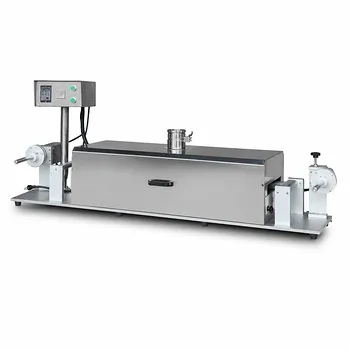
Desktop Continuous Film Coating Testing Machine for 18650 Cylindrical Batteries
Desktop continuous coating machine for lithium battery electrodes 18650 cylindrical cell research ceramic films crystal films and nanofilms offering adjustable coating width precise thickness control automatic rewinding and independent PID oven temperature regulation for university laboratories and small scale production
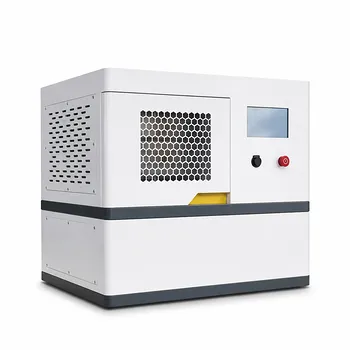
Laboratory Hydraulic Hot Press for Solid-State Battery Research
Compact benchtop hydraulic hot press for solid-state battery research, with dual heated platens, programmable touchscreen, and precise temperature control up to 300°C and 5 tons force. Ideal for electrolyte synthesis and electrode lamination, with automatic pressure holding. CE certified.
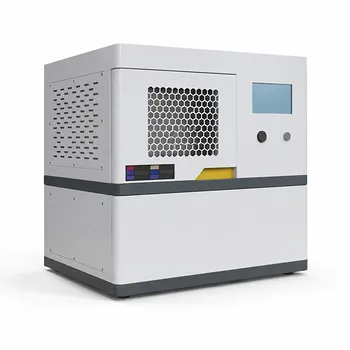
Solid State Battery Research Laboratory Hydraulic Hot Press Machine
Compact benchtop hydraulic hot press machine designed for solid-state battery research, featuring dual-zone independent heating up to 300°C, programmable pressure control with automatic replenishment, and integrated water cooling for rapid cycle times, suitable for electrolyte fabrication and electrode lamination.
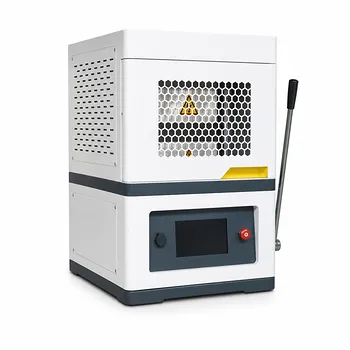
Solid State Battery Research Hydraulic Hot Press Machine
Benchtop hydraulic hot press for solid-state battery research. Precision temperature up to 300°C, 30-ton pressure, automatic holding, water cooling, touch-screen control. Ideal for electrolyte densification, electrode lamination, polymer membrane fabrication. Compact benchtop fits gloveboxes, customizable software, hardware, CE certified safety.
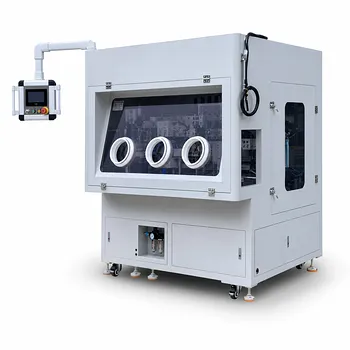
Isobaric High Precision Aluminum Shell Battery Liquid Injection Machine
Isobaric aluminum shell battery liquid injection machine for lithium battery production, supporting primary and secondary filling, vacuum pressure cycling, sealed positive pressure glovebox operation, accurate dosing, weighing, and stable high yield for demanding laboratory manufacturing workflows and advanced materials research.
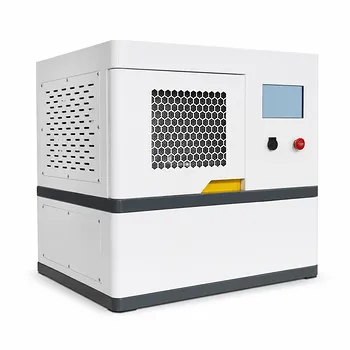
Solid State Battery Research Laboratory Hydraulic Hot Press Machine
Benchtop hydraulic hot press designed for solid-state battery research. Offers dual-platen heating to 500°C, 40-ton pressure with closed-loop control, and a 7-inch touchscreen. Supports electrolyte fabrication, electrode lamination, and polymer molding with safety shields and thermal cut-offs.
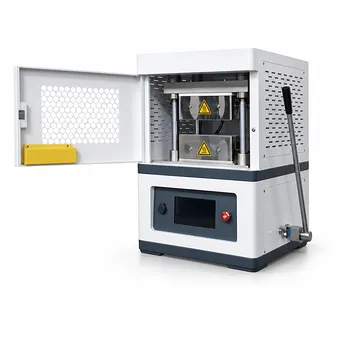
Laboratory Hydraulic Hot Press for Solid-State Battery and Polymer Electrolyte Research
Compact benchtop hydraulic hot press for solid-state battery and polymer electrolyte research with dual-zone heating, automatic pressure compensation, and active cooling system, ensuring uniform temperature up to 300°C and stable load for extended tests with CE certification and safety features.
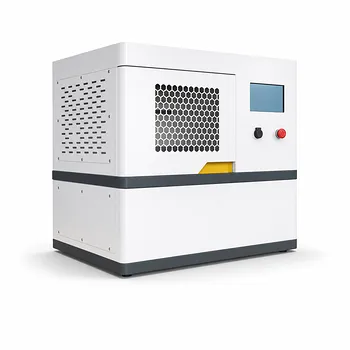
Laboratory Benchtop Hydraulic Hot Press for Solid State Battery Research
Explore the laboratory hydraulic hot press for solid-state battery research, featuring dual-platen heating, automated pressure profiling, and integrated water cooling for efficient, precise sample processing. Ideal for electrolyte pellet and membrane fabrication in a compact, glovebox-compatible benchtop design.
Laboratory Hydraulic Hot Press for Solid State Battery and MEA Fabrication
Compact laboratory hydraulic hot press with independent dual platen heating up to 300°C and programmable 50 ton pressure for solid state battery electrolyte compaction and membrane electrode assembly fabrication, featuring water cooling and safety shields, suitable for advanced material research.
Laboratory Hydraulic Hot Press Machine for Solid-State Battery Research
Compact benchtop laboratory hydraulic hot press for solid-state battery research featuring independent dual-zone heating up to 300°C, 25-ton automatic pressure control, and integrated water cooling for precise compaction of electrolytes and polymer membranes in small-footprint design ideal for R&D applications.
Solid-State Battery Laboratory Hydraulic Hot Press Machine
Precision laboratory hydraulic hot press machine for solid-state battery research; dual-platen independent heating up to 300°C, 30-ton hydraulic pressure with ±1% accuracy and automatic compensation, 7-inch touchscreen control, ideal for hot-pressing solid electrolyte sheets, polymer composites, and membrane electrode assemblies.
Solid-State Battery Laboratory Hydraulic Hot Press Machine
Precision laboratory hydraulic hot press for solid-state battery research, with dual-plate heating up to 300°C, 50-ton active pressure holding, programmable touchscreen control, and robust benchtop design, ideal for academic and industrial laboratories compacting electrolyte pellets and laminating electrodes.
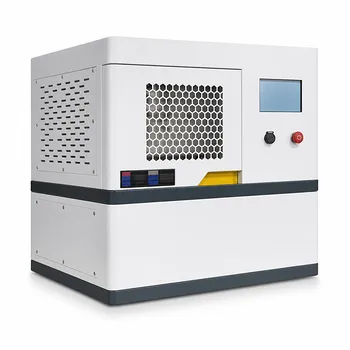
Solid-State Battery Research Laboratory Hydraulic Hot Press Machine
Designed for solid-state battery research, this laboratory hydraulic hot press features servo-driven pressurization up to 2 tons, dual-platen heating up to 300°C, programmable pressure cycles, and a 7-inch touch-screen controller for precise thermal compaction of electrolytes and electrodes.
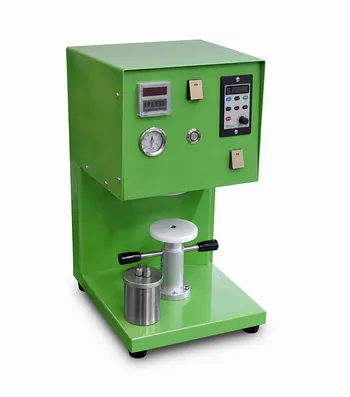
150ml Cup Vacuum Mixer With Built In Vacuum Pump For Battery Slurry Ceramic Powder Dispersion
150ml cup vacuum mixer with built-in vacuum pump for battery slurry, ceramic powder, and laboratory material dispersion, bubble-free processing, adjustable speed, programmable mixing time, compact design, and dense consistent results for demanding research and pilot-scale preparation with reliable sealing
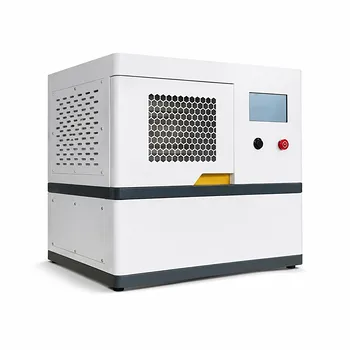
Laboratory Hydraulic Hot Press for Solid-State Battery Electrolytes and Polymer Composites
Explore advanced uniform thermal pressing for solid-state battery electrolytes and polymer composites using a laboratory hydraulic hot press featuring independent dual-platen precise PID temperature control up to 300°C, programmable pressure, and automatic force compensation for reliable consistent results.
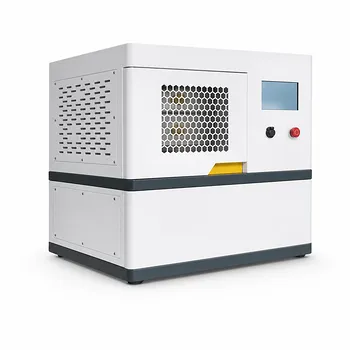
Solid-State Battery Laboratory Electric Hot Press Machine
Compact benchtop electric hot press for solid-state battery research, polymer lamination, and MEA fabrication. Features dual-plate independent heating up to 200°C, programmable pressure up to 1800 kgf. Oil-free electric servo drive ensures clean, high-repeatability pressing, integrated water cooling.

Lab Button Battery Disassembly and Sealing Mold
KINTEK's precision button battery sealing molds ensure airtight, contamination-free results for labs and production. Boost efficiency with durable, high-performance solutions.
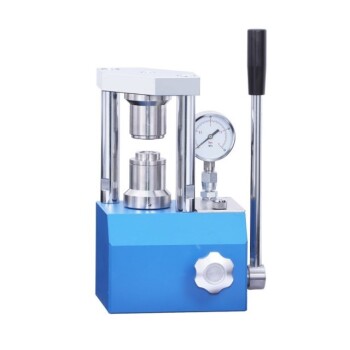
Manual Button Battery Sealing Machine for Battery Sealing
Manual Button Battery Sealer for precise, affordable lab sealing. Ideal for CR2032, LR44 batteries. Enhances safety & extends battery life. Get yours now!
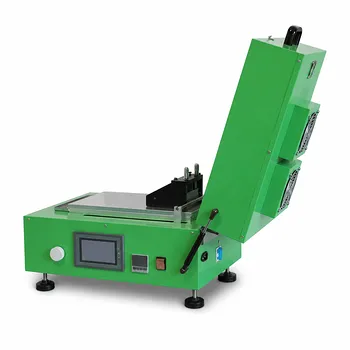
Benchtop Slot Die Flat Plate Coater Battery Laboratory Coating Machine
Precision benchtop slot die flat plate coater and battery laboratory coating machine delivers uniform films, sealed syringe feeding, vacuum fixation, adjustable speed, controlled heating, and repeatable electrode coating for advanced research lithium ion solar polymer and OLED materials research.