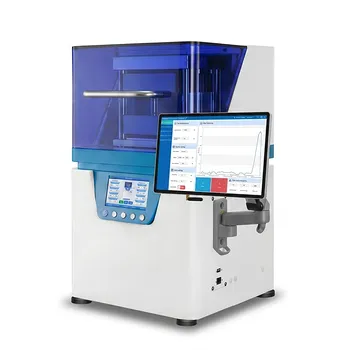
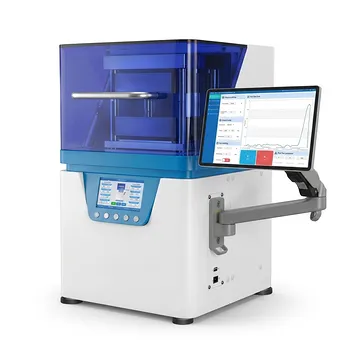
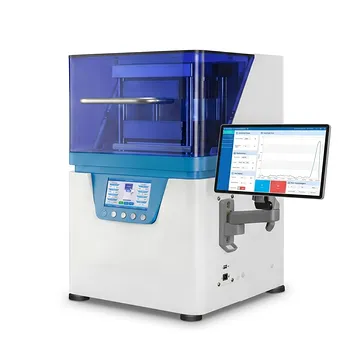
Hot press machines are fundamentally categorized by two distinct frameworks: the operational mode of the equipment and the specific pressing medium used to create the bond. Operational classifications range from thermostatic and pulse heating to specific mechanical configurations like swing-away or duplex systems. Classification by medium focuses on the bonding agent, such as tin solder, conductive tapes, or adhesive films.
Effective selection requires analyzing both the thermal delivery method and the chemical medium, as this combination determines the machine's ability to handle fine-pitch electronic components like FPCs, LCDs, and PCBs without damage.
Classification by Operational Mode
This category defines how the machine applies heat and pressure, as well as its mechanical configuration.
Thermal Control Methods
Thermostatic machines maintain a constant temperature throughout the operation. This is often used for applications requiring steady, continuous heat.
Pulse machines generate heat rapidly for a specific duration and then cool down. Dual head pulse systems utilize two heating heads, offering greater versatility for complex assembly lines.
Mechanical Configurations
Duplex machines generally feature dual workstations. This allows for higher throughput as one station can be loaded while the other presses.
Benchtop and Swing-away models describe the physical footprint and access method. Swing-away presses allow the heating element to move entirely out of the way, improving safety and access during layout.
Classification by Pressing Medium
This classification is determined by the substance used to connect the components. It dictates the machine's specific calibration and tooling.
Soldering Applications
Machines classified for Tin Solder are designed to melt standard solder alloys. These are typically used for robust mechanical and electrical connections on rigid PCBs.
Anisotropic Conductive Methods
ACF (Anisotropic Conductive Tape) machines are specialized for pressing conductive tape. This is critical for connecting fine-pitch components like Liquid Crystal Displays (LCDs) to circuit boards.
ACP (Anisotropic Conductive Glue) machines function similarly but are calibrated for liquid or paste-based conductive adhesives rather than tape.
Adhesive Film Methods
TBF (Hot Melt Adhesive Film) machines utilize a thermal bonding film. This method is often employed when a strong mechanical bond is required without the specific conductivity needs of ACF.
Critical Considerations in Selection
Choosing the right machine involves understanding the interaction between the component and the operational mode.
Precision vs. Throughput
While a Duplex machine increases manufacturing speed, it adds mechanical complexity. Conversely, a standard Benchtop unit offers simplicity but may limit volume.
Material Compatibility
Using the wrong classification for the medium can lead to component failure. For example, ACF and HSC (Zebra Paper) require precise pressure and temperature profiles that a standard tin solder machine cannot provide.
The Challenge of Fine Electronics
As electronic components become smaller, the margin for error shrinks. A machine must be specifically classified to handle the delicate nature of FPC (Flexible Circuit Boards) and TAB (Tape Automated Bonding) to prevent thermal damage during the press.
Making the Right Choice for Your Goal
To select the correct hot press machine, you must work backward from your specific assembly requirements.
- If your primary focus is connecting fine-pitch LCDs or FPCs: Prioritize machines classified for ACF or Pulse operation to ensure precise thermal management without damaging delicate traces.
- If your primary focus is high-volume production: Look for Duplex or Dual Head operational modes to maximize operator efficiency and throughput.
- If your primary focus is rigid, high-strength electrical bonds: Select a machine classified for Tin Solder, as this provides the most robust mechanical connection for standard PCBs.
Success in hot pressing lies in matching the machine's operational class strictly to the limitations of your connecting medium.
Summary Table:
| Classification Category | Sub-types / Methods | Primary Applications |
|---|---|---|
| Operational Mode | Thermostatic, Pulse, Dual Head | Continuous heat or rapid cooling for complex assemblies |
| Mechanical Design | Duplex, Benchtop, Swing-away | High-throughput production and workspace safety |
| Pressing Medium | Tin Solder, ACF, ACP, TBF | Rigid PCBs, LCD connections, and conductive adhesives |
| Component Focus | FPC, TAB, Zebra Paper | Fine-pitch electronics and flexible circuit bonding |
Elevate Your Laboratory Precision with KINTEK
Optimize your material research and assembly with KINTEK’s industry-leading pressing technology. As specialists in comprehensive laboratory pressing solutions, we offer a diverse range of manual, automatic, heated, multifunctional, and glovebox-compatible models, alongside advanced cold and warm isostatic presses specifically designed for high-performance battery research.
Whether you are bonding delicate fine-pitch electronics or requiring robust mechanical connections, our experts are here to help you select the perfect equipment for your specific application. Contact us today to find your ideal pressing solution and see how KINTEK can enhance your lab's efficiency and results.
Related Products
- Automatic Hydraulic Heat Press Machine with Multi Stage Programmable Control and Integrated Water Cooling Plate Size 180x180mm
- Heated Hydraulic Press Machine with Heated Plates for Vacuum Box Laboratory Hot Press
- Automatic High Temperature Heated Hydraulic Press Machine with Heated Plates for Lab
- Automatic Heated Hydraulic Press Machine with Hot Plates for Laboratory
- Laboratory Split Manual Heated Hydraulic Press Machine with Hot Plates
People Also Ask
- How does a laboratory hydraulic heat press facilitate the molding of cellulose composite specimens? Precision Molding
- How is a hydraulic heat press used for sample preparation? Achieve Uniform, Void-Free Samples for Lab Analysis
- What is the role of a hydraulic heat press in material testing? Unlock Superior Data for Research & QC
- What is a hydraulic heat press? Discover Precision Material Bonding and Sample Preparation
- What are the industrial applications of a hydraulic heat press? Powering Lamination, Bonding, and R&D Efficiency