Battery sealing equipment acts as the primary containment system for a pouch cell’s volatile internal chemistry. By utilizing high-precision heat or pressure, devices like vacuum pre-sealers hermetically seal the aluminum-plastic film edges to prevent ionic liquid leakage and block the ingress of air. This isolation is the fundamental requirement for preventing fire or explosion, particularly if the cell is subjected to physical abuse like cutting, folding, or impact.
Core Takeaway Sealing equipment provides the "hardware guarantee" for battery safety by isolating the electrolyte from the environment and creating uniform internal pressure. This dual function prevents chemical degradation and lowers internal electrical resistance, ensuring the cell remains stable even under high-current cycling or mechanical deformation.
The Critical Role of Chemical Isolation
Preventing Electrolyte Leakage
The most immediate function of sealing equipment is to contain the ionic liquid electrolyte. A compromised seal allows this conductive fluid to escape, which not only destroys the battery's capacity but creates an immediate chemical hazard and potential short-circuit risk in the powered device.
Blocking Environmental Ingress
Sealers must prevent the infiltration of external air and moisture. Moisture is particularly dangerous in lithium-based systems, as it reacts with electrode materials to degrade performance and generate gas. This gas buildup leads to swelling (bloating), which destabilizes the cell and increases the risk of rupture.
Ensuring Safety During Physical Damage
A robust seal is vital during physical damage tests, such as cutting or folding. The primary reference notes that maintaining the tightness of the film edges preserves the integrity of the internal chemical environment. This containment prevents the rapid reaction of internal components with the outside atmosphere, significantly reducing the likelihood of fire or explosion during accidents.
Enhancing Electrical Safety via Pressure
Reducing Interfacial Impedance
Beyond containment, sealing equipment (and associated presses) applies precise, uniform pressure to the cell stack. This forces the cathode, separator, and anode into tight interfacial contact. As noted in the supplementary data, this physical compression reduces ohmic internal resistance, preventing the heat generation associated with loose connections.
Preventing Polarization Risks
Poor contact between layers leads to increased polarization during high-current cycling. Polarization causes voltage drops and localized heating, which can push the battery into unstable operating conditions. By ensuring tight contact, the sealing process enables the cell to stably output high capacity without entering these dangerous thermal states.
Stabilizing High-Rate Performance
The "hardware guarantee" of stable pressure allows the battery to perform safely across broad temperature ranges. Consistent pressure prevents the delamination of layers that can occur during thermal expansion and contraction, ensuring the battery remains electrically stable over its lifespan.
Mechanical Integrity and Flexibility
Adhesion in Flexible Designs
For flexible pouch cells, the sealing process usually involves a controlled thermal pressing stage. This enhances the adhesion between the flexible electrolyte and electrode layers. Without this bond, bending or mechanical deformation would cause the layers to separate, leading to immediate failure or internal shorting.
Vacuum Sealing for Reactive Materials
Vacuum sealers remove gas pockets before the final seal is made. This is critical for protecting highly reactive materials, such as lithium metal, from oxidation. By removing oxygen and moisture before the seal is set, the equipment prevents the premature degradation of the anode, ensuring long-term structural and chemical safety.
Common Pitfalls in the Sealing Process
The Risk of Over-Compression
While pressure is necessary for low resistance, excessive pressure during sealing or lamination can damage the separator. This can cause micro-shorts between the anode and cathode, leading to slow self-discharge or immediate thermal runaway.
Inconsistent Temperature Application
If the heating element in the sealer applies uneven temperature, the polymer sealant layers may not bond uniformly. This creates "weak spots" in the seal that may initially pass inspection but will fail under the internal pressure generated by normal gas evolution during cycling.
Vacuum Failures
Insufficient vacuum levels during the final seal leave residual gas pockets inside the pouch. These pockets disrupt the uniformity of the ion flow and create dead zones on the electrode, leading to uneven plating (dendrites) and potential punctures of the separator.
Making the Right Choice for Your Goal
To ensure the safety and longevity of your pouch cells, select equipment and parameters based on your specific requirements:
- If your primary focus is Abuse Tolerance: Prioritize equipment with high-precision heat control to ensure the edge seals are robust enough to withstand cutting or impact without rupturing.
- If your primary focus is High-Rate Performance: Focus on lamination and pressing equipment that delivers uniform, high-pressure compression to minimize contact resistance and polarization.
- If your primary focus is Flexible/Wearable Tech: Ensure your process includes controlled thermal pressing to maximize layer adhesion, preventing delamination during bending.
The safety of a pouch cell is effectively determined before it is ever charged, defined by the precision and integrity of the sealing process.
Summary Table:
| Function | Key Mechanism | Safety Benefit |
|---|---|---|
| Chemical Isolation | Hermetic heat/vacuum sealing | Prevents electrolyte leakage and blocks moisture/air ingress. |
| Pressure Control | Uniform physical compression | Lowers internal resistance and prevents localized overheating. |
| Mechanical Bonding | Thermal pressing/adhesion | Prevents layer delamination during bending or physical abuse. |
| Atmosphere Control | Vacuum extraction | Eliminates gas pockets to prevent oxidation and dendrite growth. |
Elevate Your Battery Research with KINTEK Precision
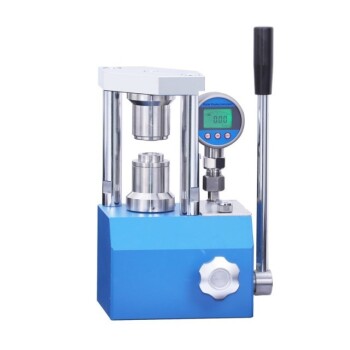
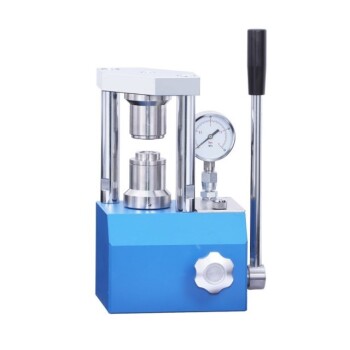
Ensure the structural integrity and safety of your pouch cells with KINTEK’s specialized laboratory pressing solutions. From high-precision manual and automatic sealers to advanced heated, multifunctional, and glovebox-compatible models, we provide the 'hardware guarantee' your research demands. Whether you are developing high-rate batteries or flexible wearable tech, our cold and warm isostatic presses deliver the uniform pressure needed to minimize resistance and prevent thermal runaway.
Ready to optimize your battery assembly process? Contact our specialists today to find the perfect solution for your lab!
References
- Yupu Chen. MOF-Based Solid-State Batteries: An Ideal Choice for High Safety and Environmental Protection. DOI: 10.54691/sepdt462
This article is also based on technical information from Kintek Solution Knowledge Base .
Related Products
- Button Battery Sealing Machine for Button Batteries
- Button Battery Sealing Press Machine for Lab
- Manual Button Battery Sealing Machine for Battery Sealing
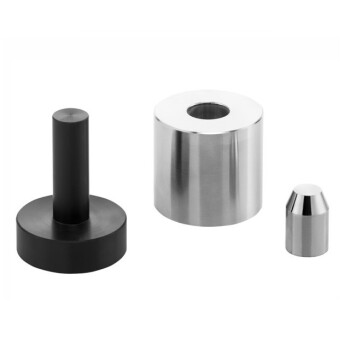
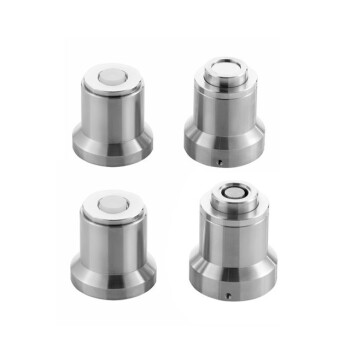
- Lab Button Battery Tablet Press Sealing Mold
- Lab Button Battery Disassembly and Sealing Mold
People Also Ask
- Why is a laboratory hydraulic press or battery sealing machine essential? Ensure Coin Cell Data Integrity
- What role does a laboratory press perform for CR2032 coin cell assembly? Ensure Precision in Battery Research
- Why is a high-pressure manual or automatic coin cell crimper required? Optimize Solid-State Battery Performance
- How does a high-precision lab press or coin cell crimper affect the performance of assembled lithium-metal batteries?
- How does the mechanical pressure provided by a laboratory crimper affect the performance of assembled 2032-type coin cells?