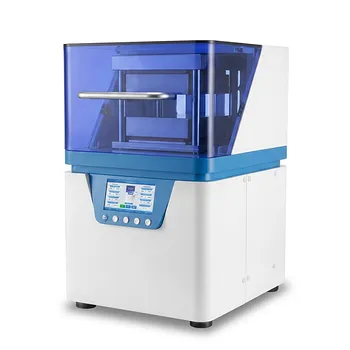
The switch from mechanical to hydraulic press systems offers a significant upgrade in operational efficiency, primarily driven by superior force control and reduced operational costs. Hydraulic presses provide a durable, cost-effective solution that amplifies power input into substantial force while maintaining a quieter, more precise working environment.
Hydraulic systems fundamentally change the pressing process by replacing rigid mechanical momentum with fluid dynamics. This shift offers the core benefit of precise force modulation, allowing you to achieve consistent, repeatable results without the noise and physical strain associated with mechanical alternatives.
Operational Performance and Control
Unmatched Force Precision
One of the most distinct advantages of hydraulic systems is the ability to exert precise control over operation. Unlike mechanical presses, which often rely on fixed stroke lengths, hydraulic units allow you to regulate both the speed and the specific amount of force applied during the cycle.
Efficient Power Amplification
Hydraulic presses are designed to function as efficient power amplifiers. They can convert a relatively small power input into a substantial force output, making them highly capable of handling heavy-duty tasks without requiring proportionally massive energy sources.
Consistent Repeatability
For applications requiring uniformity, such as sample preparation, hydraulic presses offer superior consistency. The automated or assisted application of pressure reduces the variability inherent in manual or mechanical alternatives, ensuring that every cycle produces the same result.
Durability and Environment
Robust Durability
Hydraulic presses are engineered for longevity and reliability. They are known for being highly durable with minimal breakdowns, which translates to higher uptime and consistent productivity over the lifespan of the equipment.
Noise Reduction
Mechanical presses are notoriously noisy due to the impact and friction of gears, flywheels, and other moving parts. Hydraulic systems operate much more quietly, creating a safer and more pleasant work environment for operators.
Reduced Physical Effort
Especially in laboratory settings or when using mini versions, hydraulic presses significantly lower the physical burden on the operator. They require less physical effort than manual alternatives, reducing fatigue during frequent use.
Understanding the Operational Trade-offs
While hydraulic presses offer superior control, it is important to understand how they differ from mechanical counterparts to ensure they fit your specific workflow.
The Cost-Benefit Dynamic
Hydraulic presses are generally cited as a cost-effective solution, but this value is realized through long-term durability and lower maintenance rather than just the initial purchase price. The investment pays off through reduced downtime and fewer repairs compared to mechanical systems that may suffer from higher wear.
Speed vs. Control
The primary trade-off usually involves the nature of the force application. Mechanical presses often utilize stored energy for rapid, high-impact strokes, whereas hydraulic systems prioritize controlled, sustained pressure. If your application requires high-speed, impact-based force, a hydraulic system's focus on precision and regulation represents a distinct shift in operational philosophy.
Making the Right Choice for Your Goal
To determine if a hydraulic press is the optimal solution for your needs, consider your primary operational objectives:
- If your primary focus is Precision and Quality: Choose hydraulic presses for their ability to deliver consistent repeatability and exact force regulation, which eliminates variability in production.
- If your primary focus is Operator Environment: Prioritize hydraulic systems to benefit from significantly reduced noise levels and lower physical effort requirements for your staff.
- If your primary focus is Long-Term Value: Rely on hydraulic options for their cost-effectiveness and proven durability, which minimize the risk of costly breakdowns and maintenance interruptions.
By prioritizing control and durability, hydraulic presses offer a streamlined, reliable solution for demanding force applications.
Summary Table:
| Feature | Hydraulic Press | Mechanical Press |
|---|---|---|
| Force Control | Precise modulation; adjustable throughout stroke | Fixed; depends on position in stroke |
| Energy Efficiency | High; converts small input to large output | Variable; relies on stored momentum |
| Noise Levels | Low; quiet fluid operation | High; noise from gears and impact |
| Durability | High; fewer moving parts to break | Moderate; prone to mechanical wear |
| Repeatability | Superior; consistent pressure every cycle | Variable; depends on physical momentum |
Maximize Your Lab’s Precision with KINTEK Pressing Solutions
Elevate your research and production with KINTEK, the industry leader in high-performance laboratory equipment. Whether you are conducting cutting-edge battery research or standard material testing, our hydraulic systems provide the precise force modulation, durability, and quiet operation your facility deserves.
Our Comprehensive Solutions Include:
- Manual & Automatic Models for flexible laboratory scales.
- Heated & Multifunctional Presses for complex material synthesis.
- Glovebox-Compatible & Isostatic Presses (Cold/Warm) for specialized environments.
Don't compromise on repeatability. Partner with KINTEK to integrate advanced hydraulic technology into your workflow today.
Related Products
- Automatic Hydraulic Hot Press with Large Plate and Precision Temperature Control for Advanced Material Sample Preparation and Industrial Research
- Automatic Hydraulic Heat Press Machine with Multi Stage Programmable Control and Integrated Water Cooling Plate Size 180x180mm
- Automatic High Temperature Heated Hydraulic Press Machine with Heated Plates for Lab
- Automatic Heated Hydraulic Lab Press with Programmable Touch Screen Controls and Precision Temperature Regulation
- Manual Heated Hydraulic Lab Press with Integrated Hot Plates Hydraulic Press Machine
People Also Ask
- What are the specific features and applications of hydraulic hot press machines? Precision Solutions for Modern Labs
- How does an automatic hydraulic press operate? Achieve Precision and Consistency in Lab Pelleting
- What are the advantages and common applications of an automatic hydraulic press? Elevate Your Lab's Precision
- What is the technical significance of setting a precise dwell time? Achieve Peak Material Density and Stability
- When is an automatic hydraulic press more suitable than a manual press? Scale Your Lab with Precision & Speed