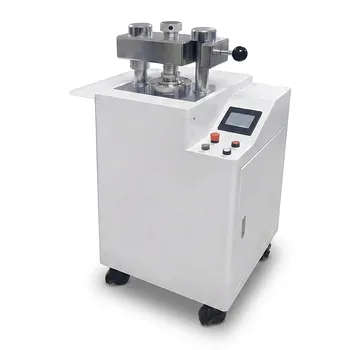
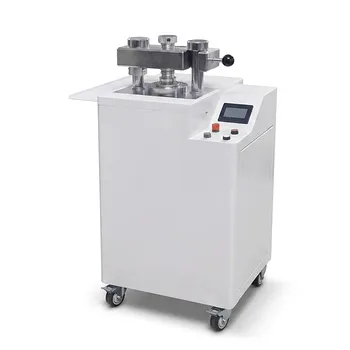
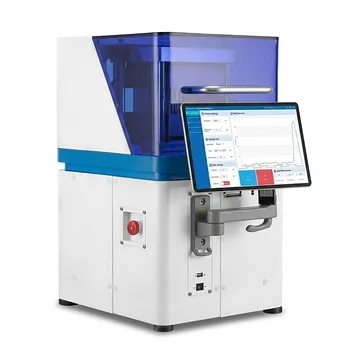
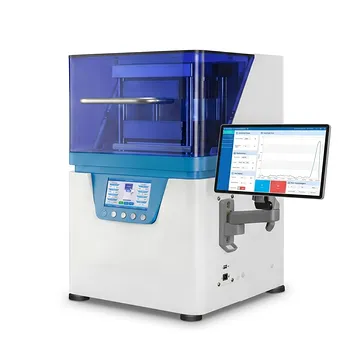
The landscape of laboratory pellet press design is shifting toward efficiency, adaptability, and longevity. The most significant trends include the development of compact and portable benchtop models designed for space-constrained environments and fieldwork. Simultaneously, manufacturers are prioritizing sustainability through energy-efficient operational cycles and the integration of advanced materials, such as high-strength alloys and wear-resistant coatings, to extend equipment lifespan.
Core Takeaway Modern lab pellet presses are evolving from static, single-purpose heavy machinery into versatile, sustainable instruments. The convergence of compact footprints, modular adaptability, and advanced material science allows laboratories to achieve higher precision with lower operational costs and reduced environmental impact.
The Shift Toward Compactness and Portability
Optimizing Benchtop Real Estate
Space is a premium commodity in modern laboratories. Manufacturers are responding by engineering compact benchtop models that deliver high performance without dominating floor space. These units are designed to provide the same tonnage and precision as legacy floor-standing models but within a significantly smaller footprint.
Enabling Fieldwork Capabilities
The reduction in size and weight has facilitated a rise in portable press designs. These models allow researchers to move equipment between different lab sections or take them into the field. This portability ensures that sample preparation can occur closer to the source, reducing the risk of sample degradation during transport.
Material Advancements and Durability
High-Strength Alloys
To maintain structural integrity while reducing size, engineers are utilizing high-strength alloys and high tensile steel tie rods. These advanced materials allow the press frame to withstand immense hydraulic pressure without the bulk required by older cast-iron designs. This results in a machine that is both lighter and more robust.
Wear-Resistant Coatings
A critical trend is the application of advanced coatings on internal components. These surface treatments are designed to resist abrasion and chemical corrosion. By protecting critical contact points, these coatings significantly extend the operational lifespan of the press and ensure consistent performance over time.
Sustainability and Operational Efficiency
Energy-Efficient Cycles
Sustainability is driving changes in the hydraulic and electrical systems of these presses. Newer models feature optimized operational cycles that consume less power during idle times and pressure application. This reduces the overall carbon footprint of the laboratory and lowers utility costs.
Modular Adaptability
Beyond the materials used, the architecture of the press is becoming more modular. Interchangeable parts and customizable configurations allow a single unit to handle diverse sample types and sizes. This adaptability prevents the need for purchasing multiple machines, aligning with sustainable purchasing practices by reducing equipment redundancy.
Understanding the Trade-offs
Maintenance Specificity
While advanced materials reduce general wear, they do not eliminate the need for care. High-precision hydraulic systems require regular fluid changes with specific oil types to prevent degradation. Furthermore, as tolerances become tighter to ensure precision, the calibration of force gauges becomes even more critical to maintain safety and accuracy.
Complexity vs. Simplicity
The move toward modular, high-tech designs can introduce complexity. A press with extensive customization options may require more training to operate effectively compared to a simple, single-function manual press. Users must balance the need for advanced features against the potential for increased operator error if the equipment is not used correctly.
Making the Right Choice for Your Goal
When selecting a lab pellet press based on these emerging trends, consider your specific operational constraints:
- If your primary focus is Space Optimization: Prioritize compact benchtop models that offer high tonnage relative to their footprint to maximize bench real estate.
- If your primary focus is Long-Term ROI: Invest in models featuring high-strength alloys and wear-resistant coatings, as these will minimize downtime and replacement costs over the machine's life.
- If your primary focus is Versatility: Look for modular designs that allow for interchangeable platens and customizable configurations to handle varied sample types without buying new equipment.
The best investment is a press that balances advanced material durability with the specific spatial and analytical needs of your workflow.
Summary Table:
| Trend Category | Key Innovation | Benefit to Laboratories |
|---|---|---|
| Design | Compact Benchtop & Portable Models | Saves valuable lab space and enables fieldwork capabilities. |
| Materials | High-Strength Alloys & Wear Coatings | Increases equipment lifespan and reduces structural bulk. |
| Efficiency | Optimized Operational Cycles | Lower energy consumption and reduced carbon footprint. |
| Versatility | Modular & Customizable Architecture | One machine handles diverse sample types, reducing equipment costs. |
Upgrade Your Sample Preparation with KINTEK
Stay ahead of laboratory trends with KINTEK’s cutting-edge pressing solutions. As specialists in comprehensive laboratory pressing technology, we offer a versatile range of manual, automatic, heated, and multifunctional models, alongside glovebox-compatible designs and advanced cold and warm isostatic presses.
Whether you are conducting high-precision battery research or need a space-saving benchtop solution, our high-strength, wear-resistant equipment ensures long-term ROI and superior accuracy. Contact KINTEK today to find the perfect press for your workflow!
Related Products
- Laboratory Hydraulic Split Electric Lab Pellet Press
- Automatic Laboratory Hydraulic Press Lab Pellet Press Machine
- Automatic Fluorescence Sample Preparation Press 40 Ton Lab Pellet Press for XRF Analysis
- Laboratory Hydraulic Press 2T Lab Pellet Press for KBR FTIR
- Laboratory Hydraulic Pellet Press for XRF KBR FTIR Lab Press
People Also Ask
- How do lab pellet presses support customization and flexibility? Optimize Your Sample Prep for Any Material
- What are common lab pellet press issues? Expert Troubleshooting Guide for Reliable Material Research
- What are the common operational types of lab pellet presses? Choosing the Right Manual, Automatic, or Hydraulic System
- Why use a laboratory pellet press for solid-state battery evaluation? Ensure Accuracy in Interface Stability Testing
- Why is a laboratory pellet press used to pre-press BaSnF4 samples? Ensure Precision in High-Pressure Studies