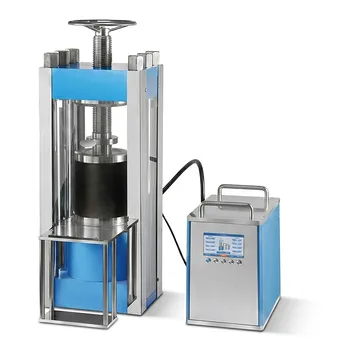
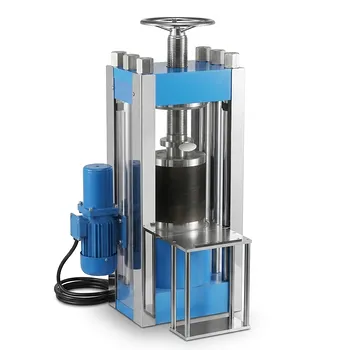
To maintain optimal performance and longevity of a heated lab press, you must implement a strict regimen of regular inspection, cleaning, and lubrication. This involves conducting pre-operation checks for leaks and damage, meticulously cleaning heating plates and valves, and adhering to manufacturer schedules for hydraulic fluid replacement and electrical system audits.
Core Takeaway Reliable lab press operation is less about fixing broken parts and more about preventing degradation. A consistent maintenance routine is the only way to ensure the uniform temperature distribution and precise pressure control required for reproducible research results.
Establishing a Routine Inspection Protocol
Pre-Operation Visual Checks
Before every cycle, you must inspect the machine for visible signs of wear. specifically looking for leaks in hoses and seals.
Check the heating plates closely for cracks or physical damage. Even minor surface imperfections can disrupt thermal uniformity and compromise sample quality.
Auditory and Vibrational Monitoring
Pay attention to the machine during operation. Listen for unusual noises or unexpected vibrations, as these are often the earliest indicators of hydraulic or mechanical misalignment.
Preserving Mechanical and Hydraulic Integrity
Hydraulic Fluid Management
The hydraulic system is the heart of the press's force generation. You must monitor the condition of the hydraulic fluid for signs of degradation or contamination.
Replace the fluid strictly according to the manufacturer's recommendations. Old or degraded fluid leads to pressure inconsistencies and potential system failure.
Lubrication Strategy
Friction is the enemy of precision equipment. Regularly apply the recommended lubricants to all moving mechanical components to minimize wear and tear.
Check lubrication levels frequently. Proper lubrication prevents the "stick-slip" phenomenon that can ruin delicate pressing operations.
Component Cleaning
Keep all working parts free from dirt and debris. This applies specifically to pressure gauges and valves, which can become clogged or inaccurate if contaminants accumulate.
Managing Thermal Surfaces and Electrical Systems
Care for Heating Plates
Regularly clean the heating plates to remove residue from previous runs. Debris on these surfaces acts as an insulator, preventing the uniform temperature distribution that heated presses are designed to provide.
Electrical Safety Checks
Inspect all electrical components for signs of physical damage or wear. Ensure that the machine maintains proper grounding at all times to protect both the operator and the equipment's sensitive electronics.
Engage a qualified electrician for periodic, deep-dive maintenance. This ensures that the high-temperature heating elements (capable of reaching 500°C) and safety locks function reliably.
Common Pitfalls to Avoid
Neglecting the "Clean" Build-up
A common error is ignoring minor residue on heating plates. Over time, this build-up carbonizes, creating hot spots or cold spots that make sample reproducibility impossible.
Overlooking Hydraulic Fluid Age
Operators often wait for a leak before servicing hydraulics. However, fluid properties break down long before leaks appear, leading to inaccurate pressure application during critical molding or laminating processes.
Making the Right Choice for Your Goal
To maximize the utility of your heated lab press, tailor your maintenance focus to your specific operational needs:
- If your primary focus is reproducible sample quality: Prioritize the cleaning and inspection of heating plates to ensure absolute thermal uniformity across the workpiece.
- If your primary focus is equipment longevity: Focus heavily on hydraulic fluid maintenance and lubrication, as these systems bear the brunt of mechanical stress.
Ultimately, a disciplined maintenance schedule transforms your lab press from a consumable tool into a long-term asset for precision research.
Summary Table:
| Maintenance Type | Key Actions | Frequency | Benefit |
|---|---|---|---|
| Visual Inspection | Check for leaks in hoses/seals and plate cracks | Pre-operation | Prevents sudden failure |
| Hydraulic Care | Monitor fluid condition and replace as scheduled | Per Manufacturer | Ensures precise pressure control |
| Plate Cleaning | Remove residue and carbonized debris | After every use | Maintains uniform temperature |
| Lubrication | Apply recommended grease to moving parts | Regularly | Minimizes friction and wear |
| Electrical Audit | Inspect wiring and grounding systems | Periodically | Ensures operator safety |
Elevate Your Research with KINTEK Precision Solutions
Don't let poor maintenance compromise your laboratory results. KINTEK specializes in comprehensive laboratory pressing solutions, offering a versatile range of manual, automatic, heated, multifunctional, and glovebox-compatible models, alongside advanced cold and warm isostatic presses.
Whether you are pioneering battery research or advanced material science, our equipment is designed for durability and extreme thermal uniformity. Partner with KINTEK for reliable technology and expert support that keeps your lab running at peak performance.
Ready to upgrade your pressing capabilities? Contact us today to find the perfect solution!
Related Products
- 24T 30T 60T Heated Hydraulic Lab Press Machine with Hot Plates for Laboratory
- Automatic Heated Hydraulic Lab Press 120x120mm Plate Fully Automated Material Research Press
- Automatic Heated Hydraulic Lab Press with Programmable Touch Screen Controls and Precision Temperature Regulation
- Automatic Heated Hydraulic Lab Press Machine 200x200 Plate Size for Battery Research and Materials Science
- Manual Heated Hydraulic Lab Press with Integrated Hot Plates Hydraulic Press Machine
People Also Ask
- Function of a Laboratory Hydraulic Press with Heated Platens in SSE? Enhance Battery Density & Conductivity
- Why is a laboratory hydraulic press with heating plates required for PLA/TEC films? Achieve Precise Sample Integrity
- What role does a laboratory heated hydraulic press play in LTCC? Essential for High-Density Ceramic Lamination
- What is the primary function of a laboratory heated hydraulic press? Mastering Thermoplastic Carbon Fiber Composites
- What is the critical role of a laboratory heated hydraulic press? Mastering PVC Sample Prep for Testing