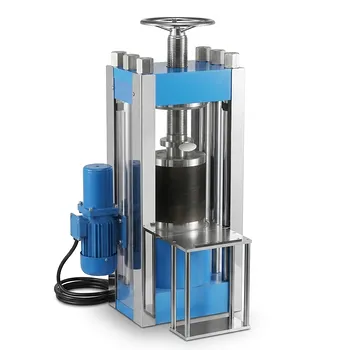
Effective cleaning of a heated lab press requires a disciplined routine focusing on both external hygiene and internal hydraulic health. To ensure optimal performance, you must clean the exterior with mild detergents, rigorously remove residue from the platens before and after every cycle, and strictly adhere to the manufacturer's schedule for hydraulic oil changes and lubrication.
Core Takeaway: The longevity and accuracy of a heated lab press are determined by the condition of the platens and the purity of the hydraulic fluid. Regular removal of residue prevents cross-contamination of samples, while timely hydraulic maintenance prevents internal system deterioration.
Critical Surface Cleaning
Platen Maintenance
The heated platens are the most critical interface of the machine. Clean the platens thoroughly before and after every single use.
Failure to do so can lead to baked-on residue, which compromises heat transfer uniformity and contaminates future samples. Ensure the surfaces are free of any particulate matter or chemical buildup.
Exterior Housing
Maintain the press's exterior by wiping it down with a mild detergent and water.
Avoid using harsh chemicals, solvents, or abrasive cleaners on the painted surfaces or control panels, as these can strip finishes and obscure labeling. Keep the frame and working area free of accumulated dirt, dust, and any leaking fluids.
Hydraulic System Care
Fluid Management
Think of the hydraulic oil as the lifeblood of the press. You must change the hydraulic oil according to the manufacturer's specific schedule.
Over time, hydraulic fluid degrades and accumulates contaminants that can damage internal pumps and valves. Always use the exact hydraulic oil grade specified by the manufacturer to ensure the system creates pressure accurately.
Leak Inspection
Periodically inspect the hydraulic system for signs of contamination or deterioration.
Check hoses, seals, and fittings for leaks. If you spot oil accumulating on the press or the floor, identify the source immediately. Leaking fluid not only affects pressure stability but also acts as a magnet for dirt and debris.
Lubrication Best Practices
Friction Reduction
Moving parts must be properly lubricated to prevent metal-on-metal wear.
Follow the manufacturer’s instructions regarding the frequency of lubrication and the specific type of grease or oil required. Using the wrong lubricant can lead to gumming or inadequate protection under high heat and pressure.
Avoiding Over-Lubrication
Do not over-lubricate the press.
While lack of lubrication causes wear, excessive lubrication creates a sticky trap for dust and lab debris. This buildup can clog moving parts and eventually lead to mechanical binding. Monitor the lubricant's condition; if it appears discolored or loses viscosity, it must be replaced.
Common Pitfalls and Safety
Structural Integrity Checks
Cleaning is the best time to perform visual inspections. Look for cracks in the frame or platens and check gaskets for signs of dry rot or wear.
Listen for unusual vibrations or noises during operation, which often signal loose components or misalignment that simple cleaning cannot fix.
Personal Safety
Never attempt to clean a hot or operating press without protection. High-temperature gloves and safety glasses are mandatory.
Keep hands and fingers away from the platens during compression cycles. Ensure you have received proper training on the machine’s operation and emergency stop procedures before performing maintenance.
Making the Right Choice for Your Goal
To maximize the utility of your lab press, tailor your maintenance focus to your specific operational needs:
- If your primary focus is Sample Purity: Prioritize cleaning the platens before and after every cycle to eliminate cross-contamination risks.
- If your primary focus is Equipment Longevity: Strictly follow the schedule for hydraulic oil changes and prevent over-lubrication of moving parts.
- If your primary focus is Operator Safety: Focus on leak detection and inspecting structural components (hoses, seals, and frames) for fatigue.
A clean press is a safe press; treating maintenance as a part of your daily workflow protects both your data and your investment.
Summary Table:
| Maintenance Area | Cleaning Frequency | Key Action Items |
|---|---|---|
| Heated Platens | Before/After Every Use | Remove residue to prevent sample contamination |
| Exterior Housing | Weekly / As Needed | Wipe with mild detergent; avoid harsh solvents |
| Hydraulic System | Per Manufacturer Schedule | Change oil and inspect seals/hoses for leaks |
| Moving Parts | Monthly / Per Manual | Lubricate to reduce friction without over-applying |
| Safety Check | Daily | Inspect frame for cracks and check gasket integrity |
Maximize Your Lab’s Performance with KINTEK
Don't let poor maintenance compromise your research results. KINTEK specializes in comprehensive laboratory pressing solutions, offering a diverse range of manual, automatic, heated, multifunctional, and glovebox-compatible models, as well as cold and warm isostatic presses widely applied in battery research.
Our expert team is dedicated to providing high-performance equipment that ensures sample purity and operational safety. Let us help you select the ideal press for your specific application and provide the technical support you need to keep it running at peak efficiency.
Ready to upgrade your laboratory capabilities?
Contact KINTEK Today to Consult with an Expert
Related Products
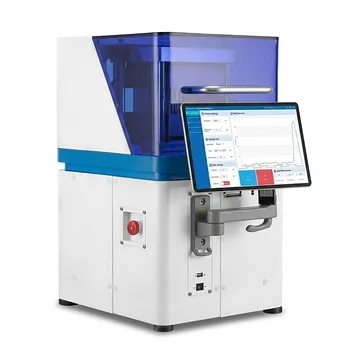
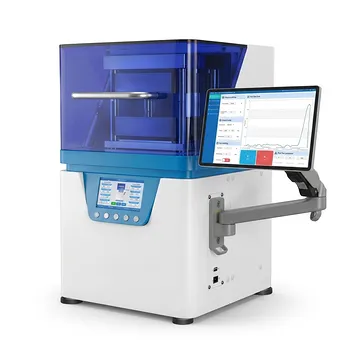
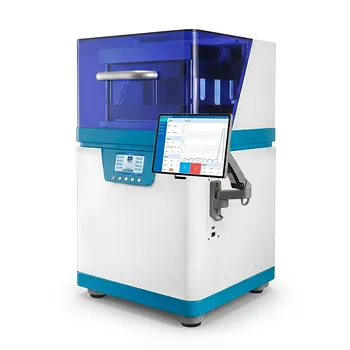
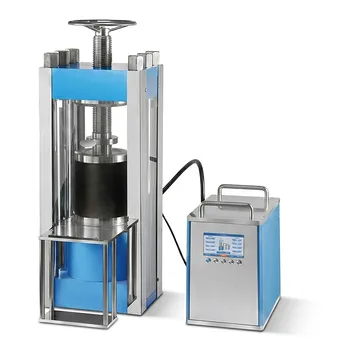
- 24T 30T 60T Heated Hydraulic Lab Press Machine with Hot Plates for Laboratory
- Automatic Heated Hydraulic Lab Press 120x120mm Plate Fully Automated Material Research Press
- Automatic Heated Hydraulic Lab Press with Programmable Touch Screen Controls and Precision Temperature Regulation
- Automatic Heated Hydraulic Lab Press Machine 200x200 Plate Size for Battery Research and Materials Science
- Manual Heated Hydraulic Lab Press with Integrated Hot Plates Hydraulic Press Machine
People Also Ask
- Function of a Laboratory Hydraulic Press with Heated Platens in SSE? Enhance Battery Density & Conductivity
- Why is a laboratory hydraulic press with heating plates required for PLA/TEC films? Achieve Precise Sample Integrity
- What role does a laboratory heated hydraulic press play in LTCC? Essential for High-Density Ceramic Lamination
- Why is a laboratory heated hydraulic press required? Ensure Precise Vulcanization for NBR/EPDM Nanocomposites
- Why reduce load when applying composite strengthening tabs? Protect Specimen Integrity and Data Accuracy