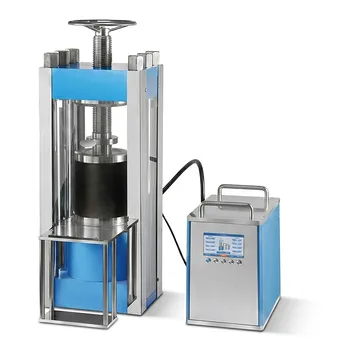
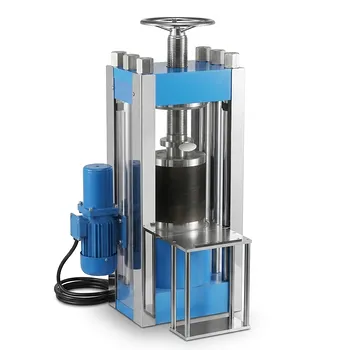
Routine maintenance for a laboratory hot press centers on three pillars: hydraulic integrity, thermal accuracy, and physical cleanliness. Specifically, this requires keeping platen surfaces debris-free for optimal heat transfer, monitoring hydraulic oil quality and levels, and regularly calibrating temperature and pressure sensors to ensure experimental consistency.
The most overlooked aspect of hot press maintenance is not mechanical failure, but data degradation. Neglecting platen cleanliness or sensor calibration leads to inconsistent thermal transfer and skewed results, compromising the experiment long before the machine physically breaks down.
Preserving Thermal Accuracy
Cleaning the Platen Surfaces
The most critical routine task is maintaining the cleanliness of the platen surfaces. Residue or debris interferes with the contact between the press and the sample, inhibiting good heat transfer and potentially damaging the sample.
Verifying Heating Elements
You must regularly verify that all heating elements are functioning correctly. A single failing element can create cold spots on the platen, leading to uneven heating across your sample.
Sensor Calibration
Temperature and pressure sensors drift over time. Periodically calibrate these sensors to ensure the readouts on your control panel match the physical reality inside the press.
Maintaining Hydraulic Integrity
Monitoring Oil Levels and Quality
Regularly check the hydraulic oil level to prevent pump cavitation or pressure loss. Equally important is inspecting the quality of the oil; dark or cloudy oil indicates contamination and necessitates a change.
Inspecting for Leaks and Damage
Routinely inspect the press for leaking hoses or seals. You should also visually scan the frame and hydraulic components for cracks or signs of stress fatigue.
Proper Lubrication
To prevent wear on moving components, keep working parts clean and properly lubricated. When replacing fluids, it is crucial to verify you are using the correct type of hydraulic oil specified by the manufacturer.
Operational Environment and Safety
Managing the Workspace
Keep the area immediately surrounding the equipment clean and dry. Dust accumulation or moisture can degrade electronic components and introduce safety hazards.
Sample Management
Before activating the press, ensure all sample slabs are of the same size and shape. Remove any broken slabs or irregular pieces immediately; processing these can skew experimental results and apply uneven force to the platen mechanism.
Vibration Monitoring
During operation, listen and feel for excessive vibration. This is often an early warning sign of misalignment or hydraulic pump issues that requires immediate attention.
Common Maintenance Pitfalls
Ignoring Component Compatibility
Never substitute hydraulic fluids or lubricants based on guesswork. Using the wrong oil viscosity can permanently damage the pressing system or seal integrity.
Overlooking "Invisible" Wear
Do not assume the machine is working just because it heats up and presses. Without regular calibration, your pressure and temperature data may be inaccurate, rendering your experimental data invalid.
Establishing a Maintenance Protocol
To maximize the utility of your laboratory hot press, align your maintenance schedule with your specific operational goals:
- If your primary focus is Data Accuracy: Prioritize the cleaning of platen surfaces and the frequent calibration of temperature sensors to ensure uniform heat transfer.
- If your primary focus is Equipment Longevity: Focus on the hydraulic system, specifically checking for leaks, proper lubrication, and using the correct hydraulic fluid.
- If your primary focus is Safety: Enforce strict rules regarding workspace dryness, vibration inspection, and the removal of irregular sample slabs before operation.
A well-maintained hot press delivers the repeatability required for scientific rigor, while a neglected one introduces variables that no amount of analysis can correct.
Summary Table:
| Maintenance Category | Key Task | Frequency Recommendation |
|---|---|---|
| Thermal System | Platen Cleaning & Heating Element Check | Daily / After Each Use |
| Pressure System | Hydraulic Oil Level & Seal Leak Inspection | Weekly |
| Calibration | Sensor Accuracy Verification (Temp/Pressure) | Monthly / Quarterly |
| Mechanical | Lubrication of Moving Parts & Vibration Check | Monthly |
| Environment | Workspace Cleaning & Dust Removal | Daily |
Maximize Your Research Precision with KINTEK Solutions
Don't let inconsistent data or equipment downtime stall your battery research or material science breakthroughs. KINTEK specializes in comprehensive laboratory pressing solutions, offering a versatile range of manual, automatic, heated, multifunctional, and glovebox-compatible models, alongside high-performance cold and warm isostatic presses.
Our expert team is dedicated to providing more than just equipment; we offer the technical support and reliability your lab needs to maintain peak performance. Whether you are upgrading your setup or need advice on the best pressing system for your specific application, we are here to help.
Ready to elevate your lab's capabilities? Contact KINTEK Today to Consult with an Expert
Related Products
- 24T 30T 60T Heated Hydraulic Lab Press Machine with Hot Plates for Laboratory
- Laboratory Split Manual Heated Hydraulic Press Machine with Hot Plates
- Heated Hydraulic Press Machine with Heated Plates for Vacuum Box Laboratory Hot Press
- Automatic Heated Hydraulic Press Machine with Hot Plates for Laboratory
- Automatic Large Format Laboratory Heated Hydraulic Press 400x400mm Plate Capacity
People Also Ask
- Function of a Laboratory Hydraulic Press with Heated Platens in SSE? Enhance Battery Density & Conductivity
- Why is a laboratory hydraulic press with heating plates required for PLA/TEC films? Achieve Precise Sample Integrity
- What role does a laboratory heated hydraulic press play in LTCC? Essential for High-Density Ceramic Lamination
- Why reduce load when applying composite strengthening tabs? Protect Specimen Integrity and Data Accuracy
- Why is a laboratory heated hydraulic press utilized during the lamination stage of NASICON green tapes?