The primary function of composite compression molding equipment in the manufacturing of All-Nanofiber Covalent Organic Framework (ANCB) batteries is to execute the simultaneous, integrated pressing of the cathode, anode, and nanofiber separator. By applying precise environmental controls, this equipment fuses these three distinct layers into a single, cohesive unit. This integration is the fundamental mechanical step required to transition separate nanoporous materials into a functional, high-performance energy storage device.
The core value of this process lies in interface management. By creating a seamless physical bond between similar materials, the equipment eliminates gaps that typically slow down ion movement, directly unlocking the battery's capability for ultra-fast charging and high power density.
The Mechanics of Integrated Pressing
Simultaneous Component Assembly
Unlike traditional methods that may stack components sequentially, this equipment targets the integrated pressing of the entire cell structure.
It processes the cathode, the anode, and the nanofiber separator in a single operation. This simultaneous approach ensures that the layers are aligned and bonded at the exact moment of assembly.
Controlled Bonding Environment
The equipment does not rely on simple mechanical force alone. It utilizes strictly controlled pressure and temperature to facilitate the bonding process.
This precision is necessary to interact with the specific properties of the nanoporous materials. The goal is to encourage a tight, stable physical bond at the interface without damaging the delicate nanofiber structures.
Impact on Battery Performance
Reducing Interfacial Resistance
The most significant outcome of using this molding equipment is the drastic reduction of interfacial ion transport resistance.
In standard battery assembly, microscopic gaps between layers act as barriers to ion flow. This compression molding process eliminates those barriers by ensuring intimate contact between the layers.
Enabling High Power Density
By removing physical resistance at the interface, the battery can operate at much higher efficiencies.
The tight physical bond allows for rapid ion exchange, which is the technical prerequisite for high power density. This is the specific mechanism that enables the ANCB battery to achieve its ultra-fast charging performance.
Critical Process Variables
The Necessity of Precision
While the process yields superior results, it relies heavily on the accuracy of the control parameters.
The equipment must maintain an exact balance of pressure and thermal energy. Insufficient pressure will fail to create the necessary interfacial bond, while excessive pressure could collapse the nanoporous architecture essential for energy storage.
Material Compatibility
The equipment is specifically designed to leverage the nature of similar nanoporous materials.
It is most effective when the cathode, anode, and separator share compatible structural properties. This compatibility allows the compression process to form a homogeneous interface that acts almost as a single material, rather than three distinct layers glued together.
Optimizing Manufacturing for Performance
To leverage composite compression molding effectively in ANCB production, align your process controls with your specific performance targets.
- If your primary focus is maximizing charging speed: Prioritize the precision of the pressure application to eliminate all microscopic voids at the interface, as this directly reduces resistance.
- If your primary focus is structural stability: Focus on thermal regulation during the pressing phase to ensure the bond is robust enough to withstand repeated charge cycles without delamination.
Mastering the precise control of this compression equipment is the definitive step in converting high-potential nanomaterials into a commercially viable, ultra-fast charging battery.
Summary Table:
| Process Feature | Functional Role | Battery Performance Impact |
|---|---|---|
| Integrated Pressing | Simultaneous assembly of cathode, anode, and separator | Ensures perfect alignment and structural cohesion |
| Interface Management | Fuses similar nanoporous materials into a single unit | Eliminates gaps to facilitate rapid ion movement |
| Environmental Control | Precision application of pressure and temperature | Preserves delicate nanofiber architecture while bonding |
| Resistance Reduction | Minimizes interfacial ion transport barriers | Directly enables high power density and fast charging |
Elevate Your Battery Research with KINTEK
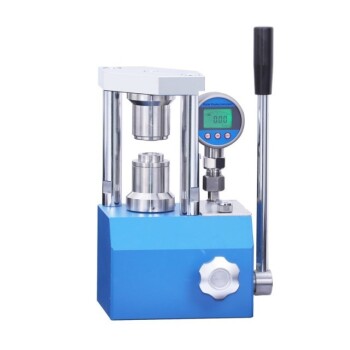
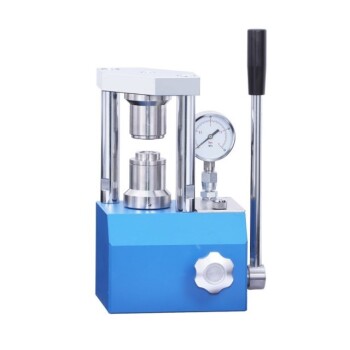
Transition from nanoporous materials to high-performance energy storage with precision-engineered equipment. KINTEK specializes in comprehensive laboratory pressing solutions, including manual, automatic, heated, and multifunctional models perfectly suited for the delicate assembly of ANCB batteries. Whether you require glovebox-compatible designs or advanced isostatic presses, we provide the control and reliability needed to optimize your interfacial bonding and charging speeds.
Ready to unlock ultra-fast charging performance? Contact KINTEK today to find the ideal pressing solution for your laboratory's needs.
References
- Yixuan Ye. Progress of Using Nanotechnology in Electric Vehicle Batteries. DOI: 10.61173/7qpy6v53
This article is also based on technical information from Kintek Solution Knowledge Base .
Related Products
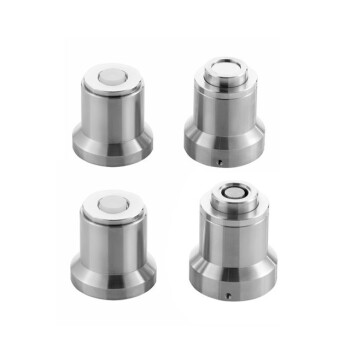
- Lab Button Battery Tablet Press Sealing Mold
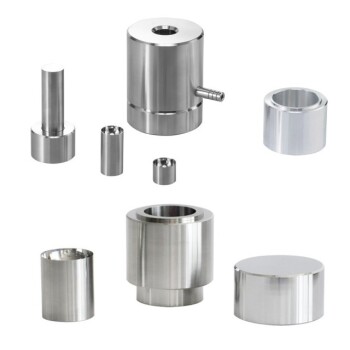
- Lab Cylindrical Press Mold for Laboratory Use
- Lab Button Battery Disassembly and Sealing Mold
- Lab Infrared Press Mold for Laboratory Applications
- Carbide Lab Press Mold for Laboratory Sample Preparation
People Also Ask
- How does a sealed battery mold facilitate the assembly and testing of asymmetric supercapacitors using VO2?
- Why use standardized CR2032 components & high-precision presses? Ensure reliability in lithium metal battery research.
- Why is a laboratory battery sealing press essential for desolvation energy testing? Ensure Reliable Kinetic Data
- What is the function of specialized battery molds and sealing consumables? Optimize Your In-situ XRD Testing Today
- What role does a laboratory sealing press play in thermal analysis of solid dispersion films? Ensure Data Integrity