Preparing a sample pellet for X-Ray Fluorescence (XRF) spectroscopy is a precise mechanical process involving four distinct stages: milling the sample to a fine powder, mixing it with a binder, loading it into a die, and compressing it. This compression typically occurs at high pressures ranging from 15 to 40 tons to yield a durable, homogeneous disc.
Success in XRF analysis depends heavily on the reproducibility of the sample preparation rather than just the measurement itself; maintaining strict consistency in grinding, binder ratios, and pressure is the only way to ensure accurate data.
The Four-Step Preparation Workflow
Step 1: Milling and Grinding
The foundation of a good pellet is particle size reduction. You must grind or mill the sample material until it reaches a fine, consistent powder form. Large or uneven particles can cause "particle size effects" that scatter X-rays unpredictably, leading to analytical errors.
Step 2: Homogenizing with Binder
Once ground, the sample powder is mixed with a binding agent, often referred to as x-ray powder. The purpose of the binder is to hold the sample together during and after pressing. This mixture must be blended thoroughly to ensure the sample is evenly distributed throughout the matrix.
Step 3: Loading the Die
The sample-binder mixture is carefully transferred into a pellet die assembly. It is critical to level the powder inside the die before pressing. An uneven load can result in a pellet with variable density, which may crack under pressure or yield inconsistent results.
Step 4: High-Pressure Compression
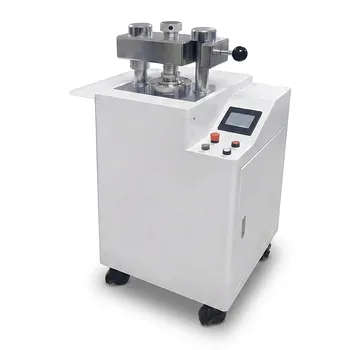
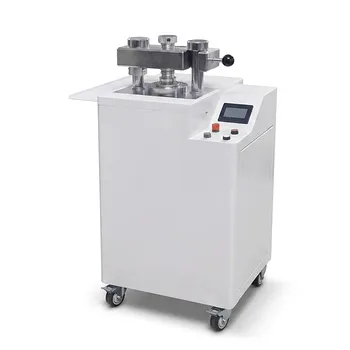
The final step is the application of force using a pellet press. The die assembly is compressed at pressures between 15 and 40 tons. This extreme pressure fuses the powder into a solid, flat disc with a smooth surface, ready for the spectrometer.
Critical Considerations for Accuracy
Controlling Particle Size
The consistency of the ground sample is paramount. If the particle size varies between samples, the X-ray intensity will fluctuate even if the elemental composition is identical. You must standardize your milling time and method for every batch.
The Dilution Ratio
The ratio of binder to sample (the dilution ratio) significantly impacts signal intensity. You must weigh both the sample and the binder precisely to maintain a constant ratio. Variations here will directly alter the concentration calculations in your final analysis.
Pellet Thickness
The final thickness of the pellet dictates how X-rays interact with the sample. If a pellet is too thin, high-energy X-rays might pass straight through, violating the condition of "infinite thickness" required for quantitative analysis.
Understanding the Trade-offs
Contamination Risks
Every step of mechanical preparation introduces a risk of contamination. Grinding vessels and pellet dies must be scrupulously cleaned between samples. Cross-contamination from previous samples or abrasion from the grinding media itself can introduce trace elements that skew your results.
Pressure Variables
Applying too little pressure results in a friable pellet that may crumble inside the expensive XRF instrument. Conversely, applying excessive pressure beyond the recommended 40 tons can cause stress fractures in the pellet (capping) or damage the die assembly without improving analytical quality.
Making the Right Choice for Your Goal
To ensure your XRF data is reliable, apply the following strategies based on your specific analytical needs:
- If your primary focus is quantitative accuracy: Invest the most effort in the weighing stage to ensure the binder-to-sample ratio is mathematically identical across all samples.
- If your primary focus is reproducibility: Standardize the milling time and pressure settings rigorously, ensuring every sample undergoes the exact same physical stress.
The quality of your XRF spectrum is determined before the sample ever enters the spectrometer; it is defined by the consistency of your press.
Summary Table:
| Stage | Key Action | Critical Parameter |
|---|---|---|
| 1. Milling | Grind sample to fine powder | Uniform particle size |
| 2. Mixing | Blend with binder agent | Exact dilution ratio |
| 3. Loading | Level powder in the die | Even density distribution |
| 4. Pressing | Apply 15–40 tons of force | Structural integrity & thickness |
Optimize Your XRF Results with KINTEK Precision
Consistency in sample preparation is the foundation of reliable X-ray Fluorescence data. At KINTEK, we specialize in comprehensive laboratory pressing solutions designed to eliminate variability in your research. From manual and automatic presses to specialized glovebox-compatible and isostatic models, our equipment ensures your pellets meet the highest standards of homogeneity and durability.
Whether you are conducting battery research or material science analysis, our technical experts are ready to help you select the perfect pressing system for your workflow. Contact KINTEK today to enhance your laboratory’s analytical precision!
Related Products
- Automatic Fluorescence Sample Preparation Press 40 Ton Lab Pellet Press for XRF Analysis
- XRF KBR Plastic Ring Lab Powder Pellet Pressing Mold for FTIR
- Lab XRF Boric Acid Powder Pellet Pressing Mold for Laboratory Use
- Automatic XRF Pellet Press for Laboratory Spectrometry Sample Preparation
- XRF KBR Steel Ring Lab Powder Pellet Pressing Mold for FTIR
People Also Ask
- What are the advantages of preparing a sample as a dense pellet for XRF? Unlock High-Precision Trace Element Analysis
- What are the common operational types of lab pellet presses? Choosing the Right Manual, Automatic, or Hydraulic System
- What are the emerging trends in the design and materials of lab pellet presses? Modernize Your Lab Efficiency
- What are common lab pellet press issues? Expert Troubleshooting Guide for Reliable Material Research
- What is the role of a laboratory press in COF electrolyte prep? Achieving High-Performance Pellet Densification