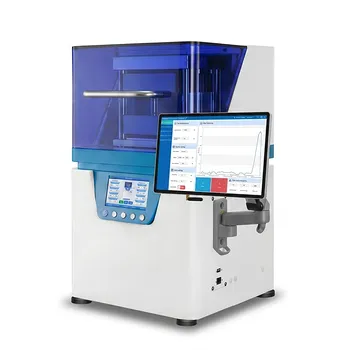
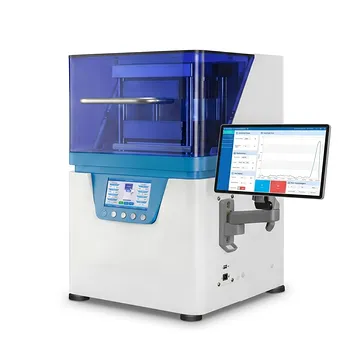
The fundamental working principle of a plate vulcanizing machine with a frame structure centers on applying precise hydraulic pressure and controlled heat to facilitate rubber cross-linking. While all vulcanizing machines share the goal of chemically transforming rubber to improve its properties, the frame-style architecture specifically provides enhanced mechanical rigidity, offering a significant upgrade over traditional column-style designs.
The frame structure distinguishes itself through superior stability, which allows for the creation of finer, denser rubber organizational structures. By maintaining rigid alignment during high-pressure cycles, it significantly reduces the risk of common production defects such as material overflow, glue shortages, and trapped air bubbles.
The Core Working Principle
Hydraulic Pressure Generation
The machine relies on a robust hydraulic system to generate the substantial force required for vulcanization. A hydraulic cylinder converts fluid power into mechanical force, compressing the plates to the specific pressure needed for the material being processed.
Thermal Regulation
Simultaneously, a heating medium circulates through the plates to precisely control the temperature. This thermal energy is critical for initiating the chemical reaction within the rubber.
The Cross-Linking Process
The combination of this high pressure and specific temperature triggers cross-linking. This chemical process transforms the rubber from a pliable material into a durable, elastic product with improved physical properties.
The Strategic Advantage of the Frame Structure
Enhanced Stability vs. Column Structures
The primary advantage of the frame structure is its inherent stability compared to older column-style machines. The frame design offers a more rigid support system, minimizing deflection or warping when the machine is under maximum load.
Precision and Organizational Structure
This increased stability directly impacts the quality of the final product. It enables the rubber to form a "fine and close" organizational structure, meaning the internal density and surface finish of the vulcanized part are significantly more uniform.
Defect Prevention
By eliminating the structural flexing common in less rigid designs, the frame structure ensures the mold remains perfectly closed. This capability is essential for preventing specific defects, including glue overflow (flash), "lack of glue" (incomplete fills), and the formation of air bubbles within the part.
Understanding the Trade-offs
The Risk of Legacy Architectures
When evaluating vulcanizing equipment, it is critical to understand the pitfalls of using older designs, such as the column structure mentioned in industry comparisons. While likely functional for basic tasks, these older architectures often lack the rigidity required for modern, high-precision applications.
Consequences of Structural Flex
Using a machine with insufficient structural stiffness can lead to inconsistent pressure distribution across the mold. This inconsistency is the primary culprit behind the defects the frame structure is designed to solve, such as air pockets and inconsistent material density.
Making the Right Choice for Your Goal
To ensure you select the machinery that aligns with your production quality requirements, consider the following:
- If your primary focus is high-precision surface finish: Prioritize the frame structure to ensure the fine, close organizational structure required for a flawless cosmetic appearance.
- If your primary focus is minimizing waste and defects: Rely on the frame structure's stability to eliminate costly issues like glue overflow and air bubbles, which are common in less rigid machines.
The frame structure represents a deliberate evolution in vulcanizing technology, trading the flexibility of older designs for the absolute rigidity needed to produce defect-free, high-density rubber components.
Summary Table:
| Feature | Frame Structure | Traditional Column Structure |
|---|---|---|
| Mechanical Rigidity | High (Enhanced stability) | Moderate (Prone to deflection) |
| Alignment Quality | Superior (Stays rigid under load) | Lower (May flex under pressure) |
| Material Density | Fine and dense organizational structure | Potentially inconsistent |
| Defect Prevention | Prevents overflow, air bubbles, and voids | Higher risk of flash and lack of glue |
| Primary Application | High-precision, defect-free rubber parts | General-purpose basic tasks |
Elevate Your Material Research with KINTEK
Precision in rubber vulcanization and material processing requires equipment that offers unwavering stability. KINTEK specializes in comprehensive laboratory pressing solutions designed for high-precision results.
Whether you are conducting advanced battery research or developing high-density rubber components, our range of manual, automatic, heated, multifunctional, and glovebox-compatible models, alongside our specialized cold and warm isostatic presses, provides the absolute rigidity your lab needs.
Don't let structural flex compromise your data or your prototypes. Contact KINTEK today to discover how our frame-structure pressing solutions can eliminate defects and ensure uniform density for your most demanding applications.
Related Products
- Split Automatic Heated Hydraulic Press Machine with Heated Plates
- Automatic High Temperature Heated Hydraulic Press Machine with Heated Plates for Lab
- Laboratory Split Manual Heated Hydraulic Press Machine with Hot Plates
- Laboratory Manual Heated Hydraulic Press Machine with Hot Plates
- Heated Hydraulic Press Machine With Heated Plates For Vacuum Box Laboratory Hot Press
People Also Ask
- What are the requirements for electrode pressing with high-viscosity ionic liquids like EMIM TFSI? Optimize Performance
- How does a laboratory heated hydraulic press facilitate PBN sample prep for WAXS? Achieve Precise X-Ray Scattering
- What are the industrial applications of heated hydraulic presses? Master Heat & Force for Precision Manufacturing
- Why is a laboratory hydraulic press with heating plates required for PLA/TEC films? Achieve Precise Sample Integrity
- Function of a Laboratory Hydraulic Press with Heated Platens in SSE? Enhance Battery Density & Conductivity