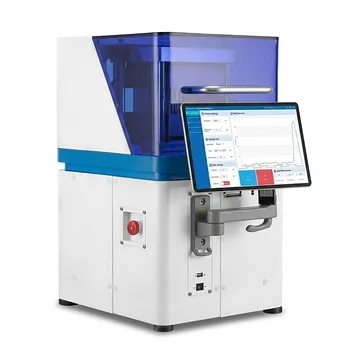
Hydraulic presses rely on three specific pump actuation methods: manual, pneumatic, and electric systems. These categories differ fundamentally in how they generate pressure, with manual pumps utilizing human effort for low-force tasks, while pneumatic and electric pumps leverage compressed air or motors to achieve higher tonnage and superior consistency.
While the fundamental physics of fluid displacement remains constant, the choice of pump mechanism dictates the press's maximum force capacity, the consistency of that force, and its suitability for precision laboratory work versus heavy industrial production.
Categorizing Pumps by Drive Mechanism
Manual Pumps
Manual pumps rely entirely on the physical effort of the operator. These systems are typically found in basic setups where high tonnage is not required.
Because they depend on human input, they are best suited for low-force applications. They offer simplicity but lack the continuous power generation of automated systems.
Pneumatic and Electric Pumps
When applications require significant force, manual operation becomes impractical. Pneumatic (air-driven) and electric pumps are engineered to generate much larger forces.
Beyond raw power, these pumps provide a critical advantage: consistency. They apply pressure evenly and steadily, eliminating the variables associated with manual lever operation.
Understanding Force Ratings
Regardless of the pump type, the output of a hydraulic press is generally rated in tons. This metric allows for a direct comparison of capacity across different actuation methods.
The Role of Application Context
Laboratory Precision
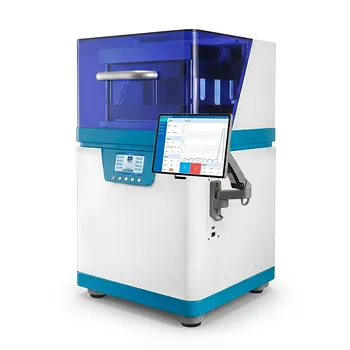
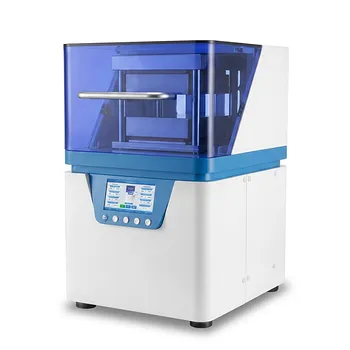
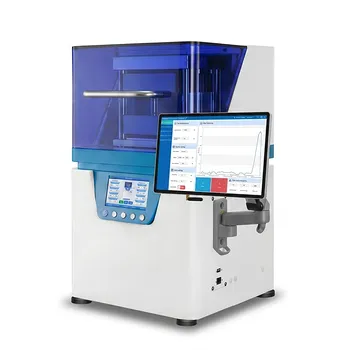
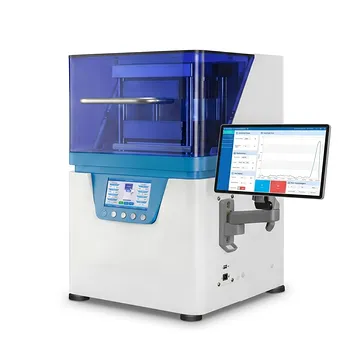
In research and testing environments, the priority often shifts from raw power to accuracy. Laboratory hydraulic presses are generally smaller and possess a lower total force capacity than industrial models.
However, this trade-off yields a significant benefit: superior precision. These presses are designed to offer granular control over the application of force, which is essential for delicate experimental parameters.
Industrial Capacity
Conversely, industrial presses prioritize high-volume and high-force output. These machines almost exclusively utilize electric or pneumatic pumps to achieve the high tonnage required for manufacturing.
Understanding the Trade-offs
Consistency vs. Simplicity
Manual pumps are cost-effective and simple to maintain, but they introduce operator variability. It is difficult to replicate exact pressure profiles repeatedly when relying on human muscle.
Power vs. Footprint
Electric and pneumatic systems deliver the high tonnage necessary for heavy-duty tasks and ensure consistent results. However, they are larger, more complex, and generally require more infrastructure (such as air compressors or high-voltage power) compared to standalone manual units.
Capacity vs. Control
While industrial presses offer massive force, they may lack the finesse required for small-scale testing. Laboratory presses sacrifice total tonnage to provide the exacting control needed for scientific validity.
Making the Right Choice for Your Goal
To select the correct hydraulic pump system, you must align the mechanism with your specific operational requirements.
- If your primary focus is low-force, occasional tasks: Choose a manual pump for its simplicity and cost-effectiveness.
- If your primary focus is high tonnage and repeatability: Opt for electric or pneumatic pumps to ensure consistent application of large forces.
- If your primary focus is scientific accuracy: Select a laboratory-grade press, which prioritizes precision and control over maximum force capacity.
The ideal hydraulic press balances the need for raw tonnage with the requirement for consistent, controlled application.
Summary Table:
| Pump Type | Drive Mechanism | Best For | Key Advantage |
|---|---|---|---|
| Manual | Human Effort | Low-force, occasional tasks | Simple, cost-effective, no power needed |
| Pneumatic | Compressed Air | High tonnage & repeatability | Consistent force without electric motors |
| Electric | Electric Motor | Heavy-duty, high-volume production | Maximum force capacity and automation |
| Laboratory | Varied (Precise) | Scientific research & testing | Superior granular control and accuracy |
Elevate Your Research with KINTEK Precision Solutions
Whether your application requires the delicate touch of a laboratory-grade press or the raw power of isostatic systems, KINTEK delivers the technology to ensure repeatable results. We specialize in a comprehensive range of hydraulic pressing solutions, including:
- Manual & Automatic Models for versatile lab workflows.
- Heated & Multifunctional Presses for advanced material synthesis.
- Glovebox-Compatible Units for sensitive environment research.
- Cold and Warm Isostatic Presses (CIP/WIP) tailored for battery and ceramics research.
Don't settle for inconsistent pressure. Contact KINTEK today to find the ideal pressing solution for your target applications and let our experts help you achieve scientific excellence.
Related Products
- Automatic Hydraulic Hot Press with Large Plate and Precision Temperature Control for Advanced Material Sample Preparation and Industrial Research
- Automatic Hydraulic Heat Press Machine with Multi Stage Programmable Control and Integrated Water Cooling Plate Size 180x180mm
- Automatic High Temperature Heated Hydraulic Press Machine with Heated Plates for Lab
- Heated Hydraulic Press Machine with Heated Plates for Vacuum Box Laboratory Hot Press
- Manual Heated Hydraulic Lab Press with Integrated Hot Plates Hydraulic Press Machine
People Also Ask
- What are the specific features and applications of hydraulic hot press machines? Precision Solutions for Modern Labs
- How does an automatic hydraulic press operate? Achieve Precision and Consistency in Lab Pelleting
- What are the advantages and common applications of an automatic hydraulic press? Elevate Your Lab's Precision
- What is the technical significance of setting a precise dwell time? Achieve Peak Material Density and Stability
- When is an automatic hydraulic press more suitable than a manual press? Scale Your Lab with Precision & Speed