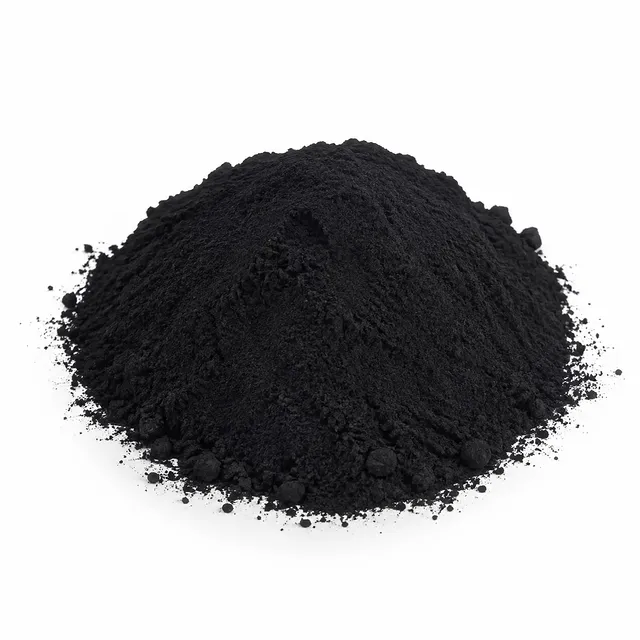
Battery powder materials
Sodium Nickel Iron Manganese Layered Oxide Cathode Material for Sodium Ion Batteries
Item Number : CL12
Price varies based on specs and customizations
- Gram Specific Capacity
- ≥120.0 mAh/g (127 mAh/g typical)
- Tap Density
- ≥1.20 g/cm³ (1.34 g/cm³ typical)
- Particle Size (D50)
- 8.00 ± 2.00 µm (7.64 µm typical)

Shipping:
Contact us to get shipping details Enjoy On-time Dispatch Guarantee.
Why Choose Us
Easy ordering process, quality products, and dedicated support for your business success.
Product Overview
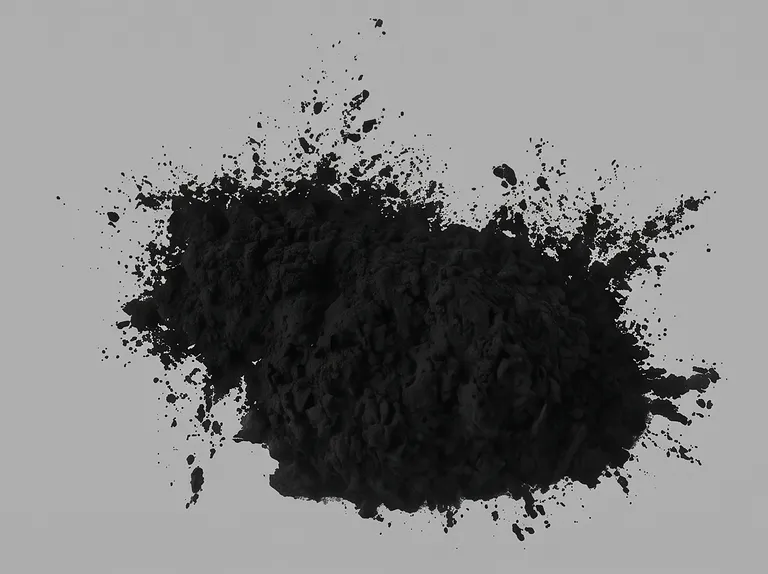
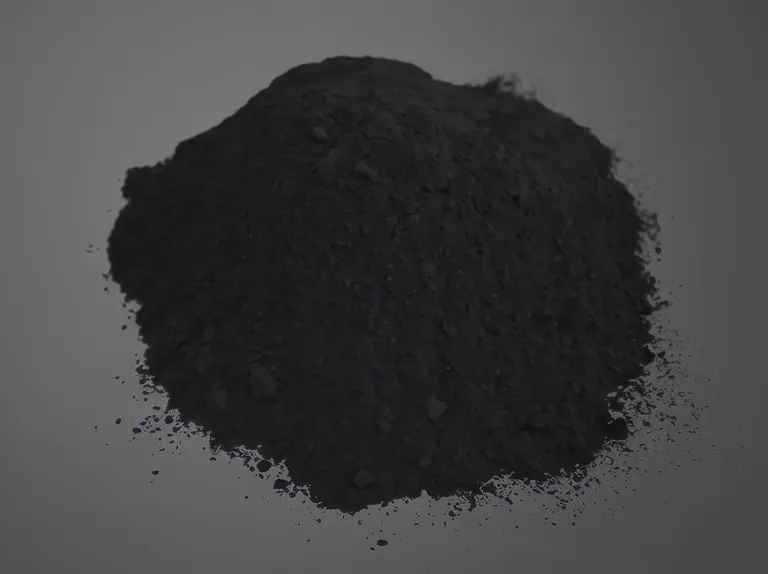
This high-performance sodium nickel iron manganese layered oxide cathode powder represents a cutting-edge active material engineered specifically for next-generation sodium-ion battery cell development and large-scale energy storage systems. Formulated with a optimized stoichiometry of sodium, iron, manganese, and nickel elements, this system delivers an excellent balance of high specific discharge capacity (≥120.0 mAh/g target, 127 mAh/g typical at 0.1C), elevated tap density (1.34 g/cm³ typical), and low residual surface alkali content. Its optimized layered crystal architecture promotes rapid sodium-ion transport kinetics while suppressing adverse phase transformations during extended electrochemical cycling.
Designed for integration into full commercial cell manufacturing workflows, the material exhibits exceptional slurry compatibility, predictable rheological behavior, and high operational stability across coin cells, 18650 cylindrical cells, and pouch cell configurations. Target applications span stationary grid energy storage, industrial power backup modules, low-speed electric mobility units, and academic energy material R&D. The balanced chemical composition avoids reliance on scarce or costly cobalt and high nickel concentrations, ensuring an economically sustainable raw material footprint.
Manufactured under stringent quality control protocols, this unit undergoes comprehensive chemical and physical validation to guarantee consistent batch-to-batch repeatability. With rigorous monitoring of moisture content (≤500 ppm target, 432 ppm typical), particle size distribution (D50 of 7.64 µm), and surface residual carbonate/hydroxide levels, the material minimizes gelation risks during slurry preparation and ensures long-term operational integrity under demanding charge-discharge regimes and ambient moisture conditions.
Key Features
- High Gram Discharge Capacity: Delivers a certified discharge capacity of ≥120.0 mAh/g (typical value of 127 mAh/g) when tested in button half-cells within a 2.0V to 4.0V voltage window at 0.1C, offering high volumetric and gravimetric energy density.
- Superior High-Rate Discharge Kinetic Performance: Demonstrates exceptional rate capability in 18650 cylindrical test cells, retaining 106.40% capacity at 0.2C, 103.20% at 0.5C, 98.40% at 2.0C, 96.33% at 3.0C, 94.45% at 4.0C, and 91.58% at an ultra-high 5.0C discharge rate relative to the 1.0C baseline.
- Outstanding Low-Temperature Discharge Retention: Maintains high energy output under extreme environmental conditions, retaining 91.58% of room-temperature capacity at -10°C and 87.89% capacity at -20°C in full-cell testing protocols.
- Controlled Particle Morphometry & High Tap Density: Engineered with a tightly controlled particle size distribution (D10 ≥ 2.0 µm, D50 = 8.00 ± 2.00 µm, D90 ≤ 24.00 µm) and a high tap density of 1.34 g/cm³, ensuring optimal packing density during electrode calendering and pressing.
- Low Residual Surface Alkali: Features strict chemical limits on remnant sodium carbonate (Na2CO3) and sodium hydroxide (NaOH) surface species, maintaining a controlled pH of 12.82 (≤13.00 specification) to prevent slurry gelling and binder cross-linking during cathode preparation.
- Stable Slurry Processing Behavior: Formulated for high solid-content cathode slurries (up to 53% solid loading with 95.5% active material content), exhibiting controlled viscosity progression from 3540 mPa·s initially to 6820 mPa·s over 24 hours under 7% relative humidity.
- Controlled Environmental Moisture Sensitivity: Maintains capacity stability without electrochemical decay when processed under controlled atmospheric moisture conditions (7% RH for up to 5 hours), ensuring reliable pilot-scale and commercial electrode coating operations.
- Balanced Chemical Composition: Leverages abundant sodium, iron, manganese, and nickel elements (Na + Fe + Mn content of 50.50 ± 1.00 wt%) to lower overall cell manufacturing costs while ensuring environmental compliance and supply chain security.
Applications
| Application | Description | Key Benefit |
|---|---|---|
| Stationary Grid Energy Storage | Large-scale battery energy storage systems (BESS) for renewable energy integration and grid frequency regulation. | Low material cost combined with long cycle stability and safe thermal characteristics under continuous operation. |
| Industrial Cylindrical Cell Fabrication | Commercial 18650 and 21700 cell production lines for industrial power tools and uninterruptible power supplies (UPS). | Excellent tap density (1.34 g/cm³) and smooth slurry coating characteristics enable uniform high-speed electrode manufacturing. |
| Low-Temperature & Harsh Environment Power | Battery modules operating in arctic conditions, cold-chain logistics, and unheated outdoor installations. | Exceptional low-temperature capacity retention (87.89% at -20°C) ensures dependable power delivery in extreme climates. |
| High-Rate Electric Mobility | Power packs for two/three-wheel electric vehicles, low-speed EVs, and automated guided vehicles (AGVs). | Maintains over 91.58% capacity retention at high 5.0C discharge rates, supporting rapid acceleration and fast power delivery. |
| Advanced Sodium-Ion Battery Research | Academic and corporate R&D laboratories developing next-generation sodium chemistries and electrolyte formulations. | Highly consistent physical specifications and low residual alkali provide repeatable baseline metrics for coin and pouch cell testing. |
Technical Specifications
Material Model Identifier: CL12
| Specification Parameter | Unit | Target Specification Indicator | Typical Value | Test Method / Instrument |
|---|---|---|---|---|
| Product Identifier | - | CL12 | CL12 | Standardized Material Code |
| Appearance | - | Black Powder | Black Powder | Visual Inspection (目测) |
| Tap Density (振实密度) | g/cm³ | ≥ 1.20 | 1.34 | GB/T 5162-2006 |
| Specific Surface Area (比表面积) | m²/g | 0.3 - 1.0 | 0.68 | BET Specific Surface Analyzer (比表面仪) |
| Moisture Content (H2O) | ppm | ≤ 500 | 432 | Moisture Analyzer (水分仪) |
| Particle Size D10 | µm | ≥ 2.0 | 3.45 | Laser Particle Size Analyzer (激光粒度仪) |
| Particle Size D50 | µm | 8.00 ± 2.00 | 7.64 | Laser Particle Size Analyzer (激光粒度仪) |
| Particle Size D90 | µm | ≤ 24.00 | 17.03 | Laser Particle Size Analyzer (激光粒度仪) |
| Sodium (Na) Content | wt% | 20.50 - 21.00 | 20.72 | Atomic Absorption Spectroscopy (AAS) |
| Combined Na + Fe + Mn Content | wt% | 50.50 ± 1.00 | 50.63 | GB/T 1223.25-1994 Gravimetric Method |
| Slurry pH | - | ≤ 13.00 | 12.82 | pH Meter (PG计) |
| Discharge Specific Capacity (克比容量) | mAh/g | ≥ 120.0 | 127 | Coin Half-Cell, 4.0V–2.0V, 0.1C Discharge |
Rate Capability Performance (18650 Cell, Voltage Window: 2.0V–4.0V, Test Temp: 25 ± 2°C)
| C-Rate Discharge Current | Relative Capacity (%) | Electrochemical Transport Characteristics |
|---|---|---|
| 0.2C | 106.40% | Maximum sodium-ion de-intercalation efficiency |
| 0.5C | 103.20% | High energy extraction under moderate loads |
| 1.0C | 100.00% | Reference capacity baseline |
| 2.0C | 98.40% | Minimal polarization voltage drop |
| 3.0C | 96.33% | Sustained fast-discharge power output |
| 4.0C | 94.45% | Outstanding high-power retention |
| 5.0C | 91.58% | Excellent ultra-high rate capability |
Low-Temperature Discharge Characteristics (18650 Cell, Voltage Window: 2.0V–4.0V)
| Operating Temperature (°C) | Capacity Retention Ratio (%) | Environmental Performance Profile |
|---|---|---|
| 25°C | 100.00% | Ambient baseline capacity |
| -10°C | 91.58% | Superior low-temperature ion diffusion |
| -20°C | 87.89% | Robust operation under sub-zero conditions |
Slurry Rheology & Environmental Exposure Parameters
| Parameter / Condition | Standard Value / Metric | Operational Notes |
|---|---|---|
| Cathode Slurry Formulation Ratio | Active Material : SP : CNT : PVDF(5130) = 95.5 : 1.7 : 0.8 : 2.0 | Optimized high-active mass fraction formulation |
| Slurry Solid Content | 53% | Suitable for commercial industrial roll-to-roll coaters |
| Slurry Viscosity (Initial) | 3540 mPa·s | Tested under 7% Relative Humidity (RH) |
| Slurry Viscosity (3 Hours) | 4430 mPa·s | Stable viscosity growth profile |
| Slurry Viscosity (12 Hours) | 6020 mPa·s | Controlled rheology over extended pot life |
| Slurry Viscosity (24 Hours) | 6820 mPa·s | Prevents rapid phase separation or severe gelling |
| Environmental Exposure Resilience | 7% RH for 5 hours exposure | Controlled moisture uptake; capacity does not decay |
Why Choose This Product
- Proven Batch-to-Batch Consistency: Rigorous quality control protocols ensure tight particle size distributions (D50 = 8.00 ± 2.00 µm) and consistent chemical composition for seamless cell manufacturing scale-up.
- Exceptional Electrochemical Kinetic Stability: Delivers market-leading rate performance (91.58% capacity retention at 5.0C) and low-temperature tolerance (87.89% retention at -20°C), widening the operational window of finished battery packs.
- Engineered Surface Chemistry: Low residual alkali levels (pH 12.82) drastically reduce slurry gelling risk, enabling high solid content (53%) coating mixes and extended slurry pot life in production environments.
- Comprehensive Material & Process Validation: Supported by extensive empirical test data across coin half-cells and full 18650 cylindrical cell formats to accelerate your R&D and pilot line integration.
- End-to-End Battery Workflow Integration: Positioned alongside our complete laboratory pressing, slurry mixing, coating, and testing equipment portfolio to provide a total solution for advanced materials research.
Contact our technical sales engineering team today to request detailed specification sheets, order validation samples, or discuss customized sodium-ion material processing solutions tailored to your cell development pipeline.
Trusted by Industry Leaders

REQUEST A QUOTE
Our professional team will reply to you within one business day. Please feel free to contact us!
Related Products
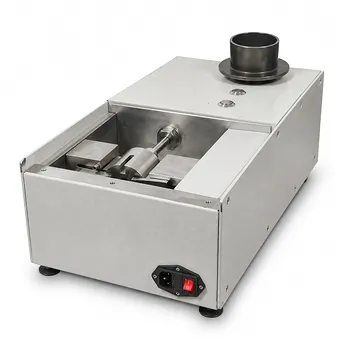
Lithium Battery Powder Resistivity and Compacted Density Measurement System
Optimize cathode and anode slurry formulations with this automated lithium battery powder resistivity and compacted density measurement system featuring closed-loop servo pressure execution high-resolution displacement monitoring synchronous environmental logging and automated analytical software for precision electrode quality control workflows
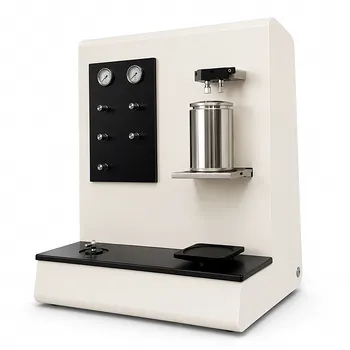
Dynamic BET Specific Surface Area Analyzer for Powders and Porous Materials
High-precision dynamic BET specific surface area analyzer designed for rapid, accurate characterization of battery materials, catalysts, and porous powders. Features advanced thermal conductivity detection, ultra-low surface area sensitivity down to 0.0005 m2/g, and fast three-minute throughput.
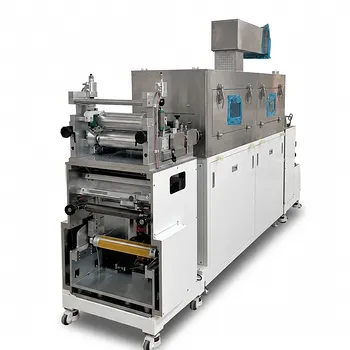
400mm Continuous and Intermittent Gap Coating Machine
400mm continuous and intermittent gap coating machine for precise lithium ion battery electrode coating with electric drying, controlled web handling, and configurable extrusion coating for cathode and anode production.
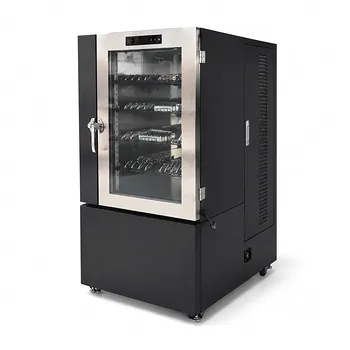
Integrated Constant Temperature Test Chamber for Battery Research and Materials Testing
Integrated constant temperature test chamber for pouch polymer and coin cell batteries delivers stable 0 to 60°C testing, rapid thermal transitions, PID control, Ethernet connectivity, and four-level insulated sample storage for reliable laboratory and production quality evaluation workflows.
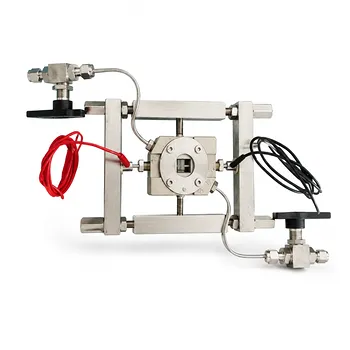
Optical Testing Solid State Battery Device for Microscopy Raman and Infrared Cross Section Analysis
Optical testing solid state battery device with compact fixtures for microscope, Raman, and infrared cross section analysis, including venting configuration for advanced battery research. Supports precise laboratory characterization, flexible sample dimensions, and controlled access for materials science and cell development.