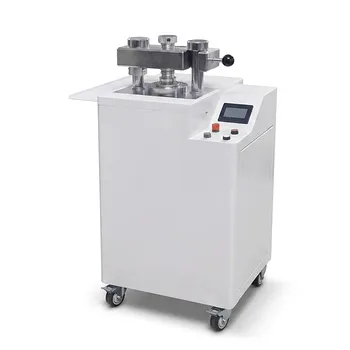
The only effective solution for severe mold damage or wear on a pellet press is immediate replacement. Attempting to repair a mold that has reached the end of its fatigue life is rarely viable. You must swap the compromised component for a new, high-quality unit to restore production efficiency and safety.
While mechanical wear is a natural byproduct of pellet production, severe damage often indicates underlying operational issues or subpar component quality. Replacing the mold addresses the immediate symptom, but strictly adhering to a maintenance schedule is required to prevent rapid recurrence.
Diagnosing the Root Causes
Understanding why the failure occurred is as important as fixing it. Without addressing the source, your new mold will suffer the same fate.
Prolonged Operational Stress
Pellet presses operate under immense pressure and friction. Over time, this naturally degrades the internal surface of the die, regardless of how well the machine is treated.
Improper Machine Operation
Running the machine outside its design parameters accelerates degradation. Common culprits include incorrect feedstock moisture levels or forcing material through the press at speeds that exceed the mold's capacity.
Low-Quality Material Selection
Not all molds are created equal. Using a mold manufactured from inferior metals often leads to rapid deformation, pitting, and premature failure compared to hardened steel alloys.
The Protocol for Remediation
Once damage is identified, decisive action is required to protect the rest of your machinery.
Prioritize Full Replacement
Once a mold exhibits severe wear or structural cracking, it cannot be reliably refurbished. You must remove the damaged part and install a new one immediately to prevent vibration damage to the press rollers and bearings.
Upgrade Material Quality
When sourcing the replacement, do not simply buy the cheapest option available. Select a mold of higher quality than the previous one to improve resistance against the abrasive nature of your feedstock.
Preventing Recurrence through Maintenance
The transition from a "reactive" to a "proactive" mindset is the hallmark of professional operation.
Establish a Routine Schedule
Do not wait for a breakdown to inspect the internal components. Implement a strict maintenance calendar to clean the mold and check for early signs of uneven wear or blockage.
Monitor Operator Habits
Ensure that all operators are trained on the machine's limits. Consistent, correct operation is the single biggest factor in extending the lifespan of your consumables.
The Risks of Inaction
It is critical to understand the trade-offs involved when delaying maintenance.
The Hidden Cost of Delay
Continuing to run a damaged mold significantly reduces pellet density and increases waste (fines). More critically, it places excessive strain on the drive motor and transmission, risking a catastrophic failure that costs far more than a new mold.
Upfront Cost vs. Long-Term Value
High-quality molds command a higher initial price. However, because they last longer and maintain production speed, their "cost per ton" is significantly lower than frequent replacements of cheap parts.
Making the Right Choice for Your Operation
Deciding how to proceed depends on your immediate operational status and long-term goals.
- If your primary focus is immediate production stability: Replace the worn mold immediately to eliminate vibration and restore consistent pellet quality.
- If your primary focus is long-term cost reduction: Invest in premium, high-quality molds and enforce a rigid maintenance schedule to maximize the lifespan of every component.
Invest in quality parts today to avoid paying for downtime tomorrow.
Summary Table:
| Issue Type | Recommended Action | Preventive Strategy |
|---|---|---|
| Severe Structural Damage | Immediate Replacement | Use high-quality hardened steel alloys |
| Surface Pitting/Wear | Component Swap | Monitor feedstock moisture & operation speed |
| Vibration/Noise | Inspect & Replace Die | Implement a strict routine maintenance schedule |
| Low Pellet Density | Check Mold Integrity | Regular cleaning and operator training |
Enhance Your Pellet Production with KINTEK Expertise
Don't let equipment downtime derail your research or production. KINTEK specializes in comprehensive laboratory pressing solutions, offering manual, automatic, heated, multifunctional, and glovebox-compatible models, as well as cold and warm isostatic presses widely applied in battery research.
Whether you need to replace worn components or upgrade to a more durable system, our team is ready to provide high-performance solutions tailored to your specific application. Contact us today to discover how KINTEK can maximize your lab's efficiency and equipment lifespan!
Related Products
- Lab XRF Boric Acid Powder Pellet Pressing Mold for Laboratory Use
- XRF KBR Plastic Ring Lab Powder Pellet Pressing Mold for FTIR
- XRF KBR Steel Ring Lab Powder Pellet Pressing Mold for FTIR
- Lab Ring Press Mold for Sample Preparation
- Lab Cylindrical Press Mold for Laboratory Use
People Also Ask
- Why are pellets used in XRF analysis, and what is their limitation? Boost Accuracy and Speed in Your Lab
- What are the primary factors to consider when deciding between a manual and an automatic XRF pellet press? Optimize Your Lab's Efficiency
- What are the differences between manual and automatic XRF pellet presses? Choose the Right Press for Your Lab's Needs
- What are the different pellet pressing options for XRF sample preparation? Choose the Best Method for Accurate Analysis
- What are specialized XRF pellet preparation presses designed for? Boost Lab Efficiency with High-Throughput Automation