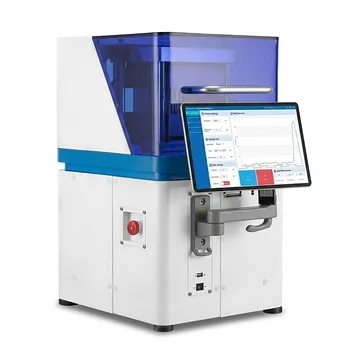
In the rubber industry, the landscape is dominated by two primary structural designs: the column rubber laboratory press and the frame structure press. While the column type represents the traditional standard, the frame structure press is the more widely adopted solution in modern facilities.
The industry has largely shifted away from older column designs in favor of frame structures. This transition is driven by the frame design's superior operational reliability and significantly lower maintenance requirements.
The Evolution of Press Architecture
The Legacy Choice: Column Presses
The column rubber laboratory press is the older of the two primary designs. It utilizes vertical columns (pillars) to guide the moving platen and withstand the pressing force.
The Modern Standard: Frame Structure Presses
The frame structure press has emerged as the dominant technology in the rubber industry. This design replaces the isolated columns with a more rigid, unified frame construction.
Mechanism of Action
While the structural design varies, it is important to note that both types typically function as hydraulic presses. They rely on a hydraulic pump, cylinder, and valves to generate the significant pressure required for curing and molding rubber samples.
Why the Industry Shifted
Enhanced Reliability
The move toward frame structures is heavily influenced by the need for consistent equipment operation. The frame design offers improved stability during the pressing cycle, which is critical for the accurate quality control and R&D testing common in the rubber sector.
Reduced Maintenance Burden
Legacy column presses often require more frequent adjustments and service to maintain alignment and pressure uniformity. The frame structure is specifically favored for its low maintenance requirements, reducing operational downtime.
Understanding the Trade-offs
Design Age vs. Innovation
Choosing a column press today often means relying on an older design philosophy. While they are still functional, they may lack the long-term durability and ease of ownership found in modern frame architectures.
Application Suitability
Both designs aim to serve the same core applications: processing polymers and conducting Research & Development. However, the frame structure's reliability makes it the superior choice for high-volume or critical testing environments where equipment failure cannot be tolerated.
Making the Right Choice for Your Goal
- If your primary focus is long-term reliability: Prioritize the frame structure press, as it is the modern standard designed to minimize operational interruptions.
- If your primary focus is minimizing ongoing costs: Choose the frame structure press, which is widely adopted specifically for its low maintenance requirements.
Ultimately, while column presses have a history in the industry, the frame structure offers the robust performance required for modern rubber laboratory standards.
Summary Table:
| Feature | Column Laboratory Press | Frame Structure Press |
|---|---|---|
| Design Status | Traditional / Legacy | Modern Industry Standard |
| Mechanism | Hydraulic | Hydraulic |
| Reliability | Moderate | High (Superior Stability) |
| Maintenance | Higher (Frequent Adjustments) | Low (Minimal Downtime) |
| Primary Use | Basic Polymer Processing | High-Volume R&D and Testing |
Upgrade Your Material Testing with KINTEK Precision
Are you looking to optimize your rubber or polymer research? KINTEK specializes in comprehensive laboratory pressing solutions designed for the most demanding R&D environments. Whether you require manual, automatic, heated, or multifunctional models—including glovebox-compatible and isostatic presses—our equipment ensures the reliability and precision your lab needs.
Why choose KINTEK?
- Robust Frame Designs: Minimize maintenance and maximize uptime.
- Versatile Applications: Ideal for battery research, polymer curing, and advanced material testing.
- Expert Support: Our team helps you select the right technology for your specific structural requirements.
Contact KINTEK today to find your perfect laboratory press!
Related Products
- Automatic Laboratory Hydraulic Press for XRF and KBR Pellet Pressing
- Special Shape Lab Press Mold for Laboratory Applications
- Assemble Square Lab Press Mold for Laboratory Use
- Square Lab Press Mold for Laboratory Use
- Lab Round Bidirectional Press Mold
People Also Ask
- Why is pressing powder into a pellet critical before sintering? Ensure Dense, Conductive Solid-State Electrolytes
- What is the role of a laboratory pressure machine and KBr in FTIR? Master Sample Preparation for Flame Retardants
- What are the advantages of using a laboratory automatic hydraulic press for HEA green compact forming?
- What are the advantages of using a lab automatic hydraulic press for HEA green body molding? Ensure Material Integrity
- What are the advantages of using an automatic laboratory hydraulic press? Enhance Precision in Sample Preparation