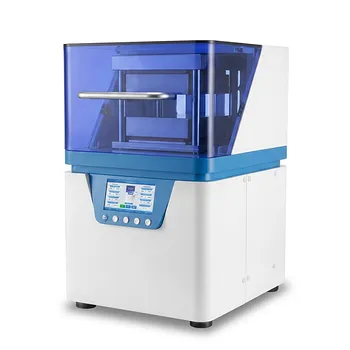
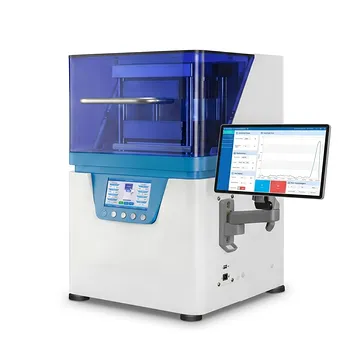
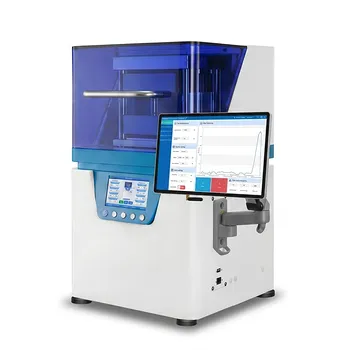
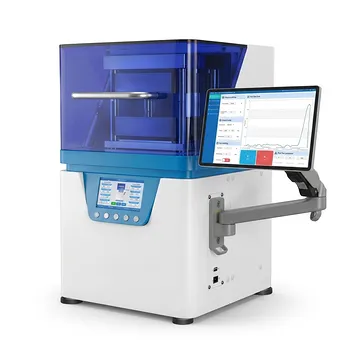
The versatility and efficiency of hydraulic presses stem primarily from their advanced software capabilities and high-quality electronic integration. Specifically, these machines leverage multiple working modes and pre-stored programs to adapt to diverse industrial and laboratory tasks, while the use of well-known electronic components ensures operational stability and significantly reduces maintenance downtime.
By combining programmable software with standardized, high-quality electronics, modern hydraulic presses bridge the gap between adaptability and reliability. They allow users to switch rapidly between complex applications without sacrificing the machine's durability or increasing long-term operating costs.
Operational Versatility via Software
The core of a modern hydraulic press's versatility lies in its ability to change functions digitally rather than just mechanically.
Multiple Working Modes
Hydraulic presses are designed to operate in multiple working modes. This allows a single machine to transition seamlessly between different tasks, such as straightening, molding, or precise sample preparation. This eliminates the need for purchasing specialized machinery for every distinct operation.
Pre-Stored Programs
To further enhance adaptability, these systems feature pre-stored programs. Users can access established parameters for specific industrial or laboratory needs instantly. This reduces setup time and ensures consistency across different operators or shifts.
Custom Cycle Programming
Beyond pre-set options, advanced presses allow for custom programming of specific cycles. Operators can define parameters such as timer functions and step functions for gradual load increases. This is essential for complex tasks like creating thin films or performing multi-stage compression molding.
Engineering for Efficiency and Stability
Efficiency is not just about speed; it is about reliable uptime and low maintenance.
Integration of Standardized Electronics
A critical feature for long-term efficiency is the integration of well-known electronic components. By avoiding proprietary or obscure parts, manufacturers ensure that the systems remain stable and reliable over years of use. This strategic choice directly lowers maintenance costs and minimizes the risk of extended downtime due to component failure.
Automated Electric Operation
Electric hydraulic presses utilize motors to provide automated operation, which significantly speeds up workflows compared to manual methods. This automation reduces the physical effort required and accelerates processes like sample preparation.
Load Maintenance Features
Efficiency is also maintained through features like auto top-up. This function automatically maintains a consistent load during a cycle, ensuring that pressure does not drop due to material settling. This prevents wasted runs and ensures the success of time-sensitive processes.
Precision Control Features
To be truly versatile, a press must be precise enough to handle sensitive materials.
User-Friendly Interfaces
Modern presses often incorporate LED touchscreens. These interfaces simplify the interaction between the operator and the machine, allowing for precise input of pressure and time data without the ambiguity of analog dials.
Accurate Pressure Management
Through the use of control valves and digital monitoring, these presses offer precision control over piston movement. This is vital for applications requiring exact force, such as spectroscopic sample preparation or tension testing.
Understanding the Trade-offs
While modern hydraulic presses offer immense utility, there are factors to consider regarding their complexity.
Maintenance of Electronic Systems
While standardized components reduce maintenance headaches, the reliance on electronic systems adds a layer of complexity compared to purely mechanical manual presses. If the software or an electronic sensor fails, troubleshooting may require a technician rather than a simple mechanical fix.
Initial Investment vs. Throughput
Presses equipped with automation, touchscreens, and programming capabilities command a higher initial cost. For simple, low-volume tasks where speed is not critical, a manual system might be more cost-effective, whereas the ROI for an automated system is realized through high-volume efficiency.
Making the Right Choice for Your Goal
To select the correct hydraulic press features, align the machine's capabilities with your specific operational bottlenecks.
- If your primary focus is Laboratory Research: Prioritize programmability and precision, ensuring the press has pre-stored programs and step functions for repeatable, high-accuracy experiments.
- If your primary focus is Industrial Production: Prioritize automation and component stability, looking for electric motors and well-known electronic parts to maximize uptime and throughput.
True efficiency in hydraulic pressing is achieved when the machine's software flexibility matches the operator's need for consistent, repeatable results.
Summary Table:
| Feature | Benefit to Efficiency & Versatility | Key Impact |
|---|---|---|
| Multiple Working Modes | Allows one machine to handle molding, straightening, and testing. | Reduced Equipment Costs |
| Pre-Stored Programs | Instant recall of specific parameters for recurring tasks. | Faster Setup Times |
| Automated Electric Operation | Uses motors to provide consistent force without manual labor. | Higher Throughput |
| Standardized Electronics | Use of globally recognized components for system stability. | Lower Maintenance Downtime |
| Auto Top-up Function | Automatically maintains pressure during material settling. | Improved Sample Consistency |
Elevate Your Laboratory Precision with KINTEK
Maximize your research efficiency with KINTEK’s industry-leading hydraulic pressing solutions. Whether you are conducting cutting-edge battery research or complex material molding, our range of manual, automatic, heated, and multifunctional models—including specialized cold and warm isostatic presses—are engineered for peak performance and glovebox compatibility.
Why choose KINTEK?
- Versatile Systems: Seamlessly switch between tasks with custom cycle programming.
- Reliable Engineering: Minimized downtime using high-quality, standardized electronic components.
- Expert Support: Tailored solutions for your specific laboratory or industrial bottlenecks.
Ready to upgrade your workflow? Contact KINTEK today for a consultation and find the perfect press for your application.
Related Products
- Automatic Hydraulic Hot Press with Large Plate and Precision Temperature Control for Advanced Material Sample Preparation and Industrial Research
- Automatic Hydraulic Heat Press Machine with Multi Stage Programmable Control and Integrated Water Cooling Plate Size 180x180mm
- Automatic High Temperature Heated Hydraulic Press Machine with Heated Plates for Lab
- Automatic Heated Hydraulic Lab Press with Programmable Touch Screen Controls and Precision Temperature Regulation
- Manual Heated Hydraulic Lab Press with Integrated Hot Plates Hydraulic Press Machine
People Also Ask
- What are the specific features and applications of hydraulic hot press machines? Precision Solutions for Modern Labs
- How does an automatic hydraulic press operate? Achieve Precision and Consistency in Lab Pelleting
- What are the advantages and common applications of an automatic hydraulic press? Elevate Your Lab's Precision
- What is the technical significance of setting a precise dwell time? Achieve Peak Material Density and Stability
- When is an automatic hydraulic press more suitable than a manual press? Scale Your Lab with Precision & Speed