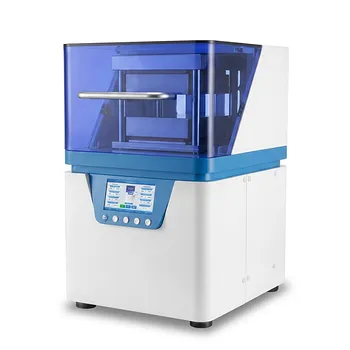
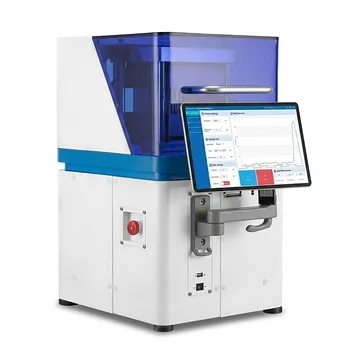
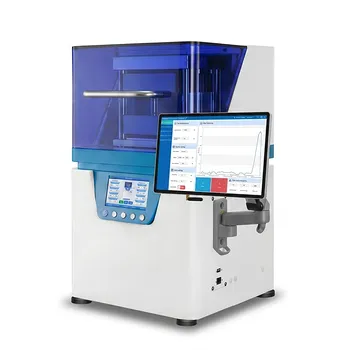
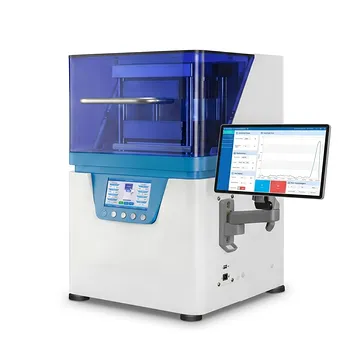
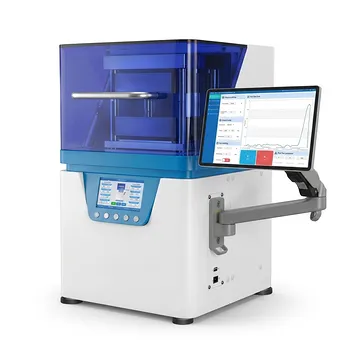
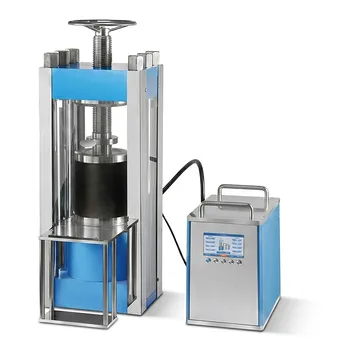
A hydraulic hot press machine is an advanced industrial apparatus that synchronizes high-pressure hydraulic force with precise thermal application. It is engineered specifically for operations where materials must be bonded, cured, or laminated, requiring the simultaneous control of heavy mechanical load and elevated temperatures.
By integrating hydraulic power with heating elements, this machine bridges the gap between simple shaping and complex material synthesis. It allows for the production of high-performance composites and laminates by ensuring materials are chemically or physically altered under strictly controlled pressure and heat profiles.
The Convergence of Heat and Force
The core purpose of a hydraulic hot press is to execute processes that a standard "cold" press cannot handle. While standard presses shape materials, hot presses transform them.
Integrated Heating Systems
Unlike standard hydraulic machinery, these units incorporate heating elements directly into the pressing plates. This allows for the curing of resins or the bonding of distinct layers found in the aerospace and automotive sectors.
Precision Hydraulics
The machine utilizes a hydraulic cylinder, pump, and fluid reservoir to generate immense force. Control valves regulate this fluid to drive a piston, transmitting mechanical pressure to the heated anvil and the workpiece.
Structural Stability
High-end models often utilize a four-column and three-plate structure. This design ensures vertical accuracy and rigidity, preventing plate deflection that could result in uneven bonding or material thickness.
Key Features Driving Performance
To achieve industrial-grade results, these machines rely on specific technical features that manage the variables of time, temperature, and pressure.
Pulse Heating Technology
Advanced units employ pulse heating with a sampling frequency as fast as 0.1 seconds. This rapid feedback loop allows the machine to maintain specific temperatures with extreme accuracy, preventing overheating or under-curing.
Multi-Stage Process Control
Complex materials often require "ramping" profiles rather than static settings. These machines offer multi-stage temperature rise and pressure settings, allowing operators to program specific heating and compression curves.
Real-Time Visualization
To ensure consistency, machines often feature real-time temperature curve displays. This allows operators to visually verify that the heating profile matches the programmed requirements throughout the cycle.
Automated Alignment
Precision is futile if the material is misaligned. Features such as CCD vision systems and silicone belt indexing mechanisms are used to ensure materials are positioned with high accuracy before the press engages.
Comprehensive Safety Protocols
Given the danger of high heat and crushing force, safety is non-negotiable. Standard features include two-hand start buttons, safety hand gratings (sensors), and three-sided sealed safety doors to protect the operator.
Understanding the Trade-offs
While hydraulic hot presses offer superior bonding capabilities, they introduce complexities that must be managed.
Complexity of Maintenance
You are maintaining two distinct systems: a hydraulic power unit and a thermal electrical system. Issues can arise in fluid leakage, pump failure, or heating element burnout, doubling the potential points of failure compared to a cold press.
Cycle Time Considerations
Heating and cooling cycles add time to production. Unlike a mechanical punch press that cycles instantly, a hot press requires time to transfer heat effectively into the core of the material.
Operational Sensitivity
These are not "set and forget" tools. The precision of the pulse heating and hydraulic pressure means the machine must be calibrated strictly; even minor deviations in the temperature curve can compromise the structural integrity of a composite part.
Making the Right Choice for Your Goal
Selecting the correct machine configuration depends entirely on the material constraints of your application.
- If your primary focus is advanced composites (Aerospace/Tech): Prioritize pulse heating technology and CCD alignment to ensure zero-defect bonding and precise thermal management.
- If your primary focus is production throughput: Look for machines with rotating or left-right moving platforms, which allow operators to load the next part while the current one is being pressed.
- If your primary focus is complex curing cycles: Ensure the machine supports multi-stage temperature and pressure programming to accommodate specific material ramp-up requirements.
Success with a hydraulic hot press comes not just from the force applied, but from the precision with which that force is thermally controlled.
Summary Table:
| Key Feature | Functional Benefit | Technical Specification |
|---|---|---|
| Pulse Heating | Prevents overheating with rapid feedback | 0.1s Sampling Frequency |
| 4-Column Structure | Ensures vertical accuracy & prevents deflection | High Rigidity Design |
| Multi-Stage Control | Customizes curing & pressure ramp profiles | Programmable Curves |
| CCD Vision System | Guarantees exact material positioning | Automated Alignment |
| Safety Protocols | Protects operators from heat and force | Sensors & Sealed Doors |
Elevate Your Material Research with KINTEK Pressing Solutions
Precision and reliability are the foundations of successful laboratory synthesis. KINTEK specializes in comprehensive laboratory pressing solutions, offering a versatile range of manual, automatic, heated, multifunctional, and glovebox-compatible models, alongside advanced cold and warm isostatic presses widely applied in battery research.
Whether you are developing next-generation energy storage or aerospace composites, our equipment provides the exact thermal and hydraulic control your project demands. Partner with KINTEK to achieve superior consistency and performance.
Contact Our Technical Experts Today
Related Products
- Automatic Hydraulic Heat Press Machine with Multi Stage Programmable Control and Integrated Water Cooling Plate Size 180x180mm
- Automatic High Temperature Heated Hydraulic Press Machine with Heated Plates for Lab
- 24T 30T 60T Heated Hydraulic Lab Press Machine with Hot Plates for Laboratory
- Heated Hydraulic Press Machine with Heated Plates for Vacuum Box Laboratory Hot Press
- Automatic Hydraulic Hot Press with Large Plate and Precision Temperature Control for Advanced Material Sample Preparation and Industrial Research
People Also Ask
- How does a laboratory hydraulic heat press facilitate the molding of cellulose composite specimens? Precision Molding
- How is a hydraulic heat press used for sample preparation? Achieve Uniform, Void-Free Samples for Lab Analysis
- What is the role of a hydraulic heat press in material testing? Unlock Superior Data for Research & QC
- What is a hydraulic heat press? Discover Precision Material Bonding and Sample Preparation
- What are the industrial applications of a hydraulic heat press? Powering Lamination, Bonding, and R&D Efficiency