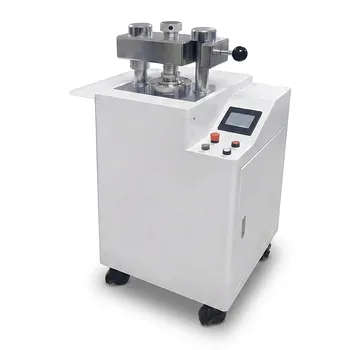
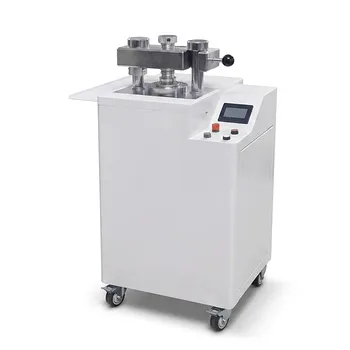
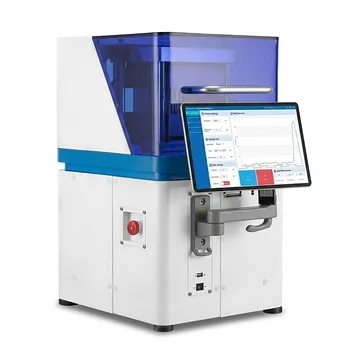
A key emerging trend in laboratory pellet press design is the move toward modularity and high adaptability. Manufacturers are increasingly engineering presses with interchangeable parts and customizable configurations to accommodate a wider variety of complex sample types and operational requirements.
The rigid, single-purpose designs of the past are being replaced by modular systems. This evolution allows operators to optimize the press for specific materials and sample sizes, significantly improving analytical precision and laboratory workflow efficiency.
The Evolution of Press Architecture
Moving Beyond Static Designs
Historically, pellet presses were static tools designed for a narrow range of tasks. The primary shift today is the integration of modular designs.
This allows laboratories to swap components to suit the specific physical properties of different materials. By customizing the configuration, users ensure the press is optimized for the exact sample size and type being processed.
Enhancing Workflow Flexibility
The ability to interchange parts transforms how a laboratory manages its workload. Instead of requiring multiple machines for different applications, a single modular unit can often suffice.
This adaptability streamlines workflows, reducing the bottleneck often caused by equipment limitations. It allows research teams to pivot quickly between different analytical requirements without significant downtime.
Supporting Design Trends
Compactness and Portability
Alongside modularity, there is a strong push toward compact, benchtop models. Laboratories often face severe space constraints, necessitating high-performance equipment with a minimal footprint.
Manufacturers are also developing portable models suitable for fieldwork. This allows researchers to bring laboratory-grade pressing capabilities directly to the sample source, rather than transporting samples back to a central facility.
Advanced Materials and Coatings
To extend equipment life, modern presses increasingly utilize high-strength alloys and wear-resistant coatings. These advanced materials are essential for handling abrasive samples that would degrade older machines.
This shift enhances durability and ensures consistent performance over time. Consequently, these robust components help reduce the frequency and cost of maintenance.
Focus on Sustainability
Newer designs are prioritizing energy efficiency. Manufacturers are optimizing operational cycles to reduce power consumption without sacrificing tonnage or pressure consistency.
Additionally, the construction of these presses often involves durable, recyclable materials. This aligns with a broader industry goal of minimizing the environmental impact of laboratory operations.
Understanding the Trade-offs
Initial Investment vs. Long-Term Value
While modular and advanced presses offer superior versatility, they often command a higher initial price point.
The cost of specialized interchangeable parts and high-grade alloys can add up. You must weigh this upfront investment against the long-term savings gained from reduced maintenance and the elimination of redundant equipment.
Complexity of Operation
With increased adaptability comes increased complexity. A modular system with multiple configurations requires a deeper understanding of the equipment.
Operators may need additional training to ensure they are using the correct interchangeable parts for specific applications. Improper configuration can lead to inconsistent results or potential damage to the press components.
Making the Right Choice for Your Goal
When selecting a laboratory pellet press, align the features with your specific operational constraints.
- If your primary focus is research versatility: Prioritize a modular design with a wide range of interchangeable dies and platen sizes to handle diverse sample types.
- If your primary focus is fieldwork or small spaces: Look for compact, portable benchtop models that offer high tonnage relative to their physical footprint.
- If your primary focus is high throughput and longevity: Choose a press constructed with high-strength alloys and wear-resistant coatings to minimize downtime and maintenance.
By selecting a press that balances adaptability with durability, you ensure your laboratory remains efficient and ready for future analytical challenges.
Summary Table:
| Trend Component | Key Benefits | Application Focus |
|---|---|---|
| Modular Design | Interchangeable parts, high versatility | Diverse sample types & sizes |
| Compactness | Space-saving, portable options | Benchtop & field research |
| Advanced Materials | Wear-resistance, high durability | Abrasive samples & longevity |
| Energy Efficiency | Reduced power consumption | Sustainable lab operations |
Revolutionize Your Sample Preparation with KINTEK
Stay ahead of laboratory trends with KINTEK’s cutting-edge pressing solutions. Whether you require manual, automatic, heated, or multifunctional models, our equipment is engineered for the modularity and precision your research demands. From battery research to material science, our comprehensive range—including glovebox-compatible models and isostatic presses—ensures you have the right tool for any sample size or complexity.
Ready to upgrade your lab’s efficiency and adaptability?
Contact our experts today to find your perfect pressing solution!
Related Products
- Laboratory Hydraulic Pellet Press for XRF KBR FTIR Lab Press
- Automatic Laboratory Hydraulic Press Lab Pellet Press Machine
- Laboratory Hydraulic Press Lab Pellet Press Machine for Glove Box
- Manual Laboratory Hydraulic Pellet Press Lab Hydraulic Press
- Laboratory Hydraulic Split Electric Lab Pellet Press
People Also Ask
- Laboratory Pellet Press for Solar PV Recycling: Ensuring High-Precision Material Analysis and Purity
- Why is a professional laboratory pellet press required for XRF of silica sand? Achieve +/- 0.10% Precision
- Why is high consistency in holding pressure from a laboratory pellet press required when preparing multi-component alloy specimens?
- Why Use a Laboratory Pellet Press for PXRD Anode Material Prep? Standardize Samples for Precise Analysis
- What are the different types of pellet-making tools available for labs? Choose the Right Press for Your Sample