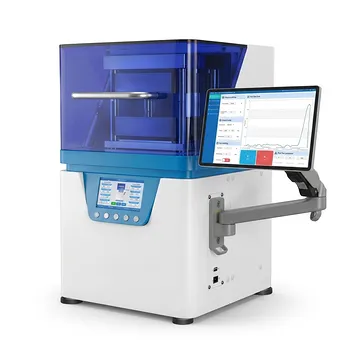
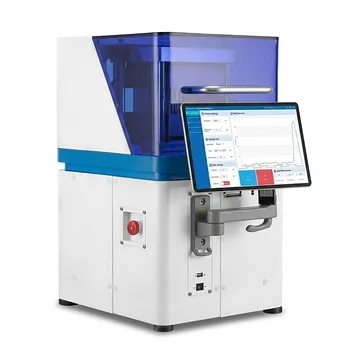
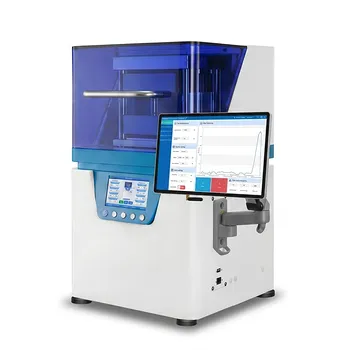
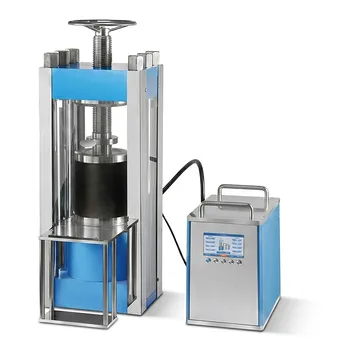
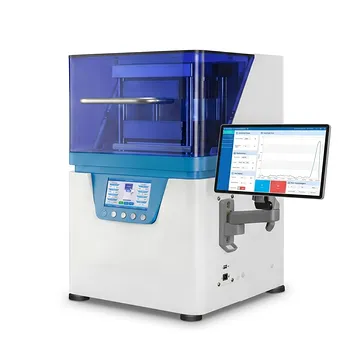
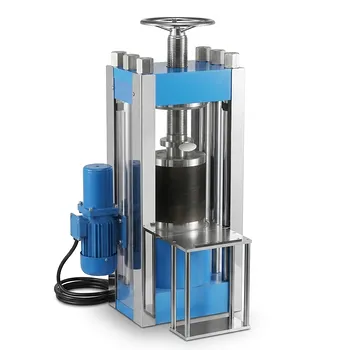
Laboratory hot presses primarily utilize three distinct pressing systems to generate the necessary force for sample preparation and material testing: hydraulic, pneumatic, and manual. Hydraulic systems act as the industry standard for high-pressure stability, while pneumatic systems utilize compressed air for lighter force requirements. Manual systems provide a simpler, hands-on solution for small-scale or low-volume operations via screws or levers.
The choice of pressing system dictates the machine's maximum force capacity and consistency. While hydraulic systems are essential for high-density applications like sintering and composite curing, pneumatic and manual systems are better suited for low-pressure lamination and initial prototyping.
The Three Primary Pressing Mechanisms
Hydraulic Systems: The High-Force Standard
Hydraulic systems are the most common type of pressing mechanism found in laboratory settings. They utilize a hydraulic pump, cylinder, and a series of valves to drive the platens.
Because of their ability to generate significant, stable force—often ranging from 15 to over 100 tons—these systems are ideal for heavy-duty applications. They are the preferred choice for metal forming, composite curing, and powder metallurgy where high density is critical.
Pneumatic Systems: Air-Driven Control
Pneumatic systems are driven entirely by compressed air rather than liquid fluid. These systems generally operate at lower pressures compared to their hydraulic counterparts.
They are specifically engineered for applications requiring lighter, consistent pressure. This makes them the optimal choice for laminating thin films, bonding materials, or processing delicate substrates where excessive force could damage the sample.
Manual Systems: Mechanical Simplicity
Manual systems generate pressure through physical operator effort, utilizing a screw, lever, or a hand-operated hydraulic pump. These are typically found in smaller, simpler benchtop models.
While they lack automation, they are highly effective for small-scale sample preparation or low-volume production. They are frequently used in educational settings or for quick prototyping where precise, automated pressure control is less critical.
Understanding the Trade-offs
Force vs. Sensitivity
While hydraulic presses offer the highest force, they can sometimes lack the delicate touch required for fragile electronics or soft laminates. Conversely, pneumatic presses offer excellent sensitivity for delicate work but physically cannot generate the crushing force needed for sintering ceramics or compacting hard powders.
Consistency vs. Cost
Manual presses are cost-effective and simple to maintain, but they introduce human variables. The pressure applied can vary between operators, leading to inconsistencies in sample thickness or density. Automatic hydraulic or pneumatic systems remove this variable, ensuring that every cycle applies identical pressure, which is vital for standardized research data.
Maintenance Requirements
Hydraulic systems involve fluids that can leak and pumps that require maintenance, adding to the operational overhead. Pneumatic systems are generally cleaner but require a reliable source of dry, compressed air. Manual systems have the lowest maintenance burden but the highest physical demand on the operator.
Selecting the Right System for Your Research
To ensure your equipment matches your experimental needs, assess your requirements based on the specific material properties and throughput goals.
- If your primary focus is heavy-duty composite curing or metal forming: Choose a Hydraulic System to ensure sufficient tonnage and uniform density.
- If your primary focus is laminating or bonding thin, delicate materials: Select a Pneumatic System to apply consistent, low-impact pressure without crushing the sample.
- If your primary focus is low-volume prototyping or educational demonstration: Opt for a Manual System for a cost-effective, low-maintenance solution.
Align the press's force generation method directly with the yield strength of your materials and the precision required by your analysis.
Summary Table:
| Pressing System | Drive Mechanism | Pressure Capacity | Best Use Case |
|---|---|---|---|
| Hydraulic | Liquid fluid pump | High (15–100+ Tons) | Sintering, metal forming, composite curing |
| Pneumatic | Compressed air | Low to Medium | Film lamination, bonding delicate substrates |
| Manual | Screw, lever, or hand pump | Variable/Low | Educational use, small-scale prototyping |
Precision Pressing Solutions with KINTEK
Maximize your laboratory efficiency and material consistency with KINTEK. As specialists in comprehensive laboratory pressing solutions, we provide a diverse range of equipment tailored to your specific research goals, including:
- Manual & Automatic Models for varying throughput needs.
- Heated & Multifunctional Presses for advanced material synthesis.
- Glovebox-Compatible & Isostatic Presses (Cold/Warm) for specialized battery research and air-sensitive materials.
Whether you are sintering high-density powders or laminating delicate thin films, our experts are ready to help you find the perfect system. Contact us today to optimize your lab setup!
Related Products
- 24T 30T 60T Heated Hydraulic Lab Press Machine with Hot Plates for Laboratory
- Laboratory Split Manual Heated Hydraulic Press Machine with Hot Plates
- Heated Hydraulic Press Machine with Heated Plates for Vacuum Box Laboratory Hot Press
- Automatic Heated Hydraulic Press Machine with Hot Plates for Laboratory
- Automatic Large Format Laboratory Heated Hydraulic Press 400x400mm Plate Capacity
People Also Ask
- Function of a Laboratory Hydraulic Press with Heated Platens in SSE? Enhance Battery Density & Conductivity
- Why is a laboratory hydraulic press with heating plates required for PLA/TEC films? Achieve Precise Sample Integrity
- What role does a laboratory heated hydraulic press play in LTCC? Essential for High-Density Ceramic Lamination
- What is the primary function of a laboratory heated hydraulic press? Mastering Thermoplastic Carbon Fiber Composites
- Why is a laboratory heated hydraulic press utilized during the lamination stage of NASICON green tapes?