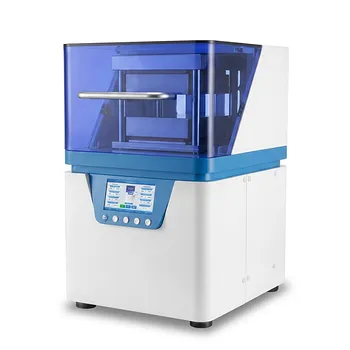
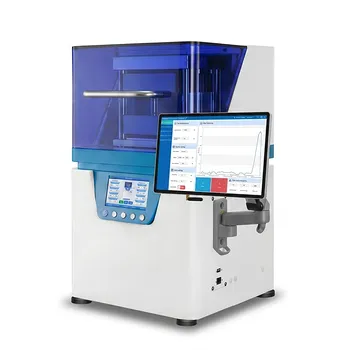
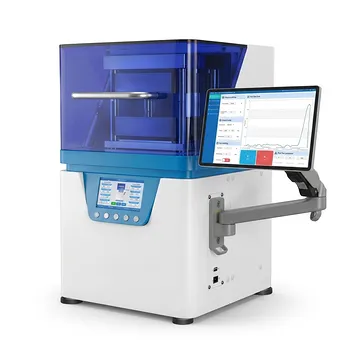
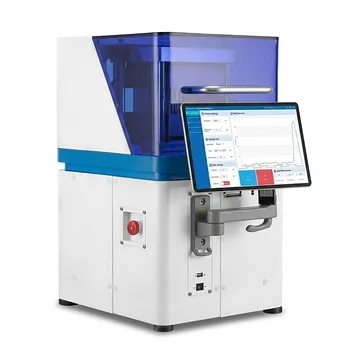
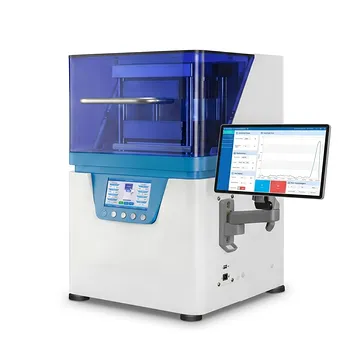
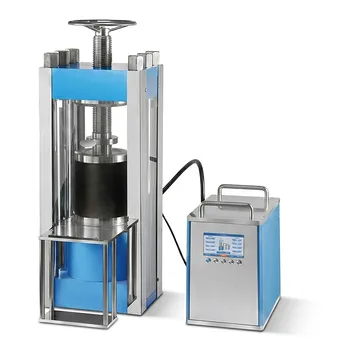
Safe operation of vacuum hot press furnaces requires a dual focus on thermal hazards and precise process control. You must strictly allow oil diffusion pumps to cool to ambient temperature before maintenance to prevent explosive reactions. Operationally, success hinges on selecting the right heating elements and pressurization methods while optimizing parameters like temperature, vacuum level, and hold times for your specific material.
Effective vacuum hot pressing is not merely about applying heat and force; it requires matching the furnace's hardware configuration to the material's chemistry and strictly adhering to maintenance protocols to ensure operator safety and equipment longevity.
Critical Safety Protocols
Preventing Explosive Reactions
The most critical safety consideration involves the maintenance of oil diffusion pumps. These components are essential for creating high-vacuum environments but pose significant risks if mishandled.
Cooling Requirements
You must allow diffusion pumps to cool completely to ambient temperature before opening the system or performing maintenance. Exposing hot pump oil to atmospheric air can trigger an immediate and dangerous explosive reaction.
Hardware Configuration and Selection
Selecting Heating Elements
The choice of heating element is dictated by your temperature requirements and the chemical compatibility of your material. Common options include graphite, molybdenum, and induction heating.
Matching Elements to Materials
Using the wrong element can lead to contamination or inefficient heating. Ensure your selection aligns with the thermal stability and reactivity of the workpiece.
Pressurization Methods
Depending on the geometry and density requirements of your final product, you must choose between uniaxial (force from one direction) or biaxial (force from two directions) pressurization.
Optimizing Process Parameters
Controlling the Environment
To achieve desired material properties, you must precisely regulate the vacuum level and temperature. The vacuum environment prevents oxidation, while uniform heating ensures consistent material structure.
Time and Rate Management
The heating and cooling rates, as well as the duration of the hold time, are critical variables. These must be optimized for each specific material to minimize porosity and maximize density.
Digital Precision
Modern furnaces utilize digital control systems to regulate these parameters. This ensures repeatability and accuracy, which are essential for producing high-quality metals, ceramics, and composites.
Understanding the Trade-offs
Equipment Capacity vs. Application
While versatility is a key advantage, a single furnace may not suit every application. You must ensure the equipment's temperature range and pressure capacity are sufficient for your most demanding materials to avoid incomplete bonding.
Complexity of Optimization
High precision comes with high complexity. Improving material density and removing grain boundaries requires rigorous testing to find the "sweet spot" for process parameters; incorrect settings can lead to wasted materials and lost production time.
Making the Right Choice for Your Goal
To ensure safety and maximize the efficiency of your vacuum hot press operations, prioritize your actions based on your specific objectives:
- If your primary focus is Operator Safety: Enforce strict lockout/tagout procedures that prevent maintenance on oil diffusion pumps until they have reached ambient temperature.
- If your primary focus is Material Quality: Utilize digital controls to precisely replicate heating rates and vacuum levels that reduce porosity and enhance electrical conductivity.
- If your primary focus is Process Versatility: Select a furnace with a broad temperature range and interchangeable heating elements to accommodate various metals and ceramics.
Mastering the interplay between strict safety protocols and precise parameter control is the only way to fully leverage the capabilities of vacuum hot pressing.
Summary Table:
| Key Consideration | Critical Requirement | Primary Benefit |
|---|---|---|
| Safety Protocol | Cool diffusion pumps to ambient temp | Prevents oil-air explosive reactions |
| Heating Elements | Match graphite/molybdenum to material | Prevents contamination & ensures stability |
| Pressurization | Choose Uniaxial or Biaxial methods | Optimized density & product geometry |
| Process Control | Digital regulation of vacuum & heat | High repeatability & reduced porosity |
Elevate Your Material Research with KINTEK Expertise
Maximize your laboratory's safety and performance with KINTEK’s industry-leading laboratory pressing solutions. Whether you are advancing battery research or developing high-performance ceramics, our comprehensive range—including manual, automatic, heated, multifunctional, and glovebox-compatible models, as well as cold and warm isostatic presses—is designed to meet your most rigorous standards.
Don't compromise on precision. Contact KINTEK today to discuss how our specialized vacuum hot press solutions can provide the safety, thermal stability, and digital control your research demands.
Related Products
- Heated Hydraulic Press Machine with Heated Plates for Vacuum Box Laboratory Hot Press
- Heated Hydraulic Press Machine With Heated Plates For Vacuum Box Laboratory Hot Press
- Automatic Hydraulic Hot Press with Large Plate and Precision Temperature Control for Advanced Material Sample Preparation and Industrial Research
- Automatic Hydraulic Heat Press Machine with Multi Stage Programmable Control and Integrated Water Cooling Plate Size 180x180mm
- Automatic Heated Hydraulic Press Machine with Hot Plates for Laboratory
People Also Ask
- What are the requirements for electrode pressing with high-viscosity ionic liquids like EMIM TFSI? Optimize Performance
- How does a laboratory heated hydraulic press facilitate PBN sample prep for WAXS? Achieve Precise X-Ray Scattering
- What are the industrial applications of heated hydraulic presses? Master Heat & Force for Precision Manufacturing
- Function of a Laboratory Hydraulic Press with Heated Platens in SSE? Enhance Battery Density & Conductivity
- How are heated hydraulic presses utilized in the preparation of thin films? Key Mechanisms and Applications