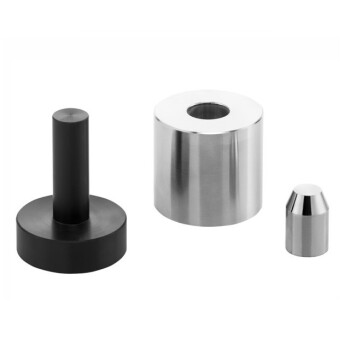
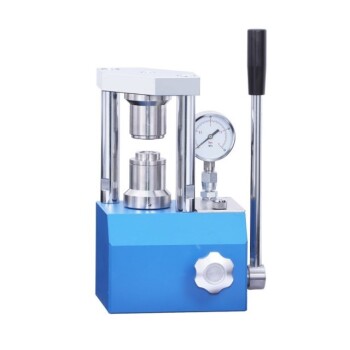
Vacuum thermal press sealing equipment acts as the definitive integration tool in all-solid-state pouch cell manufacturing, responsible for both hermetic encapsulation and internal structural integrity.
It functions by simultaneously applying a vacuum environment, heat, and mechanical pressure to the battery assembly. This tri-fold process fuses the edges of the aluminum-plastic film to seal the cell while effectively evacuating residual air. Crucially, the equipment forces the electrolyte and electrodes into a tight, laminated structure, creating the physical contact required for interfacial stability during high-current charge and discharge cycles.
Core Takeaway While the equipment performs the basic function of closing the battery casing, its deeper engineering value lies in solving the "solid-solid interface" challenge. By eliminating air voids and compacting layers under heat and vacuum, it minimizes internal resistance and prevents the delamination that typically causes solid-state batteries to fail.
The Mechanics of the Sealing Process
Creating a Vacuum Environment
The equipment evacuates the chamber prior to sealing to remove air from within the pouch. This step is vital for removing voids between the solid layers, which would otherwise act as insulating barriers to ion transport.
Application of Mechanical Pressure
Once the air is removed, the machine applies precise mechanical pressure to the battery stack. This compresses the cathode, solid electrolyte, and anode into a dense, unified block, maximizing the utilization rate of active materials.
Thermal Fusion
Simultaneously, heat is applied to the edges of the aluminum-plastic film. This fuses the packaging material to create a permanent seal, locking the internal pressure in place and maintaining the laminated structure created by the mechanical press.
Solving the Interface Challenge
Minimizing Ohmic Internal Resistance
Unlike liquid electrolytes that flow into porous electrodes, solid electrolytes require physical force to establish contact. The pressure from the thermal press ensures "tight contact" between the current collectors, active materials, and electrolyte membranes, significantly reducing contact resistance.
Preventing Interfacial Delamination
All-solid-state cells are prone to mechanical failure as materials expand and contract during cycling. The thermal pressing process enhances the adhesion between flexible electrolytes and electrode layers, preventing the layers from separating (delamination) even when the battery is subjected to bending or folding.
Protecting Sensitive Chemistry
Lithium metal anodes and certain solid electrolytes are highly reactive to moisture and oxygen. The equipment provides a rigorous, hermetic seal that prevents external contaminants from degrading the lithium metal and ensures the internal electrolyte does not volatilize.
Understanding the Trade-offs
Balancing Pressure and Integrity
Applying pressure is critical for lowering impedance, but it introduces a trade-off regarding material durability. Excessive pressure during the sealing process can damage brittle solid electrolyte membranes or deform current collectors, while insufficient pressure leads to poor interfacial wetting and high resistance.
Thermal Management Risks
The heat is necessary to seal the aluminum-plastic film and aid in component adhesion. However, the temperature must be strictly controlled; excessive heat during the sealing phase can degrade sensitive internal components or alter the microstructure of the solid electrolyte before the battery is even operational.
Making the Right Choice for Your Goal
To maximize the effectiveness of your fabrication process, align your equipment usage with your specific performance targets:
- If your primary focus is Cycle Life: Prioritize precise pressure control to ensure the stack remains tightly laminated, preventing the delamination that occurs after repeated expansion and contraction.
- If your primary focus is Energy Density: Focus on the vacuum capabilities to ensure total air removal, allowing for a more compact cell structure and higher active material utilization.
- If your primary focus is Chemical Stability: Ensure the thermal sealing parameters are optimized to create a perfect hermetic barrier against moisture without thermally shocking the internal chemistry.
Ultimately, vacuum thermal press sealing is not just about packaging; it is the process that transforms loose components into a cohesive, high-performance electrochemical system.
Summary Table:
| Function | Mechanism | Impact on Battery Performance |
|---|---|---|
| Vacuum Evacuation | Removes air voids between solid layers | Eliminates insulating barriers; improves ion transport |
| Mechanical Pressure | Compresses cathode/electrolyte/anode stack | Minimizes contact resistance; maximizes material utilization |
| Thermal Fusion | Heat-seals aluminum-plastic film edges | Ensures hermetic encapsulation; prevents moisture ingress |
| Interface Bonding | Enhances adhesion between layers | Prevents delamination during expansion/contraction cycles |
Elevate Your Battery Research with KINTEK
Precise control over interface stability is the key to unlocking the potential of all-solid-state batteries. KINTEK specializes in comprehensive laboratory pressing solutions, offering manual, automatic, heated, multifunctional, and glovebox-compatible models, as well as cold and warm isostatic presses designed for rigorous battery research.
Whether you need to minimize internal resistance or ensure perfect hermetic sealing, our expert team provides the equipment necessary to transform loose components into high-performance electrochemical systems.
Contact KINTEK Today for a Specialized Consultation
References
- Xinyu Ma, Feng Yan. Electric Field‐Induced Fast Li‐Ion Channels in Ionic Plastic Crystal Electrolytes for All‐Solid‐State Batteries. DOI: 10.1002/ange.202505035
This article is also based on technical information from Kintek Solution Knowledge Base .
Related Products
- Heated Hydraulic Press Machine With Heated Plates For Vacuum Box Laboratory Hot Press
- Heated Hydraulic Press Machine with Heated Plates for Vacuum Box Laboratory Hot Press
- Button Battery Sealing Press Machine for Lab
- Lab Heat Press Special Mold
- Warm Isostatic Press for Solid State Battery Research Warm Isostatic Press
People Also Ask
- Function of a Laboratory Hydraulic Press with Heated Platens in SSE? Enhance Battery Density & Conductivity
- What are the industrial applications of heated hydraulic presses? Master Heat & Force for Precision Manufacturing
- How does a laboratory heated hydraulic press facilitate PBN sample prep for WAXS? Achieve Precise X-Ray Scattering
- What are the requirements for electrode pressing with high-viscosity ionic liquids like EMIM TFSI? Optimize Performance
- Why is a laboratory hydraulic press with heating plates required for PLA/TEC films? Achieve Precise Sample Integrity